

We may earn a commission when you buy through links on this page, at no extra cost to you. Learn more.
Merlot for beginners is a soft, fruit-forward red with medium tannin, medium acidity, and alcohol that usually falls between 12 and 15 percent. Its plum and black cherry flavors are easy to spot, and it rarely grips the way a young Cabernet Sauvignon can. Serve it at 60 to 65°F and pair it with everyday foods like roast chicken, burgers, and pizza, and you have a red that suits most first-time drinkers.
Red wine can feel intimidating when you are new to it. Bottles come with unfamiliar words like tannin and structure, and the back labels rarely explain much. Merlot is one of the most forgiving places to start because it sits near the middle of the red wine spectrum. It is not as bold as Cabernet Sauvignon, and it has more body than a light, bright Pinot Noir. Wine Enthusiast describes Merlot as America’s second favorite red after Cabernet Sauvignon, which is a good sign that many people have already made it their everyday bottle. This guide walks through what merlot tastes like, why it feels smoother than many reds, how region changes the style, how to serve it, what to eat with it, and how to choose a first bottle with confidence.
What Merlot Tastes Like on the First Sip
Merlot is built around ripe fruit, a plush texture, and a finish that feels round rather than sharp. Once you learn three or four flavor markers, you can usually recognize it without checking the label.
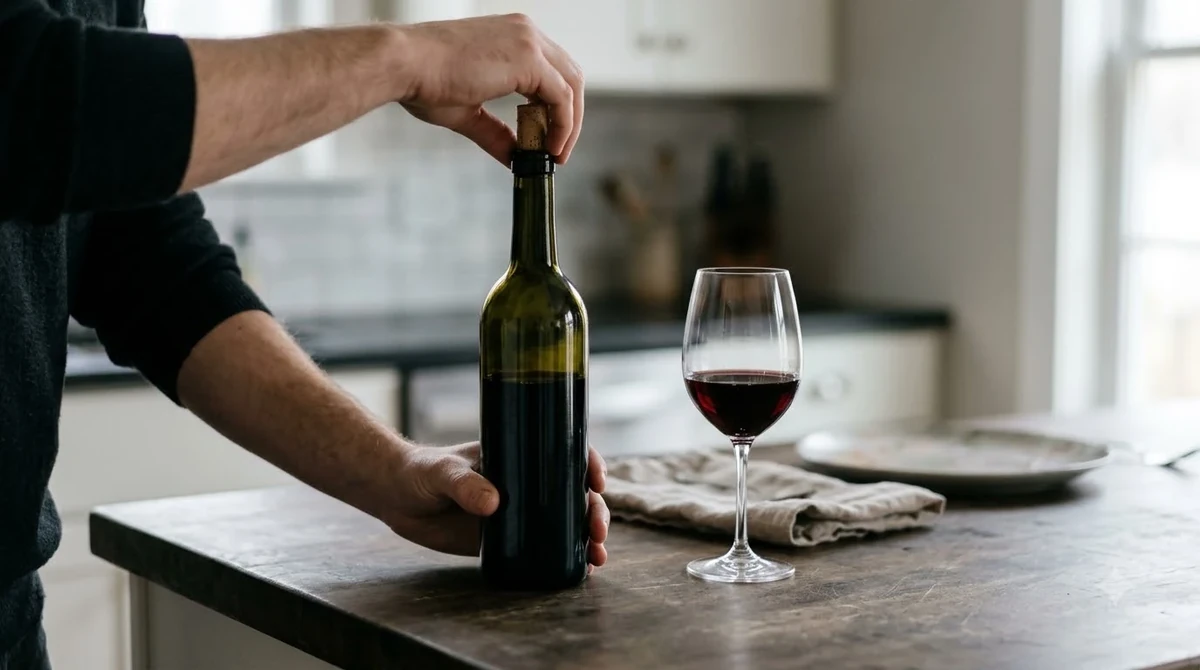
The fruit profile is the easiest place to start. Wine Folly lists black cherry, raspberry, and plum as the primary fruit notes in Merlot. Secondary aromas often include graphite, cedar, tobacco, vanilla, clove, and mocha, and those tend to show up when the wine has spent time in oak. A young bottle leans toward fresh red fruit, while an oak-aged bottle adds the spice and cocoa notes that most people associate with the style.
Structure is where Merlot separates itself from the reds that beginners often find harsh. Wine Folly places the grape at medium tannin and medium acidity, with alcohol typically between 12 and 15 percent by volume. Wine Enthusiast describes a typical dry Merlot as medium- to full-bodied, with moderate acidity and soft but present tannins. Put simply, the wine has enough weight to feel satisfying, enough acidity to stay fresh, and enough tannin to give it shape without drying out your mouth. That balance is what makes it approachable.
Color is a useful clue at the glass. Merlot is usually lighter than Cabernet Sauvignon and deeper than Pinot Noir. Wine Enthusiast points to a glint of brick or orange at the rim as one indicator that you are looking at Merlot, and notes that the color shifts toward garnet as the wine ages. If you pour a glass and see that orange edge, you can expect the soft, round profile described above.
Why Merlot Feels Softer Than Cabernet Sauvignon
Merlot feels softer mainly because its tannin sits lower than Cabernet Sauvignon’s, and its fruit tends to be riper and rounder on the palate. For most beginners, that difference is the main reason it works as a first red.
Tannin is the compound that creates a drying, grippy feeling on your gums and tongue. Cabernet Sauvignon is known for high tannin, while Merlot sits at a medium level, which is why so many people describe it as smoother. Pinot Noir is lower still, so Merlot offers a middle step if you want more backbone than Pinot but less grip than Cabernet. Once your palate gets used to tannin, you can move up the scale without the shock of a very firm red.
Merlot’s softness has a flip side, and it is worth knowing about. Wine Enthusiast notes that Merlot from cooler regions like Bordeaux develops firmer tannins and more structure, which makes it easier to mistake for Cabernet Sauvignon in blind comparisons. That means not every Merlot will feel soft. A bottle from a cool site can taste more like a serious red with grip and savory depth, while a bottle from a warm vineyard will feel closer to fruit and velvet.
The grape’s reputation has its own history. The film Sideways is often blamed for a drop in Merlot sales, and Wine Enthusiast explains that the industry still argues about how much the movie contributed. One camp believes the film pushed drinkers toward Pinot Noir rather than away from red wine. Another says overplanting and a flood of poor-quality bottles were already hurting the grape. A third says the lead character’s scorn did real damage. What matters for you is that weak Merlot exists, and so does excellent Merlot. The grape’s reputation is a poor guide to what is in your glass.
How Region and Climate Change Your First Glass
Where Merlot is grown changes its ripeness, alcohol, and tannin more than almost any other choice you can make. Two bottles of the same grape can taste completely different, and once you know which style you like, region becomes the fastest way to find a bottle you will want to reorder.
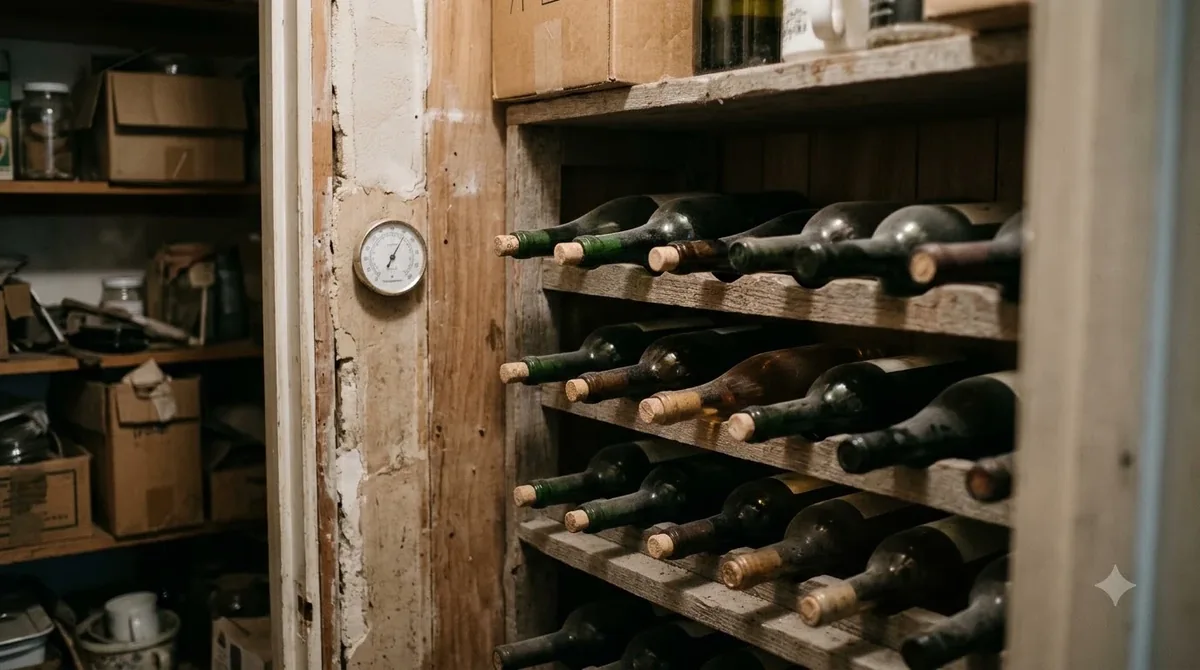
Wine Folly explains the split clearly. Cool-climate Merlot is more structured, with higher tannins and earthy flavors like tobacco and tar, while warm-climate Merlot is more fruit-forward and less tannic. The classic cool-climate examples are Right Bank Bordeaux wines from St. Émilion and Pomerol, along with the earthy Fronsac. For a beginner, Right Bank bottles are a good way to learn what Merlot can do when it is grown on cooler soils, but warm-climate bottles are usually easier on the palate at first.
The Right Bank itself is worth understanding. Decanter explains that the Right Bank is known for Merlot-dominant blends, grown on clay and limestone soils, that are softer and fruitier than wines from the Left Bank. Pomerol has no limestone, and its soils are closer to the gravels and sand of the Left Bank but with more clay mixed in, which helps explain why its best wines can be so concentrated. For a clear breakdown of how the two banks differ, Decanter’s explainer on Left and Right Bank Bordeaux is a helpful next read.
Washington and California offer other versions of the style. Wine Enthusiast says Washington Merlot benefits from the arid eastern part of the state, where warm days and cool nights with large temperature swings keep the fruit ripe while preserving structure and natural acidity. Red Mountain and Walla Walla are the areas it highlights for bold, savory bottles with notes of cocoa, black cherry, dried herbs, and spice. In California, many growers have moved toward cooler sites such as the Sonoma Coast and mountain vineyards in Napa, where the grape keeps moderate acidity and a fresher, softer profile than the heavier, oak-forward Merlots of the past.
The table below gives a rough map of the three styles you are most likely to find on a shop shelf. Treat it as a starting point rather than a rule, because individual producers often break the pattern.
| Style | Typical alcohol | Tannin | Common flavors |
|---|---|---|---|
| Warm-climate, fruit-forward (California, Chile, Australia) | Up to about 14.5% | Low to medium | Black cherry, raspberry, vanilla |
| Cool-climate, structured (Right Bank Bordeaux) | About 13% to 14% | Medium to firm | Plum, tobacco, cedar, graphite |
| Oak-aged, rich (any region) | Up to about 15% | Medium | Cocoa, mocha, clove, dried herbs |
How to Serve Merlot So It Tastes Its Best
Serve Merlot between 60 and 65°F, a range that keeps the alcohol from tasting hot and the fruit from going flat. Most of the serving mistakes beginners make come from temperature, so this is the single habit worth building first.
Room temperature is the most common problem. The old advice to serve red wine at room temperature assumes a cool room from another era. Wine Enthusiast notes that the average house, at 70 to 75°F, is still too warm for red wine. When Merlot runs warm, the alcohol becomes noticeable and the flavors blur together. When it runs too cold, the aromas and fruit get muted. You can reach the target by putting the bottle in the refrigerator for about 15 minutes before pouring, and Wine Enthusiast’s merlot basics covers the same range in more detail.
Tip: If the bottle has been sitting on a warm counter, 10 to 15 minutes in the refrigerator brings it back into range before you pour. Check the glass after a few sips, because it will warm up as you drink.
Glassware helps too. A wide bowl gives the wine room to open up and lets the aromas gather near the rim. Pour about 5 ounces, which fills a standard glass comfortably and leaves space to swirl. A 750 ml bottle holds roughly five glasses at that pour, which is useful when you are planning how much to open for a dinner or a small gathering.
Young Merlot can benefit from air. Decanting for 30 to 60 minutes softens the tannin and opens up the fruit, which is especially useful for fuller, more structured bottles from Bordeaux or Napa. Lighter, fruit-forward bottles can go straight from the fridge to the glass without any fuss. If you do not finish the bottle, replace the cork, keep it in the refrigerator, and plan to drink it within three to five days, because oxidation slowly dulls the fruit and flattens the texture.
Food Pairings That Work with Merlot
Merlot is one of the most flexible reds for food because its medium tannin and ripe fruit suit everything from roast chicken to weeknight pizza. You rarely need a detailed plan to make it work at the table.
The easiest matches are everyday dishes. Wine Enthusiast lists chicken, turkey, and pork, along with weeknight pasta, burgers, and pizza, as natural partners for fruity, easy-drinking Merlot. Wine Folly points to chicken and other light meats, plus lightly spiced dark meats, as a comfortable fit. A simple roast chicken or a plate of pasta with a meat sauce will show you the style at its best without any special effort.
Fuller Merlots can handle richer food. Wine Enthusiast suggests that ripe, fleshy styles with higher alcohol work well with beef, lamb, hearty bean dishes, and game like venison and bison. Wine Folly takes a similar approach and recommends Beef Bourguignon, where the sauce helps tie the wine and the dish together. Savory Right Bank styles from Bordeaux are a good match for roasted meats, duck, and mushrooms, according to Wine Enthusiast’s guidance.
A few general rules help you avoid clashes. Salt and fat soften tannin, so a rich, salty dish tends to make a firm Merlot feel smoother. Acidic food, such as a tomato-heavy sauce, needs a wine with equal or higher acidity, so choose a Merlot with bright fruit for those dishes. Chili heat gets amplified by both alcohol and tannin, so keep very spicy food away from big, tannic bottles. Oily fish is the pairing that usually clashes with tannic reds, so save your Merlot for chicken, pork, or beef instead of salmon or mackerel.
Dessert needs care. Because Merlot is dry, it can taste thin and sour next to very sweet desserts. A wine should be at least as sweet as the dish it accompanies, so Merlot works better with savory courses or a simple cheese plate than with a sugary finish. If you want a sweet pairing, save the Merlot for the main course and choose a dessert wine for the end of the meal.
If you want to understand what dryness means in Merlot before you shop, our page on dry merlot is a useful companion to this section.
How to Choose Your First Bottle of Merlot
Choose your first Merlot by style and region rather than by brand name, and start with a fruit-forward bottle if you want the easiest entry point. Labels can be confusing, but the place a wine comes from tells you a lot about what you will taste.
Start with what you want from the glass. If you like juicy fruit and a soft finish, look for warm-climate Merlot from California, Chile, or Australia, where Wine Enthusiast notes the wines can approach 14.5 percent alcohol and Wine Folly notes less tannin than cool-climate bottles. If you want more savory depth and firmer structure, look for cooler sites such as Right Bank Bordeaux or the cooler parts of Napa and Sonoma. Washington Merlot, especially from Red Mountain and Walla Walla, sits between those two poles, with ripe fruit and a noticeable backbone.
Oak is the other variable to watch. Wine Folly notes that Merlot usually spends a medium amount of time in oak, typically 8 to 12 months, and that oak adds the vanilla, clove, and mocha flavors many people enjoy. Heavy oak can overwhelm the fruit, especially in bottles that taste more of toast and smoke than of cherry and plum. For a first purchase, a Merlot that smells of ripe fruit with a hint of spice is usually a safer bet than one that tastes mostly of wood. If you later want to compare farming approaches, our guide to organic merlot is a good next step.
Use your own palate as the final guide. Wine Folly describes Merlot as a chameleon because it takes on the character of its growing site, so bottles from neighboring vineyards can differ noticeably. Keep a short list of the bottles you enjoy, note the region, and write down whether each one felt plush or firm. After a handful of bottles, you will have a clear sense of what you like. For broader shopping advice, see our Wine Buying Guides.
Frequently Asked Questions
Is merlot a sweet wine?
No, merlot is usually made in a dry style. Its ripe cherry and plum flavors can seem sweet, but that impression is separate from residual sugar. Wine Enthusiast notes that a few grams per liter of residual sugar still counts as dry, and that dry wines typically contain zero to 4 grams of carbohydrates.
What grapes are merlot related to?
Merlot is the offspring of Cabernet Franc and Magdeleine Noire des Charentes, according to Wine Folly. The grape has thin skins and ripens up to two weeks earlier than Cabernet Sauvignon, which is one reason it does well in cooler, wetter vintages. That early ripening is also why it is so widely planted in Bordeaux.
How should I store an unopened bottle of merlot?
Store unopened bottles on their side, which keeps the cork moist, in a cool, dark place. The ideal storage temperature is near 55°F, with steady conditions rather than large swings. A closet or cabinet away from appliances works well for most home collections.
Does merlot age well?
Most everyday merlot is made to drink young, but the best Right Bank wines can age for many decades, according to Decanter. Their structure and concentration develop with time in the bottle. Most shelf bottles, however, are at their best within a few years of release.
How is merlot different from pinot noir?
Pinot Noir is thin-skinned and has high acidity, with moderate color and alcohol. Merlot has more tannin, more body, more alcohol, and a darker hue, according to Wine Enthusiast. Merlot’s deeper color and grip are the easiest differences to notice when you pour the two side by side.
Merlot earns its place on beginners’ lists because it balances fruit, softness, and structure in one approachable package. Serve it between 60 and 65°F, pair it with everyday food, and let region guide your next purchase. Once you know which styles you like, you can explore the wider world of red wine with much more confidence.
More in Wine Buying Guides
 Cheap Red Blend: How to Find a Flavorful Bottle for LessUpdated Nov 20, 2026
 Pinot Grigio Gift: How to Choose a Bottle They’ll EnjoyUpdated Nov 20, 2026
 Best White Wine at Total Wine for Every MealUpdated Nov 20, 2026
 Wine Fridge Replacement Shelves: Find the Right FitUpdated Nov 20, 2026
 Best Sparkling Wine Under 20: Find Bubbles Worth BuyingUpdated Nov 20, 2026
 Best Wine For Birthday Celebrations With Perfect Party PairingsUpdated Nov 20, 2026