

We may earn a commission when you buy through links on this page, at no extra cost to you. Learn more.
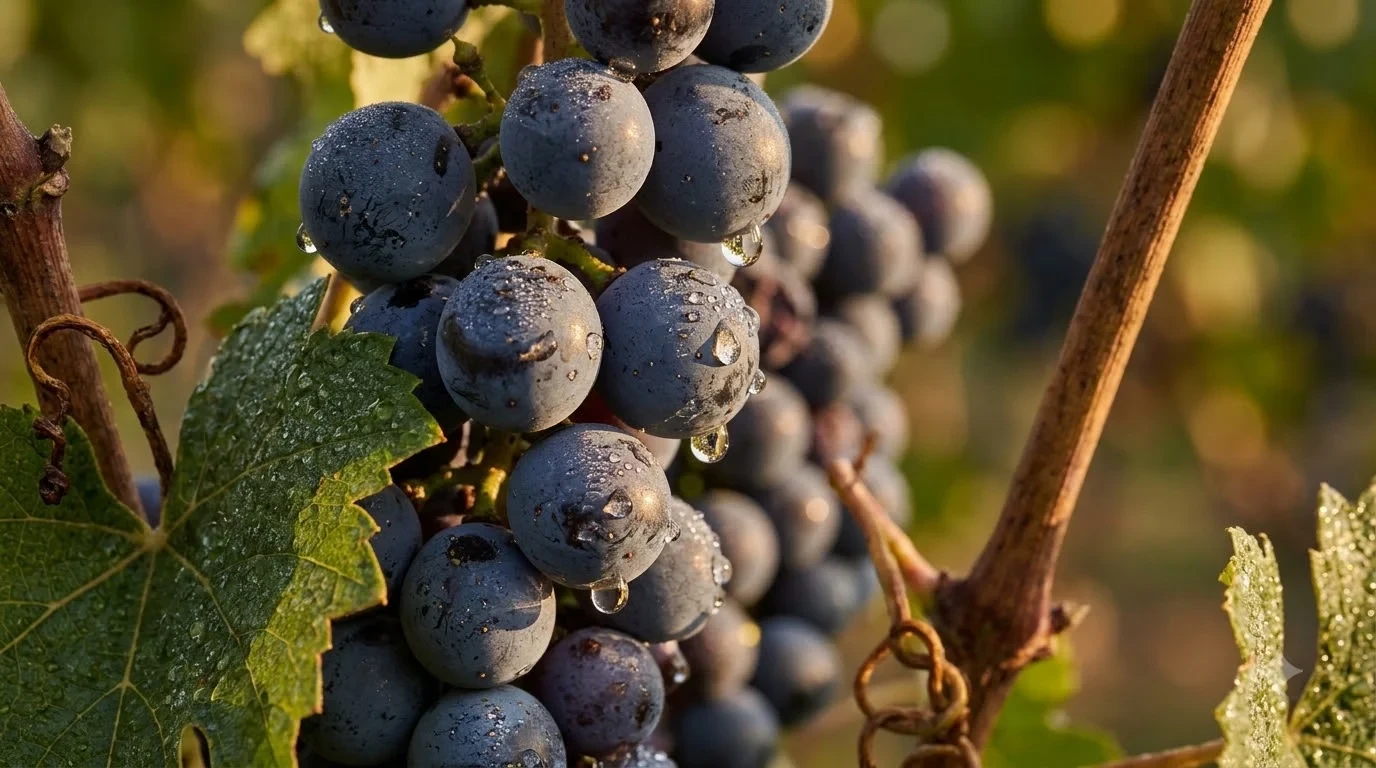
Yes, should asti spumante be chilled before serving is an easy rule to follow because this Italian sparkling wine tastes best at 43 to 46°F (6 to 8°C). Serving it cold keeps the carbonation lively and fine rather than foamy, while preventing its natural sweetness from feeling heavy or syrupy on the palate. Chilling the bottle in a standard refrigerator for about two hours—or in an ice-and-water bath for 20 to 30 minutes—brings out the crisp peach, citrus, and white flower notes of the Moscato Bianco grape.
Serving temperature shapes every part of how sparkling wine behaves once the cork comes out, from bubble size to perceived sweetness. Because Asti Spumante carries both high bottle pressure and vibrant aromatic fruit, serving it straight from a warm kitchen counter dulls its freshness and makes the fizz erupt too quickly in the glass.
What Is the Ideal Serving Temperature for Asti Spumante?
According to Wine Folly’s Asti DOCG region guide, the ideal serving temperature for Asti Spumante is 43 to 46°F (6 to 8°C). That narrow range hits the sweet spot between preserving energetic carbonation and keeping the grape’s expressive orchard fruit aromas open.

A standard household refrigerator usually sits around 37 to 40°F, which is slightly colder than the target window for serving. If a bottle has been sitting in the back of the fridge overnight, letting it stand on the counter for 10 to 15 minutes before uncorking brings it right into the 43 to 46°F zone so the floral aromatics are not muted by extreme cold.
Temperature also behaves differently depending on which style of Asti Spumante you open. Traditional Dolce bottles contain roughly 75 to 100 grams per liter of residual sugar, so keeping them closer to 43°F sharpens the natural acidity and balances the sweetness. Drier versions—such as Asti Spumante Brut, which has under 12 grams per liter of residual sugar and around 11 percent ABV—show off their herbal and citrus notes nicely near 46°F.
Unlike full-bodied aged sparkling wines that open up as they warm toward 50°F, young Asti Spumante relies on crisp tension. Most bottles are meant to be enjoyed within their first year after release while the primary fruit aromas remain bright, and cool temperatures keep that youthful snap intact from the first pour to the last.
Temperature and Chilling Method Comparison
How quickly you chill a bottle depends on how much time you have before guests arrive and whether the wine starts at room temperature or cellar temperature. The table below outlines practical cooling timelines alongside how Asti Spumante compares with related sparkling styles.
| Chilling Method or Style | Target Temperature | Approximate Time Needed | Best Use Case |
|---|---|---|---|
| Standard Refrigerator (from 72°F room temp) | 43–46°F (6–8°C) | 2 to 2.5 hours | Planned dinners, weekend brunch, and casual entertaining |
| Ice and Cold Water Bucket (50/50 mix) | 43–46°F (6–8°C) | 20 to 30 minutes | Last-minute chilling and keeping an open bottle cold at the table |
| Wine Fridge / Cellar Start (from 55°F) | 43–46°F (6–8°C) | 30 to 45 minutes in fridge | Bottles already stored in a temperature-controlled wine cabinet |
| Moscato d’Asti (Frizzante Comparison) | 43–46°F (6–8°C) | 2 hours in fridge | Softer, lower-pressure sweet sparkling wine with gentle fizz |
| Dry Brut Champagne or Prosecco | 41–46°F (5–8°C) | 2 hours in fridge | Dry sparkling wines across Wine by Type |
Adding cold tap water to an ice bucket is far more effective than packing a bottle in ice cubes alone. Ice cubes leave air pockets against the glass, whereas an ice-water bath wraps the entire bottle in liquid contact and pulls heat out evenly in under half an hour.
Once the cork is popped, the wine inside the glass warms up several degrees within minutes, especially outdoors or in a warm dining room. Setting the opened bottle back into an ice bucket with a mix of ice and water maintains the 43 to 46°F window throughout the meal without over-freezing the wine.
Why Cold Temperatures Matter for Asti Spumante
Chilling Asti Spumante does far more than simply make the drink feel refreshing on a warm afternoon. Temperature directly controls gas solubility, foam stability, and how human taste buds register sugar, acid, and alcohol.
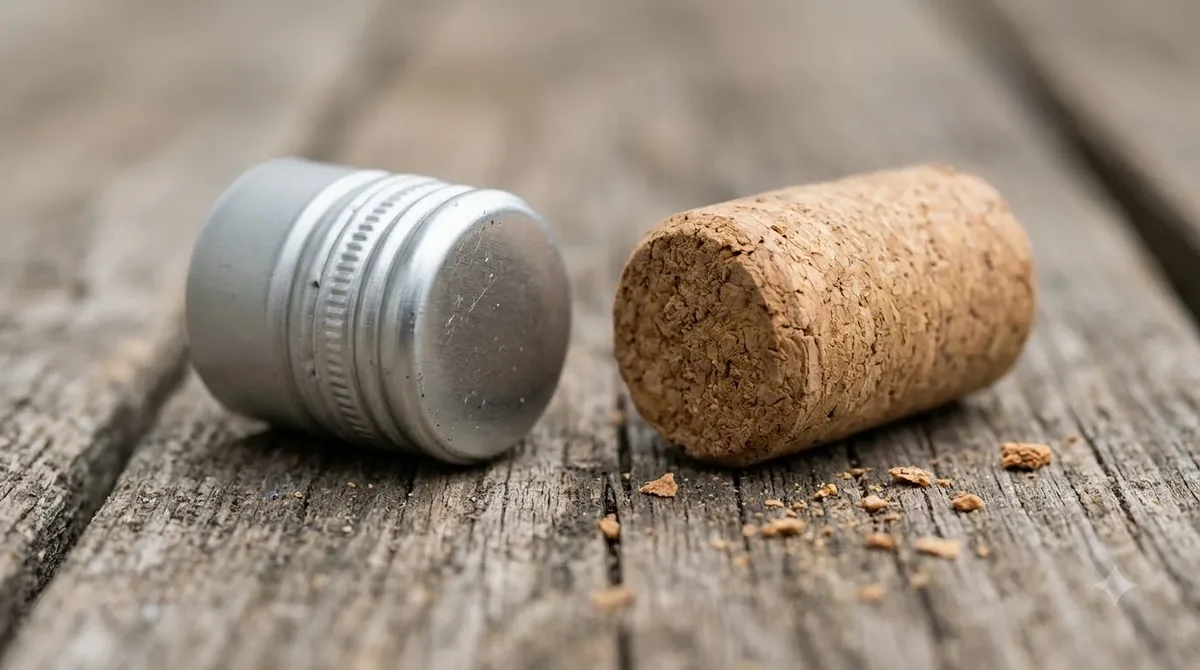
Asti Spumante is a fully sparkling wine bottled at 5 to 7 bar of pressure—the same pressure range found in Champagne and roughly triple the gentle fizz of lightly sparkling Moscato d’Asti. Carbon dioxide stays dissolved in liquid much better at low temperatures; when a high-pressure bottle is warm, gas escapes violently the moment the wire cage is loosened, causing gushing foam and flat wine in the glass.
On the palate, cold temperatures naturally dial back perceived sweetness while emphasizing crisp acidity. Because classic Asti Spumante Dolce carries substantial natural grape sugar left over from arrested fermentation, serving it warm makes the sweetness feel sticky and cloying. At 43 to 46°F, bright lime, green apple, and white peach notes take the lead, giving the wine a clean, lifted finish.
For readers comparing related Italian sparklers, learning should moscato d asti be chilled follows the exact same thermal logic. Both wines rely on the aromatic Moscato Bianco grape grown in Piedmont’s Asti DOCG zone, and both need cold service to keep their natural sweetness balanced and lively.
Tip: Never put a bottle of Asti Spumante in the freezer and walk away—if forgotten, expanding liquid and carbon dioxide can push the cork out or crack the glass, and over-chilling below 38°F locks away the wine’s signature floral aroma.
How to Chill, Open, and Pour Asti Spumante Safely
Chilling and opening a full-pressure sparkling wine requires a few simple habits to protect both the bubbles and your glassware. Following a calm, step-by-step routine keeps the cork under control and preserves the creamy mousse in every pour.
Start by chilling the unopened bottle upright in the refrigerator for at least two hours, or submerge it up to the neck in a bucket filled with equal parts ice and cold water for 25 minutes. Keep a clean kitchen towel handy to dry the outside of the bottle before handling so your grip stays secure.
When opening, point the bottle at a 45-degree angle away from people, windows, and ceiling fixtures. Keep one thumb firmly over the top of the cork while untwisting the wire cage six half-turns, then hold the cork steady with one hand while rotating the base of the bottle slowly with the other until the cork eases out with a quiet sigh rather than a loud pop.
Wine educators at Wine Enthusiast point out that chilling wine too aggressively mutes both aromatics and palate expression. Pouring Asti Spumante into a tulip-shaped sparkling glass—rather than a wide, shallow coupe or an overly narrow flute—captures the fine bead of bubbles while leaving enough headspace for orange blossom, sage, and stone fruit aromas to gather.
Serving Scenarios and Food Pairing Adjustments
While 43 to 46°F is the benchmark range for Asti Spumante, small adjustments within that window help the wine match different foods and occasions. Treating temperature as a subtle dial lets you tailor a single bottle to brunch, spicy takeout, or dessert.
For savory dishes with chili heat—such as Thai curries, Sichuan stir-fries, or spicy Korean barbecue—serve traditional Dolce Asti Spumante right at the colder 43°F mark. The brisk chill cools the palate between bites while the residual sugar tames capsaicin heat without clashing with aromatic spices.
When pouring Asti Spumante alongside fruit tarts, hazelnut biscotti, or brunch pastries, letting the wine sit closer to 46°F allows honeyed apricot and floral aromatics to bloom more generously. Drier Brut and Extra Dry Asti Spumante styles also shine at 45 to 46°F next to salty appetizers, prosciutto, soft cheeses, or fried snacks.
Just as you would consider should sangria be chilled for outdoor gatherings or should ice wine be chilled for after-dinner pours, keeping Asti Spumante cold ensures its fruit character stays crisp rather than heavy during warm-weather entertaining.
Frequently Asked Questions
Can you put Asti Spumante in the freezer to chill it faster?
A short 15-minute stint in the freezer can take the edge off a room-temperature bottle in a pinch, but an ice-and-water bucket is safer and faster. Leaving a pressurized sparkling wine in the freezer too long risks freezing the liquid, forcing the cork out, or shattering the glass, while extreme cold mutes the Moscato Bianco aromas.
What happens if Asti Spumante is served warm?
Warm Asti Spumante loses carbon dioxide rapidly upon opening, which often causes the bottle to foam over and leaves the wine tasting flat in the glass. Without a proper chill, the natural residual sugar in traditional Dolce styles also feels heavy and syrupy rather than bright and refreshing.
How should you store an opened bottle of Asti Spumante?
Seal the opened bottle immediately with a hinged sparkling wine stopper and store it upright in the refrigerator. Because Asti Spumante is bottled under high pressure, a proper sparkling stopper preserves noticeable fizz and fresh fruit character for about one to two days.
Should Asti Spumante be stored in the fridge long term?
Standard kitchen refrigerators are too cold and dry for months of storage, which can eventually dry out natural corks and dull delicate aromatics. Keep unopened bottles in a cool, dark spot around 52 to 59°F and move them into the refrigerator a couple of hours before you plan to serve them.
Serving Asti Spumante properly comes down to giving the bottle enough time to reach 43 to 46°F before you twist the wire cage. Whether you use a two-hour stint in the fridge or a quick ice-water bath, that crisp chill keeps the bubbles fine, the aromas lifted, and every glass refreshing from start to finish.
More in Wine Types & Grapes
 Zinfandel Sugar Content: Dry Red vs. White Zinfandel GramsUpdated Nov 21, 2026
 Best Zinfandel Substitute Options for Sipping and CookingUpdated Nov 21, 2026
 Zweigelt Food Pairing: Best Dishes, Cheeses, and Serving TipsUpdated Nov 21, 2026
 Zinfandel Tannins Explained: How Structure Shapes Every BottleUpdated Nov 21, 2026
 Zinfandel Sweetness Level: Dry Red vs. Sweet White Zin ExplainedUpdated Nov 21, 2026
 Xinomavro Food Pairing: Best Dishes, Styles, and Serving TipsUpdated Nov 21, 2026