

We may earn a commission when you buy through links on this page, at no extra cost to you. Learn more.
Organic dessert wine is sweet wine made from organically grown grapes, offering naturally concentrated fruit flavors, balanced acidity, and a range of styles for pairing with desserts and cheeses. These wines can be made from late-harvest, dried, or botrytized grapes, with sweetness developing through different winemaking techniques. Choosing the right bottle means understanding organic certification, grape varieties, residual sugar, and the balance between sweetness and acidity.
Sweet wines are not all alike. Some taste like fresh peaches and citrus, while others offer concentrated honey, dried apricots, raisins, caramel, and toasted nuts. Organic production adds another consideration because vineyard management and certification matter just as much as the final flavor. Whether you prefer a lightly sweet Sauvignon Blanc, a rich Chardonnay dessert wine, or a concentrated red made from dried grapes, understanding the choices makes buying easier.
What Makes Organic Dessert Wine Different?
Organic dessert wine combines the sweetness of a traditional dessert wine with grapes grown according to certified organic agricultural standards. Its sweetness usually comes from concentrated grape sugars that remain after fermentation rather than from simply adding sugar to a finished wine.
Organic certification primarily concerns how grapes are cultivated and how the wine is produced under the applicable certification rules. Vineyard practices generally restrict synthetic pesticides and herbicides and regulate permitted agricultural inputs. Organic winemaking regulations also govern which substances and techniques can be used in the cellar. The precise requirements depend on the certification system and country of production.
Sweetness itself is a separate characteristic. According to the International Organisation of Vine and Vine’s oenological standards, sweet wine with residual sugar derived from grapes contains at least 45 grams per liter of glucose and fructose. That definition describes a particular category of sweet wine, although commercial dessert wines can cover a wider range of sweetness levels. The OIV International Code of Oenological Practices provides definitions for sweet wines and several other wine categories.
For buyers, the important distinction is that organic describes production standards, while dessert wine describes the wine’s style. An organic bottle can be sweet, dry, sparkling, white, or red. A dessert wine can be organic or conventionally produced. Neither term automatically guarantees a particular flavor, alcohol level, or winemaking method.
Another important distinction concerns organic, biodynamic, and natural wines. Biodynamic farming incorporates additional agricultural principles and practices, while natural wine generally refers to a less standardized approach emphasizing minimal cellar intervention. A biodynamic wine may also be certified organic, but the words are not interchangeable.
For example, Parés Baltà identifies its Music Blanc Chardonnay dessert wine as certified organic through CCPAE and describes its production as biodynamic. Its winemaking also includes temperature-controlled fermentation and sulfur dioxide addition. This illustrates why organic certification should not be confused with a promise that no winemaking additives are used.
How Organic Dessert Wine Gets Its Natural Sweetness
Organic dessert wines develop their sweetness through several production techniques, including late harvesting, grape drying, noble rot, and natural freezing. Each method concentrates grape sugars differently, creating distinct textures and aromas.
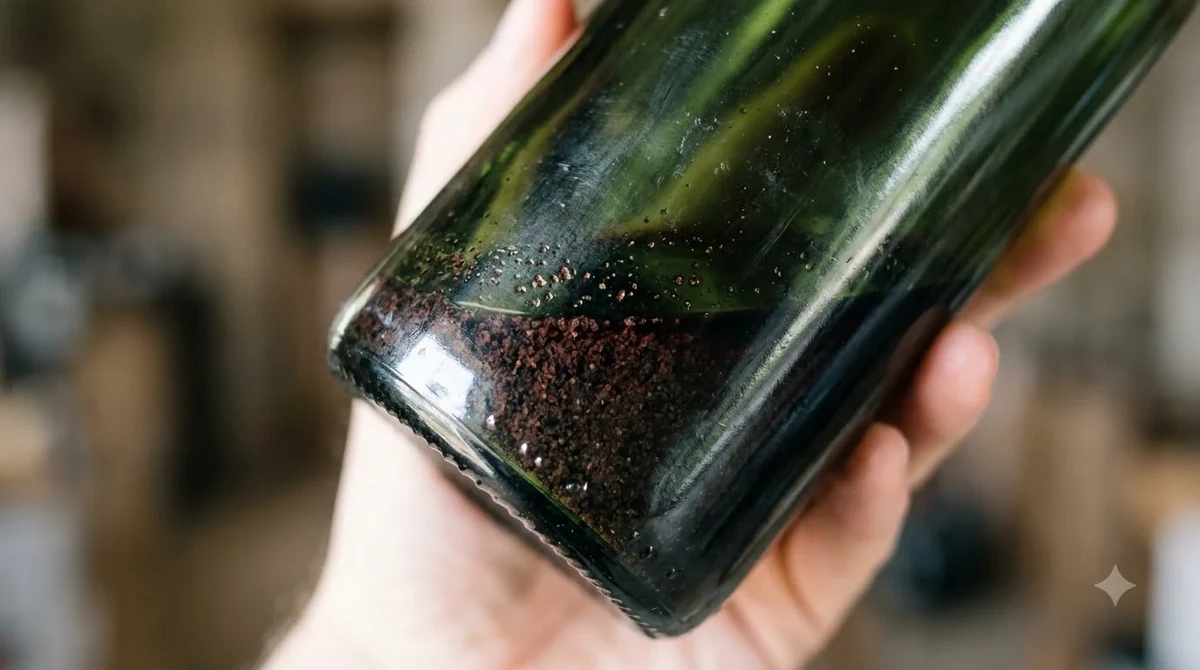
Late-harvest wines are made from grapes left on the vine beyond the usual picking period. Additional ripening increases sugar concentration and can intensify flavors of ripe peach, apricot, tropical fruit, and honey. Producers must manage the balance between sugar accumulation and acidity because a wine with plenty of sweetness but insufficient freshness can taste heavy.
Dried-grape wines use fruit that loses water either on the vine or after harvesting. As water evaporates, the remaining grape juice becomes more concentrated. The finished wine can show raisins, figs, dates, orange peel, and dried apricots. Parés Baltà uses this approach for Music Blanc, allowing Chardonnay grapes grown in Penedès to dehydrate on the vine until they resemble sultanas.
Botrytized wines use grapes affected by Botrytis cinerea, commonly called noble rot when conditions are suitable. The fungus contributes to water loss and changes the grape’s aromatic profile. The resulting wines can offer honey, saffron, dried citrus, marmalade, and apricot notes. Noble rot requires particular vineyard conditions and careful grape selection, so not every harvest produces suitable fruit.
Ice wine comes from grapes that freeze naturally on the vine. When pressed while frozen, much of the water remains as ice while the concentrated juice is collected. The OIV defines ice wine as wine made from grapes frozen during harvest and pressed in that frozen state. Organic certification is a separate consideration, so buyers should not assume that every ice wine is organic.
These methods produce different results, even when the wines have similar sugar levels. A dried-grape Chardonnay may taste rich and nutty, while a sweet Sauvignon Blanc can remain lively and aromatic. The grape variety, harvest conditions, fermentation decisions, and acidity all contribute to the final style.
Best Grapes and Styles for Organic Sweet Wine
The best grape for organic dessert wine depends on whether you prefer floral freshness, ripe tropical fruit, honeyed richness, or concentrated dark-fruit flavors. Sauvignon Blanc, Chardonnay, Moscato, Riesling, and selected red grapes can all produce appealing sweet wines.
Sauvignon Blanc
Sauvignon Blanc is a useful choice for buyers who enjoy sweetness without losing freshness. Its naturally high acidity can balance residual sugar, producing a lively wine with citrus, passion fruit, green melon, and peach characteristics.
Menade’s Organic Sweet Sauvignon provides a practical example. The producer uses 100% Sauvignon Blanc, natural yeasts, and stainless steel fermentation. Fermentation is stopped by lowering the temperature when the wine reaches approximately 10–11% alcohol and 60 grams per liter of residual sugar. Its tasting profile includes Bartlett pear, melon, banana, ripe apple, peach, apricot, and passion fruit. The Menade technical description also gives a recommended serving temperature of 6–9 degrees Celsius.
Chardonnay
Chardonnay creates a different kind of dessert wine. Its medium acidity and adaptable flavor profile make it suitable for richer styles that emphasize honey, dried fruit, nuts, and barrel-derived aromas.
Music Blanc from Parés Baltà is made from 100% Chardonnay grown in El Subal in Spain’s Penedès region. The producer dries the grapes on the vine, ferments the wine in stainless steel at 16 degrees Celsius for 20 days, and subsequently ages it in second-year French oak barrels. Its flavor description includes honey, sultanas, and nuts.
Moscato
Moscato is especially attractive to people who prefer aromatic wines with approachable sweetness. Common aromas include orange blossom, peach, grapes, and tropical fruit. Its acidity is generally low to medium, depending on the particular wine, so the style often feels softer than Sauvignon Blanc or Riesling.
Organic Moscato is a useful starting point for a dessert wine newcomer. A lightly sparkling version can work with fresh fruit and simple pastries, while a still, more concentrated example can accompany fruit-based desserts. Explore organic Moscato for more information about its grape character and different sweetness styles.
Red Grapes
Organic red dessert wines are generally richer and more concentrated than lighter sweet whites. Depending on the grape and production technique, flavors can include black cherry, plum, dried berries, raisins, chocolate, and baking spices.
Some producers dry red grapes before fermentation to concentrate their natural sugars. Kotsifali, a traditional red grape from Crete, is one example used for sweet red wine production. The Stilianou Kotsifali Sweet is made from 100% Kotsifali grapes grown organically and dried for approximately 10 days.
For a fruit-forward alternative, compare the styles described in organic sweet red wine. Buyers who prefer a less concentrated red with softer tannins can also explore organic Merlot, although ordinary Merlot is not necessarily a dessert wine.
Organic Dessert Wine Styles Compared
Comparing production methods and typical characteristics helps narrow down the right bottle. The following table summarizes common sweet wine styles, their grape treatments, flavor profiles, and useful pairing choices.
| Wine style | Grape treatment | Typical flavor profile | Good food pairing |
|---|---|---|---|
| Late harvest | Extended ripening on the vine | Peach, apricot, honey | Fruit tart |
| Passito or dried-grape wine | Water loss through grape drying | Raisin, fig, orange peel | Blue cheese |
| Botrytized wine | Noble rot concentration | Honey, marmalade, saffron | Foie gras |
| Ice wine | Natural freezing on the vine | Peach, citrus, tropical fruit | Fresh fruit dessert |
| Sweet Sauvignon Blanc | Fermentation stopped with residual sugar | Pear, passion fruit, melon | Fruit cheesecake |
| Sweet Chardonnay | Late harvest or grape drying | Honey, nuts, dried fruit | Crème brûlée |
| Sweet red | Concentrated ripe or dried red grapes | Black cherry, plum, raisins | Dark chocolate |
These are general style descriptions rather than guarantees about every bottle. A sweet Sauvignon Blanc can be relatively light and refreshing, while a botrytized wine can be considerably more concentrated. Production methods, grape varieties, alcohol levels, and residual sugar all influence the result.
When comparing labels, pay attention to the alcohol percentage and any published residual sugar information. A wine with 60 grams per liter of residual sugar will usually taste noticeably sweet, but acidity can make it feel fresher and less heavy. A wine with less residual sugar can still taste sweet if its fruit character is particularly ripe and concentrated.
The distinction between grape sugar and added sweetening also matters. The OIV recognizes sweet wines whose residual sugar results from partial alcoholic fermentation of naturally concentrated grape sugars. This is a useful reference when comparing traditional dessert wines with other sweetened wine-based beverages.
How to Choose an Organic Dessert Wine
Choosing the right bottle starts with the occasion, preferred sweetness, and food pairing. A fresh Sauvignon Blanc suits fruit desserts and lighter occasions, while a concentrated dried-grape wine works better with richer desserts and aged cheeses.
Check the Organic Certification
Look for an identifiable organic certification mark or a clear producer statement explaining the applicable certification. In the United States, the USDA Organic seal is an important reference for qualifying products. Imported wines may also display certification from their country or regional organic control system.
For European wines, the EU organic logo and associated certification information can help identify products produced under European organic standards. Certification requirements can differ between markets, so an imported bottle may carry different marks depending on where it was produced and sold.
Consider Sweetness and Acidity Together
Sweetness should be balanced by acidity. Sauvignon Blanc and Riesling are useful choices for people who enjoy a crisp finish, while Chardonnay and Moscato generally offer softer acidity. A highly concentrated wine can still feel balanced if its acidity is sufficient to refresh the palate.
Think about the dessert before selecting the wine. A lightly sweet wine can disappear beside an intensely sweet chocolate cake, while an extremely concentrated dessert wine can overwhelm a delicate fruit tart. The wine should generally be at least as sweet as the dessert being served.
Read the Production Details
Look for information about grape varieties, harvesting methods, fermentation, aging, and alcohol content. These details can tell you whether the wine is likely to be fresh and aromatic or rich and concentrated.
For instance, Menade’s sweet Sauvignon Blanc uses stainless steel fermentation and has approximately 60 grams per liter of residual sugar. Parés Baltà’s Music Blanc instead uses dried Chardonnay grapes and second-year French oak barrels. Both are organic sweet wines, but they offer distinctly different experiences.
Also distinguish between organic and no-added-sulfite claims. Organic certification does not mean that sulfur dioxide is absent. Some producers use permitted sulfur dioxide during winemaking to help preserve wine, and fermentation can also generate naturally occurring sulfites.
Tip: For a first bottle, choose a certified organic sweet Sauvignon Blanc with noticeable acidity and a clearly stated alcohol percentage. It is generally easier to pair with fruit desserts than a very concentrated dried-grape wine. If you prefer richer flavors, move toward Chardonnay-based dessert wine or a botrytized style.
Food Pairings and Serving Organic Dessert Wine
Organic dessert wine works best when its sweetness and acidity complement the food rather than compete with it. The most reliable pairings include fruit desserts, blue cheese, creamy pastries, nuts, and dark chocolate, depending on the wine’s concentration and flavor profile.
Fruit Desserts and Pastries
Late-harvest Sauvignon Blanc and Moscato are particularly suitable for fruit-based desserts. Their peach, pear, citrus, and tropical fruit notes complement fruit tarts, poached pears, apple pastries, and peach cobbler.
Try a sweet Sauvignon Blanc with a lemon tart if the wine has enough acidity to match the citrus. A lightly sweet Moscato can accompany peach pastries or fruit salad. Avoid pairing a very sweet wine with a dessert that is much sweeter than the wine because the wine may taste thin or sour by comparison.
Cheese and Savory Foods
Sweet wine and salty cheese make a classic combination. Blue cheese, Roquefort, and Gorgonzola provide saltiness that contrasts with honeyed and concentrated wine flavors. A dried-grape Chardonnay or botrytized wine can be particularly effective with these cheeses.
Camembert and other creamy cheeses can also work with sweet wines that have enough acidity to cut through their richness. Parés Baltà’s Music Blanc, with its honey and dried-fruit character, is an example of a fuller dessert wine style that can accompany richer foods.
Chocolate and Nuts
Chocolate pairing depends on the intensity and sweetness of both components. Dark chocolate can work well with concentrated red dessert wine, especially examples with black cherry, plum, and raisin characteristics. High-cocoa chocolate is particularly useful because its bitterness contrasts with the wine’s sweetness.
Walnuts, almonds, hazelnuts, and pecans are good partners for honeyed and dried-fruit wines. A sweet Chardonnay with oak aging can complement toasted nuts and nut-based pastries. Avoid assuming that every white dessert wine will work with milk chocolate, which can make some lighter wines seem acidic.
Serving Temperature
Temperature makes a noticeable difference to the balance of a sweet wine. A chilled bottle generally shows its acidity and fruit character more clearly, while excessive warmth can make alcohol and sweetness seem heavier.
Use approximately 43–50 degrees Fahrenheit for sweet white dessert wines. Menade recommends 6–9 degrees Celsius for its sweet Sauvignon Blanc, while Parés Baltà recommends 6–8 degrees Celsius for Music Blanc. These producer recommendations fall within a useful chilled serving range.
Pour approximately 3–5 ounces per person depending on the occasion, glass size, and concentration of the wine. A standard 750-milliliter bottle contains about five conventional 5-ounce servings, although dessert wine is often served in smaller portions.
Use small white wine glasses or appropriate dessert wine glasses that allow the aromas to develop without making the wine warm too quickly. For a tasting, serve lighter and fresher wines before richer, more concentrated examples.
Storage, Cellaring, and Bottle Care
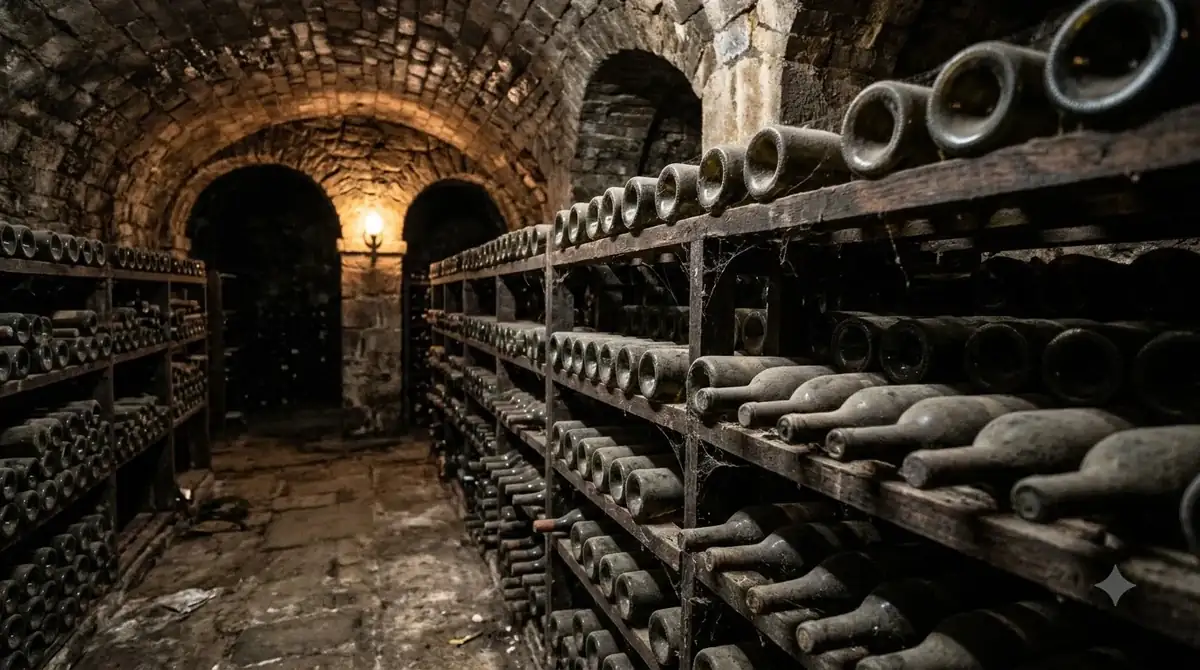
Organic dessert wine should be stored under stable conditions to preserve its fruit, sweetness, and aromatic character. Most bottles should be kept away from direct sunlight, excessive heat, and temperature fluctuations, with the exact aging potential depending on the wine style and producer.
A cool storage environment near 55 degrees Fahrenheit is a useful target for bottles intended for longer storage. Keep cork-finished bottles on their sides when appropriate so the cork remains in contact with the wine. Avoid storing bottles in kitchens, near ovens, or in places that experience repeated temperature changes.
Not every dessert wine improves with extended cellaring. Some aromatic Sauvignon Blanc and Moscato wines are designed to be enjoyed relatively young, while concentrated botrytized wines and certain dried-grape wines can develop more complex flavors over time. Their sugar, acidity, alcohol, and winemaking methods influence their aging potential.
After opening, replace the closure securely and refrigerate the bottle. The following are useful general storage guidelines for opened wine:
- Sweet still white wines: approximately 3–5 days in the refrigerator.
- Sweet still red wines: approximately 3–5 days in the refrigerator.
- Sparkling wines: approximately 1–3 days with a suitable sparkling-wine stopper.
- Fortified dessert wines: several weeks, depending on the style and storage conditions.
These periods are practical estimates, not guarantees. Aromatic wines can lose their freshness before they become unpleasant, while more concentrated or fortified examples may retain their character longer. Keep the bottle cold between servings and minimize exposure to air.
For special bottles intended for a future celebration, consider both the producer’s recommended drinking window and the vintage. A naturally sweet wine does not automatically have unlimited aging potential. Proper storage is important, but the original winemaking style remains the strongest guide to how long a wine should be kept.
Frequently Asked Questions
Is organic dessert wine suitable for vegans?
Not necessarily. Organic certification does not automatically establish whether a wine is vegan. Some wineries use animal-derived fining agents such as egg albumin, gelatin, or casein during clarification. Look for a separate vegan certification or a producer statement confirming that animal-derived processing aids are not used.
Can organic dessert wine be made without added sulfites?
Yes. Some organic producers make sweet wines without adding sulfur dioxide, although fermentation can produce naturally occurring sulfites. Porcellànic describes its natural sweet wine as containing no added sulfites. However, other certified organic dessert wines use sulfur dioxide as part of their production process.
Does organic dessert wine have fewer calories than regular dessert wine?
Not automatically. Calories depend on alcohol content and residual sugar, rather than organic certification. A concentrated dessert wine with substantial residual sugar can contain considerable energy per serving, while a lighter sweet wine may contain less. The alcohol percentage and nutritional information are more useful comparison points than the organic designation.
Can organic dessert wine be made from grapes grown in hot climates?
Yes. Hot and dry growing conditions can encourage grapes to ripen and concentrate their sugars, making certain regions suitable for late-harvest or dried-grape wines. Mediterranean regions such as Penedès in Spain and Crete in Greece demonstrate how local grape varieties and traditional drying methods can contribute to sweet wine production.
What bottle size is commonly used for concentrated dessert wines?
Half-liter bottles are common for some concentrated dessert wines because smaller servings are appropriate for their intensity. For example, Parés Baltà lists Music Blanc in a 500-milliliter format, and Porcellànic also bottles its natural sweet wine in 500-milliliter containers. Other dessert wines are sold in standard 750-milliliter bottles.
Organic dessert wine offers plenty of choice, from refreshing sweet Sauvignon Blanc to rich Chardonnay, botrytized wines, and concentrated red styles. Start with the sweetness and acidity you enjoy, then consider organic certification, grape variety, and the foods you plan to serve. A well-matched bottle can make a fruit tart, cheese course, or chocolate dessert a more memorable part of the meal. Explore our Wine Buying Guides for more help comparing wine styles and choosing bottles with confidence.
More in Wine Buying Guides
 Cheap Red Blend: How to Find a Flavorful Bottle for LessUpdated Nov 20, 2026
 Pinot Grigio Gift: How to Choose a Bottle They’ll EnjoyUpdated Nov 20, 2026
 Best White Wine at Total Wine for Every MealUpdated Nov 20, 2026
 Wine Fridge Replacement Shelves: Find the Right FitUpdated Nov 20, 2026
 Best Sparkling Wine Under 20: Find Bubbles Worth BuyingUpdated Nov 20, 2026
 Best Wine For Birthday Celebrations With Perfect Party PairingsUpdated Nov 20, 2026