

We may earn a commission when you buy through links on this page, at no extra cost to you. Learn more.
Organic Syrah is red wine made from Syrah grapes grown under certified organic farming standards, with its labeling and winemaking practices subject to additional organic regulations. It typically offers the grape’s familiar blackberry, black pepper, plum, and savory flavors, while organic certification describes how the agricultural ingredients are produced and handled. Understanding the difference between organic wine and wine made with organic grapes helps you choose a bottle that matches your preferences.
Syrah is one of the most distinctive red wine grapes, producing everything from peppery, structured wines in France’s Northern Rhône Valley to generous, fruit-forward Shiraz in Australia’s Barossa Valley. Organic versions offer an opportunity to explore these regional differences while paying attention to vineyard management and certification. Whether you prefer a full-bodied red for grilled meat or a more restrained wine for a relaxed dinner, knowing what to look for on the bottle makes buying easier.
What Organic Syrah Means on a Wine Label
Organic Syrah combines a recognizable grape variety with an agricultural production standard. The important distinction is that organic certification describes the farming and handling process, not a particular flavor profile or guaranteed level of wine quality.
Syrah is a dark-skinned grape associated with black fruit, black pepper, and substantial tannin. Its wines can be dry, full-bodied, and intensely flavored, although climate, vineyard conditions, harvest decisions, and cellar techniques influence the finished character. Organic certification does not require a producer to make a lighter, fruitier, or more savory version of the grape.
For American shoppers, the USDA organic labeling system is particularly important. Under its rules, a wine marketed as Organic generally must contain at least 95% certified organic ingredients and meet the applicable organic processing requirements. The grapes must come from qualifying organic production, and the finished wine must satisfy the relevant restrictions on processing materials and additives.
Another category is Made with Organic Grapes. This wording identifies wine produced using certified organic grapes but permits certain additional winemaking practices that do not qualify for the full Organic designation. One important example is the allowance for added sulfur dioxide, subject to a maximum sulfite concentration of 100 parts per million under the applicable USDA requirements.
The distinction matters because the two labels communicate different production standards. A bottle made with organic grapes is not automatically eligible to carry the USDA organic seal. The seal is reserved for qualifying organic categories, and certified grape wines containing added sulfites cannot display it even if their organic ingredient content otherwise meets the percentage requirement.
According to the USDA Agricultural Marketing Service’s organic labeling guidance, imported wines must also comply with the applicable American requirements when sold in the United States. A wine that is certified organic in its country of origin may therefore use different wording on its American-market label.
Organic certification also does not automatically mean that a wine is biodynamic, vegan, natural, or made without every processing aid. These are separate claims that require their own supporting standards or producer information. For buyers, the most useful starting point is to identify exactly which organic claim appears on the bottle rather than assuming all environmentally focused wine labels mean the same thing.
How Organic Syrah Is Grown in the Vineyard
Organic Syrah begins with vineyard management that follows approved organic farming standards rather than relying on conventional synthetic agricultural inputs. Growers pay particular attention to soil management, vegetation, canopy conditions, and disease prevention throughout the growing season.
Grapevines are vulnerable to several environmental pressures, especially fungal diseases in regions that experience humid conditions or frequent rainfall. Powdery mildew, downy mildew, and bunch rot can threaten grape quality and harvest quantities. Organic producers must manage these problems using methods and materials permitted by their certification program.
Instead of depending on conventional synthetic herbicides and fungicides, organic growers may use mechanical weed control, cover crops, careful pruning, canopy management, and approved crop-protection treatments. Copper- and sulfur-based vineyard products are examples of materials that may be permitted under applicable organic standards, although their use is regulated.
Cover crops can be planted between vineyard rows to help manage soil structure, encourage biological activity, and reduce erosion. Depending on the site, growers may select grasses, legumes, or mixed vegetation. These plants can also influence water competition, so vineyard managers must balance their benefits against local rainfall and vine requirements.
Biodiversity is another important consideration. A vineyard with varied vegetation and suitable habitats can support beneficial insects and other organisms that contribute to ecosystem balance. This approach does not eliminate the need for disease prevention, but it can form part of a broader management strategy that reduces pest pressure.
Organic production can be demanding because grape growers have to respond to changing weather and disease risks without using every conventional treatment available. A wet growing season can be particularly challenging. The amount of vineyard labor, the suitability of the site, and the timing of preventive treatments can all affect the final crop.
These farming practices are not unique to Syrah. However, they are especially relevant when evaluating wines from different regions because local climate affects both vineyard management and grape ripening. A dry growing area may present different organic farming challenges from a humid coastal vineyard.
It is also important to distinguish organic certification from a general statement about environmental responsibility. A producer may describe sustainable vineyard practices without holding organic certification. Conversely, a certified organic vineyard must meet formal requirements verified through the applicable certification system.
Flavor, Aroma, and Structure of Organic Syrah
Organic Syrah generally retains the defining characteristics of the Syrah grape: dark fruit, peppery spice, medium-plus to high tannin, and medium acidity. Its precise taste depends much more on growing region, ripeness, fermentation, and maturation than on the organic designation alone.
Blackberry, black plum, black cherry, and blueberry are common fruit references. In cooler or moderate climates, pepper, violet, fresh herbs, and smoky notes may become more noticeable. In warmer climates, the fruit can become riper and richer, with flavors resembling cooked blackberry, plum, licorice, and dark chocolate.
Tannin is an important part of the experience. Syrah commonly has a firm structure that creates a drying sensation along the gums. This structure helps the wine work with grilled meats, rich sauces, and other foods with substantial flavor. Acidity provides freshness and keeps the wine from feeling excessively heavy.
Oak maturation can contribute another layer of complexity. Barrels and other approved oak treatments may add vanilla, toast, smoke, and spice. The amount of oak influence varies considerably: some producers emphasize fresh fruit and savory character, while others favor a richer, more polished style.
Age can also change the wine. A younger Syrah often emphasizes fresh blackberry, plum, and pepper, while bottle development may bring out dried fruit, leather, earth, and additional savory characteristics. The speed of development depends on the wine’s structure, production method, storage conditions, and vintage.
| Characteristic | Typical Syrah profile | What influences it |
|---|---|---|
| Color | Deep ruby to purple | Grape skins and extraction |
| Sweetness | Usually dry | Fermentation and residual sugar |
| Tannin | Medium-plus to high | Skins, seeds, stems, and extraction |
| Acidity | Medium | Climate, ripeness, and harvest timing |
| Body | Medium-full to full | Alcohol, ripeness, and winemaking |
| Alcohol | Varies by region and producer | Grape ripeness and fermentation |
| Common fruit | Blackberry and plum | Variety and growing conditions |
| Common spice | Black pepper and licorice | Climate and grape expression |
These characteristics provide a useful starting point rather than a guarantee for every bottle. A cooler-climate Syrah can be more restrained and peppery, while a warm-climate Shiraz may have a broader, richer impression. Both can be made using certified organic grapes.
Organic certification alone does not guarantee superior aroma, greater complexity, or a particular level of tannin. The producer’s decisions and the quality of the grapes remain central to the final result. For shoppers comparing bottles, regional origin and the producer’s style are useful clues alongside the organic claim.
Best Regions to Find Organic Syrah
Organic Syrah can come from several important wine-producing countries, and the best region depends on whether you prefer peppery, savory reds or richer, fruit-driven Shiraz. France, Australia, the United States, and South Africa offer useful regional styles to explore.

Northern Rhône, France
The Northern Rhône is the classic reference point for Syrah. Appellations such as Côte-Rôtie, Hermitage, Cornas, and Crozes-Hermitage are associated with wines that emphasize dark fruit, pepper, structure, and savory complexity.
Côte-Rôtie is known for steep vineyard slopes and concentrated wines. Hermitage is another prestigious appellation, while Crozes-Hermitage provides a broader range of styles and generally more accessible alternatives. These wines can show blackberry, violet, black pepper, and smoky or earthy notes.
When shopping for organic examples, pay attention to the producer’s certification and the precise label wording. The region itself does not automatically indicate organic farming. A bottle from the Northern Rhône must still meet the applicable organic requirements to make a qualifying organic claim.
Australia
Australia commonly uses the name Shiraz for this grape. Barossa Valley is particularly associated with ripe, full-bodied wines featuring blackberry, plum, licorice, dark chocolate, and oak-derived vanilla or smoke.
Other Australian regions offer different expressions. Cooler growing areas can produce more restrained wines with fresher fruit and pronounced pepper. The broader Australian Shiraz category therefore includes a range of styles rather than one uniform flavor profile.
United States
California and Washington State are two useful American regions to explore. California Syrah can range from ripe and generous to savory and restrained depending on the vineyard location and winemaking approach.
Washington Syrah is often associated with dark fruit and peppery character, although individual growing sites and vintage conditions make a difference. Organic certification is producer-specific, so buyers should distinguish regional origin from the actual farming claim.
South Africa
South Africa is another important source of Syrah. Swartland and Stellenbosch are among the regions worth exploring for different expressions of the grape. Depending on the vineyard and production choices, wines can combine dark berries, pepper, herbs, and savory complexity.
For international bottles, certification arrangements and American import labeling matter. Organic claims made in another country do not automatically translate into identical wording on a US retail label. Buyers should look for the certification details and the claim approved for the American market.
How to Choose the Right Organic Syrah
The best way to buy organic Syrah is to consider three things together: the certification wording, the region, and the wine style you enjoy. This makes it easier to compare bottles without assuming that every organic wine will taste alike.
Start by identifying whether the bottle says Organic or Made with Organic Grapes. These claims have different meanings under American labeling rules. The first generally involves stricter restrictions on added sulfites, while the second allows certain additional winemaking practices within the applicable limits.
Next, consider the regional style. A Northern Rhône Syrah is a good starting point if you prefer black pepper, herbs, firm structure, and savory flavors. Barossa Shiraz is a more suitable direction if you like ripe blackberry, plum, sweet spice, and a fuller impression.
Think about the role of oak as well. Oak-aged Syrah can show vanilla, toast, and smoke, while wines with less oak influence may emphasize fruit and pepper. Neither approach is inherently better. The right choice depends on whether you prefer a more fruit-focused wine or additional maturation character.
Blends are another useful option. Syrah is often combined with Grenache and Mourvèdre, particularly in southern French styles. Grenache contributes fruit and a softer impression, while Syrah contributes color and structure. A blend can be a good choice if you enjoy Syrah’s flavors but want a different balance.
Look for reliable certification information rather than relying on attractive words or natural-looking packaging. Organic certification should be supported by an appropriate certification statement or qualifying label. A producer’s website may also explain vineyard practices, certification bodies, and the handling of the finished wine.
Tip: Compare two organic Syrah bottles from different climates rather than choosing solely by the word organic. A peppery Northern Rhône wine and a fruit-rich Barossa Shiraz can show how strongly climate and winemaking influence the same grape variety.
Finally, consider the occasion. A structured Syrah with firm tannin can be particularly satisfying alongside a substantial dinner, while a fresher, more restrained example may be easier to enjoy with lighter grilled dishes. If you are exploring other organic styles, organic Merlot offers a useful comparison because Merlot generally has softer, more moderate tannin.
Food Pairings and Serving Organic Syrah
Organic Syrah pairs especially well with grilled meats, roasted vegetables, lamb, and dishes featuring herbs or smoky seasonings. Its dark fruit, acidity, and substantial tannin provide enough structure to complement foods with rich flavors.
Grilled lamb is a classic pairing. The savory character of the meat works with Syrah’s pepper and dark fruit, while rosemary, thyme, and garlic can echo the wine’s herbal notes. Roasted beef and grilled steak are also reliable choices, particularly with a wine that has firm tannin and noticeable oak.
Barbecue is another strong match. Smoky ribs, grilled sausages, and charred vegetables can complement the wine’s savory character. A warmer-climate Shiraz with ripe fruit is particularly useful with barbecue sauces that have a slightly sweet profile.
For vegetarian meals, consider grilled eggplant, roasted mushrooms, lentils, and dishes with herbs and roasted spices. The savory flavors of mushrooms and roasted vegetables can complement Syrah without requiring meat. Rich sauces and moderate amounts of fat can also soften the impression of tannin.
However, not every strongly flavored dish is a good match. Very hot chili sauces can make alcohol and tannin seem more aggressive. Oily fish can also clash with a highly tannic red. For seafood, a fresher white wine or a lighter red with less tannin is often a better direction.
Temperature is important because serving a full-bodied red too warm can make the alcohol seem more prominent. A practical serving range for full-bodied reds is 60-65 degrees Fahrenheit. Lighter red styles can be served cooler, around 55-60 degrees Fahrenheit.
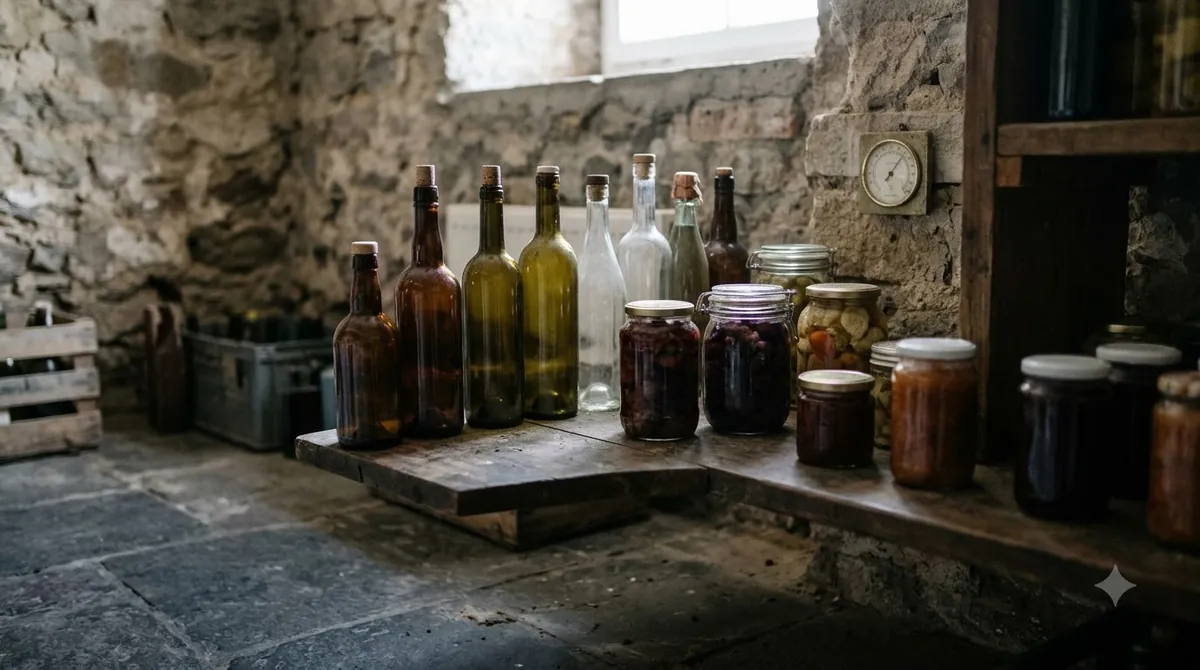
For an unopened bottle, store the wine in a cool, dark place with a relatively stable temperature. A storage temperature near 55 degrees Fahrenheit is a useful target. Bottles sealed with natural cork are generally stored on their sides to help keep the cork from drying out.
Once opened, an ordinary still Syrah can generally remain enjoyable for approximately three to five days when properly recorked and refrigerated. Oxygen gradually changes the wine, so resealing the bottle promptly helps preserve its aromas and flavors.
Serve a standard five-ounce pour in an appropriately sized red wine glass. A young, full-bodied Syrah can benefit from approximately 30-60 minutes of decanting, particularly when its tannins are firm or its aromas seem restrained. Older bottles may need more careful handling because excessive aeration can diminish delicate developed aromas.
For more pairing ideas and practical buying advice, explore our Wine Buying Guides. If you enjoy a sweeter red style rather than a dry, tannic Syrah, organic sweet red wine offers a different approach to fruit and sweetness. Organic certification is available across several wine styles, including options such as organic Moscato.
Frequently Asked Questions
Is organic Syrah always dry?
Most traditional Syrah and Shiraz wines are made in a dry style, with little residual sugar. However, sweetness is a winemaking decision rather than a requirement of organic certification. Some producers can make wines with a noticeable touch of residual sugar while still following the applicable organic production rules.
Does organic Syrah contain fewer calories than conventional Syrah?
Organic certification does not establish a lower calorie content. Alcohol concentration and residual sugar are more relevant when comparing the nutritional composition of two wines. Two Syrah bottles made using different farming systems can have similar alcohol levels and nutritional characteristics.
Is organic Syrah suitable for vegans?
Not automatically. Some winemaking operations use animal-derived fining materials, including egg white, gelatin, or casein, which may make a finished wine unsuitable for vegans. Vegan certification or a clear statement from the producer is a better way to establish whether a particular bottle meets vegan requirements.
Can organic Syrah be aged for several years?
Yes, some examples can develop positively over several years, especially wines with concentrated fruit, firm tannins, and balanced acidity. Premium Syrah from Hermitage, Côte-Rôtie, and Barossa can have meaningful aging potential, depending on the producer and vintage. Organic certification itself does not determine how long a wine will age successfully.
Is organic Syrah the same as biodynamic Syrah?
No. Organic certification and biodynamic certification are distinct production systems. Biodynamic agriculture incorporates additional vineyard-management principles and may involve a separate certification program, such as Demeter. A wine can be certified organic without being biodynamic, and the two claims should not be treated as interchangeable.
Organic Syrah combines the distinctive dark fruit, pepper, and structure of the Syrah grape with certified organic production practices. Understanding the difference between Organic and Made with Organic Grapes labels, along with regional styles from France, Australia, and beyond, makes choosing a bottle much easier. Start with the flavor profile you enjoy, verify the certification claim, and pair the wine with food that complements its tannin and richness.
More in Wine Buying Guides
 Cheap Red Blend: How to Find a Flavorful Bottle for LessUpdated Nov 20, 2026
 Pinot Grigio Gift: How to Choose a Bottle They’ll EnjoyUpdated Nov 20, 2026
 Best White Wine at Total Wine for Every MealUpdated Nov 20, 2026
 Wine Fridge Replacement Shelves: Find the Right FitUpdated Nov 20, 2026
 Best Sparkling Wine Under 20: Find Bubbles Worth BuyingUpdated Nov 20, 2026
 Best Wine For Birthday Celebrations With Perfect Party PairingsUpdated Nov 20, 2026