

We may earn a commission when you buy through links on this page, at no extra cost to you. Learn more.
Franciacorta wine is a dry sparkling wine from Lombardy in northern Italy, made with the traditional method used for Champagne. It is usually based on Chardonnay and Pinot Noir, with Pinot Bianco also allowed. Wine Folly describes it as dry and light-bodied with high acidity, showing lemon, peach, white cherry, almond, and toast. Serve it between 3 and 7°C (38 and 45°F) in a flute.
Many American wine drinkers know Franciacorta as the Italian sparkling that competes with Champagne on quality but sells at a different price point. It comes from a small area near Lake Iseo, and its style reflects the grapes and methods that define the region. This guide covers where Franciacorta is made, how it is produced, what it tastes like, and how to choose and serve a bottle.
Where Franciacorta Is Made
Franciacorta is named after its home area in the province of Brescia, in Lombardy. The vineyards sit south of the Alps along the shore of Lake Iseo, within reach of Milan. The area’s relatively small size is part of its character, and many of its producers are family-run estates that make and bottle their own wines. That close link between vineyard and cellar is one reason the wines can taste so distinct from one producer to the next.
Wine Folly describes Franciacorta as a regional sparkling wine from northern Italy, a useful reminder that the name refers to a specific place rather than a general style. Like Champagne, the name is protected, so a sparkling wine from elsewhere in Italy will not carry the Franciacorta label.
How Franciacorta Is Made
Franciacorta is made with the same method used for Champagne. The wine is fermented once, then a second fermentation takes place inside the bottle, which creates the bubbles. The wine then rests on its lees, the spent yeast cells, for a period that adds texture and toasty flavor.
The grapes are the same as Champagne’s, with Pinot Bianco added. In practice, that means Chardonnay and Pinot Noir form the core, and Pinot Bianco can add a softer, more floral note. Winemakers blend the varieties in different proportions, which is why two Franciacorta bottles can taste quite different.
What Franciacorta Tastes Like
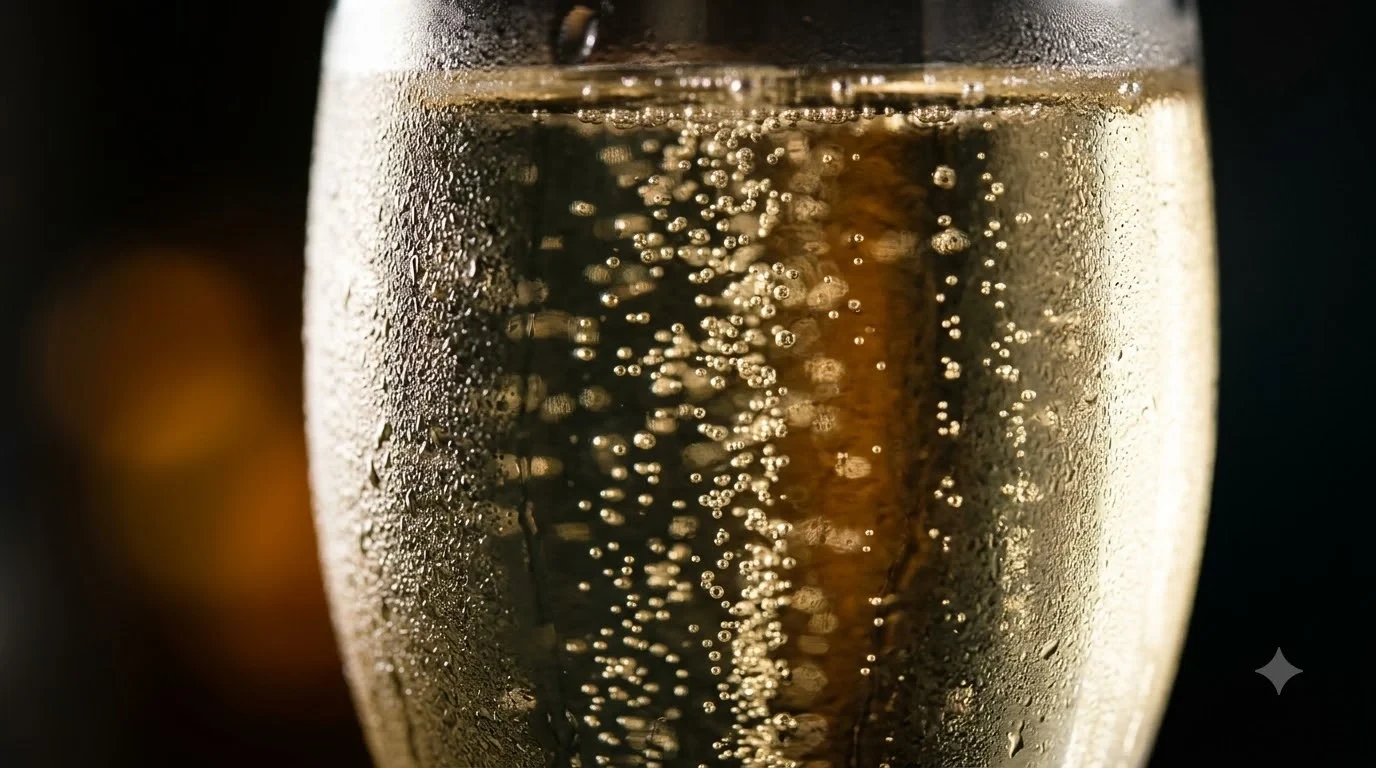
Franciacorta is dry, with a light body and high acidity. The Wine Folly guide to Franciacorta lists its main flavors as lemon, peach, white cherry, almond, and toast. The bubbles are fine and persistent, and the finish is clean, which makes the wine easy to enjoy as an aperitif.
The toasty and nutty notes come from lees aging, which is why older bottles often taste richer. A young Franciacorta is brighter and fruitier. An older one leans toward baked apple, brioche, and a creamy texture, while keeping the acidity that holds it together.
| Quality | What to expect | Best moment |
|---|---|---|
| Young Franciacorta | Bright lemon and peach, crisp finish | Aperitif, seafood, fried snacks |
| Aged Franciacorta | Toast, almond, creamy texture | Special dinners, roast chicken |
| Rosé styles | Red berry, dry, lively bubbles | Summer lunches, charcuterie |
How to Serve Franciacorta
Temperature makes a difference. Wine Folly suggests serving Franciacorta at 3 to 7°C (38 to 45°F). That range keeps the bubbles fine and the acidity crisp, while still letting the aromas show. A bottle that is too cold will taste shut, and one that is too warm will lose its lift quickly.
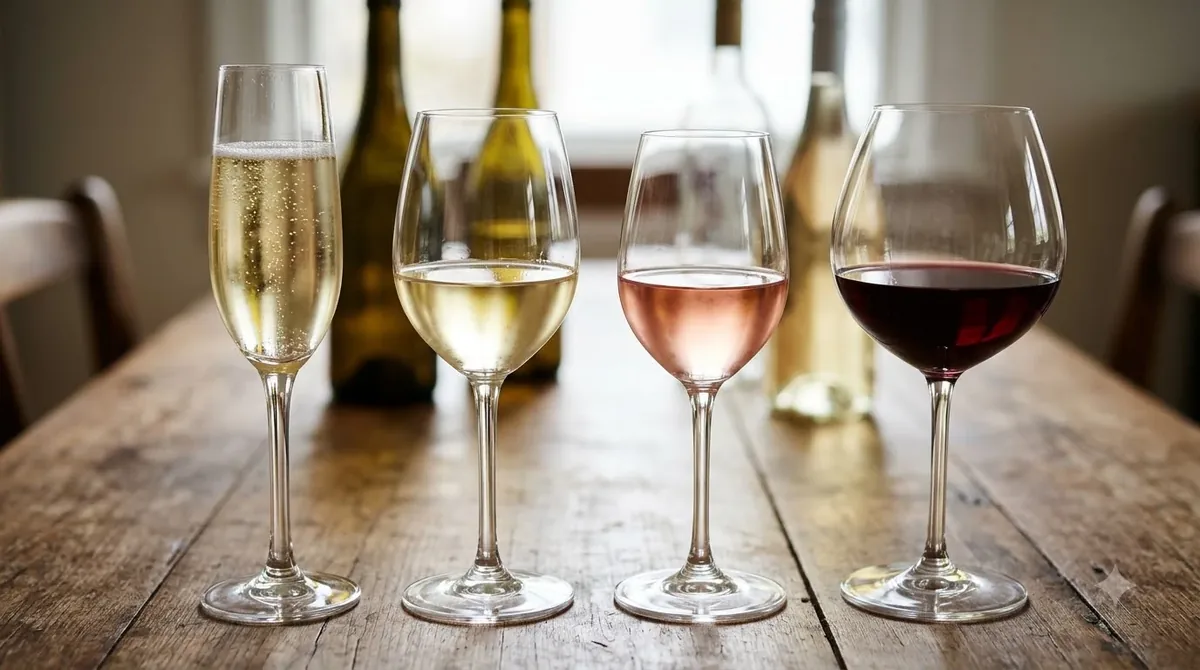
A flute preserves the bubbles and concentrates the aroma, which is the standard choice. Some drinkers prefer a tulip-shaped glass, which shows more of the wine’s toasty character. Decanting is not needed, and the wine is best poured soon after opening. Once a bottle is open, a sparkling stopper can hold some of the fizz for a short time, though the wine is at its best soon after opening.
Pour gently down the side of the glass to limit the foam. Leave some room at the top of the flute so the aroma can gather and the wine does not lose its bubbles too quickly.
Tip: Chill the bottle for at least two hours in the refrigerator before serving. A bucket of ice and water works faster if you are in a hurry.
Food Pairings for Franciacorta
Franciacorta is versatile at the table. Its acidity and bubbles cut through rich foods, so it works with fried snacks, creamy cheeses, and salty dishes. Seafood such as oysters, grilled shrimp, and crab is a natural match, as is a simple plate of prosciutto and melon.
Aged Franciacorta can handle heavier dishes. Roast chicken, risotto with butter and herbs, and mushroom dishes all suit a wine with toasty depth. The bubbles refresh the palate between bites, which is why sparkling wine is so often served with a full meal.

How to Choose a Franciacorta Bottle
Start with the style. Franciacorta is usually made in a dry style, but labels may also describe a softer sweetness level, a rosé made from Pinot Noir, or a vintage bottle from a single year. Read the back label for the producer’s description of the blend and the time on lees.
Think about when you plan to drink it. Wine Folly recommends cellaring Franciacorta for five to ten years, which means some bottles will reward patience. A younger bottle is a good choice for a party or a celebration, while an older vintage suits a long dinner where the wine can be the centerpiece.
Franciacorta and Other Sparkling Wines
Franciacorta is often compared with Champagne because both use the same method and similar grapes. The main difference is the place and the producers’ house style. A bottle of Chardonnay-based sparkling wine from Lombardy will taste different from one made in Champagne, even though the core process is the same.
For shoppers who like a crisp white, Franciacorta offers a way to try the Italian approach without leaving the sparkling category. Many people who enjoy Champagne’s style find that Franciacorta offers a similar structure with a warmer, more fruit-driven character, and it often works well in the same settings, from weddings to casual brunches. If you enjoy the citrus and toast of a good sparkling wine, it is worth a try alongside other styles.
Frequently Asked Questions
Is Franciacorta the same as Prosecco?
No. Prosecco is made mainly from Glera and usually uses a different, faster method. Franciacorta uses the traditional method with a second fermentation in the bottle, and it is made from Chardonnay, Pinot Noir, and Pinot Bianco.
Is Franciacorta sweet or dry?
Franciacorta is usually dry. Wine Folly describes it as dry, light-bodied, and high in acidity, with bright citrus and toasty notes.
How should Franciacorta be served?
Serve it chilled, between 3 and 7°C (38 and 45°F), in a flute or tulip glass. It does not need decanting, and it is best poured soon after opening.
Can Franciacorta age?
Yes. Wine Folly suggests cellaring it for five to ten years. Lees aging adds toasty, creamy flavors over time, so an older bottle often tastes richer than a young one.
Franciacorta is an excellent sparkling wine for a celebration or an everyday aperitif. Learn the basics of its grapes and method, serve it cold, and pair it with seafood or simple roast dishes. Once you know what the label means, choosing a bottle becomes much easier, and a well-made Franciacorta can be the highlight of an evening. Take your time with the first glass, notice how the bubbles and the toast change as the wine warms slightly, and you will quickly see why many people treat it as a serious sparkling wine rather than a casual one. For a wider view of the grapes behind sparkling and still wines, see our guide to wine by type.
More in Wine Types & Grapes
 Zinfandel Sugar Content: Dry Red vs. White Zinfandel GramsUpdated Nov 21, 2026
 Best Zinfandel Substitute Options for Sipping and CookingUpdated Nov 21, 2026
 Zweigelt Food Pairing: Best Dishes, Cheeses, and Serving TipsUpdated Nov 21, 2026
 Zinfandel Tannins Explained: How Structure Shapes Every BottleUpdated Nov 21, 2026
 Zinfandel Sweetness Level: Dry Red vs. Sweet White Zin ExplainedUpdated Nov 21, 2026
 Xinomavro Food Pairing: Best Dishes, Styles, and Serving TipsUpdated Nov 21, 2026