


We may earn a commission when you buy through links on this page, at no extra cost to you. Learn more.
Low sugar cava is Spanish sparkling wine labeled Brut Nature or Extra Brut, with no more than 6 grams of residual sugar per liter. Brut Nature is the driest option, containing less than 3 grams per liter and receiving no added sugar after its second fermentation. Extra Brut contains up to 6 grams per liter and offers a slightly softer alternative. Both styles deliver the crisp acidity, fine bubbles, and traditional bottle fermentation that make Cava a versatile choice for meals and celebrations.
Choosing sparkling wine by sweetness can be confusing because terms such as Brut, Extra Dry, and Sec describe different sugar levels. Cava makes the decision easier once you understand its labeling system. Instead of relying on vague descriptions such as crisp, refreshing, or dry, you can use the official sweetness classifications to compare bottles. Understanding residual sugar, dosage, grape varieties, aging, and serving temperature helps you find a Spanish sparkling wine that suits your preferences without sacrificing flavor or food compatibility.
What Makes Cava a Low-Sugar Sparkling Wine?
Cava is a Spanish sparkling wine made using the traditional method, in which the second fermentation takes place inside the bottle. Its naturally lively acidity and dosage choices allow producers to create everything from extremely dry Brut Nature to noticeably sweet Dulce styles. For shoppers seeking less sweetness, the two most useful classifications are Brut Nature and Extra Brut.
The production process begins with still base wine made from authorized grape varieties. After blending, the producer adds yeast and a measured amount of fermentable sugar before bottling the wine. This mixture, called tirage liqueur, starts a second fermentation inside the sealed bottle. Yeast converts the added sugar into alcohol and carbon dioxide, producing the bubbles associated with traditional-method sparkling wine.
After fermentation, the wine rests on its lees, which are the spent yeast cells left inside the bottle. This contact contributes texture and additional aromas. Depending on the wine’s aging period, the resulting flavors can include citrus, apple, toasted bread, almond, and pastry. Cava is therefore more than a simple sparkling wine with a dry finish; its production method can provide complexity even when the final sugar content is very low.
The final sweetness category depends primarily on dosage. Following riddling and disgorgement, the producer removes accumulated yeast sediment from the bottle. The liquid lost during this operation is replaced with expedition liqueur, known in Spanish as licor de expedición. This mixture commonly contains wine and sugar, although producers can use different formulations. The amount of sugar in the finished wine determines its sweetness classification.
According to the Cava Regulatory Council, the traditional method is required for Cava production. The minimum aging period for standard Cava de Guarda is 9 months, while Reserva requires at least 15 months and Gran Reserva at least 30 months under the classification described by the council.
These aging requirements matter because low sugar does not automatically mean simple or one-dimensional wine. A Brut Nature Reserva can offer greater complexity than a younger sparkling wine while retaining a very dry profile. For shoppers, this means sweetness and aging are two separate characteristics worth considering together.
Brut Nature vs. Extra Brut vs. Brut: Sugar Levels Explained
Brut Nature and Extra Brut are the first two classifications to consider when looking for low-sugar Cava. Brut is another reasonable choice for shoppers who prefer a slightly rounder sparkling wine. The official classifications make it possible to compare these styles using grams of residual sugar per liter rather than relying on marketing descriptions.
The Cava Regulatory Council provides seven principal sweetness categories. The following figures show the standard sugar ranges and their practical importance when selecting a bottle.
| Cava classification | Residual sugar per liter | Sweetness profile |
|---|---|---|
| Brut Nature | Less than 3 g/L | Extremely dry |
| Extra Brut | 0–6 g/L | Very dry |
| Brut | Maximum 12 g/L | Dry |
| Extra Seco | 12–17 g/L | Lightly sweet |
| Seco | 17–32 g/L | Noticeably sweeter |
| Semi Seco | 32–50 g/L | Sweet |
| Dulce | More than 50 g/L | Very sweet |
Brut Nature is the strongest starting point if minimizing residual sugar is your priority. Its sugar content must remain below 3 grams per liter, and producers cannot add sugar through the expedition liqueur after the second fermentation. Naturally occurring residual sugar may still be present, so the classification does not mean that the wine contains absolutely no sugar.
Extra Brut offers another excellent option. Its maximum is 6 grams per liter, giving producers slightly more flexibility with dosage. Some Extra Brut bottles can contain less sugar than some bottles labeled Brut Nature because their permitted ranges overlap. The label identifies a classification, not necessarily the precise laboratory measurement of every bottle.
Brut is generally suitable for shoppers who want a dry sparkling wine without the particularly austere impression that some zero-dosage wines can produce. Its permitted maximum is 12 grams per liter. The actual sugar content can vary considerably between producers, making the Brut designation less precise for someone who wants the lowest possible amount.
Extra Seco, Seco, Semi Seco, and Dulce move progressively toward sweeter styles. Despite its name, Extra Seco contains more sugar than Brut. This is a common source of confusion for American shoppers who assume that extra dry must mean less sweet than dry.
Tip: Start with Brut Nature if you want the driest available Cava style. Choose Extra Brut if you prefer very dry sparkling wine with a little more flexibility in the producer’s dosage. Do not assume that Extra Seco is drier than Brut.
How Much Sugar Is in a Glass of Cava?
A bottle’s residual sugar concentration is easier to understand when converted into a typical serving. A standard 750 ml bottle contains five 5-ounce glasses, making it possible to estimate how much residual sugar is present in each pour. Brut Nature and Extra Brut generally provide very small amounts compared with sweeter sparkling wine classifications.
To calculate the approximate sugar in a serving, multiply the grams per liter by the serving volume in liters. A 5-ounce pour is approximately 148 milliliters, or 0.148 liters. The result is an estimate because the precise concentration within each classification can vary.
| Style | Maximum sugar concentration | Approximate maximum per 5 oz |
|---|---|---|
| Brut Nature | 3 g/L | 0.44 g |
| Extra Brut | 6 g/L | 0.89 g |
| Brut | 12 g/L | 1.78 g |
| Extra Seco | 17 g/L | 2.52 g |
| Seco | 32 g/L | 4.74 g |
| Semi Seco | 50 g/L | 7.40 g |
These calculations use the upper boundary of each category and a 148 ml serving. The Brut Nature calculation uses 3 grams per liter as a reference ceiling, although its actual classification requires less than that amount. The Dulce category has no stated upper limit in the classification, so a single maximum serving estimate cannot be provided.
Consider a bottle containing 4 grams of residual sugar per liter. A 5-ounce serving would contain approximately 0.59 grams of residual sugar. Five such servings would account for approximately 2.96 grams across the bottle. This illustrates why Extra Brut is an attractive choice for shoppers seeking a very dry sparkling wine.
It is important to distinguish residual sugar from total carbohydrate content and other nutritional information. Residual sugar describes the glucose and fructose remaining in the finished wine. It does not independently provide a complete nutritional profile. Fermentation, alcohol, and other wine components also contribute to the finished product.
Another important point is that a wine’s sweetness classification is not a precise measurement of its calories. Two bottles with the same residual sugar concentration can have different alcohol levels and other compositional characteristics. For a buying decision based specifically on sugar, the grams-per-liter classification is the more useful starting point.
Grapes, Acidity, and Flavor in Dry Spanish Cava
Low-sugar Cava gets much of its character from grape selection, natural acidity, and bottle aging. Traditional varieties such as Macabeo, Xarel-lo, and Parellada provide different elements of the finished blend. Their combination can produce a lively sparkling wine with citrus, green apple, herbal, mineral, and subtle toasted notes.
Macabeo, also known as Viura, is an important traditional white variety. It contributes aromatic freshness and fruit character. Depending on the wine, its flavors may suggest apple, pear, or delicate floral notes. Its relatively approachable character makes it useful in blends intended to be fresh and balanced.
Xarel-lo contributes body and structure. It is an important variety for producers seeking a wine with sufficient character to develop during bottle aging. Its profile can include herbal, citrus, and earthy impressions. In a very dry Cava, this structural contribution helps prevent the wine from seeming thin simply because little dosage has been added.
Parellada is associated with freshness, finesse, and acidity. It can contribute delicate fruit and floral characteristics that complement the other traditional grapes. The balance between these varieties is one reason that Cava can taste lively and complete even when its residual sugar is low.
Other authorized varieties, including Chardonnay, can also appear in Cava blends. Rosé Cava can use authorized red varieties such as Garnacha, Monastrell, Trepat, and Pinot Noir. These grapes contribute different fruit and structural characteristics, so a rosé Cava can have a different flavor profile from a traditional white bottling without necessarily containing more sugar.
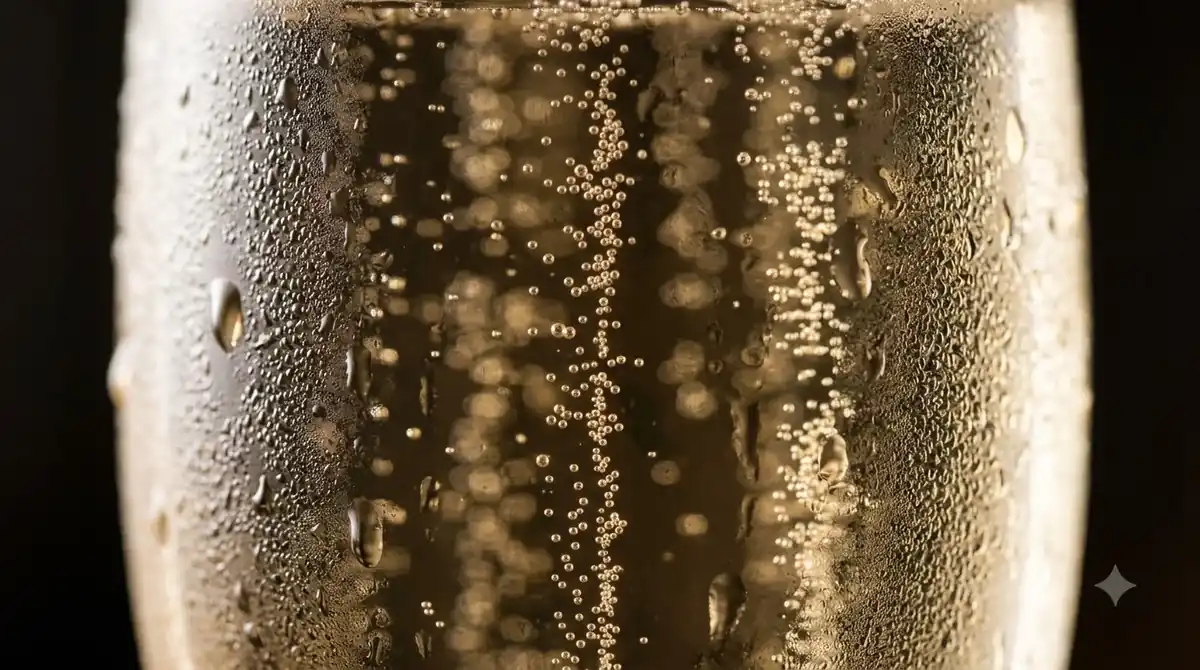
Acidity is especially important in dry sparkling wine. It creates freshness and helps balance the perception of fruit and dosage. A Cava with high acidity can seem sharper than a softer sparkling wine with the same residual sugar concentration. This is why two bottles within the same classification may not taste equally sweet.
Lees aging adds another layer of complexity. During the resting period, spent yeast cells undergo autolysis, a process that can contribute aromas reminiscent of bread, pastry, nuts, and brioche. Longer aging can produce a richer texture and more developed aromas without requiring additional sugar.
For shoppers, a useful comparison is a young Brut Nature against a Gran Reserva Brut Nature. Both can be extremely dry, but the older wine may offer more developed savory and toasted characteristics. The classification describes sweetness, while the aging designation helps explain another dimension of the wine’s style.
How to Choose the Right Bottle of Low-Sugar Cava
The best bottle depends on how dry you want your sparkling wine, how much complexity you enjoy, and what you plan to serve with it. Begin with the sweetness classification, then consider aging, grape varieties, and whether you prefer white or rosé Cava. These details help narrow the selection without treating all dry sparkling wines as interchangeable.
For the lowest residual sugar, look for Brut Nature. This category is especially suitable for people who enjoy crisp, direct sparkling wine with a pronounced impression of freshness. The lack of added sugar allows the base wine’s acidity, fruit, and mineral characteristics to take center stage.
Extra Brut is a practical choice if you want a very dry bottle with slightly greater stylistic flexibility. Some producers use a small dosage to soften the wine’s edges while maintaining a dry overall profile. This can be helpful when serving a range of dishes or introducing guests to particularly dry sparkling wines.
Brut may be the better choice if you dislike extremely sharp wines. Its higher permitted sugar limit allows producers to create a rounder mouthfeel. However, shoppers who are specifically comparing sugar levels should understand that Brut can contain considerably more residual sugar than Brut Nature.
Aging categories provide another useful buying clue:
- Cava de Guarda: At least 9 months of aging. These wines are often suitable when you want fresh fruit and lively bubbles.
- Cava Reserva: At least 15 months of aging under the classification described by the Cava Regulatory Council. Expect the possibility of more developed lees-related character.
- Cava Gran Reserva: At least 30 months of aging. These bottles can offer greater aromatic and textural complexity.
These categories describe aging rather than sugar. A Gran Reserva is not automatically drier than a standard Cava de Guarda. Look for Brut Nature or Extra Brut alongside the aging designation if you want both extended bottle aging and a low residual sugar concentration.
Producer information can also help. Some wineries emphasize fresh citrus and floral character, while others focus on longer lees aging and a more developed savory profile. Comparing the grape varieties, production details, and sweetness classification is more informative than relying on front-label descriptions such as elegant or premium.
Rosé Cava deserves consideration, too. Its pink color comes from the use of authorized red grape varieties and winemaking choices, not from an automatic increase in sugar. A Brut Nature or Extra Brut rosé can be an excellent alternative for shoppers who prefer red-fruit aromas while keeping the sweetness level low.
For a broader comparison of wine styles and shopping considerations, explore our Wine Buying Guides. Readers comparing other wine categories may also find our guides to low sugar rose and low sugar moscato useful. These styles have different grape characteristics and sweetness profiles, so the best choice depends on the experience you want from the glass.

Food Pairings and Serving Temperature for Low-Sugar Cava
Low-sugar Cava works particularly well with salty, rich, fried, and seafood-based dishes. Its acidity refreshes the palate, while its bubbles help provide contrast with creamy or oily textures. Brut Nature is particularly useful with oysters and simply prepared seafood, while Extra Brut can accommodate richer dishes and tangy cheeses.
For seafood, consider oysters, shrimp, scallops, crab, and grilled white fish. The fresh character of a dry Cava complements delicate seafood flavors without introducing substantial sweetness. Raw oysters are a classic option, especially with Brut Nature. Extra Brut is another good match for seafood with citrus-based sauces or richer preparations.
Fried foods also make excellent partners. Spanish-style croquetas, fried calamari, tempura vegetables, and fried chicken offer salty, crisp textures that contrast with sparkling wine’s acidity and carbonation. The same principle works with potato chips, salted almonds, and other savory appetizers.
Cheese provides another useful pairing opportunity. Manchego, aged Gouda, Parmesan, and tangy goat cheese can work well with dry Cava. Salt and fat help soften the impression of tannin in wines, although Cava generally has very little tannin compared with red wine. The acidity and bubbles provide the more important contrast in these combinations.
For main courses, consider roast chicken, seafood paella, grilled vegetables, mushroom dishes, and creamy risotto. A Reserva or Gran Reserva Brut Nature may be particularly interesting with dishes containing roasted ingredients because its developed bread and nut aromas can complement the food’s savory character.
Be more careful with strongly spicy dishes. Alcohol and tannin can amplify chili heat, while the dryness of Brut Nature may make some spicy preparations feel particularly intense. If a dish contains substantial chili, a slightly softer Brut or a more fruit-forward Extra Brut may offer a more comfortable pairing. Food with noticeable sweetness also generally works better with a wine that is at least as sweet as the dish.
Serving temperature is equally important. Sparkling wine should generally be served between 40 and 50 degrees Fahrenheit. This range preserves freshness, helps maintain the bubbles, and keeps the alcohol from becoming too prominent. Extremely cold temperatures can hide subtle aromas, while warm Cava may seem less refreshing and more alcoholic.
Use a refrigerator or an ice bucket to chill the bottle before serving. If using an ice bucket, a mixture of ice and water provides more consistent contact with the bottle than ice alone. Avoid leaving the bottle in the freezer for an extended period because forgotten sparkling wine can freeze and create pressure-related problems.
Once chilled, open the bottle carefully by holding the cork and turning the bottle slowly. Keep the cork pointed away from people and breakable objects. A controlled release helps preserve carbonation and avoids unnecessary spills. Pour approximately 5 ounces into each glass, leaving enough room to appreciate the aromas and bubbles.
After opening, replace the sparkling wine stopper and refrigerate the bottle. Sparkling wine generally keeps its best character for approximately 1–3 days under refrigeration, although carbonation and freshness decline over time. A dedicated sparkling-wine stopper can help preserve the remaining bubbles.
How Low-Sugar Cava Compares With Other Sparkling Wines
Cava competes with Champagne, Prosecco, and other sparkling wines, but its traditional production method gives it a distinctive position. Understanding the difference between production methods and sweetness labels helps shoppers avoid assuming that all dry sparkling wines have the same flavor or sugar concentration.
Champagne and Cava both use the traditional method, meaning their second fermentation takes place in the bottle. This creates bubbles through fermentation rather than by injecting carbon dioxide into the finished wine. Both styles can develop additional complexity through lees contact and bottle aging.
Prosecco is generally produced using the tank method, in which the second fermentation takes place in a pressurized tank. Its main grape is Glera, and it typically has an alcohol content around 11–12% ABV. The tank method helps preserve fresh fruit aromas and produces a different overall style from traditional-method Cava.
Sweetness labels can also be confusing across sparkling wine regions. Brut Nature and Extra Brut generally indicate very dry styles, while Brut allows a higher residual sugar concentration. Extra Dry, despite its name, is sweeter than Brut. Wine Enthusiast explains this distinction in its guide to sparkling wine sweetness levels.
Another useful difference concerns the role of acidity. A sparkling wine with lively acidity may taste less sweet than a wine with the same residual sugar but softer acidity. This means that sweetness perception depends on more than the grams-per-liter figure alone. The grape varieties, alcohol, serving temperature, and dosage all influence the final impression.
Cava is particularly interesting for shoppers who appreciate traditional-method production but want to explore Spanish grapes and regional character. Its combination of Macabeo, Xarel-lo, and Parellada can provide citrus, herbal, and savory notes that differ from the more familiar Champagne grape combinations.
Rosé Cava adds another dimension. It can offer strawberry, raspberry, and cherry impressions while maintaining a dry finish. For shoppers who want something different from white sparkling wine, Brut Nature rosé provides an option that combines red-fruit character with a low residual sugar classification.
The most important buying principle is to compare sweetness separately from production method and grape variety. A dry Prosecco, a Brut Nature Cava, and a Brut Champagne can all offer refreshing experiences, but they are not interchangeable in texture, aroma, or production. Choosing according to the label’s sweetness category is a reliable first step, while regional style and aging help refine the decision.
Frequently Asked Questions
Is low sugar Cava suitable for making mimosas?
Yes. Brut Nature and Extra Brut Cava work well in mimosas because their dry profiles provide contrast with orange juice. A 3-ounce pour of Cava combined with 2 ounces of orange juice creates a balanced starting ratio. Freshly squeezed juice generally provides a different flavor from packaged juice, so adjust the proportions according to the sweetness of the fruit.
Does Cava contain natural sugar from grapes?
Yes. Grapes naturally contain fermentable sugars, which yeast converts into alcohol during fermentation. A finished wine can retain a small amount of natural residual sugar even when the producer adds no sugar through dosage. This is why Brut Nature does not mean chemically sugar-free.
Can Cava be vintage dated?
Yes. Cava can be produced as a vintage wine using grapes from a designated harvest year. Vintage information can help shoppers understand the origin of the fruit and the wine’s production history. A vintage designation does not determine the sweetness category, so a vintage Cava can still be Brut Nature, Extra Brut, or Brut.
What does disgorgement mean on a Cava production description?
Disgorgement is the process of removing the accumulated yeast sediment after bottle aging. Producers typically collect the sediment in the neck through riddling before removing it. The bottle is then topped up with expedition liqueur, which determines the final dosage and sweetness classification.
Can low-sugar Cava be aged after purchase?
Some Cavas can develop additional complexity with bottle aging, particularly carefully made Reserva and Gran Reserva examples. However, most everyday sparkling Cava is intended to be enjoyed while its freshness and fruit character remain prominent. Extended home storage is not necessary for every bottle, and aging potential depends on the producer, wine structure, and bottling style.
For the driest Spanish sparkling wine, begin your search with Brut Nature and then compare Extra Brut if you prefer a slightly softer style. Consider the aging designation, grape blend, and food pairing alongside the residual sugar classification to find a bottle that suits your taste. With its traditional bottle fermentation, fresh acidity, and range of flavors, low-sugar Cava can be an excellent choice for everything from seafood appetizers to a celebratory dinner.
More in Wine Buying Guides
 Cheap Red Blend: How to Find a Flavorful Bottle for LessUpdated Nov 20, 2026
 Pinot Grigio Gift: How to Choose a Bottle They’ll EnjoyUpdated Nov 20, 2026
 Best White Wine at Total Wine for Every MealUpdated Nov 20, 2026
 Wine Fridge Replacement Shelves: Find the Right FitUpdated Nov 20, 2026
 Best Sparkling Wine Under 20: Find Bubbles Worth BuyingUpdated Nov 20, 2026
 Best Wine For Birthday Celebrations With Perfect Party PairingsUpdated Nov 20, 2026