

We may earn a commission when you buy through links on this page, at no extra cost to you. Learn more.
Chambourcin wine is a deep red made from Chambourcin, a French-American hybrid grape bred to resist disease and cope with cold winters, so it is grown mainly in eastern North America rather than in traditional European regions. The wine is known for its dark color, fruit-forward aromas, and a range of styles from dry to lightly sweet, and it is a common choice for growers who want a red that survives humid summers and harsh winters.
Chambourcin shows up on American wine lists, tasting room menus, and farm winery shelves more often than many shoppers realize. If you have seen it on a label and wondered whether it is a serious red or a novelty, this guide explains where the grape comes from, what the wine tastes like, how it is usually served, and what to pair it with.
Where Chambourcin comes from
Chambourcin is a hybrid grape, meaning it comes from crossing European Vitis vinifera with North American species. According to the Wikipedia entry on the grape, its exact parentage is uncertain, but genetic studies point to several North American Vitis species in its background alongside vinifera. The variety was created in France by Joannes Seyve, who often worked with Seibel hybrids from the 1860s, and it has been available to growers since 1963.
The reason the grape matters to American growers is its disease tolerance. The Wikipedia summary says it has good resistance to fungal disease, which is valuable in humid climates where mildew and rot can ruin a crop. That resilience is also why it became a parent of Regent, another disease-resistant variety that has been gaining popularity among German growers.
Where it is grown
Chambourcin is most closely tied to the eastern United States. The grape is grown across the Mid-Atlantic and Northeast, including New Jersey, New York, Pennsylvania, Virginia, Maryland, and Delaware. It is also planted through much of the Midwest and South, with growing areas in Indiana, Kentucky, Ohio, Michigan, Illinois, North Carolina, Tennessee, Kansas, and Oklahoma.
Outside the United States, it is grown in parts of Canada, including Ontario and Kelowna in British Columbia, and in New Zealand’s Northland Region and Australia’s Hunter Valley. Those warm, humid areas match the grape’s reputation for hardiness, though the wine style can vary with the site and the winemaker.
For a buyer, that geographic spread means many Chambourcin wines come from small estates and farm wineries rather than large national brands. Visiting the producer or asking the tasting room about its vineyard is one of the easiest ways to learn what the local expression tastes like.
What Chambourcin tastes like
Chambourcin is a teinturier grape, which means its juice is red rather than clear, so the wine comes out deep in color. Wikipedia describes the wine as dark and aromatic, and it can be made dry or with moderate residual sugar, which gives winemakers a range of styles from one grape. Many versions show ripe berry flavors, and the best examples balance fruit with fresh acidity so the wine does not feel heavy.
The grape can also be very strong in flavor in some bottlings, and the Wikipedia summary notes that some versions are recommended for serving chilled. That is a useful clue for shoppers: a Chambourcin served cool often tastes brighter and fresher, while the same wine at room temperature can seem more jammy.
| Style | What to expect | Good with |
|---|---|---|
| Dry red | Deep color, fruit-forward, moderate tannin | Burgers, pizza, grilled vegetables |
| Off-dry red | Moderate residual sugar, softer finish | Spicy food, barbecue sauces |
| Chilled serving | Brighter, fresher aromas | Picnic food and charcuterie |
Tip: Ask whether the bottle is dry or off-dry. Winemakers use the same grape to make very different wines, and the label does not always state the sugar level.
How to serve Chambourcin
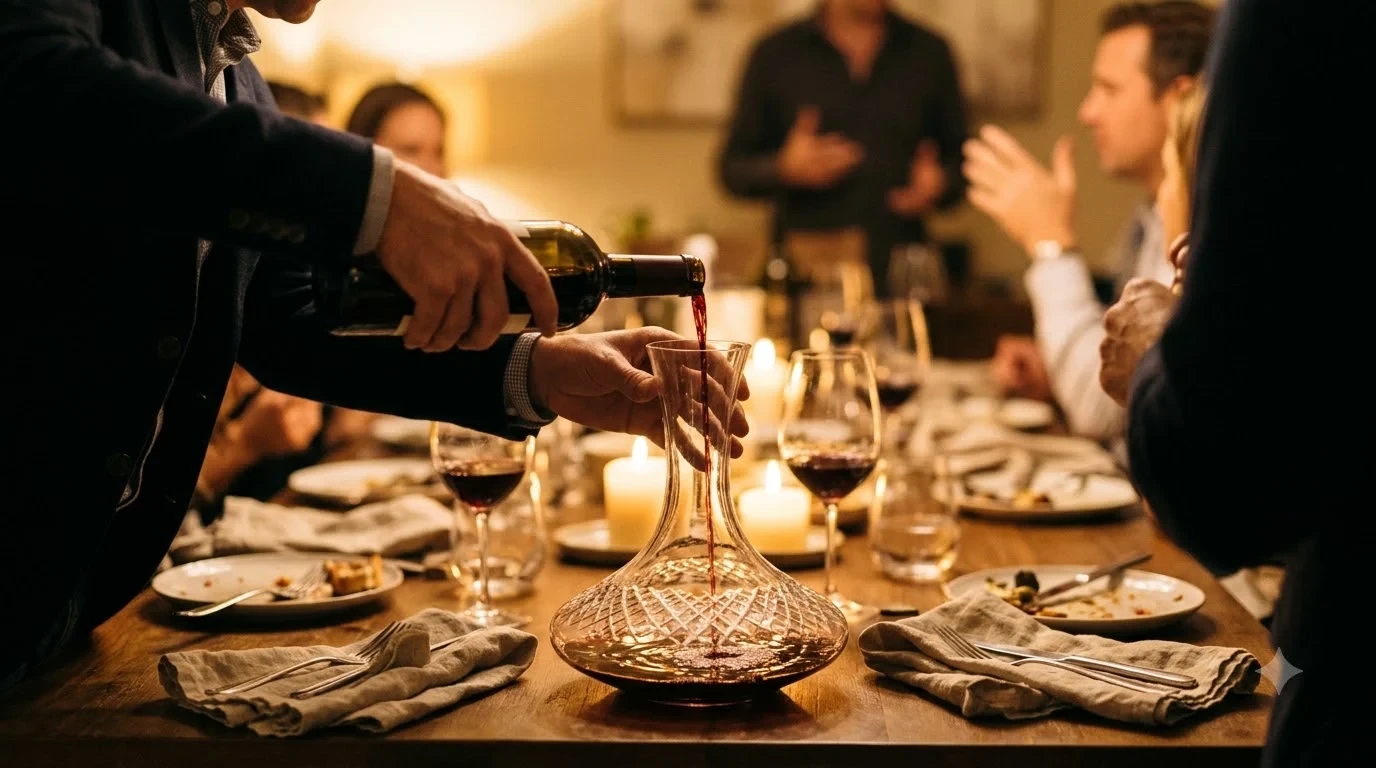
Serving temperature is the easiest variable to control at home. If the bottle is labeled as a wine meant for chilling, put it in the fridge for a short time before pouring. Otherwise, a slight chill in the glass often helps the aromas stand out, especially on a warm day. Avoid serving it very hot, because heat can make the fruit feel heavy.
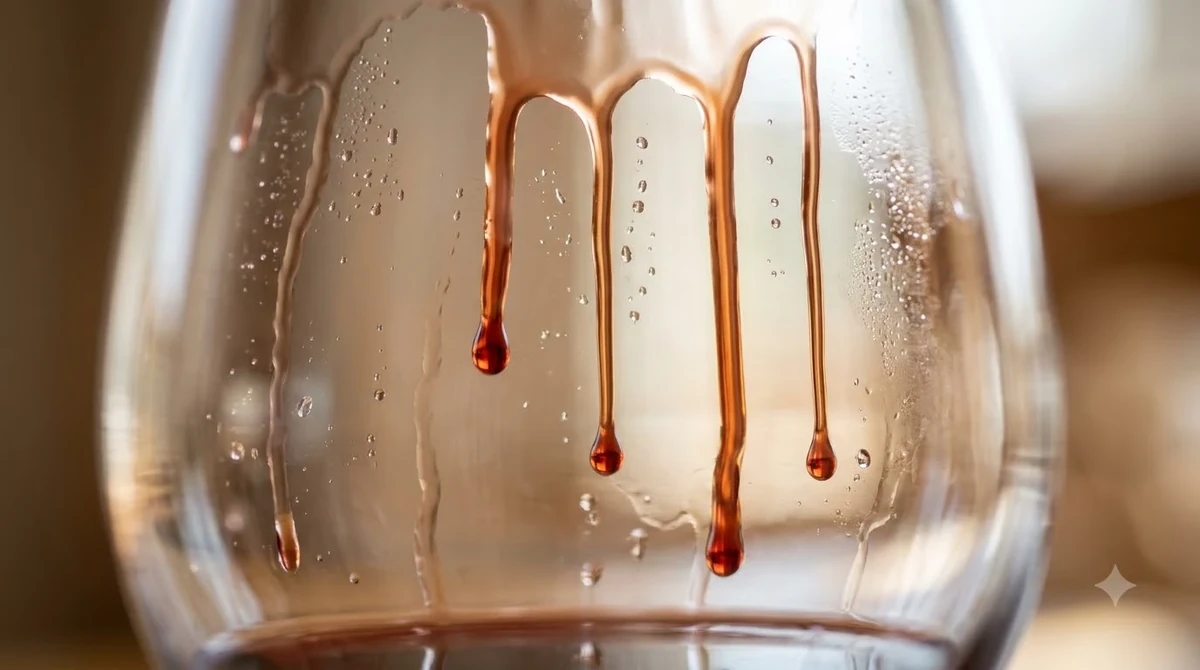
Use a medium glass to give the wine room to open. Because the color is so dark, swirl gently and check the rim as well as the aroma. A short rest in the glass often reveals more fruit and softens any sharpness from the acidity.

Food pairing ideas
Chambourcin’s fruit and acidity make it an easy match for casual, flavorful food. Burgers, grilled sausages, and smoky barbecue work well, as do pizza, pasta with tomato sauce, and roasted vegetables. The dry styles pair naturally with savory dishes, while off-dry versions can stand up to spicy food and sweet-savory glazes.
For cheese, aim for semi-firm and aged options rather than very mild cheeses. Charcuterie boards are a practical choice because the wine can handle salt and fat without tasting thin. If you are serving a chilled version at a picnic, this kind of food is where it shines.
How to buy and store a bottle
Because many Chambourcin wines come from farm wineries and small producers, availability can be limited outside the region. Buying at the source is often the best way to find a bottle you like and to ask questions about the style. Check whether the producer lists the wine as dry or off-dry, and ask how long it is meant to be kept.
Most Chambourcin is meant to be enjoyed within a few years of release, so buy for near-term drinking unless the producer says otherwise. Store unopened bottles somewhere cool and dark, away from heat and light. The wine by type section covers how other red varieties compare when you are deciding what to buy next.
Chambourcin compared with other reds
Chambourcin is often compared with more familiar reds because it fills a similar role on the table. It usually feels more fruit-forward and less structured than a traditional Cabernet Sauvignon, and it can be a good choice for drinkers who want a juicy red without heavy tannin. For a different kind of comparison, the guide to cinsault wine shows how another lighter red handles a warm climate and easy drinking.
If you like crisp whites, you may also enjoy comparing Chambourcin with a lighter wine built on freshness. The guide to chardonnay alcohol content is a reminder that alcohol levels vary widely across styles, so check the label on any wine you buy.
Because the grape is a hybrid rather than a classic European variety, it sits outside the usual regional rules that govern many famous wines. Producers can choose their own styles, which is why two bottles of Chambourcin from different states can taste quite different. Reading the producer’s tasting notes, rather than relying on the grape name alone, is the most reliable way to predict what you will get.
Frequently Asked Questions
Is Chambourcin a red or a white wine?
It is a red wine. The grape is red-skinned, and its juice is colored, so the wine comes out deep red or purple.
Is Chambourcin sweet?
It depends on the producer. The grape can be made dry or with moderate residual sugar, so check the label or ask the tasting room before you buy.
Why is Chambourcin grown in the eastern United States?
It is a hybrid bred for disease resistance and hardiness, which suits humid climates and cold winters. That is why it is widely planted across the Mid-Atlantic, Northeast, Midwest, and South.
Should Chambourcin be served chilled?
Some versions are recommended for chilled service, according to the Wikipedia summary of the grape. A slight chill often brings out brighter fruit, especially on warm days.
Chambourcin is a practical, fruit-forward red with a clear identity. If you see it on a menu or shelf, try a dry and an off-dry version side by side to learn what the grape can do.
More in Wine Types & Grapes
 Zinfandel Sugar Content: Dry Red vs. White Zinfandel GramsUpdated Nov 21, 2026
 Best Zinfandel Substitute Options for Sipping and CookingUpdated Nov 21, 2026
 Zweigelt Food Pairing: Best Dishes, Cheeses, and Serving TipsUpdated Nov 21, 2026
 Zinfandel Tannins Explained: How Structure Shapes Every BottleUpdated Nov 21, 2026
 Zinfandel Sweetness Level: Dry Red vs. Sweet White Zin ExplainedUpdated Nov 21, 2026
 Xinomavro Food Pairing: Best Dishes, Styles, and Serving TipsUpdated Nov 21, 2026