

We may earn a commission when you buy through links on this page, at no extra cost to you. Learn more.
Sangiovese alcohol content typically falls between 13% and 14.5% ABV, with warmer Tuscan sub-regions occasionally reaching 15% ABV. Light, everyday bottles labeled simply as Chianti often start around 12% to 13% ABV, while riper styles such as Brunello di Montalcino regularly sit between 13.5% and 14.5% ABV. Because Sangiovese is fermented dry with minimal residual sugar, nearly all of the grape’s natural sugar converts into ethanol during fermentation.
Understanding how alcohol levels shift across Sangiovese styles helps you anticipate body, warmth, and food-pairing power before pulling a cork. From brisk, tart table reds grown on high Tuscan hillsides to structured, cellar-worthy bottles from southern Montalcino, alcohol by volume offers one of the clearest clues to what is inside the glass.
What Sangiovese Is and How Alcohol Develops
Sangiovese is Italy’s most widely planted red wine grape and the primary variety behind Chianti, Brunello di Montalcino, and Vino Nobile di Montepulciano, according to Wine Folly. Its name translates loosely to “blood of Jove,” a nod to its deep roots in central Italy and its transparent ruby-red color in the glass.
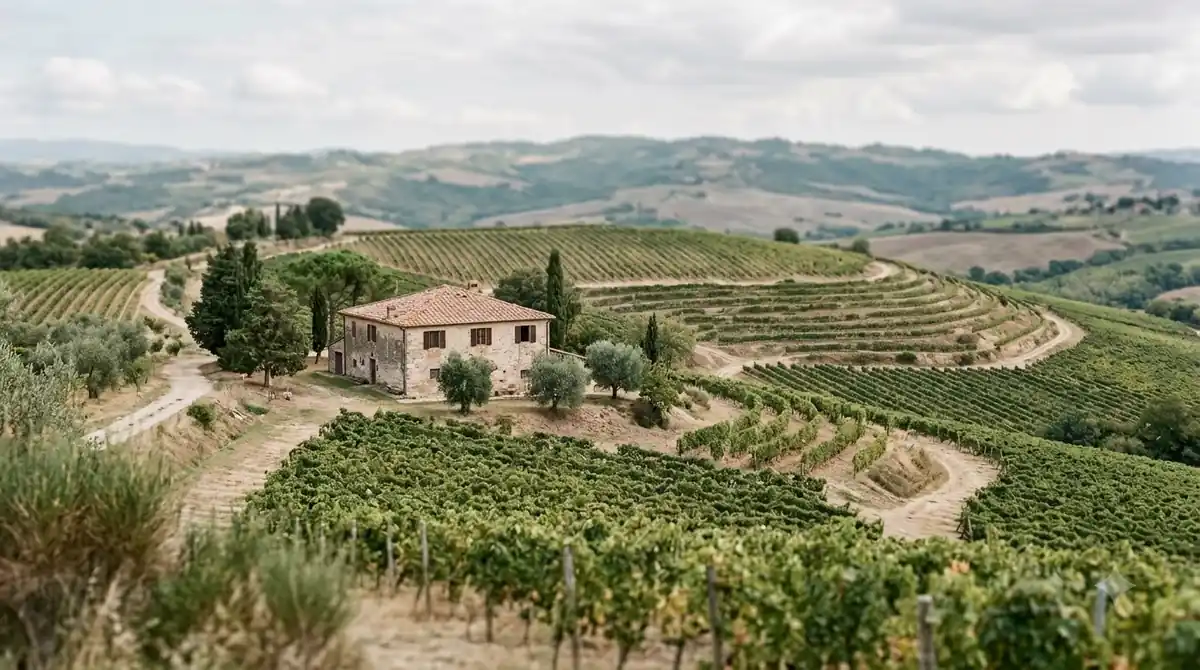
In the vineyard, Sangiovese is a late-ripening, thin-skinned grape that responds dramatically to sunlight, elevation, and soil drainage. Cooler hillside sites produce berries with higher malic and tartaric acid and lower sugar accumulation, yielding finished wines around 12.5% to 13.5% ABV. Warmer, sun-drenched exposures allow grapes to ripen more fully, pushing sugar levels higher at harvest and creating finished wines closer to 14% to 15% ABV.
Winemakers ferment almost all dry Sangiovese until residual sugar drops below two grams per liter, leaving virtually no sweetness on the palate. Because fermentation turns grape sugars directly into alcohol and carbon dioxide, harvest ripeness is the primary driver of the final ABV printed on the label. Unlike fortified wines where distilled grape spirit is added after fermentation, Sangiovese derives all of its alcohol naturally from the vineyard.
Sangiovese Alcohol Content by Style and Appellation
Italian wine law sets strict minimum alcohol thresholds for each Sangiovese appellation, though real-world bottlings usually exceed the legal floor by one to two percentage points. Knowing both the legal minimum and the typical shelf range makes it easier to compare bottles side by side.
| Wine Style or Appellation | Minimum Sangiovese | Legal Minimum ABV | Typical Bottle ABV | Body and Structure |
|---|---|---|---|---|
| Chianti DOCG | 70% | 11.5% – 12% | 12.5% – 13.5% | Light-to-medium body, bright acidity, brisk tannins |
| Chianti Classico Annata | 80% | 12% | 13% – 14% | Medium body, tart cherry fruit, firm grip |
| Chianti Classico Riserva | 80% | 12.5% | 13.5% – 14.5% | Medium-full body, savory spice, integrated oak |
| Chianti Classico Gran Selezione | 80% | 13% | 13.5% – 14.5% | Full structure, concentrated fruit, cellar-worthy |
| Rosso di Montalcino | 100% | 12% | 13.5% – 14% | Medium-full body, vibrant red fruit, supple finish |
| Brunello di Montalcino | 100% | 12.5% | 13.5% – 15% | Full-bodied, high tannins, deep leather and earth notes |
| Vino Nobile di Montepulciano | 70% | 12.5% | 13.5% – 14.5% | Medium-full body, dark plum, fine-grained tannins |
As VinePair notes, the Chianti Classico pyramid separates bottles by aging duration and minimum alcohol requirements, moving from 12% minimum ABV for Annata up to 13% minimum ABV for estate-grown Gran Selezione. In practice, warm Tuscan growing seasons regularly push Chianti Classico bottlings into the 13.5% to 14% range regardless of tier.
At the higher end of the spectrum, Brunello di Montalcino comes from a warmer, drier microclimate south of Siena where grapes reach full phenolic maturity. While the legal floor is 12.5% ABV, modern Brunello releases routinely sit at 14% or 14.5% ABV, balanced by brisk natural acidity and years of oak aging. If you enjoy comparing dry table reds against fortified classics, exploring marsala alcohol content or tawny port alcohol content highlights just how wide the gap is between unfortified Italian reds and spirit-fortified bottles.
Flavor Profile and How Alcohol Shapes the Palate
Sangiovese is defined by high natural acidity, firm tannins, and a savory core of tart red cherry, roasted tomato, dried oregano, and sweet balsamic. Alcohol acts as the structural bridge between that mouth-watering tartness and the grape’s grippy, tea-like tannins.
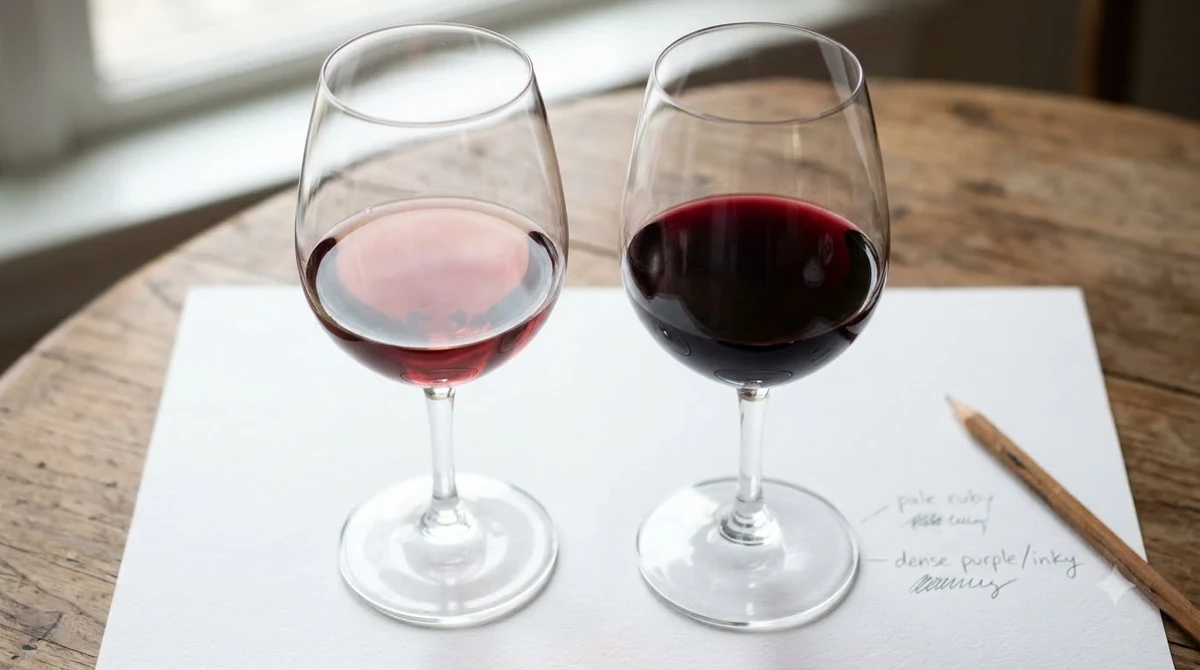
At lower alcohol levels around 12.5% to 13%, Sangiovese feels crisp, linear, and refreshing, emphasizing sour cherry, wild strawberry, and fresh herbs. The lighter ethanol weight lets the acidity take center stage, making these bottles feel lively and energetic rather than heavy. Reviewers at major wine publications frequently describe cooler-climate, lower-ABV Sangiovese as vibrant and zesty on the finish.
When alcohol climbs to 14% or 14.5%, the wine gains noticeable viscosity, roundness, and warmth across the mid-palate. Higher ethanol extracts more color and flavor compounds from the grape skins during maceration, bringing forward darker notes of black cherry, dried fig, leather, tobacco, and espresso. Because Sangiovese retains strong acidity even in warm vintages, a 14.5% ABV Brunello rarely tastes jammy or flabby the way lower-acid red varieties can at the same strength.
Where Sangiovese Grows and Regional Variations
Italy accounts for roughly 155,000 acres of Sangiovese out of about 175,000 acres planted worldwide, with Tuscany serving as its undisputed heartland. Outside central Italy, smaller plantings appear in Corsica, Argentina, California, Washington, and Australia, each producing distinct alcohol and flavor signatures.
Within Tuscany itself, elevation and proximity to the Tyrrhenian Sea create meaningful differences in ABV. High-altitude vineyards in Chianti Rufina and central Chianti Classico experience cool nights that preserve acidity and keep alcohol moderate, typically around 13% to 13.5%. Further south and closer to the coast, appellations like Morellino di Scansano and Montalcino receive warmer temperatures, regularly producing riper wines at 14% to 14.5% ABV.
In the New World, roughly 2,000 acres of Sangiovese grow across California and Washington State, alongside similar acreage in Mendoza, Argentina. Abundant sunshine in regions like Napa Valley, Sonoma, and Columbia Valley often yields fruit-forward Sangiovese bottlings at 14% to 14.5% ABV with softer acidity and riper red plum aromas than traditional Tuscan counterparts. Meanwhile, in Corsica—where the grape is known locally as Nielluccio—maritime breezes moderate summer heat and keep wines balanced around 13% to 14% ABV.
How to Serve Sangiovese at the Right Temperature
Serving temperature directly affects how noticeable alcohol feels in any glass of Sangiovese. Wine Folly recommends serving Sangiovese between 60°F and 68°F (15°C to 20°C), slightly below standard room temperature in most American homes.
If a 14.5% ABV Brunello or Chianti Classico Riserva is poured at 72°F or warmer, the alcohol volatilizes quickly in the bowl, creating a sharp, hot sensation on the nose that masks delicate floral and herbal aromatics. Chilling the bottle in the refrigerator for 20 to 30 minutes before opening brings it down into the ideal cellar range, tightening the tannins and keeping the fruit crisp.
Tip: Decant young, high-ABV Sangiovese styles such as Brunello di Montalcino or Chianti Classico Gran Selezione for 30 to 60 minutes before serving so oxygen can soften the tannins and integrate the alcohol.
Glassware also plays a subtle role in managing alcohol perception. A universal wine glass or medium-sized Bordeaux bowl gives Sangiovese enough surface area to breathe while directing its cherry and dried herb aromas toward the nose without concentrating ethanol vapors.
Food Pairing and Standard Pour Awareness
Sangiovese’s combination of high acidity, moderate-to-high alcohol, and savory herbal notes makes it one of the most food-friendly red wines at the dinner table. Its natural tartness mirrors the acidity in tomato-based sauces, preventing the wine from tasting flat alongside marinara, Bolognese, or wood-fired pizza.
Higher-ABV expressions like Brunello di Montalcino and aged Chianti Classico Riserva carry enough body and tannic grip to stand up to rich proteins and fat. Classic pairings include grilled bistecca alla fiorentina, braised short ribs, roasted lamb, wild mushroom risotto, and aged hard cheeses like Pecorino Toscano and Parmigiano-Reggiano. The fat and protein in these dishes coat the palate and tame the drying effect of the wine’s tannins and ethanol.
From a practical hosting standpoint, keeping track of ABV helps with portioning across a multi-course meal. In the United States, one standard drink equals 0.6 fluid ounces of pure alcohol—roughly a 5-ounce pour of wine at 12% ABV. When pouring a 14.5% ABV Brunello, each 5-ounce glass delivers about 20% more alcohol than a lighter 12% table wine, so slightly smaller 4-ounce pours keep guests comfortable throughout dinner.
How to Choose a Bottle by Alcohol Level
Reading the front and back labels carefully lets you match a bottle’s alcohol level to the occasion and menu. Italian producers must print the exact ABV percentage on the label, typically accurate within half a percentage point under international labeling rules.
For casual weeknight meals, aperitivo spreads, or warm-weather sipping, look for Chianti DOCG, Rosso di Montalcino, or entry-level Chianti Classico Annata listed between 12.5% and 13.5% ABV. These bottles emphasize bright red fruit, lively acidity, and immediate drinkability without heavy oak or high warmth. You can explore how these dry Italian reds compare across broader categories in our overview of Wine by Type, or contrast their dry profile with sweet late-harvest styles in our guide to ice wine alcohol content.
When planning a special dinner centered on grilled meats, hearty stews, or aged cheeses, reach for Chianti Classico Riserva, Gran Selezione, or Brunello di Montalcino around 14% to 14.5% ABV. Checking the vintage year also provides helpful context: warmer European vintages such as 2015, 2017, and 2022 generally produced slightly higher alcohol readings than cooler, rainier growing seasons.
Frequently Asked Questions
Is Sangiovese considered a high-alcohol wine?
Sangiovese is generally considered a medium-to-high alcohol red wine, typically ranging from 13% to 14.5% ABV. Lighter Chianti styles sit closer to 12.5% or 13% ABV, while riper styles like Brunello di Montalcino can reach 14.5% to 15% ABV in warm vintages.
Does Chianti have the same alcohol content as Sangiovese?
Chianti is made primarily from Sangiovese grapes, so its alcohol content falls within the same general range of 12.5% to 14.5% ABV. Standard Chianti DOCG tends to sit at the lower end around 12.5% to 13.5% ABV, while aged Chianti Classico Riserva and Gran Selezione often reach 13.5% to 14.5% ABV.
Why does Brunello di Montalcino have higher alcohol than Chianti?
Brunello di Montalcino is grown in a warmer, drier southern Tuscan microclimate where 100% Sangiovese grapes accumulate more natural sugar before harvest. During fermentation, those higher sugar levels convert into higher alcohol, commonly resulting in 13.5% to 14.5% ABV.
Is Sangiovese a dry wine or a sweet wine?
Sangiovese is almost always fermented completely dry, containing minimal residual sugar and deriving its fruity impression from ripe cherry and plum aromas rather than sweetness. Because yeasts convert virtually all grape sugars into alcohol, riper harvests produce higher ABV rather than a sweeter wine.
Whether you choose a crisp 13% ABV Chianti for Tuesday night pasta or decant a 14.5% ABV Brunello di Montalcino for a weekend roast, checking the alcohol percentage on the label gives you an immediate snapshot of the wine’s body and intensity. Pairing the right ABV level with proper cellar serving temperatures ensures Sangiovese’s signature cherry fruit and lively acidity shine in every glass.
More in Wine Types & Grapes
 Zinfandel Sugar Content: Dry Red vs. White Zinfandel GramsUpdated Nov 21, 2026
 Best Zinfandel Substitute Options for Sipping and CookingUpdated Nov 21, 2026
 Zweigelt Food Pairing: Best Dishes, Cheeses, and Serving TipsUpdated Nov 21, 2026
 Zinfandel Tannins Explained: How Structure Shapes Every BottleUpdated Nov 21, 2026
 Zinfandel Sweetness Level: Dry Red vs. Sweet White Zin ExplainedUpdated Nov 21, 2026
 Xinomavro Food Pairing: Best Dishes, Styles, and Serving TipsUpdated Nov 21, 2026