

We may earn a commission when you buy through links on this page, at no extra cost to you. Learn more.
A classic ruby port color ranges from a deep, opaque violet-purple in its youth to a vibrant jewel-toned crimson-red, gradually shifting toward brick-garnet if matured in bottle for decades. Winemakers preserve this saturated hue by halting fermentation early with neutral grape spirit and storing the wine in large stainless steel, concrete, or neutral oak vats that limit oxygen exposure. Because oxygen never has the chance to brown the pigment, ruby port retains the vivid appearance and fresh berry profile of young red wine.
In the glass, appearance tells you almost everything about how a fortified wine from Portugal’s Douro Valley was raised and what it will taste like before you even take a sip. While many wine drinkers lump all dessert wines into a single visual category, inspecting the rim and core of your glass reveals whether a bottle was built for bright, fruit-forward drinking or long oxidative aging.
What Ruby Port Color Looks Like in the Glass
A young ruby port exhibits an intense, saturated crimson-to-purple hue that coats the glass with thick legs and remains nearly opaque at the center of the bowl. Unlike lighter table reds, the pigment carries all the way out to the rim with a bright magenta or violet edge, signaling minimal contact with air.
According to the Instituto dos Vinhos do Douro e do Porto (IVDP), standard Ruby, Reserve Ruby, and Late Bottled Vintage (LBV) bottlings are all prized for maintaining this deep, youthful ruby-red shade. When you tilt a glass against a white napkin under natural light, a fresh bottle shows brilliant clarity and a jewel-like sheen rather than any amber or brownish cast. That visual brightness correlates directly with primary flavors of blackberry, ripe plum, raspberry, and dark cherry.
The sheer depth of pigment comes from indigenous Portuguese red grapes grown on the steep, sun-baked schist terraces of the Douro Valley. Varieties such as Touriga Nacional, Touriga Franca, Tinta Roriz, Tinta Barroca, and Tinto Cão have thick skins packed with anthocyanins—the natural phenolic compounds responsible for dark red and purple wine hues. During the brief, vigorous fermentation before fortification, winemakers extract maximum color from these skins so the finished wine holds its visual intensity.
How Winemaking and Vessel Choice Lock In the Hue
Ruby port keeps its vivid red appearance because winemakers use reductive aging—storing the fortified wine in large, airtight vessels that shield it from oxygen. By minimizing air contact, the anthocyanin pigments remain stable instead of polymerizing and browning over time.
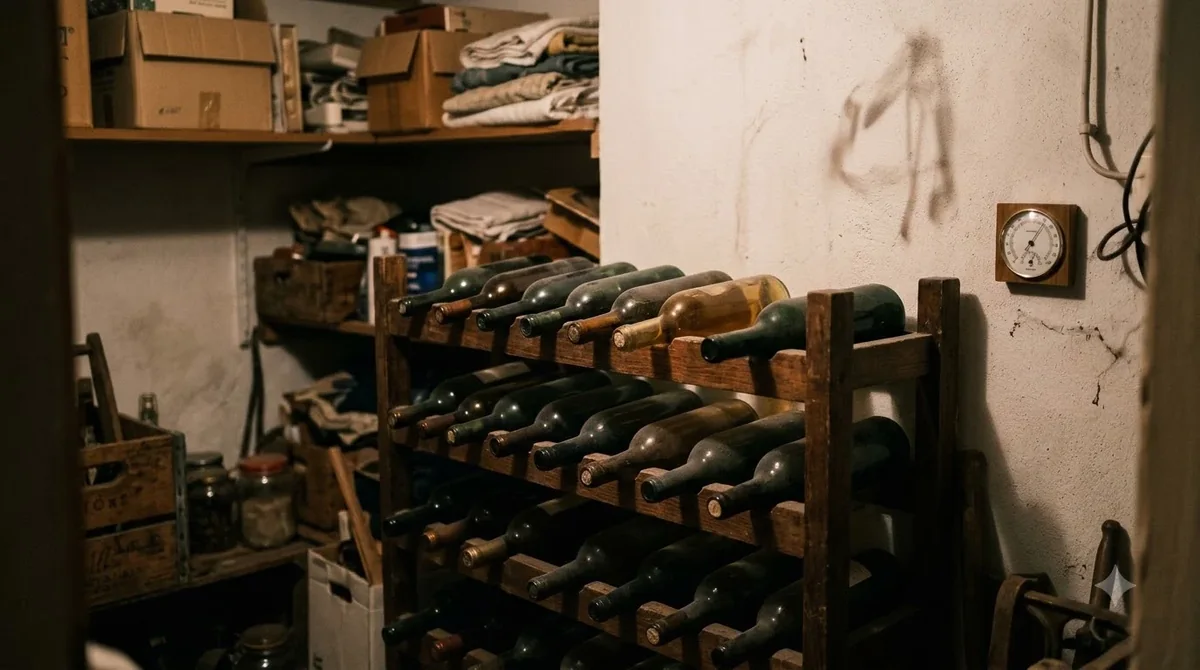
Every red port begins the exact same way in the cellar. Once fermenting grape must reaches the desired balance of natural sugar and alcohol, the winemaker adds a neutral grape spirit—known locally as aguardente—at roughly 77 percent alcohol by volume. As Wine Folly notes, this fortification stops yeast activity immediately, leaving behind rich residual sweetness and bringing the finished wine to between 19 and 22 percent alcohol by volume.
What happens right after fortification is what separates ruby styles from tawny styles. Instead of transferring the young wine into small, porous wooden barrels, producers hold basic ruby port in massive stainless steel tanks, concrete vats, or enormous neutral oak tonéis for roughly two to three years before bottling. Because the ratio of surface area to liquid volume inside a giant vat is tiny, very little oxygen reaches the wine, locking in both the dark crimson color and the snappy red-fruit aromatics.
Before bottling, standard ruby ports are blended across harvests to match a consistent house profile, then fined and cold-filtered. Filtering removes suspended solids and yeast particles, giving entry-level ruby port a bright, translucent sparkle at the edge of the glass that requires zero decanting before you pour.
Ruby Port Color vs. Other Port Styles
Across the broader spectrum of Wine by Type, port sits in the fortified category, yet its individual sub-styles span every shade from inky purple to pale gold. Comparing ruby port side by side with tawny, white, and rosé ports makes it easy to identify what is in your decanter at a glance.
| Port Style | Primary Color in the Glass | Aging Vessel & Oxygen Exposure | Core Flavor Profile |
|---|---|---|---|
| Ruby & Reserve Ruby | Deep ruby-red to bright crimson with a purple-pink rim | Large stainless steel, concrete, or neutral vats (2–3 years); minimal oxygen | Fresh blackberry, raspberry, black cherry, plum |
| Late Bottled Vintage (LBV) | Opaque, dark ruby-garnet with intense concentration | Large wood vats (4–6 years) before bottling; low oxygen | Ripe black fruit, dark chocolate, subtle baking spice |
| Vintage Port (Young vs. Mature) | Inky violet-black when young; shifts to garnet and golden-brown after 10+ years | Up to 2.5 years in vat, then 10–50 years in sealed glass bottle | Wild berries and cocoa early on; dried fig, leather, and spice with age |
| Tawny Port (10–40 Years) | Amber, mahogany, copper, or golden-brown with a pale rim | Small 550-liter oak pipes; high gradual oxidation | Hazelnut, caramel, butterscotch, dried fig, orange peel |
| Rosé Port | Bright pink, salmon, or light strawberry-coral | Limited skin contact, temperature-controlled stainless steel | Strawberry, raspberry, red currant, floral notes |
| White Port | Pale straw to deep amber-gold (depending on cask age) | Stainless steel (young) or small oak casks (aged Colheita/Reserve) | Citrus, white peach, honey, toasted almond |
The starkest visual contrast is between ruby and tawny port. While ruby port looks like a concentrated young Cabernet Sauvignon or Syrah, tawny port is intentionally aged in smaller oak barrels where slow, steady oxidation strips away red anthocyanins and turns the liquid mahogany, amber, or walnut brown. If you pour both into clear glasses side by side, the ruby glass looks vibrant and opaque, whereas the tawny glass shows translucent edges and warm, tea-like hues.
Even within the ruby family itself, subtle visual cues separate the tiers. Entry-level ruby is bright cherry-crimson, whereas Reserve Ruby and Late Bottled Vintage look noticeably darker and denser in the bowl because they are blended from richer, more concentrated lots of grapes. Rosé port—a modern innovation introduced in 2008—belongs technically to the ruby family, though winemakers limit grape skin contact to produce a vivid pink hue rather than deep red.
How Bottle Age Changes Ruby Port Color Over Time
While standard ruby port is bottled ready to drink and meant to be enjoyed young, bottle-aged ruby styles like Vintage Port and unfiltered LBV undergo a dramatic visual transformation over decades. In a sealed glass bottle, trace oxygen slowly alters the pigment molecules, shifting the wine from opaque purple-black to translucent garnet and eventually tawny-brown.
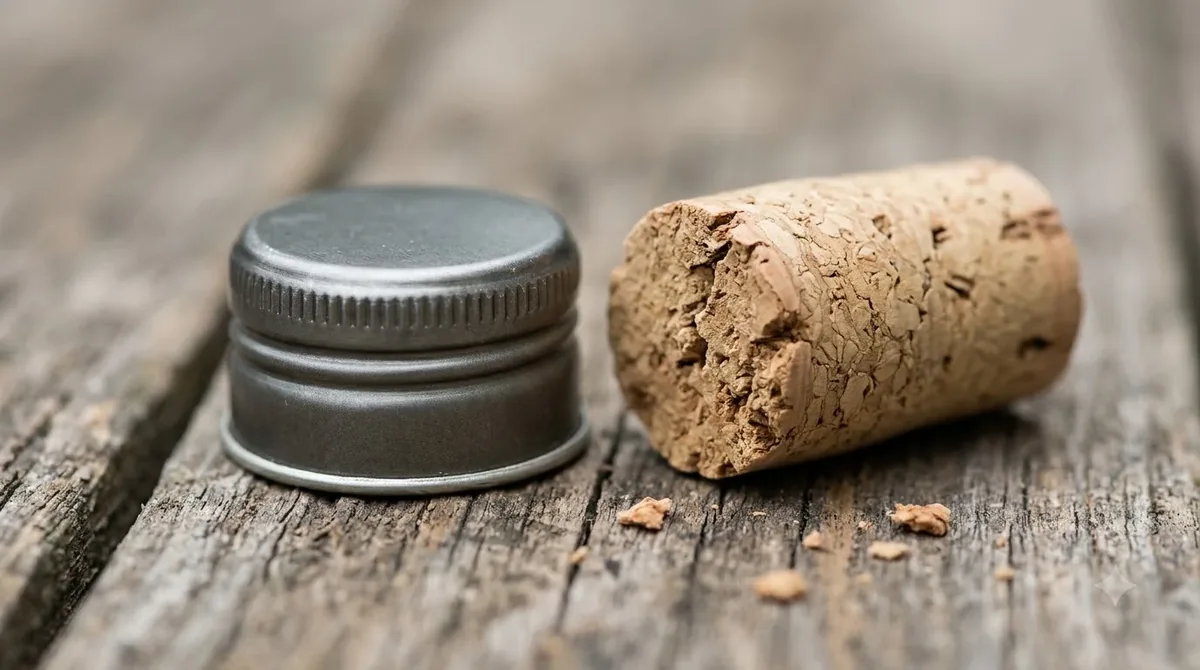
According to the IVDP, a classic Vintage Port spends its first five years in bottle displaying an intense, nearly impenetrable ruby-violet color alongside exuberant aromas of wild berries and dark chocolate. Around the ten-year mark, the pigment begins to drop out of suspension, forming a natural crust of sediment along the inside of the glass while the liquid lightens to a warm garnet-brick shade.
After twenty to forty years in a cool cellar, that same bottle loses its youthful purple rim completely, taking on a russet or golden-brown core that visually resembles a mature Tawny. However, because that color shift happened anaerobically inside glass rather than inside a porous oak barrel, the wine keeps a different aromatic structure—trading nutty caramel notes for complex layers of dried plum, tobacco leaf, and warm spice.
Tip: Hold your glass at a 45-degree angle over a white sheet of paper or tablecloth; a bright magenta or violet edge means the ruby port is young and fruit-driven, while a brick-orange rim signals bottle maturity or subtle oxidation.
Serving, Storing, and Pairing Ruby Port
To showcase both the jewel-like appearance and vibrant berry aromatics of ruby port, serve it slightly cool at 54 to 61 degrees Fahrenheit (12 to 16 degrees Celsius) in a small, tulip-shaped port glass. Pouring a standard 3-ounce serving into clear, stemware crystal lets light pass through the bowl so you can appreciate the deep crimson core without warming the wine too quickly in your hand.
If you serve ruby port at a warm room temperature above 70 degrees Fahrenheit, the 19 to 22 percent alcohol can feel overly hot on the nose and mask the fresh fruit character. Chilling the bottle in the refrigerator for 20 to 30 minutes before pouring tightens the structure and brings out crisp acidity. For warm-weather gatherings, entry-level ruby port also works brilliantly as the base for a refreshing ruby port cocktail mixed with tonic water, ice, and a twist of fresh orange peel.
Proper storage after uncorking also protects the wine’s bright color and fresh flavor. Because ruby port is raised away from oxygen, leaving an opened bottle on a warm kitchen counter causes the vivid red hue to dull toward brownish-red as the fruit flattens out. Knowing how long does ruby port last after opening helps you plan ahead: recork the bottle tightly and keep it in the refrigerator, where standard ruby stays fresh for roughly eight to ten days and LBV holds up for two to three weeks.
At the table, ruby port’s dense fruit and velvety sweetness pair naturally with dark chocolate truffles, flourless chocolate cake, berry tarts, and pungent blue cheeses like Stilton or Gorgonzola. Because a 3-ounce pour packs rich residual sugar and elevated alcohol, checking the calories in ruby port is helpful if you are pacing a multi-course dinner or dessert spread.
Frequently Asked Questions
Why is ruby port so much darker than regular red table wine?
Ruby port is made from thick-skinned native Douro grapes like Touriga Nacional and Touriga Franca that contain exceptionally high levels of natural anthocyanin pigments. Winemakers extract intense color quickly during a warm, vigorous fermentation before halting the process with grape spirit, resulting in an opaque, concentrated crimson-purple hue.
Does ruby port stain teeth and glassware easily?
Yes, young ruby port has dense pigment and thick viscosity that can temporarily tint teeth and leave dark purple rings inside crystal glasses. Rinsing your glassware promptly with warm water and alternating sips of port with sparkling water at the table keeps staining to a minimum.
What does it mean if my ruby port looks brownish instead of bright red?
A brownish or brick-orange tint in a standard ruby port usually means the bottle has oxidized, either from sitting open too long or from being stored in a warm spot with poor cork seal. In an older Vintage Port or unfiltered LBV, however, a garnet-to-brown shift is a completely normal sign of healthy bottle aging.
Do you need to decant ruby port to remove sediment?
Standard Ruby and Reserve Ruby ports are fined and filtered before bottling, so they have no sediment and can be poured straight from the bottle. Unfiltered Late Bottled Vintage, Crusted Port, and Vintage Port throw a heavy natural deposit as they age and should be stood upright for 24 hours and carefully decanted before serving.
Paying attention to ruby port color gives you an instant visual shortcut before you ever take your first sip. Whether you are looking at the vivid purple-crimson rim of a youthful everyday bottle or the warm brick-garnet glow of a cellared vintage, the shade in your glass reliably previews the freshness, richness, and structure waiting on your palate.
More in Wine Types & Grapes
 Zinfandel Sugar Content: Dry Red vs. White Zinfandel GramsUpdated Nov 21, 2026
 Best Zinfandel Substitute Options for Sipping and CookingUpdated Nov 21, 2026
 Zweigelt Food Pairing: Best Dishes, Cheeses, and Serving TipsUpdated Nov 21, 2026
 Zinfandel Tannins Explained: How Structure Shapes Every BottleUpdated Nov 21, 2026
 Zinfandel Sweetness Level: Dry Red vs. Sweet White Zin ExplainedUpdated Nov 21, 2026
 Xinomavro Food Pairing: Best Dishes, Styles, and Serving TipsUpdated Nov 21, 2026