

We may earn a commission when you buy through links on this page, at no extra cost to you. Learn more.
The typical rioja alcohol content ranges from 13.5% to 15% ABV for classic red blends, while white and rosé bottlings generally sit between 11.5% and 13.5% ABV. Under updated DOCa Rioja regulations, the Regulatory Council permits certified still reds down to 10% ABV and whites or rosés down to 9% ABV to support lower-alcohol styles, though traditional Reserva and Gran Reserva reds must still reach at least 12% ABV. Exact strength depends heavily on sub-region climate, harvest timing, and grape variety.
Walking down the Spanish aisle at a wine shop, you might assume every bottle from Rioja carries the exact same weight and warmth. In reality, Spain’s flagship wine region spans three distinct climate zones and produces everything from crisp, citrus-driven Viura whites to concentrated, barrel-aged Tempranillo reds, each landing at a different point on the alcohol scale.
What It Is and Typical Rioja Alcohol Content
Rioja is a prestigious wine region in north-central Spain holding Denominación de Origen Calificada (DOCa) status, and its wines sit squarely in the dry table wine category rather than fortified or sweet tiers. Most red Rioja pours with medium-to-full body and moderate-to-high alcohol, whereas white and rosé expressions offer a lighter, crisper profile.
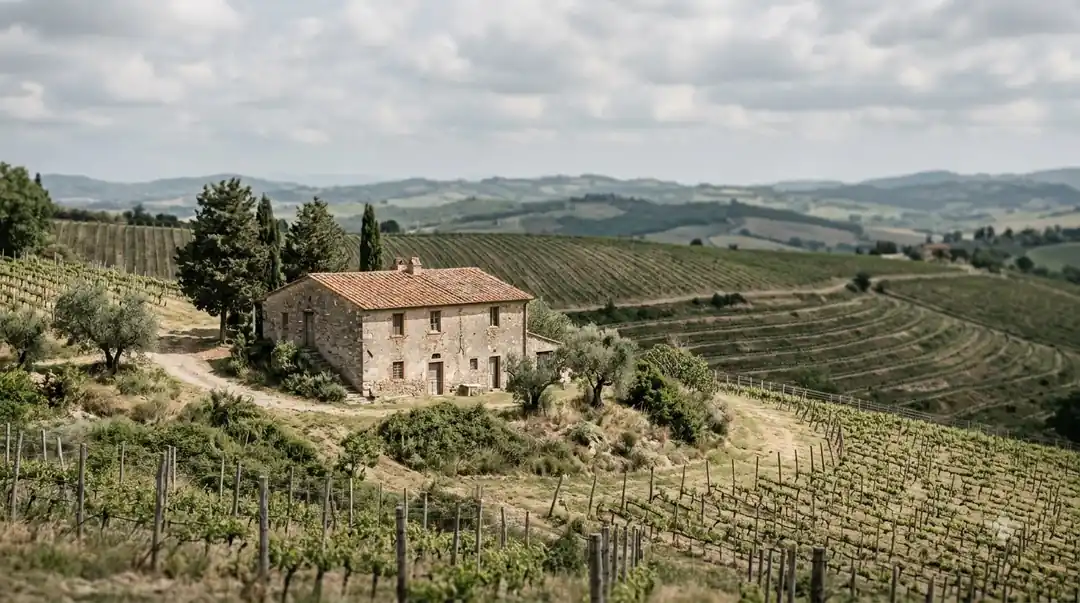
According to Wine Folly, standard red Rioja typically measures between 13.5% and 15% alcohol by volume (ABV), placing it alongside Cabernet Sauvignon and Syrah in warmth and structure. Red grapes account for roughly 93.5% of vineyard plantings across the appellation, led by Tempranillo alongside Garnacha, Graciano, and Mazuelo. Because Tempranillo ripens relatively early and accumulates sugar steadily in warm Spanish autumns, classic bottlings frequently finish around 14% ABV.
White and rosé Rioja wines tell a different story on the label. Made primarily from Viura (also called Macabeo), Tempranillo Blanco, and Garnacha Blanca, standard white Rioja usually lands between 11.5% and 13.5% ABV. Rosé bottlings—known locally as rosado—tend to hover in that same 12% to 13.5% window, delivering refreshing acidity without heavy alcohol heat. Even within Wine by Type categories, Rioja stands out for balancing ripe fruit weight with vibrant natural acidity.
Legal minimums also shape what producers can bottle under the DOCa seal. As announced by the DOCa Rioja Regulatory Council, official rules lowered minimum alcohol thresholds by 1.5 percentage points to accommodate early-harvest and lower-alcohol winemaking, allowing certified still reds from 10% ABV and whites or rosés from 9% ABV. Meanwhile, quality sparkling Rioja (Espumoso de Calidad de Rioja) must fall between 10% and 13% ABV.
Alcohol Content by Rioja Style and Aging Tier
While barrel and bottle aging do not directly add alcohol to wine, Rioja’s four official aging tiers correlate closely with grape ripeness, vineyard selection, and final ABV. Winemakers reserve their ripest, lowest-yielding fruit for longer-aged bottlings, which naturally pushes alcohol levels slightly higher in Reserva and Gran Reserva tiers.
| Rioja Style or Tier | Typical ABV Range | DOCa Minimum ABV (Red / White) | Aging Requirement (Red) |
|---|---|---|---|
| Joven (Generic / Young) | 12.5% – 14.0% | 10.0% / 9.0% | No oak minimum; released in 1st or 2nd year |
| Crianza | 13.0% – 14.5% | 11.5% / 10.5% | 2 years total (at least 1 year in oak) |
| Reserva | 13.5% – 14.5% | 12.0% / 11.0% | 3 years total (at least 1 year in oak) |
| Gran Reserva | 13.5% – 15.0% | 12.0% / 11.0% | 5 years total (at least 2 years in oak) |
| White Rioja (Blanco) | 11.5% – 13.5% | 9.0% (10.5%–11.0% aged) | 6 months oak minimum for Crianza/Reserva |
| Rosé Rioja (Rosado) | 12.0% – 13.5% | 9.0% (10.5%–11.0% aged) | 6 months oak minimum for Crianza/Reserva |
Young wines labeled simply as Rioja (often called Joven) focus on primary red berry fruit and brisk acidity, frequently using carbonic maceration in cooler pockets. Because producers pick these grapes slightly earlier to preserve snap and freshness, Joven reds often sit between 12.5% and 14% ABV, occasionally dipping lower under the early-harvest rules.
Crianza represents the everyday benchmark of the region, requiring at least two years of total maturation with one full year in 225-liter oak barrels for reds. These wines typically clock in around 13.5% to 14% ABV, balancing bright cherry fruit with gentle vanilla and coconut notes from American oak. Reserva and Gran Reserva bottlings come from top-performing parcels and exceptional vintages, where concentrated sugars during harvest yield 13.5% to 15% ABV alongside firm tannins and savory leather or dried-fruit complexity.
Notice how the Regulatory Council protects traditional prestige categories even while opening the door to lighter styles. Under DOCa rules, Crianza reds still require at least 11.5% ABV, and Reserva, Gran Reserva, and Viñedo Singular reds must reach a minimum of 12% ABV, ensuring age-worthy bottles retain the structural backbone collectors expect.
How Sub-Regions and Grapes Shift ABV
Geography plays a decisive role in Rioja’s alcohol spectrum because the appellation stretches roughly 60 miles along the Ebro River through three distinct climatic zones. Elevation, rainfall, and grape blends shift dramatically from west to east, directly influencing sugar accumulation at harvest.
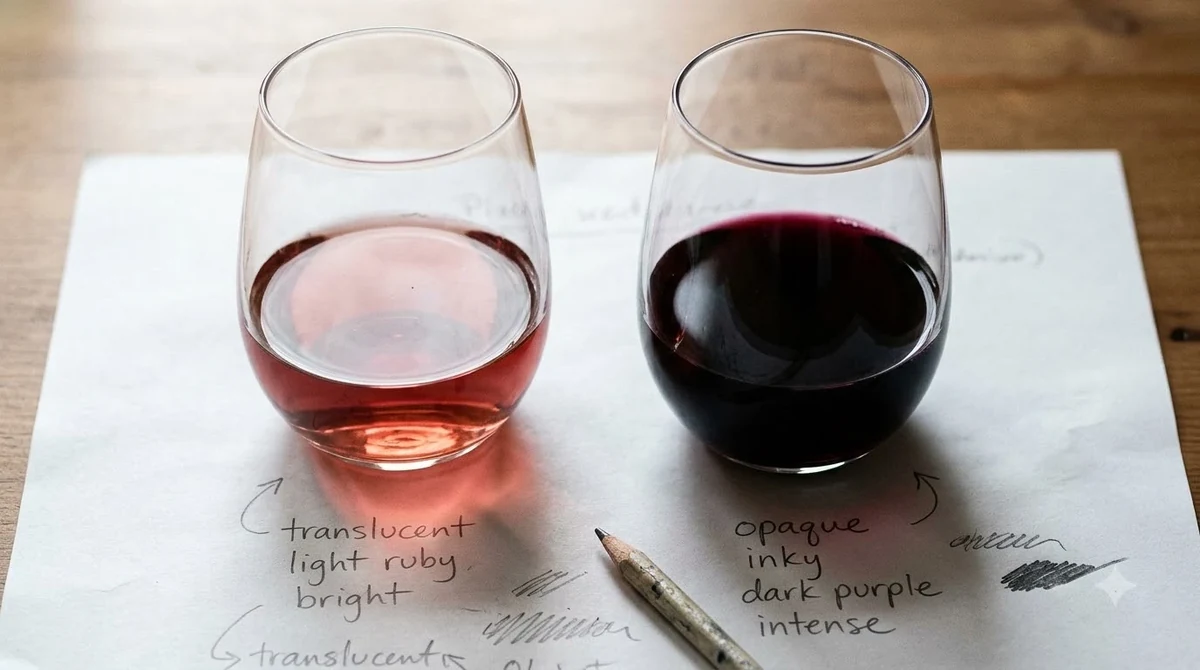
In the northwest, Rioja Alta experiences strong Atlantic influences with cool winds, adequate rainfall, and vineyards planted between 400 and 600 meters above sea level. Just across the river at the foot of the Sierra de Cantabria mountains, Rioja Alavesa sits at 400 to 700 meters on chalky clay-limestone soils with sharp day-to-night temperature swings. Both zones promote slow, even ripening, yielding Tempranillo reds with crisp acidity and moderate alcohol—frequently 13% to 14% ABV.
Head southeast into Rioja Oriental (formerly known as Rioja Baja), and the climate turns noticeably warmer, drier, and more Mediterranean. Lower elevations and abundant sunshine accelerate sugar development in the vines, making Rioja Oriental the natural stronghold for Garnacha. Garnacha thrives in heat and routinely produces lush, full-bodied reds reaching 14.5% to 15% ABV, whereas blending in high-acid Graciano or Mazuelo helps keep final alcohol in check.
How Rioja Compares to Other Wine Styles
Putting Rioja’s alcohol range into context helps when planning a dinner menu or pacing an evening. Compared with cool-climate European reds like Pinot Noir from Burgundy or Beaujolais (often 12% to 13.5% ABV), traditional red Rioja carries noticeably more warmth and body, matching California Cabernet Sauvignon or Southern Rhône blends.
At the same time, standard Rioja remains far lighter than fortified wines that undergo spirit addition during production. If you are comparing cellar labels, tawny port alcohol content typically sits around 19% to 20% ABV, while marsala alcohol content generally ranges from 15% to 20% ABV depending on style. Even sweet late-harvest specialties behave differently—checking ice wine alcohol content shows that frozen-grape dessert wines usually finish between 9% and 12% ABV despite high residual sugar, because yeast stops fermenting early in cold conditions.
How to Serve Rioja at the Right Temperature
Serving temperature has a major impact on how alcohol feels on your palate. Pouring a 14.5% ABV Rioja at warm room temperature (above 70°F) emphasizes ethanol heat and flattens subtle spice aromatics, making the wine taste heavier than intended.
Wine Folly recommends serving red Rioja slightly cool at 55°F to 60°F (12°C to 15°C). Giving a bottle 20 to 30 minutes in the refrigerator before opening tightens its structure, keeps the fruit vivid, and makes higher-alcohol Reserva or Garnacha-dominant blends feel remarkably balanced. Decanting aged Reserva or Gran Reserva bottlings for about an hour also helps volatile aromas blow off while softening tannins.
For White Rioja and Rosado, aim for 45°F to 50°F (7°C to 10°C) for crisp, stainless-steel styles, or closer to 50°F to 55°F (10°C to 13°C) for oak-aged white Reserva bottlings so the nutty, honeyed complexity shines through.
Tip: Check the official colored back seal on every DOCa Rioja bottle before buying—green indicates young Joven wine, red signals Crianza, garnet marks Reserva, and blue identifies Gran Reserva, giving you an instant clue to body and alcohol weight.
Food Pairing and Choosing the Right Bottle
Matching Rioja’s alcohol level to your meal prevents the wine from overwhelming delicate dishes or feeling thin next to rich roasts. Lower-alcohol Joven reds and crisp Viura whites (11.5% to 13.5% ABV) pair effortlessly with tapas, grilled vegetables, roast chicken, and semi-firm Manchego cheese without weighing down the palate.
When stepping up to a 14% or 14.5% ABV Crianza, Reserva, or Gran Reserva, look for savory protein and fat to buffer the tannins and alcohol warmth. Slow-roasted lamb chops, grilled ribeye, chorizo-spiced stews, and hearty mushroom paella absorb the richness of oak-aged Tempranillo and ripe Garnacha smoothly.
Reading the front and back labels makes selecting the right ABV straightforward even before turning the bottle around to check the fine print. Look for sub-region names like Rioja Alta or Rioja Alavesa if you prefer brighter acidity and a 13% to 13.5% ABV profile, or choose Rioja Oriental and Garnacha-led labels when you want a bolder, 14.5% ABV red for cold-weather dining.
Frequently Asked Questions
Is Rioja considered a high-alcohol wine?
Classic red Rioja is generally classified as moderate-to-high in alcohol, typically landing between 13.5% and 15% ABV. That puts it on par with Cabernet Sauvignon and Syrah, though cooler-climate Rioja Alta bottlings and white Viura wines feel noticeably lighter around 11.5% to 13.5% ABV.
Does Gran Reserva Rioja have more alcohol than Crianza?
Gran Reserva often has slightly higher alcohol than Crianza, though barrel aging itself does not create alcohol. Because winemakers select their ripest, lowest-yielding grapes from top vintages for Gran Reserva, those wines frequently finish between 14% and 15% ABV compared to 13% to 14% ABV for everyday Crianza.
What is the lowest alcohol content allowed in Rioja?
Under updated DOCa Rioja regulations, certified still red wines can be bottled down to 10% ABV, while certified white and rosé wines can go as low as 9% ABV. However, traditional aged categories maintain higher floors, requiring at least 11.5% ABV for Crianza reds and 12% ABV for Reserva and Gran Reserva reds.
How many calories and carbs are in a glass of Rioja?
A standard 5-ounce pour of dry red Rioja at 14% ABV contains roughly 120 to 125 calories and around 3 to 4 grams of carbohydrates. Because Rioja is fermented dry with minimal residual sugar, nearly all of its calories come directly from alcohol.
Whether you reach for a brisk, 12% ABV white Viura for warm-weather appetizers or a cellar-aged 14.5% ABV Gran Reserva for Sunday dinner, knowing how sub-region and aging tier influence Rioja’s alcohol levels makes shopping much easier. A quick glance at the ABV print and the DOCa back seal will tell you immediately how rich and warming the bottle will taste in your glass.
More in Wine Types & Grapes
 Zinfandel Sugar Content: Dry Red vs. White Zinfandel GramsUpdated Nov 21, 2026
 Best Zinfandel Substitute Options for Sipping and CookingUpdated Nov 21, 2026
 Zweigelt Food Pairing: Best Dishes, Cheeses, and Serving TipsUpdated Nov 21, 2026
 Zinfandel Tannins Explained: How Structure Shapes Every BottleUpdated Nov 21, 2026
 Zinfandel Sweetness Level: Dry Red vs. Sweet White Zin ExplainedUpdated Nov 21, 2026
 Xinomavro Food Pairing: Best Dishes, Styles, and Serving TipsUpdated Nov 21, 2026