

We may earn a commission when you buy through links on this page, at no extra cost to you. Learn more.
Languedoc wine comes from a large coastal and hillside region in southern France, stretching from the Mediterranean toward the Massif Central, and it produces a wide range of reds, whites, rosés, and sweet wines. Its vineyards are known for warm, sunny weather, strong winds, and a mix of soils, which together give the wines fresh herb and saline notes alongside ripe fruit. Most Languedoc bottles are blends built on Grenache, Syrah, Mourvèdre, and Carignan.
This guide explains how Languedoc wine is organized, which grapes drive its style, how to serve and pair it, and what to look for on the label. If you are comparing it with other European regions, the Wine Regions section covers how areas differ in climate and style.
Where the Languedoc Sits and How It Is Organized
The Languedoc is a long arc of vineyards that runs along the Mediterranean coast of southern France and climbs inland toward the Massif Central and the Pyrenees foothills. According to the Languedoc interprofessional body (CIVL), the vineyard includes around twenty protected appellations, and the land varies from coastal plains to high plateaus, with hillsides covered in garrigue, the low scrub of herbs like thyme and rosemary.
The region’s climate is warm and sunny, with a mix of micro-climates shaped by wind. Those winds help keep vines dry and healthy, while the sun drives ripening. The result is a wine style that often combines ripe red fruit with dried herb, spice, and a saline edge that many tasters link to the nearby sea.
Soil variety adds to that picture. Limestone, clay, and schist all appear in different parts of the region, and producers often describe their wines in terms of the site where the vines grow. That focus on place is one reason many bottles carry village or appellation names instead of a single grape name.
The Grapes That Shape Languedoc Wine
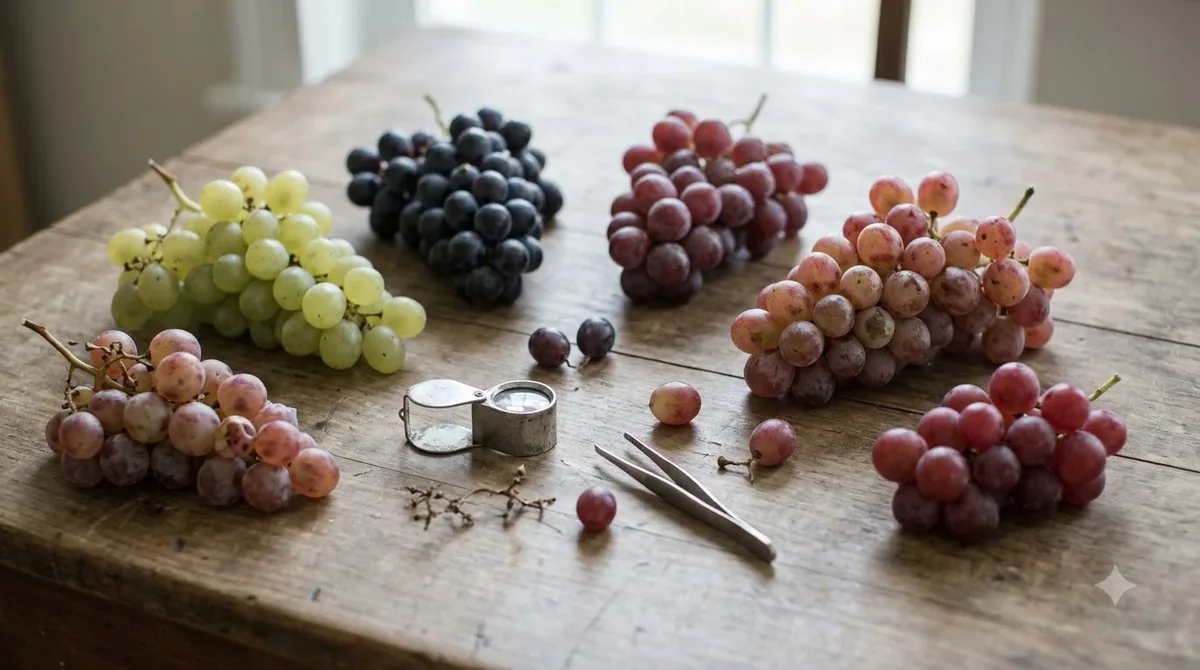
Languedoc reds are usually blends, and several grapes do much of the work. Grenache is a major grape in the region. Wine Folly describes it as fruit-forward and aromatic, with flavors of stewed strawberry, grilled plum, dried herbs, and blood orange. It is medium-full bodied with medium tannins, and it is often used for its fruit and softness in blends.
Carignan is another traditional grape. The Carignan grape guide from Wine Folly describes a dry, medium-bodied red with medium-high acidity and flavors of dried cranberry, raspberry, tobacco leaf, and baking spice. The page notes that it is commonly blended with Grenache and Syrah, which is a pattern you will see across many Languedoc bottles.
Syrah and Mourvèdre add structure, color, and darker flavors. Whites tend to rely on local varieties and on Picpoul de Pinet, a crisp white that is one of the region’s better-known names. Rosé is also important, and many producers make pale, dry styles for warm weather.
Blends are the norm rather than the exception here, and winemakers often adjust the mix from one vintage to the next. Because of that, two bottles with the same label can taste slightly different from year to year, which is part of the appeal for drinkers who like to compare vintages.
| Style | Typical grapes | Typical flavors | Best served with |
|---|---|---|---|
| Red blend | Grenache, Syrah, Carignan, Mourvèdre | Red fruit, herbs, spice | Roast lamb, grilled vegetables, stews |
| Dry white | Local varieties, Picpoul | Citrus, sea salt, white flowers | Oysters, seafood, goat cheese |
| Rosé | Grenache, Cinsault | Strawberry, citrus, dry finish | Salads, grilled fish, picnics |
| Sweet wine | Muscat | Orange peel, honey, apricot | Fruit desserts, blue cheese |
Tip: On a Languedoc label, the appellation name tells you more about the style than the grape name alone. Look for a village or appellation name when you want a specific place, and for a regional indication when you want a simpler, easy-drinking bottle.
How to Serve Languedoc Wine
Serve Languedoc reds slightly cooler than room temperature, around 15 to 18 degrees Celsius, so the fruit stays fresh and the herbs stay lively. A short decant helps younger, more structured blends open up. Whites and rosés should be chilled, and they are best within a year or two of the vintage.
Many Languedoc reds are made for everyday meals, so there is no need for special glassware. A standard wine glass with a medium bowl suits most bottles. Keep unfinished bottles corked and in the fridge if they are white or rosé, and let reds sit out for an hour or so before serving.
Food Pairing Ideas
Languedoc food is built on olive oil, garlic, herbs, and grilled vegetables, which makes local wines easy to pair at home. Red blends match roast lamb, grilled sausage, and bean stews. Herb-heavy dishes such as ratatouille also suit a fresh red with good acidity.
Whites and rosés go well with shellfish, grilled fish, and goat cheese. The Mediterranean character of the region means that salt and citrus pair naturally with the wines. Keep spicy dishes in mind, because heat can make a bold red taste harsher.
A simple meal of grilled vegetables, olive oil, and bread can be a complete match for a Languedoc red. The herbs in the dish echo the garrigue notes in the wine, and the olive oil softens the tannins without weighing down the palate.
Languedoc Appellations and Labels
The regional wine body notes that the Languedoc has around twenty protected appellations, along with a set of regional and complementary designations. Names such as Languedoc, La Clape, Saint-Chinian, Limoux, and Picpoul de Pinet appear often on bottles and shelves. Each one points to a specific set of rules for grapes, yields, and winemaking.
Regional indications, which are less strict, cover broader areas across the south of France. They often offer good value for everyday drinking, and they let winemakers try varieties that fall outside the main appellation rules. Reading the label helps you tell which style you are buying.
Look for producer names as well. Smaller estates often make a range of wines from several appellations, and tasting a few from the same house gives a clear sense of how the producer approaches the region’s grapes.
Buying and Tasting Languedoc Wine
Languedoc wine is widely available, and a good starting point is a red blend from a known appellation, followed by a white or rosé to compare the range. Tasting several bottles side by side makes the differences clear, especially between a young Grenache-led blend and a Syrah-heavy style.
Many shops carry a shelf of southern French wines, so it is worth asking staff for a recommendation based on the dishes you plan to cook. A good shop can point you to a fresh rosé for warm weather or a richer blend for a winter meal.
When you shop, check the vintage, the appellation, and the producer’s name. Ask staff whether the wine is made in a fresh style or a richer one, since the region covers both. If you plan to drink a bottle soon after buying, choose a younger wine. Structured reds can be kept longer, and the producer’s notes will tell you how.
Frequently Asked Questions
What is Languedoc wine known for?
Languedoc is known for affordable, flavorful blends made from Grenache, Syrah, Carignan, and Mourvèdre. Its warm, windy climate gives the wines ripe fruit and fresh herb notes.
Is Languedoc wine the same as Côtes du Rhône?
No. The two regions are separate, although they share some grapes and similar blending styles. The Rhône lies to the north and east of the Languedoc.
What grape is Languedoc white wine made from?
Whites use several local varieties. Picpoul de Pinet is one of the best-known, and it is crisp and dry with citrus and sea-salt notes.
Should I decant a Languedoc red?
Younger, more structured reds benefit from a short decant. Lighter everyday blends can be opened and poured without it.
Languedoc wine rewards people who enjoy trying new styles. Start with a red blend and a crisp white, then compare a few appellations. For a different European comparison, the Douro wine guide covers another old region with strong blends and a distinct sense of place.
More in Wine Regions
 Willcox Wine Trail: Discover Arizona’s High-Elevation Wine CountryUpdated Nov 20, 2026
 Yakima Valley Wine Region: Find the Best Styles to TryUpdated Nov 20, 2026
 Vosne Romanee Wine Tasting: Identify Aromas and Choose Better PairingsUpdated Nov 20, 2026
 Yakima Valley Wine Festival: Find the Best Seasonal Wine EventsUpdated Nov 20, 2026
 Wales Vineyards: Discover Cool-Climate Wines and Where to VisitUpdated Nov 20, 2026
 Yountville Wine Festival: Discover Napa Wines and Local FoodUpdated Nov 20, 2026