

We may earn a commission when you buy through links on this page, at no extra cost to you. Learn more.
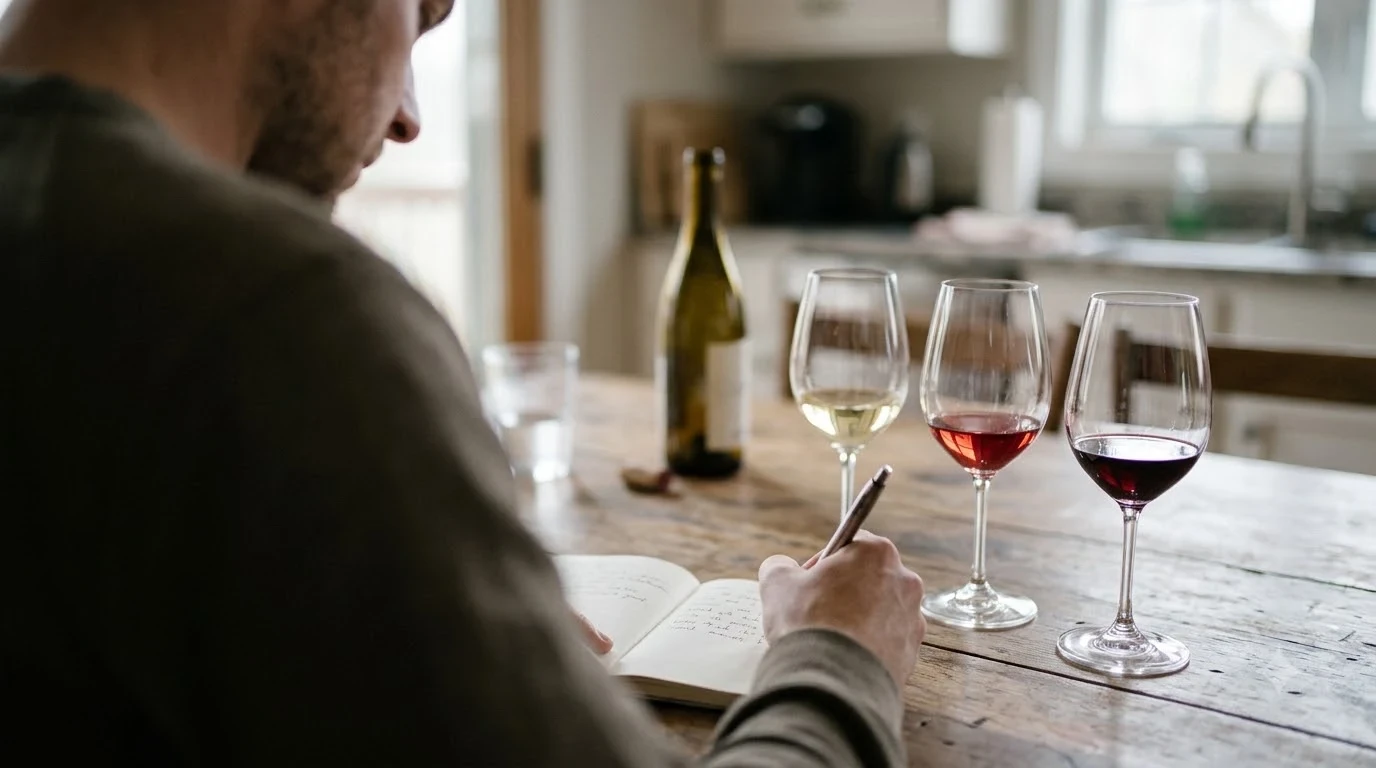
Dreaming Tree Crush tasting notes highlight juicy raspberry, dark cherry, smoky berry, and a soft, fruit-forward finish in an approachable California red blend. The wine combines ripe fruit character with gentle oak influences and a rounded texture. It is generally a good match for barbecue, pulled pork, burgers, and other flavorful dishes, making it a practical choice for casual dinners and relaxed gatherings.
Dreaming Tree Crush is designed around generous fruit flavors rather than aggressive tannins or austere structure. Its precise grape composition and alcohol level can differ between vintages and market listings, but the recognizable profile centers on berry fruit, cherry, and a smooth finish. Understanding its aromas, sweetness, texture, and food compatibility makes it easier to decide whether this red blend suits your preferences and how best to serve it.
Dreaming Tree Crush Flavor Profile and Aromas
Dreaming Tree Crush is a fruit-forward red blend with prominent raspberry, dark cherry, and smoky berry aromas. Its flavor profile combines ripe red and dark fruit with softer notes of oak, spice, and mocha in certain vintages.
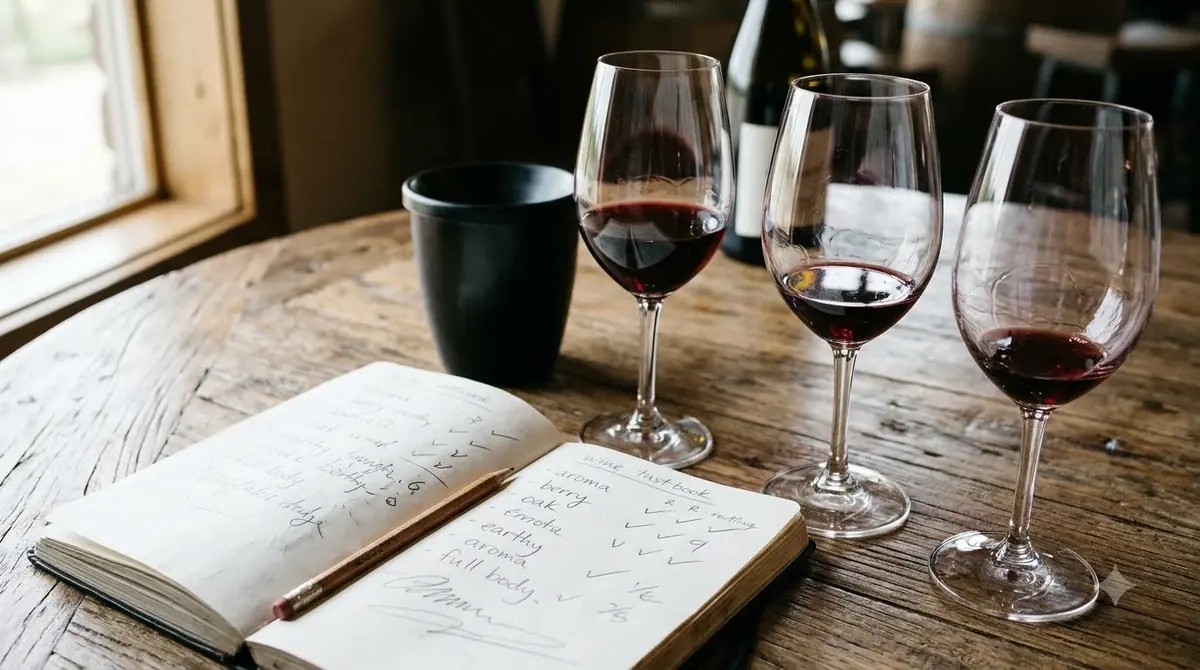
The producer describes smoky berry and raspberry jam as its principal aromatic characteristics. These aromas establish the wine’s personality before the first sip. Raspberry provides a recognizable sweet-fruited impression, while dark cherry contributes a deeper, rounder character. The smoky element adds contrast and keeps the aromatic profile from feeling like a simple bowl of fresh berries.
On the palate, the fruit character is generous. Expect raspberry, cherry, and other ripe berry impressions, with the exact balance depending on the bottling. Some professional descriptions identify blackberry, blueberry, and plum as additional flavors. These darker fruit notes give the wine more depth than its raspberry-led aroma might initially suggest.
Oak-related flavors can also influence the experience. Vanilla, woody notes, mocha, and caramel-like impressions have appeared in descriptions of different Crush bottlings. They contribute warmth and a slightly richer impression without making the wine taste like a heavily oaked Cabernet Sauvignon.
Wine Enthusiast’s review of the 2021 Crush offers a particularly detailed example of how complex the fruit and savory characteristics can become. The publication awarded that vintage 90 points and described pink peppercorn, chocolate-covered Maraschino cherry, blackberry, brandied blueberry, orange marmalade, Kalamata olive, grilled rosemary, and mocha latte. These are tasting observations for that particular vintage, not a promise that every bottle will show all eight characteristics.
The finish is an important part of the wine’s appeal. The producer describes it as long and soft, emphasizing an approachable texture rather than a drying, aggressively tannic ending. Fruit remains the main impression, with smoky and woody accents providing additional interest.
For the clearest producer description, see the official Dreaming Tree Crush tasting notes. They offer a useful starting point for recognizing the wine’s signature raspberry, dark cherry, and smoky berry character.
Grape Varieties and California Red Blend Composition
Dreaming Tree Crush is a blended red wine rather than a single-variety Merlot or Zinfandel. Different grapes contribute fruit, body, structure, and aromatic complexity, and the proportions can change between vintages.
Merlot is an important component in documented versions of Crush. It contributes juicy red fruit and a rounded middle palate. Merlot generally has softer tannins than Cabernet Sauvignon, helping produce a smoother impression that works well with the wine’s ripe fruit character.
Zinfandel contributes a different dimension. It is associated with ripe berry flavors and raspberry jam, making it a natural partner for the blend’s fruit-forward style. Its generous fruit character helps create the rich impression that many drinkers recognize in Crush.
Some historical versions also included Petite Sirah and Tannat. These varieties contribute darker fruit and additional structure. Petite Sirah is known for substantial color and tannin, while Tannat can contribute firmness and depth. Their inclusion can balance the softer fruit character of Merlot.
The producer’s technical sheet for the 2015 vintage documents the following composition. These figures describe that particular vintage, not a permanent recipe for every bottle.
| Grape variety | 2015 proportion | Contribution to the blend |
|---|---|---|
| Merlot | 62% | Juicy red fruit and mid-palate weight |
| Zinfandel | 17% | Ripe berries and raspberry jam |
| Tannat | 10% | Dark fruit and structure |
| Petite Sirah | 9% | Dark fruit and tannic support |
| Other varieties | 2% | Additional blending complexity |
There are also market-specific descriptions that show why it is important to distinguish between vintages. The SAQ, Quebec’s provincial liquor retailer, lists a version containing 67% Merlot and 33% Zinfandel. That composition is different from the documented 2015 blend.
These variations are normal for a California red blend. Winemakers can adjust grape selection and proportions to achieve a consistent overall house style while responding to the characteristics of individual harvests. The central objective is to preserve the wine’s approachable fruit character and soft finish.
For readers exploring other expressions from the same producer, our Dreaming Tree red wine overview provides additional context about the brand’s red wine range and its general style.
Sweetness, Body, Acidity, and Tannin
Dreaming Tree Crush is generally described as a dry red wine with noticeable ripe-fruit flavors and a medium to full impression on the palate. Its fruit-forward character can make it seem sweeter than its actual residual sugar level.
This distinction matters because fruity aromas and perceived sweetness are not the same thing. Raspberry jam, dark cherry, and ripe plum can create a sweet impression even when a wine is technically dry. Residual sugar is the amount of grape sugar remaining after fermentation, while perceived sweetness is also influenced by acidity, alcohol, fruit ripeness, and texture.
The SAQ lists its particular bottling as dry, with 6.4 grams of sugar per liter and a medium-bodied profile. The same listing gives an alcohol concentration of 13.5%. Those measurements should not be treated as universal specifications for every vintage.
The older 2015 producer technical sheet reports 8.5 grams per liter of residual sugar and 14% alcohol by volume. This illustrates how different versions can have different analytical measurements while maintaining a broadly recognizable fruit-forward style.
Acidity provides freshness and helps keep ripe fruit from becoming overly heavy. The historical 2015 sheet lists total acidity of 5.9 grams per liter and a pH of 3.60. Those figures describe that vintage’s composition and should not be automatically applied to current bottlings.
Tannin is another important part of the experience. Tannins create the drying sensation sometimes noticed along the gums and inside the cheeks. Merlot generally contributes softer tannins, while varieties such as Petite Sirah and Tannat can add more structure. The balance depends on the blend proportions and winemaking decisions.
Is Crush sweet enough for sweet-wine drinkers?
Not necessarily. Its ripe raspberry and cherry flavors can suggest sweetness, but it is best approached as a dry red rather than a dessert wine. Drinkers who prefer noticeably sweet wines may find it less sweet than expected.
Its fruit concentration does make it relatively approachable for people who are new to red blends. It does not require the same familiarity with firm tannins that a strongly structured Cabernet Sauvignon or young Tannat might demand. Those who enjoy soft textures and ripe fruit are more likely to appreciate its general style.
Alcohol Content and the Best Serving Temperature
Dreaming Tree Crush generally falls around 13.5% to 14% alcohol by volume in the documented examples discussed here. Serving it slightly cool, rather than at a warm room temperature, helps preserve its fruit aromas and keeps the alcohol impression balanced.
The SAQ lists 13.5% ABV for its Merlot and Zinfandel bottling, while Wine Enthusiast records 14% ABV for the 2021 vintage. The historical 2015 producer sheet also lists 14%. Differences can reflect vintage, production, and market-specific bottlings.
For this style of red wine, a useful serving target is approximately 60°F to 63°F. This sits within the usual 60°F to 65°F range for fuller red wines and is close to the 15°C to 17°C serving recommendation published by the SAQ.
Serving red wine too warm can make alcohol feel more prominent and can soften the definition of its aromas. Serving it excessively cold can make tannins seem firmer and mute some of the ripe fruit character. A moderate chill gives Crush a better balance between fruit, acidity, and texture.
How to chill a bottle
If the bottle is stored at ordinary indoor temperature, place it in the refrigerator for approximately 20 to 30 minutes before serving, adjusting for its starting temperature. If it is already cool, a shorter period may be sufficient.
Use an ordinary red wine glass with enough room to swirl the wine. A glass with a moderately wide bowl gives raspberry, cherry, and smoky aromas room to develop. Fill each glass to approximately 5 ounces rather than pouring to the rim.
Tip: Start serving Dreaming Tree Crush at approximately 60°F to 63°F. If the wine feels too warm or the alcohol seems prominent, give the bottle another 10 minutes in the refrigerator before pouring the next glass.
A standard 750 ml bottle provides approximately five 5-ounce servings. This makes it convenient for a small dinner gathering or a meal shared by several people.
Decanting is optional. A young bottle can benefit from 15 to 30 minutes of exposure to air if its aromas initially seem restrained, although extended decanting is not necessary for this approachable style. Unlike an older, structured red that may require careful sediment management, Crush is generally suitable for opening and serving without elaborate preparation.
Food Pairings for Dreaming Tree Crush
Dreaming Tree Crush works particularly well with barbecue, grilled pork, burgers, and savory dishes featuring smoky or roasted ingredients. Its ripe berry flavors and soft finish complement browned meat and moderately rich sauces without demanding an elaborate menu.
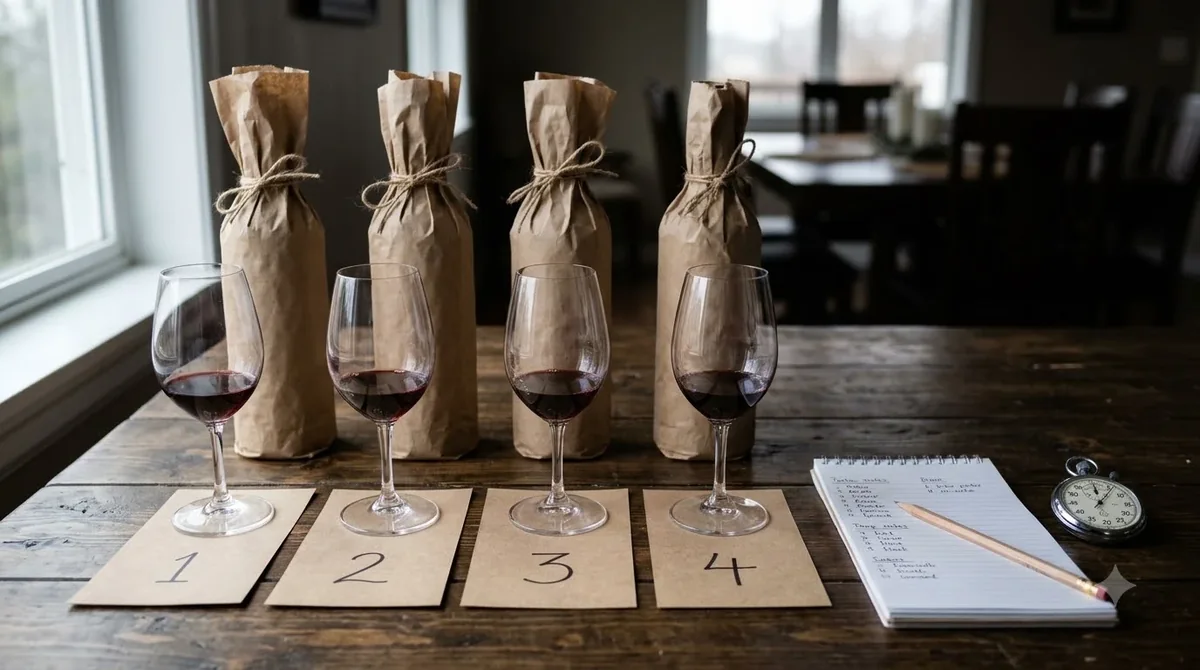
The producer specifically recommends barbecue ribs, Vietnamese-style pork sandwiches, and vegetarian stuffed poblano peppers. These suggestions reveal the wine’s versatility: it can accompany smoky meat, savory sandwiches, and vegetable dishes with substantial seasoning.
Barbecue ribs and pulled pork
Barbecue ribs are among the most natural matches. The smoky flavors of grilled or slow-cooked meat connect with the smoky berry aromas in the wine. Meanwhile, ripe raspberry and cherry flavors complement the caramelized exterior and savory meat.
Pulled pork sandwiches are another strong option. Their combination of tender pork, bread, seasoning, and barbecue sauce works with the wine’s fruit-forward character. For a particularly good match, choose a sauce with moderate sweetness rather than one dominated by intense vinegar or chili heat.
Vietnamese-style pork sandwiches
A Vietnamese-style pork sandwich offers an interesting contrast of savory meat, crisp vegetables, herbs, and pickled ingredients. The pork’s grilled or roasted flavors connect naturally with the wine’s fruit and smoky notes.
Acidity in the pickled vegetables can also help balance the wine’s fuller texture. However, particularly sharp pickles and heavy chili sauces can make the pairing less harmonious. A moderately seasoned sandwich with grilled pork, cucumber, cilantro, and restrained chili is a sensible choice.
Burgers and grilled beef
Beef burgers work well because their savory richness softens the perception of tannin. The wine’s dark cherry and blackberry flavors provide a fruit contrast to the grilled exterior of the meat.
Cheeseburgers are equally suitable. Melted cheddar, Swiss, or another moderately rich cheese can soften the wine’s drying sensations. Mushrooms, caramelized onions, and roasted peppers provide additional savory flavors that complement the smoky side of the blend.
Vegetarian dishes
Vegetarian stuffed poblano peppers are an especially useful option because they offer roasted vegetable flavors and substantial texture. A filling of rice, black beans, corn, and mild spices creates enough richness to stand alongside the wine.
Grilled eggplant, roasted mushrooms, and tomato-based vegetable casseroles are other possibilities. The key is to choose dishes with enough savory depth to balance a red blend rather than relying on delicate vegetables that could be overwhelmed by its fruit and tannin.
Cheese and lighter snacks
For a simple appetizer, serve Crush with medium-aged cheddar, Gouda, or semi-hard cheeses. Their fat and salt can soften the perception of tannin, making the wine feel rounder.
Roasted nuts, cured meats, and savory crackers are also suitable. Avoid making extremely spicy snacks the centerpiece of the pairing. Alcohol and tannin can amplify the sensation of chili heat, making an already hot dish feel more aggressive.
The following combinations offer a practical starting point:
| Food | Why it works | Serving suggestion |
|---|---|---|
| Barbecue ribs | Smoky flavors complement smoky berry aromas | Serve with moderate-sweetness barbecue sauce |
| Pulled pork | Rich meat complements ripe fruit | Add coleslaw and soft bread |
| Grilled burgers | Savory fat softens tannin | Use cheddar or roasted onions |
| Vietnamese-style pork sandwich | Grilled meat and pickled vegetables provide contrast | Keep chili seasoning moderate |
| Stuffed poblano peppers | Roasted vegetables and savory filling match the wine’s body | Use beans, rice, and mild spices |
| Aged cheddar | Salt and fat soften the drying sensation | Serve in small slices |
One pairing to approach cautiously is oily fish. Tannic red wines can clash with oily fish and produce an unpleasant metallic impression. Delicate seafood dishes are generally better served with a crisp white wine.
How Dreaming Tree Crush Compares With Other Red Wines
Dreaming Tree Crush occupies an approachable position among fruit-forward red blends. Its combination of ripe berries, soft texture, and moderate tannin makes it different from more structured reds, while its dry character distinguishes it from noticeably sweet red blends.
Its comparison with other wines becomes clearer when looking at sweetness, fruit intensity, acidity, and tannin separately. A wine can have concentrated fruit flavors without being sweet, and a smooth finish does not necessarily mean that it lacks structure.
Crush versus Apothic Crush
Dreaming Tree Crush and Apothic Crush appeal to drinkers who enjoy generous fruit flavors and an easygoing red-wine experience. However, the names should not be taken as evidence that the wines have identical recipes or sweetness levels.
Dreaming Tree Crush is associated with raspberry, dark cherry, smoky berry, and a soft finish. Apothic Crush has its own blending identity and should be assessed separately for its sweetness, texture, and fruit character.
Readers comparing these styles can explore our Apothic Crush tasting notes for a closer look at its flavor profile and serving suggestions.
Crush versus Cabernet Sauvignon
Cabernet Sauvignon typically has higher tannin than the approachable Merlot-led versions of Crush. It can provide firmer structure, more noticeable drying sensations, and flavors of blackcurrant, dark fruit, and sometimes green herbs.
Crush generally places more emphasis on ripe raspberry, cherry, and a soft finish. Cabernet Sauvignon may be a better choice for someone who prefers firm structure and classic steakhouse reds, while Crush is more suitable for drinkers who prioritize generous fruit and a rounded texture.
Crush versus Merlot
Merlot is often softer than Cabernet Sauvignon, with plum, cherry, and other ripe fruit characteristics. Because Merlot appears prominently in documented Crush blends, the comparison is useful.
However, Crush is not simply another name for Merlot. Its blending grapes can contribute additional berry intensity, darker fruit, and structure. A single-variety Merlot may offer a more direct expression of that grape, while Crush combines several influences into one wine.
Crush versus Pinot Noir
Pinot Noir usually has lower to medium tannin and higher acidity than many fuller red blends. Its flavors can include red cherry, cranberry, raspberry, and earthy characteristics.
Crush tends toward a richer, more concentrated fruit impression, with smoky and dark-fruit accents. Pinot Noir is often more suitable for delicate poultry dishes and lighter preparations, whereas Crush can stand up to barbecue ribs, pulled pork, and burgers.
For readers interested in comparing another grape-focused style, our Rombauer Chardonnay tasting notes explain a contrasting white wine profile, including its fruit, texture, and oak characteristics.
For a wider overview of producers and different wine styles, the Wine Brands section offers additional background for comparing bottles beyond their front labels.
Frequently Asked Questions
Who created The Dreaming Tree wine brand?
The Dreaming Tree was established through a collaboration between musician Dave Matthews and winemaking professionals. Its historical 2015 Crush technical sheet identifies winemaker Sean McKenzie as a collaborator on the wine. The project was developed around making approachable wines that express California fruit character.
Does Dreaming Tree Crush have a screw cap or cork?
The closure can depend on the particular bottle and market. Wine packaging is not necessarily identical across every distribution channel, so there is no reason to assume that all vintages use the same closure. The closure itself does not determine whether the wine is dry, sweet, or fruit-forward.
Can Dreaming Tree Crush be stored for several years?
Crush is primarily positioned as an approachable wine for drinking rather than long-term cellar aging. Its fruit-forward character is generally best enjoyed while the fruit remains fresh and expressive. For storage, keep an unopened bottle away from direct sunlight and temperature fluctuations, ideally on its side near 55°F if it has a natural cork.
Does Dreaming Tree Crush contain sulfites?
Commercially produced wines commonly contain sulfites, which can occur naturally during fermentation and may also be used in winemaking. The presence of sulfites is a separate question from the wine’s residual sugar, acidity, or tannin level. Packaging information provides the relevant declaration for an individual bottle.
What color should Dreaming Tree Crush have in the glass?
It is a red wine, and its appearance is generally expected to fall within the ruby to deep red range associated with fruit-forward red blends. The exact intensity can vary with grape composition, vintage, and production decisions. A clear glass held against a white background makes it easier to observe its color and clarity.
Dreaming Tree Crush is a practical choice for drinkers who enjoy ripe raspberry, dark cherry, smoky berry, and a soft red-wine finish. Its versatility with barbecue ribs, pulled pork, burgers, and roasted vegetarian dishes makes it particularly useful at the dinner table. Serve it around 60°F to 63°F and allow its fruit-forward character to complement the food rather than overpower it.
More in Wine Brands
 Pesquera Wine Price: Compare Bottles and Choose the Right WineUpdated Nov 21, 2026
 Oddbird Wine Review: Choose the Right Alcohol-Free StyleUpdated Nov 21, 2026
 Muga Wine Review: Choose the Right Rioja StyleUpdated Nov 21, 2026
 Penfolds Grange Review: How to Choose a Vintage Worth CellaringUpdated Nov 21, 2026
 Pedernales Wine Price: Compare Bottles and Find Your Best ValueUpdated Nov 21, 2026
 Opus One Overture Wine Price and What Buyers GetUpdated Nov 21, 2026