


We may earn a commission when you buy through links on this page, at no extra cost to you. Learn more.
Chateau Ste Michelle Riesling tasting notes typically feature crisp green apple, white peach, citrus, pear and subtle mineral flavors, balanced by refreshing acidity and medium-dry sweetness. This approachable Washington white wine combines ripe fruit character with enough freshness to work alongside seafood, Asian-inspired dishes, poultry and mild cheeses. Its moderate 12% alcohol content and noticeable fruit expression make it an appealing choice for both casual sipping and everyday meals.
Chateau Ste. Michelle is one of Washington’s recognizable wine producers, and its Columbia Valley Riesling demonstrates why the region is particularly well suited to this aromatic white grape. The standard Columbia Valley bottling emphasizes orchard fruit, gentle sweetness and refreshing acidity rather than heavy oak or pronounced richness. Understanding its aromas, palate, sweetness level and serving requirements makes it easier to decide whether this wine suits your preferences and which dishes will complement it.
Chateau Ste. Michelle Riesling Tasting Profile and Main Flavors
Chateau Ste. Michelle Columbia Valley Riesling is a medium-dry white wine with apple, peach and mineral characteristics. Its combination of ripe fruit aromas, balanced sweetness and crisp acidity creates a refreshing profile that remains approachable without tasting like a dessert wine.
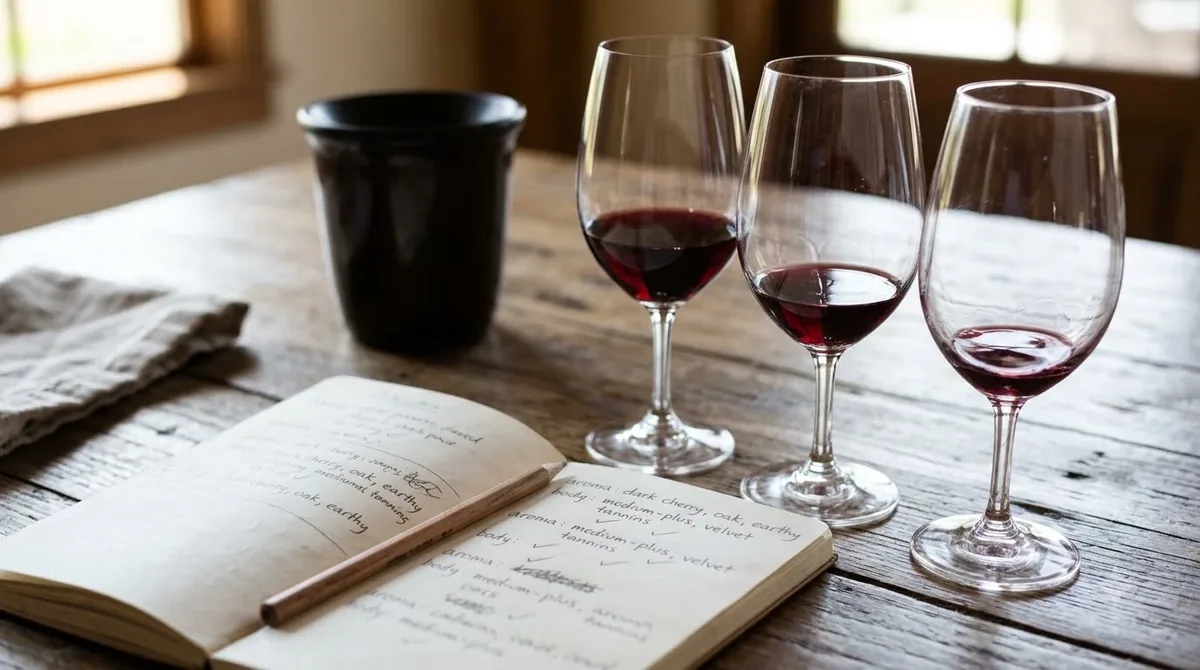
The winery identifies crisp apple and white peach as the central aromas and flavors of its Columbia Valley Riesling. These characteristics provide a useful starting point when evaluating the wine. Apple contributes a familiar orchard-fruit impression, while peach adds a softer, rounder quality. Subtle mineral notes provide contrast and keep the overall profile from seeming excessively fruity.
Additional tasting detail comes from Wine Enthusiast’s review of the 2024 Columbia Valley bottling. The publication identifies lemon-drop candy and dried mango aromas, followed by peach, mango, mint, lime zest, lychee, pear and honey on the palate. These notes suggest a more layered expression than the basic apple-and-peach description alone might indicate.
On the nose, expect a combination of fresh orchard fruit, citrus and delicate floral impressions. The fruit character is generally more noticeable than oak or baking-spice aromas. This makes the wine particularly suitable for drinkers who prefer white wines with clear varietal character rather than wines dominated by barrel aging.
The first sip typically emphasizes fruit and acidity together. Apple and peach provide the recognizable core, while citrus-like freshness creates definition. The medium-dry character gives the wine a slightly rounded impression, but the acidity prevents that sweetness from becoming overwhelming.
The finish is refreshing and fruit-driven. Depending on the vintage and serving conditions, citrus, pear and gentle mineral impressions may remain noticeable after swallowing. Chilling the wine appropriately also helps preserve its freshness and makes the fruit character feel more precise.
These tasting notes describe the standard Columbia Valley Riesling rather than every wine carrying the Chateau Ste. Michelle name. The producer also makes a separate Dry Riesling, which has a different sweetness profile and deserves its own evaluation.
Sweetness, Acidity and Alcohol Content
The standard Chateau Ste. Michelle Columbia Valley Riesling is medium-dry, meaning it has perceptible residual sugar balanced by refreshing acidity. The winery lists 12% alcohol, 2.1 grams of residual sugar per 100 milliliters and total acidity of 0.70 grams per 100 milliliters for its Columbia Valley bottling.
Sweetness is one of the most important characteristics to understand before opening this wine. Medium-dry does not mean intensely sweet. Instead, it describes a wine with a noticeable touch of sweetness that remains balanced by its natural acidity.
The winery’s published residual sugar figure provides a useful numerical reference. At 2.1 grams per 100 milliliters, the wine has 21 grams of residual sugar per liter. This measurement helps explain its rounded fruit impression, although sweetness perception also depends on acidity, alcohol and the individual drinker’s palate.
Its listed acidity of 0.70 grams per 100 milliliters helps give the wine a lively character. Acidity is especially important in Riesling because it provides structure and balances the impression of residual sugar. A wine with noticeable sweetness and insufficient acidity can feel heavy, while a well-balanced example remains refreshing.
The listed pH of 2.94 provides another indication of its acidic structure. Although pH and total acidity measure different things, both help describe the wine’s chemical composition. For everyday tasting, the practical result is a white wine with sufficient freshness to accompany food rather than simply tasting sweet.
Alcohol is relatively moderate at 12%. This contributes to an approachable drinking style and allows the fruit and acidity to remain prominent. It also makes the wine a useful alternative to richer white wines when you want something less weighty with dinner.
For comparison, Chateau Ste. Michelle’s separate Columbia Valley Dry Riesling has a different composition. The winery lists 12.5% alcohol, 0.84 grams of residual sugar per 100 milliliters and total acidity of 0.65 grams per 100 milliliters for that bottling. Its official Dry Riesling description and wine analysis provide further details about this drier alternative.
| Characteristic | Columbia Valley Riesling | Columbia Valley Dry Riesling |
|---|---|---|
| Wine style | Medium-dry | Dry |
| Grape composition | 100% Riesling | 100% Riesling |
| Alcohol | 12.0% | 12.5% |
| Residual sugar | 2.1 g/100 mL | 0.84 g/100 mL |
| Total acidity | 0.70 g/100 mL | 0.65 g/100 mL |
| pH | 2.94 | 3.2 |
The figures above are the winery’s published analytical specifications for the respective wines. They are useful for understanding the differences between the two styles, although individual vintage characteristics can vary. If you prefer a rounder, fruitier impression, the standard Riesling is a natural starting point. If you generally prefer less residual sugar, the Dry Riesling is the more suitable choice.
Tip: Do not judge Riesling sweetness by fruit aromas alone. Apple, peach, mango and honey-like aromas can appear in both dry and medium-dry wines. Look at the wine’s stated style and consider how its acidity balances the fruit.
How the Columbia Valley Influences Riesling Character
Washington’s Columbia Valley provides conditions that help Riesling develop ripe fruit flavors while retaining refreshing acidity. Warm summer days encourage fruit development, while cool nights and substantial temperature changes help preserve the grape’s natural freshness.
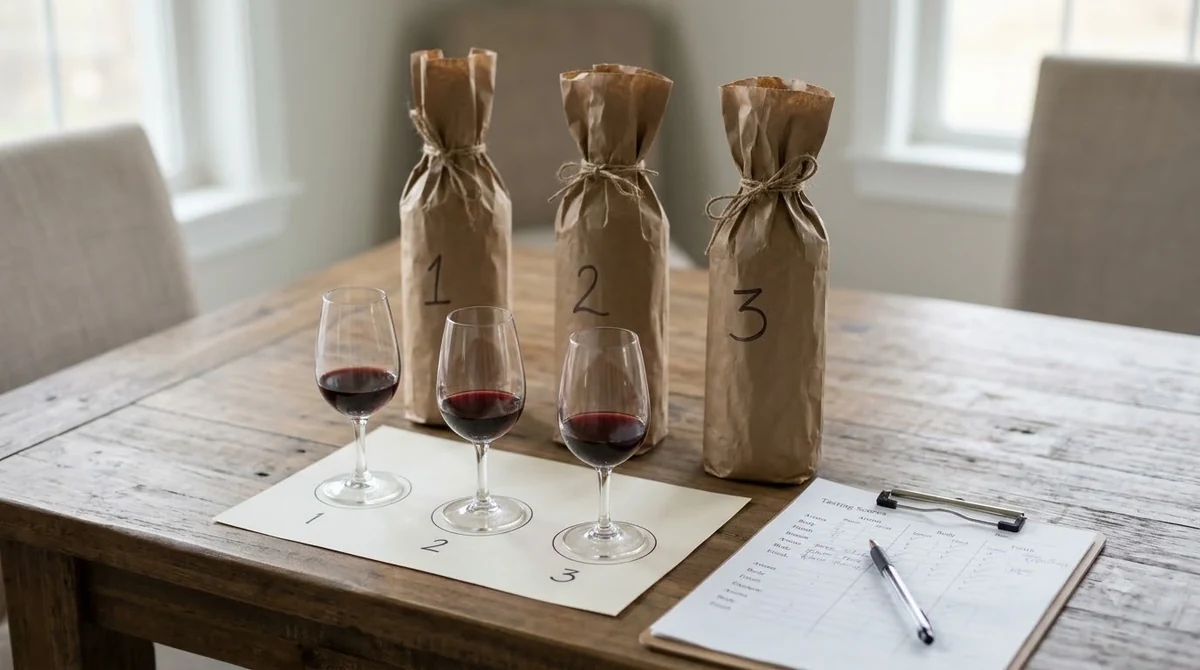
The Columbia Valley is a large American Viticultural Area spanning central, south-central and southeastern Washington as well as north-central Oregon. According to the Washington State Wine Commission, the AVA covers approximately 11 million acres and was designated in 1984. It is one of the most important growing regions for Washington wine. The commission’s Columbia Valley AVA profile explains the region’s geography, soils and growing conditions.
The region’s climate plays an important role in shaping Riesling. The Washington State Wine Commission reports that temperature differences between daytime highs and nighttime lows can range from 35 to 47 degrees Fahrenheit. These changes help explain how Washington wines can combine ripe fruit flavors with lively acidity.
Long summer days encourage grapes to develop their aromatic and flavor characteristics. Meanwhile, cooler nights help retain freshness as the fruit matures. This combination is especially useful for Riesling because the grape can express ripe peach and tropical fruit while maintaining the acidity needed for balance.
The Columbia Valley also receives relatively little rainfall. The Washington State Wine Commission reports average annual precipitation of approximately 6-8 inches. Because the region lies in the rain shadow of the Cascade Mountains, irrigation is an important part of vineyard management.
Its soils contribute another part of the regional identity. Loess, gravel, slackwater sediment and basalt bedrock are among the geological features identified by the Washington State Wine Commission. These varied conditions provide vineyard sites with different growing characteristics and help support a range of wine styles.
Chateau Ste. Michelle describes its Columbia Valley Riesling as sourced from vineyards throughout the region. This broad sourcing approach allows the producer to work with fruit from different vineyard locations rather than relying on a single site. The resulting wine emphasizes an accessible combination of fruit, freshness and moderate sweetness.
For drinkers exploring Washington Riesling, this regional context is useful. The style does not need to imitate a German Riesling or an Alsatian Riesling to be appealing. Its identity comes from the Washington growing environment and the winemaker’s decision to balance ripe fruit with refreshing acidity.
Winemaking and What to Expect in the Glass
Chateau Ste. Michelle’s Columbia Valley Riesling is made to preserve fresh fruit character rather than emphasize oak influence. The winery identifies the blend as 100% Riesling and reports fermentation temperatures of 55-60 degrees Fahrenheit to maintain freshness.
Temperature-controlled fermentation is important for aromatic white varieties. Riesling can express delicate floral, citrus and orchard-fruit aromas, and managing fermentation conditions helps retain these characteristics. Cooler fermentation also supports a fresh, fruit-centered style that fits the wine’s medium-dry positioning.
The winery’s published technical information provides a clear picture of the standard bottling. Its 100% Riesling composition emphasizes the grape itself, while the fermentation temperature indicates an effort to preserve freshness. Together, these details help explain why apple, peach and citrus impressions are more prominent than obvious oak or vanilla characteristics.
The standard Columbia Valley bottling should also be distinguished from the producer’s Dry Riesling. The latter undergoes cool fermentation in stainless steel, according to the winery, and is designed to produce a dry, refreshing style with sweet citrus aromas and crisp acidity.
For drinkers comparing the two wines, the difference is primarily about balance and sweetness rather than grape variety. Both are based on Riesling, but their published residual sugar and alcohol figures are different. Choosing between them therefore depends largely on whether you enjoy a little sweetness in your white wine.
Understanding vintage variation
Although the winery provides typical tasting characteristics, the exact experience can change from one vintage to another. Differences in growing conditions, harvest timing and fruit selection can influence aromatic intensity, acidity and perceived sweetness.
Wine Enthusiast’s review of the 2024 Columbia Valley Riesling offers one specific example. Its tasting description includes lemon-drop candy, dried mango, peach, mint, lime zest, lychee, pear and honey. That detailed description adds another layer to the winery’s more general apple-and-peach profile.
Different reviews may emphasize different characteristics without necessarily contradicting each other. One taster might identify citrus and peach first, while another might notice mango, pear or floral impressions. Aroma sensitivity, serving temperature and the condition of the bottle all influence what becomes noticeable.
Readers comparing this bottle with Clean Slate Riesling tasting notes can use sweetness, acidity and fruit intensity as useful comparison points. These characteristics often provide more practical guidance than relying on a single tasting descriptor.
Serving Temperature, Glassware and Storage
Serve Chateau Ste. Michelle Riesling well chilled, ideally at approximately 45-50 degrees Fahrenheit. This temperature range helps preserve the wine’s refreshing acidity while allowing apple, peach and citrus aromas to remain noticeable.
Serving the wine too warm can make its sweetness and alcohol seem more prominent. A temperature that is too cold can temporarily mute its aromas and make the fruit character less expressive. A moderately chilled serving temperature offers a practical balance between freshness and aromatic definition.
A standard white wine glass works well. A medium-sized bowl gives the wine room to release its aromas without requiring specialized Riesling glassware. A narrow opening can help concentrate the aromatic experience, but an ordinary white wine glass is perfectly suitable for casual meals.
For a typical dinner, pour approximately 5 ounces per serving. A standard 750 mL bottle provides about five such glasses. This serving size gives everyone enough wine to appreciate its aromas and taste while leaving room for food and water.
Chateau Ste. Michelle Riesling does not require decanting. Unlike a young, full-bodied red wine that may benefit from 30-60 minutes of aeration, this fresh white is generally best enjoyed shortly after opening. Simply chill the bottle and pour when ready.
Storing an opened bottle
After opening, replace the closure and refrigerate the remaining wine. A properly resealed bottle of still white wine generally retains useful freshness for approximately 3-5 days when stored in the refrigerator.
Over time, exposure to oxygen gradually changes the wine. Fresh apple and citrus impressions may become less pronounced, while the aroma can develop softer or less lively characteristics. Keeping the bottle cold slows this process but does not stop it completely.
For the best experience, use a reliable wine stopper and avoid leaving the bottle open on a kitchen counter overnight. If you plan to serve the remaining wine later, allow it a few minutes outside the refrigerator before pouring if it seems excessively cold.
Unopened bottles should be stored away from direct sunlight and major temperature fluctuations. A cool, dark storage location is preferable to a warm kitchen shelf. For longer-term storage, a consistent temperature near 55 degrees Fahrenheit is a useful general target.
Best Food Pairings for Chateau Ste. Michelle Riesling
Chateau Ste. Michelle’s medium-dry Riesling pairs particularly well with seafood, mildly spicy Asian dishes, pork, chicken and foods with a touch of sweetness. Its acidity refreshes the palate, while the fruit and residual sugar help balance savory, salty and moderately spicy flavors.
Seafood is an excellent starting point. Grilled shrimp, crab cakes, steamed mussels and white fish work well because their delicate flavors do not overpower the wine. The apple and peach notes complement the natural sweetness of shellfish, while acidity provides freshness between bites.
For richer seafood preparations, consider dishes with butter, cream or a light citrus sauce. Riesling’s acidity helps cut through the impression of richness, making it a useful match for salmon prepared without heavy tannic sauces. Avoid pairing strongly tannic red wine with oily fish, as the combination can create an unpleasant metallic impression.
Asian cuisine and spicy dishes
The medium-dry style is especially useful with moderately spicy food. Thai green curry, chicken satay, vegetable stir-fry and lightly spicy noodles can work well with the wine’s fruit and acidity. A little residual sugar softens the perception of heat and makes the pairing more comfortable.
However, extremely hot dishes require some care. Alcohol and tannin can amplify chili heat, so a moderately alcoholic white wine is often preferable to a powerful red with substantial tannin. Keeping the food’s spice level moderate allows the peach and citrus character to remain noticeable.
Chinese dishes also provide several good options. Ginger chicken, steamed dumplings, lightly sweet-and-sour preparations and pork with a mild glaze can complement the wine’s orchard-fruit character. The combination of acidity and gentle sweetness works particularly well when the dish includes ginger, citrus or a modest amount of sugar.
Poultry, pork and vegetarian dishes
Roasted chicken with lemon, grilled pork tenderloin and turkey with fruit-based sauces are useful choices. The wine’s medium-dry character complements the mild sweetness of roasted vegetables and glazes, while its acidity keeps the meal from feeling too rich.
Vegetarian dishes can work equally well. Try it with roasted squash, vegetable spring rolls, mushroom risotto or a salad containing apple slices and goat cheese. These foods offer a combination of mild sweetness, savory flavors and acidity that can complement the wine’s profile.
Cheese is another practical pairing category. Mild cheddar, young Gouda, Brie and fresh goat cheese can work particularly well. Very pungent or intensely aged cheeses may overwhelm the relatively delicate fruit character, so milder options are a safer starting point.
Sweet foods and dessert
For dessert, select something that is no sweeter than the wine. Fresh peach slices, apple tart with restrained sweetness and lightly sweet fruit pastries can provide a pleasant match. A dessert that is substantially sweeter than the Riesling may make the wine taste thin, sour or less fruity.
Acidic foods should generally be matched with wines that have equal or higher acidity. For example, a salad with a sharp citrus dressing is more likely to work when the dressing is balanced rather than extremely sour. This principle helps prevent the food from making the wine seem flat.
Salt and fat can soften tannin in red wines, but Chateau Ste. Michelle Riesling has no significant tannic structure to manage. Instead, consider how salt enhances fruit perception and how acidity refreshes the palate. These qualities make it flexible with seafood, poultry and many vegetable-based dishes.
For additional comparisons, readers can explore Dr. Loosen Riesling tasting notes to understand how another recognizable Riesling producer expresses the grape. Those interested in a different white-wine style can also compare the Chateau Ste Michelle Chardonnay alcohol content and consider how Chardonnay differs in acidity, body and flavor.
Frequently Asked Questions
Is Chateau Ste. Michelle Riesling suitable for beginners?
Yes. Riesling is often approachable for new wine drinkers because it can combine recognizable fruit aromas with refreshing acidity. Chateau Ste. Michelle’s medium-dry bottling offers a useful introduction to the grape without requiring familiarity with complex wine terminology.
Does Chateau Ste. Michelle Riesling contain oak aging flavors?
The standard Columbia Valley Riesling is primarily fruit-focused rather than oak-driven. Its published tasting profile emphasizes apple, peach and mineral impressions, and the winery highlights controlled fermentation to maintain freshness rather than presenting oak as a defining characteristic.
Can Chateau Ste. Michelle Riesling be used in cooking?
Yes. A modest amount can be used in sauces for chicken, seafood and pork. Its acidity can add brightness to a pan sauce, while its fruit character works with ingredients such as ginger, citrus and apples. Avoid reducing it excessively if you do not want its residual sweetness to become concentrated.
Is Riesling the same grape as Gewürztraminer?
No. Riesling and Gewürztraminer are separate white grape varieties, even though both can produce aromatic wines. Gewürztraminer often has distinctive lychee, rose and spice characteristics, whereas Riesling commonly displays citrus, apple, peach and floral aromas.
Does Chateau Ste. Michelle make Riesling in other styles?
Yes. The producer offers a separate Dry Riesling alongside its standard Columbia Valley Riesling. It also produces Eroica Riesling, a collaboration with German producer Dr. Loosen, which offers another expression of Washington Riesling and is distinct from the standard medium-dry bottling.
Chateau Ste. Michelle Columbia Valley Riesling is a refreshing, fruit-forward white wine with apple, peach, citrus and mineral characteristics supported by balanced acidity and medium-dry sweetness. Its approachable profile, moderate alcohol and versatility with seafood, poultry and moderately spicy dishes make it a practical choice for everyday meals. Start by serving it at 45-50 degrees Fahrenheit with a favorite seafood or Asian-inspired dish, and explore other Washington Rieslings to discover which sweetness level and flavor profile you enjoy most.
More in Wine Brands
 Louis Latour Wine Price: Compare Bottles by Style and TierUpdated Nov 20, 2026
 Yellow Tail Moscato Price: What to Expect Before You BuyUpdated Nov 20, 2026
 Sutter Home Sweet Red Review: Find the Right Food PairingsUpdated Nov 20, 2026
 Franzia Chillable Red Review: Find the Right Serving StyleUpdated Nov 20, 2026
 Veuve Clicquot Rose Review: Flavor, Food Pairings and Buying AdviceUpdated Nov 20, 2026
 Rombauer Wine Price: Compare Bottles Before You BuyUpdated Nov 20, 2026