

We may earn a commission when you buy through links on this page, at no extra cost to you. Learn more.
Campo Viejo Rioja alcohol content is typically 13% ABV for the standard Tempranillo and 13.5% ABV for the Reserva. These percentages describe the alcohol by volume, or the proportion of a wine’s volume made up of pure alcohol. The exact strength depends on the particular Campo Viejo bottling, so the standard red and the more mature Reserva should not be treated as identical. Both are Spanish Rioja wines made primarily with Tempranillo, although Reserva also includes Graciano and Mazuelo.
Campo Viejo is a familiar name in Spanish red wine, but its different bottlings can create confusion for shoppers comparing alcohol percentages. A difference of half a percentage point might seem small, yet it changes the amount of alcohol in a measured glass. Understanding the standard Tempranillo, Reserva, bottle measurements, and serving recommendations makes it easier to choose the right wine for a meal or occasion.
Campo Viejo Rioja Alcohol Content by Bottling
The standard Campo Viejo Rioja Tempranillo is listed at 13% ABV, while Campo Viejo Reserva is listed at 13.5% ABV. These are useful reference figures for the two widely encountered red wine styles, although individual releases and markets can have different specifications.
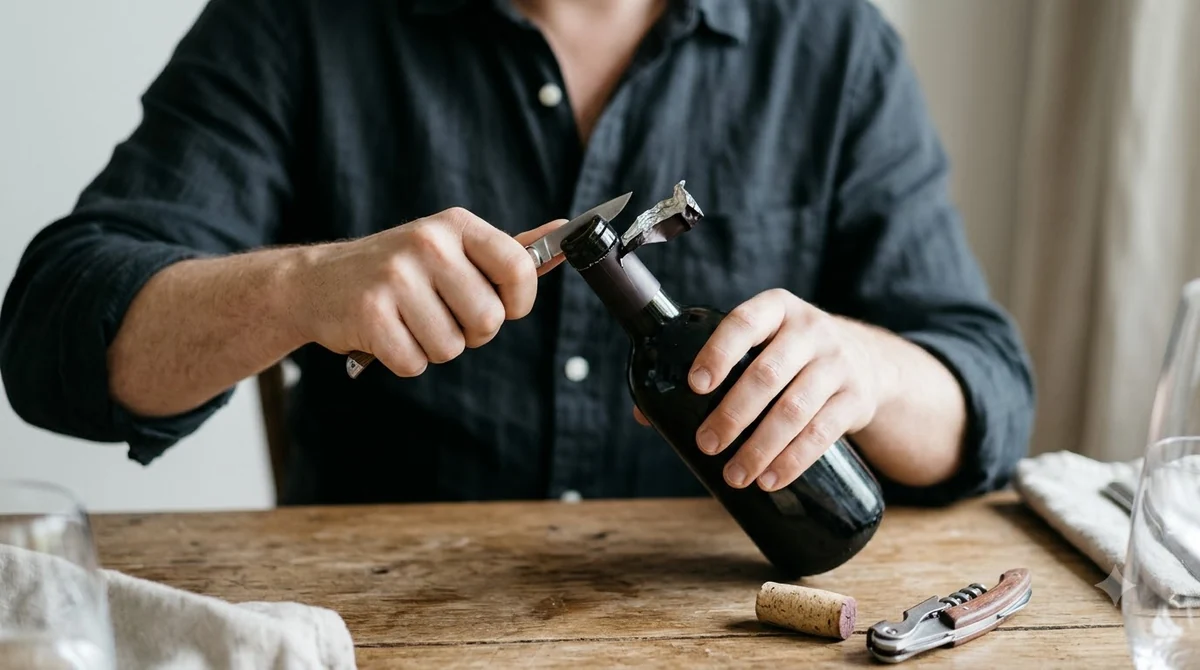
The standard Tempranillo is a fruit-forward Rioja red made entirely from Tempranillo grapes. Waitrose lists it at 13% ABV and describes its character through ripe red fruit, sweet spice, vanilla, and a deep cherry-red appearance. Its four months in American oak contribute additional character without making it the same style as the longer-aged Reserva. The combination makes this bottling a straightforward introduction to Campo Viejo’s Rioja range.
The Reserva has a slightly higher listed alcohol concentration of 13.5% ABV. Campo Viejo’s official UK product page identifies Tempranillo, Graciano, and Mazuelo as its grape varieties. Its tasting description includes cherries, black plums, ripe blackberries, clove, pepper, vanilla, and coconut. The producer describes the tannins as elegant and soft, with a medium-weight palate and a long finish.
Here is a practical comparison of the published specifications:
| Campo Viejo bottling | Listed ABV | Grape varieties | Other details |
|---|---|---|---|
| Rioja Tempranillo | 13% | 100% Tempranillo | Four months in American oak |
| Rioja Reserva | 13.5% | Tempranillo, Graciano, Mazuelo | Four years of ageing described by producer |
The Reserva’s ageing description deserves a little attention. Campo Viejo describes its official Reserva product as aged for four years, while the Sainsbury’s listing for its particular Reserva product specifies three years of total ageing, including at least 12 months in barrels and six months in the bottle. These descriptions should not be combined into one universal ageing specification. They illustrate why individual product information matters when comparing wine releases and markets.
The most useful takeaway is that the standard Tempranillo and Reserva have relatively close alcohol concentrations. A move from 13% to 13.5% is a modest increase, not a dramatic change in drinking strength. The more noticeable distinction between the wines is their grape composition, oak treatment, ageing, and flavor profile.
For a closer look at aroma, flavor, and structure, see our Campo Viejo Rioja tasting notes.
What ABV Means for a Glass and a Bottle
ABV means alcohol by volume, the standard measurement used to express the concentration of alcohol in wine. A wine at 13% ABV contains approximately 13 milliliters of pure alcohol in every 100 milliliters of wine, while a wine at 13.5% contains approximately 13.5 milliliters.
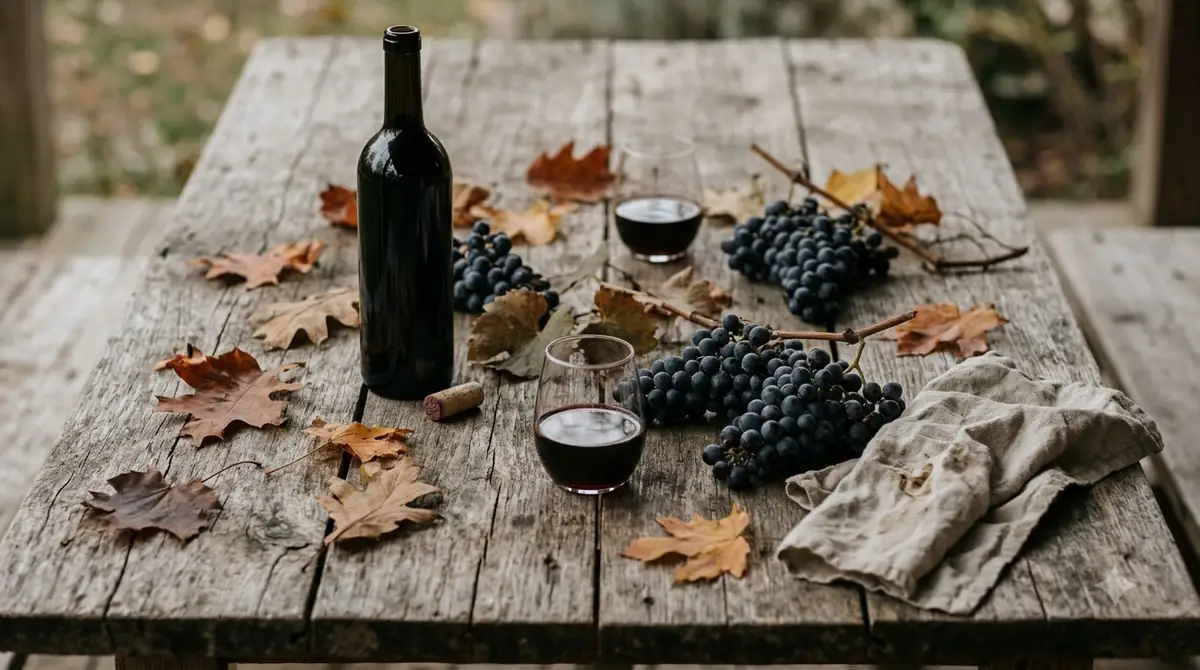
This measurement helps explain why serving size matters. A 750-milliliter bottle of Campo Viejo Rioja at 13% ABV contains approximately 97.5 milliliters of pure alcohol. At 13.5% ABV, the same bottle contains approximately 101.25 milliliters. The difference is 3.75 milliliters of pure alcohol across the full bottle.
For a practical comparison, consider a standard 5-ounce pour. Five US fluid ounces is approximately 148 milliliters. At 13% ABV, that serving contains about 19.3 milliliters of pure alcohol. At 13.5% ABV, it contains approximately 20 milliliters.
The following figures show how the two concentrations compare across common serving sizes. Values are approximate and use the stated ABV rather than an assumed average.
| Serving size | 13% ABV | 13.5% ABV |
|---|---|---|
| 100 ml | 13 ml alcohol | 13.5 ml alcohol |
| 125 ml | 16.25 ml alcohol | 16.88 ml alcohol |
| 150 ml | 19.5 ml alcohol | 20.25 ml alcohol |
| 5 US fl oz, approximately 148 ml | 19.3 ml alcohol | 20 ml alcohol |
| 750 ml bottle | 97.5 ml alcohol | 101.25 ml alcohol |
These calculations refer to the volume of pure alcohol, not the total volume of the wine. They also explain why two glasses filled to different levels cannot be compared accurately by appearance alone. A 150-milliliter pour of a 13.5% wine contains more alcohol than a 125-milliliter pour of a 13% wine, despite the relatively small difference between their ABV figures.
A typical 750-milliliter bottle provides approximately five 5-ounce glasses. That is a serving-size estimate rather than a guarantee, since actual pours depend on the glass and the person serving the wine. Larger restaurant pours or generous home servings will produce fewer glasses from the same bottle.
Tip: To compare Campo Viejo wines accurately, use both the ABV and the amount poured. A 13% wine served in a 6-ounce glass can contain more alcohol than a 13.5% wine served in a smaller 4-ounce glass.
Why Campo Viejo Rioja Alcohol Percentages Differ
Different Campo Viejo bottlings can have different alcohol concentrations because they are not necessarily made from identical grapes, harvest conditions, or winemaking specifications. Grape ripeness, growing conditions, fermentation, and the intended wine style all influence the final alcoholic strength.
Grapes contain natural sugars that yeast converts into alcohol during fermentation. In general, grapes with higher sugar levels have the potential to produce wines with higher alcohol concentrations when fermentation converts more of that sugar into alcohol. The final result also depends on how the winemaking process is managed.
Tempranillo is particularly important to understanding Campo Viejo Rioja. It is the principal grape in many red Rioja wines and can produce fruit-forward wines with cherry, plum, and red berry characteristics. Campo Viejo’s standard Tempranillo is a single-variety expression, while its Reserva combines Tempranillo with Graciano and Mazuelo.
Those additional varieties contribute to the wine’s overall character, but their presence does not automatically explain a higher ABV. The 13.5% listed for Reserva is a product specification, not a fixed alcohol requirement for every wine containing Graciano or Mazuelo.
Ageing is another point that deserves clarification. Reserva wines spend more time ageing than young Rioja wines under the applicable traditional classification framework. Oak and bottle ageing can change the aromas, flavors, and texture perceived in the finished wine. They do not normally create a substantial increase in the alcohol percentage after fermentation is complete.
For example, Campo Viejo describes its Reserva through dark fruit, vanilla, coconut, clove, pepper, and toasted oak. Those characteristics help distinguish its style from the fresher red-fruit expression of the standard Tempranillo. They should not be interpreted as evidence that the wine contains substantially more alcohol.
Vintage conditions can also influence the final wine. Differences in rainfall, sunlight, temperature, and harvest timing affect grape development. Consequently, a producer may achieve different natural sugar levels across harvests even when using the same grape variety and a similar winemaking approach.
For shoppers, the important distinction is between a wine’s general style and its actual stated ABV. Crianza, Reserva, and Gran Reserva are ageing designations, not fixed alcohol percentages. Two Rioja wines with the same ageing category can have different ABV figures, and two Campo Viejo wines with different ageing descriptions can have relatively similar alcohol concentrations.
How Campo Viejo Compares With Other Rioja Wines
Campo Viejo’s 13% and 13.5% reference figures fit comfortably within the range commonly encountered in modern red Rioja. They represent a moderate-to-full-strength red wine style rather than an unusually low-alcohol or exceptionally high-alcohol bottling.
Rioja is a Spanish wine region with its own geographical designation and production regulations. Its wines include red, white, and rosé styles, and alcoholic strength varies according to grape varieties, growing areas, and production decisions. The Rioja regulatory framework sets minimum requirements, but it does not establish one universal ABV for all wines carrying the Rioja name.
That distinction is important when comparing Campo Viejo with another Rioja producer. A bottle of young Rioja might be labeled at 12.5%, while another producer’s Reserva could be listed at 14%. Both may be authentic Rioja wines, and neither number alone determines whether the wine is well made.
The traditional ageing categories also provide useful context:
- Joven or young Rioja: Generally emphasizes fresh fruit and may have limited oak ageing. Its alcohol concentration depends on the wine rather than the Joven designation.
- Crianza: Receives a longer ageing period and often develops more integrated fruit and oak characteristics. The designation does not mean every bottle has the same ABV.
- Reserva: Has more extensive ageing requirements and often shows greater integration between fruit, oak, and bottle-developed aromas. Campo Viejo Reserva is listed at 13.5% ABV.
- Gran Reserva: Represents a more extended ageing category, with additional time before release. Its alcohol concentration is still determined by the particular wine.
It is also useful to distinguish alcohol concentration from perceived body. A wine can feel full-bodied because of its fruit concentration, tannin, oak, and texture without necessarily having a much higher ABV. Similarly, a wine with 13% alcohol can taste richer than another wine with 14% if the wines have different structures.
For readers comparing red and white wines, grape variety matters too. Cabernet Sauvignon tends to have high tannin, Merlot generally has softer, medium tannins, and Pinot Noir often combines lower-to-medium tannin with high acidity. These characteristics affect how a wine feels alongside food, but they do not establish its exact alcohol content.
Campo Viejo should therefore be compared with other wines using several factors: the printed ABV, grape varieties, body, acidity, tannin, and intended serving style. Alcohol percentage is useful, but it is only one part of a wine’s overall identity.
Our guide to Campo Viejo red wine provides additional context about the brand’s red wine styles, while our article on Black Box Pinot Grigio alcohol content offers a useful comparison with a different wine category.
Serving Temperature and Food Pairing
Campo Viejo Rioja is best served slightly cool rather than warm at room temperature. A practical starting point is approximately 55–60°F for the standard Tempranillo, while a Reserva can be served around 60–65°F depending on its weight and the drinker’s preference.
Temperature influences how wine aromas and flavors are perceived. Serving a red wine too warm can make alcohol seem more prominent and can reduce the impression of freshness. Serving it too cold can make tannins seem firmer and mute some of the fruit aromas.
Waitrose recommends 15–16°C for its standard Campo Viejo Rioja Tempranillo. This is approximately 59–61°F, which sits near the upper end of the recommended range for lighter red wines. Sainsbury’s recommends 16–17°C for its listed Reserva, approximately 61–63°F, a suitable range for a more developed Rioja red.
Food pairing should account for the wine’s fruit, acidity, tannin, and alcohol together. The standard Tempranillo’s red-fruit and vanilla character works well with grilled chicken, roasted vegetables, pasta, and mild cheeses. Its moderate tannin makes it flexible with everyday meals that are not excessively spicy.
The Reserva offers additional options because its darker fruit and oak-derived flavors can stand alongside richer foods. Campo Viejo specifically recommends red meat, grilled dishes, roasts, game, mature cheese, blue cheese, mushroom risotto, and aubergine parmigiana.
Matching Rioja with different foods
Grilled beef and lamb are natural partners for Reserva. The proteins and fat in the food soften the perception of tannin, while browned and roasted flavors complement the wine’s vanilla, pepper, and toasted-oak notes. A grilled steak with mushrooms or roasted lamb with herbs makes a particularly suitable combination.
Cheese can work equally well. Mature hard cheeses provide salt and fat that help balance tannic red wines. Blue cheese can also pair successfully with the fruit and structure of Reserva, particularly when served in modest portions alongside bread or nuts.
For vegetarian meals, mushroom risotto and aubergine parmigiana are strong choices. Mushrooms contribute savory flavors that complement the wine’s earthy and oak-derived notes, while the tomato, cheese, and roasted aubergine in parmigiana provide enough richness to stand alongside a structured Rioja.
Very spicy dishes require more care. Chili heat can become more pronounced alongside alcohol and tannin, so heavily spiced foods are not always the best match for a red Rioja. If the meal contains significant chili, a lower-alcohol wine with softer tannins may provide a more comfortable pairing.
Oily fish can also be difficult with tannic red wines. A fresh white Rioja or another high-acidity white may provide a better match for salmon, sardines, and other oily seafood.
Serving temperature and food selection should support the wine rather than compete with it. A slightly cool glass of standard Tempranillo with grilled chicken or a Reserva with roasted lamb allows the fruit and oak characteristics to remain clear.
How to Read the Label and Store Campo Viejo Rioja
The most reliable way to establish a bottle’s alcohol concentration is to locate the ABV statement on its label or product information. Look for wording such as Alcohol by Volume, Alc/Vol, or % vol. The number immediately following that wording identifies the wine’s stated alcohol concentration.
This is particularly useful when buying Campo Viejo in different countries. Retailers may carry different product presentations, and the same general wine style can have slightly different published specifications across markets or releases. A product listing can provide a useful reference, but the actual bottle information is the most direct guide for the specific bottle being served.
Do not confuse bottle volume with alcohol percentage. A 750-milliliter bottle tells you how much wine the container holds, while 13% ABV tells you its alcohol concentration. A larger bottle does not necessarily contain a stronger wine; it simply contains more liquid at the stated concentration.
The same principle applies to bottle descriptions such as Crianza, Reserva, and Gran Reserva. These words communicate ageing classifications rather than exact alcoholic strength. The Campo Viejo Reserva’s 13.5% ABV is a product-specific figure, not a percentage automatically assigned to every Reserva Rioja.
For a clearer product comparison, the official Campo Viejo Reserva product information identifies its grape varieties, listed alcohol concentration, tasting characteristics, and recommended food pairings. The Waitrose Campo Viejo Tempranillo listing provides a separate reference for the standard bottling, including its 13% ABV specification.
Keeping an opened bottle fresh
Once opened, still red wine generally keeps for approximately three to five days in the refrigerator when properly sealed. Oxygen exposure gradually changes the wine’s aroma and flavor, so replacing the cork or using a suitable wine stopper helps slow that process.
For an unopened bottle, store Campo Viejo in a cool, dark location with a relatively stable temperature. Around 55°F is a useful cellar-storage target. Bottles sealed with natural cork are generally stored horizontally to keep the cork from drying out. Avoid prolonged exposure to sunlight, heat, and temperature fluctuations.
Decanting is optional rather than necessary for every bottle. A young, full-bodied red may benefit from approximately 30–60 minutes in a decanter, while a lighter, fruit-forward Tempranillo may be enjoyable shortly after opening. A Reserva can be opened in advance if the wine seems closed or especially structured, but extended aeration is not automatically beneficial for every bottle.
Storage and decanting do not substantially change a wine’s original ABV. They influence freshness, aroma, and texture, not the stated alcohol concentration. If the goal is to compare the alcoholic strength of two Campo Viejo wines, the label remains the appropriate reference rather than the wine’s perceived warmth, softness, or aroma.
Frequently Asked Questions
These answers address common questions about Campo Viejo’s alcohol percentage, bottle measurements, Rioja classifications, and the characteristics of the finished wine.
Is Campo Viejo Rioja suitable for cooking?
Yes, Campo Viejo Tempranillo can be used in beef stews, tomato-based sauces, and braised dishes. The wine’s fruit and oak characteristics can add depth to sauces, particularly when combined with onions, herbs, and stock. Cooking reduces some alcohol through evaporation, but the amount retained depends on the cooking method and duration.
Does Campo Viejo Rioja contain residual sugar?
The standard Campo Viejo Rioja Tempranillo is presented as a dry red wine rather than a sweet dessert wine. Residual sugar is the natural grape sugar remaining after fermentation, and it is different from the alcohol concentration. Exact residual-sugar figures should be obtained from the specific product’s technical information rather than inferred from its ABV.
Does Campo Viejo Rioja contain sulfites?
Yes, Campo Viejo Rioja product listings identify sulfites as present. Sulfur dioxide and sulfites are commonly associated with winemaking because they help protect wine against oxidation and unwanted microbial activity. Their presence is separate from the wine’s alcohol percentage.
Can Campo Viejo Rioja be used in a wine cocktail?
Yes, a fruit-forward Campo Viejo Tempranillo can serve as the red wine base for a traditional Spanish-style sangria. Citrus, chopped fruit, and a suitable nonalcoholic mixer can complement its cherry and berry character. The finished cocktail’s alcohol concentration will depend on the wine volume, other alcoholic ingredients, and total liquid volume.
Does Campo Viejo Rioja have a vintage year?
Many Rioja red wines are vintage-dated, meaning the grapes were harvested in a particular year. The vintage can influence the wine’s fruit concentration, acidity, and overall structure. It does not provide a direct calculation of ABV, since alcoholic strength depends on the grapes and winemaking decisions as well as the growing season.
Campo Viejo Rioja offers a relatively straightforward alcohol comparison: the standard Tempranillo is listed at 13% ABV, while the Reserva is listed at 13.5% ABV. For the most accurate comparison, consider the specific bottling, serving size, and stated ABV together. These details help explain the wine’s strength while leaving room to appreciate the fruit, oak, and regional character that make Rioja distinctive.
More in Wine Brands
 Campo Viejo Wine Review: Find the Right Rioja Style for Your TableUpdated Nov 21, 2026
 Casal Garcia Wine Price: What to Expect for Your BottleUpdated Nov 21, 2026
 Cade Winery Review: How to Choose Its Howell Mountain WinesUpdated Nov 21, 2026
 Bota Box Cabernet Price: Compare Costs and Get More Wine for Your MoneyUpdated Nov 21, 2026
 Black Box Chardonnay Price: What a 3L Box Costs and How Far It GoesUpdated Nov 21, 2026
 Brancott Estate Wine Price: Compare Bottles and Find Better ValueUpdated Nov 21, 2026