

We may earn a commission when you buy through links on this page, at no extra cost to you. Learn more.
7 deadly zins tasting notes point to a full-bodied Lodi Zinfandel with dark berry fruit, ripe plum, vanilla, oak, and a lingering spice finish. The style is generous and rounded, with aromas that can include leather, black pepper, and smoke. Vintage matters: published bottles range from softer, chocolate-and-smoke expressions to richer versions with jammy fruit and firm spice.
7 Deadly Zins is best approached as a ripe, oak-influenced red rather than a delicate, high-acid wine. The notes below explain what to look for in the glass, why one vintage may taste different from another, and how to serve and pair the wine without letting its weight overwhelm dinner.
The Core Flavor Profile
Expect a full-bodied red built around dark berry fruit, plum, warm spice, and oak, with the producer’s 2020 sheet describing vanilla, toffee, and a lingering spice finish. That sheet identifies Lodi as the appellation and lists alcohol at 14.58%, so ripe fruit and a noticeable sense of warmth are part of the expected profile.
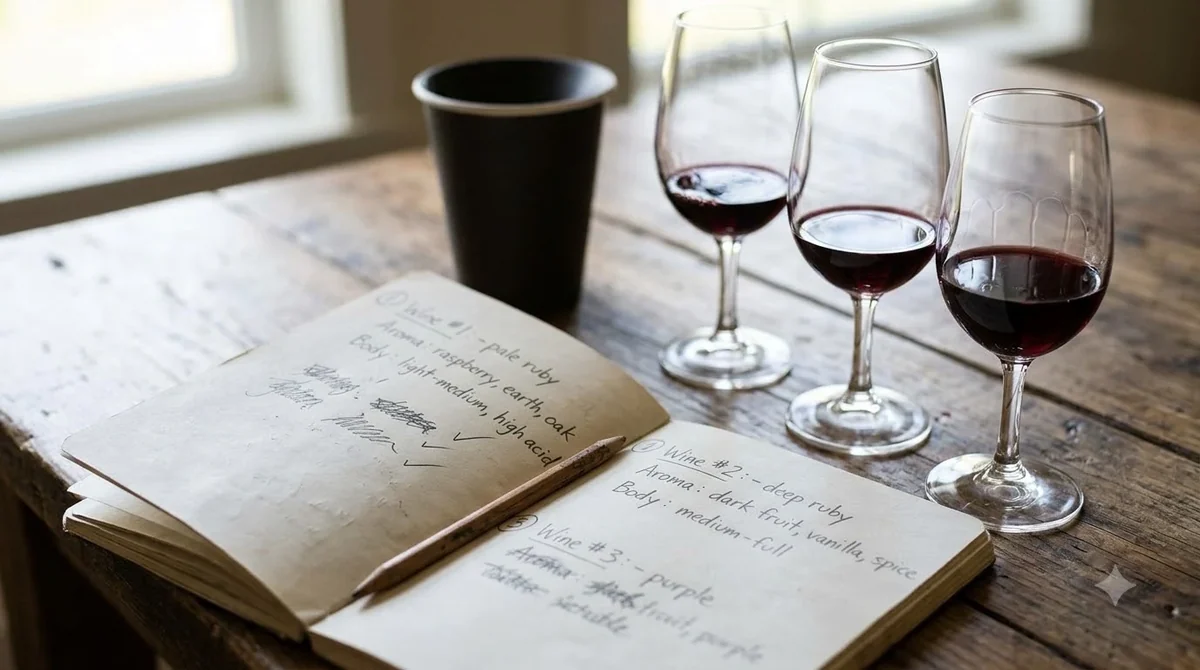
Blackberry, black cherry, and ripe plum are useful first reference points. The producer’s 2020 tasting description emphasizes dark berries, leather, and oak, then moves toward dark-fruit flavors, vanilla, and toffee on the palate. Depending on the vintage and the amount of time in oak, the fruit may seem closer to fresh blackberry preserves or to a dense cherry compote. These are tasting impressions, not a promise that every bottle will show each note at the same intensity.
Spice is an important part of the wine’s identity. Black pepper and baking spice can sit beside the fruit, while oak may add vanilla, toast, caramel, or a light smoky character. The combination helps explain why the wine can seem both fruit-forward and savory: a sip may begin with berry and plum, then shift toward pepper, wood, and a dry finish.
Its weight is more obvious than a fine, delicate red’s. The wine can feel broad across the middle of the palate, with ripe fruit filling out the texture and oak adding another layer. That makes it a natural fit for meals with roasted or grilled flavors, but it also means that subtle dishes can disappear beside it. For a broader introduction to similar bottles and producers, browse our Wine Brands profiles.
Aromas, Texture, and Finish
The aroma is generally ripe rather than austere, while the palate feels broad and weighty instead of crisp and light. Across reviewed vintages, published descriptions include pepper and grilled beef, maple and cherry jam, and milk chocolate with wood smoke.
Give the wine a moment in the glass before deciding which note dominates. A first pour may show black fruit and oak most clearly; after a gentle swirl, pepper, leather, vanilla, or a touch of molasses-like richness may become easier to notice. Smell before and after swirling, then take a small sip and look for the point where fruit gives way to oak and spice. A clear sequence is more helpful than trying to identify every aroma at once.
The texture is usually generous, but the tannins are not identical in every release. Wine Enthusiast described the 2018 Old Vine Zinfandel as soft, broad, and showy, with ripe black fruit, milk chocolate, and wood smoke. By contrast, the producer’s 2014 technical sheet quotes a review that describes firm tannins held in balance by ripe fruit and spice. Those accounts are not contradictory: blending, ripeness, extraction, oak treatment, and vintage conditions can all change how firmly tannin registers.
The finish often returns to spice and oak after the fruit begins to fade. In a younger, fuller bottle, the warmth may linger alongside black pepper and vanilla. A softer vintage may finish more gently, with dark fruit and chocolate-like notes rather than a strong grip. To judge the finish, wait several seconds after swallowing and notice whether fruit, drying tannin, oak, or alcohol warmth stays longest.
Tip: Pour a small first taste, then revisit the wine after 10 minutes in the glass. Compare the fruit, oak, and finish in that order; the change will show whether the wine benefits from more air.
Vintage, Blend, and Technical Details
Do not treat 7 Deadly Zins as one fixed recipe: published technical data show meaningful differences between the 2014, 2018, and 2020 entries. The 2020 producer sheet gives a specific blend and lab values, while Wine Enthusiast records 14.6% alcohol for 2018 and 15% for 2011.
The producer’s 2020 Lodi Old Vine Zinfandel tasting sheet describes a full-bodied wine with dark berries, leather, oak, vanilla, toffee, and spice. Its blend is 80% Zinfandel, 11% Petite Verdot, and 9% Petite Sirah and mixed red varieties combined. That is a useful snapshot of one release, not a formula to apply to every bottle bearing the name.
| Release or review | Alcohol | Published details |
|---|---|---|
| 2020 producer sheet | 14.58% ABV | 80% Zinfandel, 11% Petite Verdot, 9% Petite Sirah and mixed red varieties; TA 6.3 g/L; pH 3.52; RS 3.6 as printed |
| 2018 Wine Enthusiast review | 14.6% ABV | 88 points; ripe black fruit, milk chocolate, wood smoke; soft, broad texture |
| 2014 producer sheet | 15.0% ABV | Zinfandel with a touch of Petite Sirah; 12 months in American oak; TA 0.61 g/100 ml; pH 3.66 |
| 2011 Wine Enthusiast review | 15.0% ABV | Full body with maple, brown sugar, cherry jam, and caramelized oak |
The technical line for the 2020 sheet prints residual sugar as “3.6” without stating a unit beside that figure. It is better to preserve the number as published than to add a unit by assumption. Its titratable acidity is printed as 6.3 grams per liter, while the 2014 sheet uses a different unit format for acidity, so those two entries should not be compared as if they were identical measurements.
Independent reviews add another useful layer. Wine Enthusiast’s review of the 2018 Old Vine Zinfandel describes ripe black fruit, milk chocolate, and wood smoke. Its 2011 review instead highlights maple syrup, brown sugar, cherry jam, and prominent caramelized oak; an older 2009 review mentions bacon, black fruit, toasty oak, plum, and pepper. Read these as vintage-specific observations rather than a checklist that every bottle must satisfy.
Lodi and the Meaning of Old Vine
Lodi gives this Zinfandel its regional frame: warm, steady Mediterranean growing conditions, sunny summer days, and night temperatures that can fall into the mid-50s Fahrenheit. The Lodi Winegrape Commission also describes the region’s Zinfandel sites as well-drained sandy soils with some loam, conditions that allow roots to grow deeply.
The climate helps explain the fruit profile. Warm days encourage ripe fruit character, while cooler nights provide a break from daytime heat. In the Commission’s description, Lodi Zinfandels are generally softer, riper, more floral, and earthier than many examples from nearby Amador County or from Napa and Sonoma. That is a broad regional tendency, not a guarantee that every vineyard or producer will make the same style.
Old vines are part of the story, but the phrase should not be mistaken for a tasting score or a promise of extra power. The regional Commission notes that Lodi vineyard-designated old-vine sites are commonly at least 50 years old, with some plantings more than 75 or even 100 years old. Established roots and smaller crops may contribute to depth or a distinctive sense of place, yet the result can be concentrated and powerful or comparatively light, floral, and restrained.
For that reason, the “old vine” phrase tells you something about the source of the grapes, not exactly what the wine will smell or taste like. One Lodi vineyard may lean toward red cherry and floral notes, while another may give darker fruit and a more earthy impression. The 7 Deadly Zins profile sits toward the ripe, full-bodied end of the range in the published producer and review notes, with oak and spice adding to its generous feel.
Serving Temperature and Pouring Details
Serve 7 Deadly Zins at about 60–65°F, the usual range for full-bodied red wines. A cooler serving temperature keeps the alcohol warmth in check while allowing the dark fruit, vanilla, and pepper notes to remain expressive.
If the bottle has been stored in a warm room, give it a short chill rather than serving it hot. The goal is not to make the wine cold; excessive chilling can mute its aromas and make the tannins seem firmer. Pour a small sample first, let it sit for a few minutes, and see whether the fruit and spice are easy to distinguish. A stable temperature is more useful than repeatedly moving the bottle between a warm counter and a refrigerator.
A young, full-bodied red can benefit from 30–60 minutes in a decanter, although the wine does not need a fixed aeration period. Taste a little just after opening. If the fruit seems closed and the oak or alcohol stands apart, give it some air and reassess; if the wine already feels open and balanced, pour it without delay. With an older bottle, handle it more gently and avoid assuming that a long decant will improve it.
A standard 750 ml bottle gives about five 5-ounce pours. Store an unopened bottle on its side in a cool, dark place near 55°F, away from large temperature swings and direct light. Once opened, reseal it and refrigerate it; most still wines hold their best character for roughly three to five days, though the fruit will gradually fade. Bring the next glass back toward serving temperature rather than leaving the bottle out for hours.
Food Pairings That Fit the Wine
Pair the wine’s ripe fruit, oak, and firm structure with dishes that have enough flavor and texture to meet it. Grilled beef, pork ribs, roast chicken with browned skin, burgers, and mushroom-rich dishes are strong starting points.
Salt and fat can soften tannin, which is why a well-seasoned burger or a piece of grilled beef often works better than a delicate, low-fat dish. Char from a grill also echoes the wine’s pepper and oak notes. For pork, try ribs with a moderately sweet glaze or roast shoulder with herbs and black pepper. The key is to keep the seasoning savory and substantial without covering the wine in sugar or intense heat.
Tomato-based dishes can work, especially pizza with sausage, roasted peppers, or mushrooms, but pay attention to the sauce. A highly acidic tomato sauce can make a wine with less pronounced acidity seem flatter, so use a balanced sauce and include some fat or salt in the topping. For sweeter barbecue sauces, remember that the wine should be at least as sweet as the food; a very sugary glaze can make a dry red taste sharper and less fruity.
Be careful with fiery chili heat. Alcohol and tannin can make hot peppers feel more intense, so a heavily spiced barbecue or chili may overwhelm the wine’s fruit and make its warmth more obvious. Oily fish is another difficult match for tannic red wine; choose grilled meat, mushrooms, or a richer poultry dish instead. Our guide to 7 deadly zins food pairing offers more menu ideas, while 7 deadly zins alcohol content explains why the wine’s warmth matters at the table. For a meal built around seafood or a creamier white-wine style, compare the profile with our Rombauer Chardonnay tasting notes.
Frequently Asked Questions
These five answers clarify details that can be easy to misread on a wine label or after opening a bottle. They cover the brand’s 2002 launch, the grape’s international names, and practical bottle handling beyond the 60–65°F serving range.
Does the “7” mean seven grape varieties?
No. The producer’s founding story connects the number to seven selected, certified-sustainable Lodi vineyards used for the inaugural release and to the seven deadly sins, rather than seven different grape varieties. The composition of an individual vintage is a separate question.
Is Zinfandel the same grape as Primitivo?
Yes, Zinfandel and Italy’s Primitivo are names for the same grape variety, which is also known by the Croatian name Crljenak Kaštelanski. The name on the label reflects the regional tradition; climate, harvest decisions, and cellar choices still shape the style in the bottle.
Can Zinfandel be made as a pink wine?
Yes. White Zinfandel is a rosé-style wine made from the same dark-skinned grape, with the juice separated from the skins relatively early to limit color extraction. It is a different style from the deep-colored red wine discussed here.
Why can the finish feel warmer than the fruit suggests?
Alcohol creates a warming sensation, especially when a full-bodied red is served above its ideal temperature. That warmth can be noticeable in bottles around 14.6% to 15% ABV even when the tannins feel soft or rounded.
Should an opened bottle be stored upright?
Yes. After replacing the closure, keep the opened bottle upright in the refrigerator so less wine is exposed to air through the neck and the bottle is less likely to leak. Let the wine warm back toward 60–65°F before serving the next glass.
7 Deadly Zins is most rewarding when you expect ripe dark fruit, a generous body, and a finish shaped by oak and spice. Use the vintage and its technical details to set expectations, serve it slightly cool, and choose food with enough savory character to match its weight.
More in Wine Brands
 Louis Latour Wine Price: Compare Bottles by Style and TierUpdated Nov 20, 2026
 Yellow Tail Moscato Price: What to Expect Before You BuyUpdated Nov 20, 2026
 Sutter Home Sweet Red Review: Find the Right Food PairingsUpdated Nov 20, 2026
 Franzia Chillable Red Review: Find the Right Serving StyleUpdated Nov 20, 2026
 Veuve Clicquot Rose Review: Flavor, Food Pairings and Buying AdviceUpdated Nov 20, 2026
 Rombauer Wine Price: Compare Bottles Before You BuyUpdated Nov 20, 2026