

We may earn a commission when you buy through links on this page, at no extra cost to you. Learn more.
Beringer white zinfandel sugar content is approximately 34 grams per liter, equivalent to about 5.1 grams of residual sugar in a standard 5-ounce glass. This California pink wine falls into the semi-sweet category, with noticeable strawberry, melon, and citrus flavors. Its sweetness is balanced by some acidity, making it a refreshing choice for chilled sipping and food pairings that complement fruity wines.
Beringer Main & Vine White Zinfandel is a familiar choice for wine drinkers who prefer softer, fruit-forward wines rather than crisp, bone-dry styles. Understanding its sugar content helps explain why it tastes noticeably sweeter than many traditional rosés and dry white wines. Below, you will find the available sugar measurements, serving calculations, winemaking details, flavor characteristics, and practical pairing suggestions.
How Much Sugar Is in Beringer White Zinfandel?
Beringer Main & Vine White Zinfandel contains approximately 34 grams of sugar per liter according to the SAQ product listing. That translates into roughly 5.1 grams in a standard 5-ounce serving, making it a moderately sweet wine rather than a dry rosé.
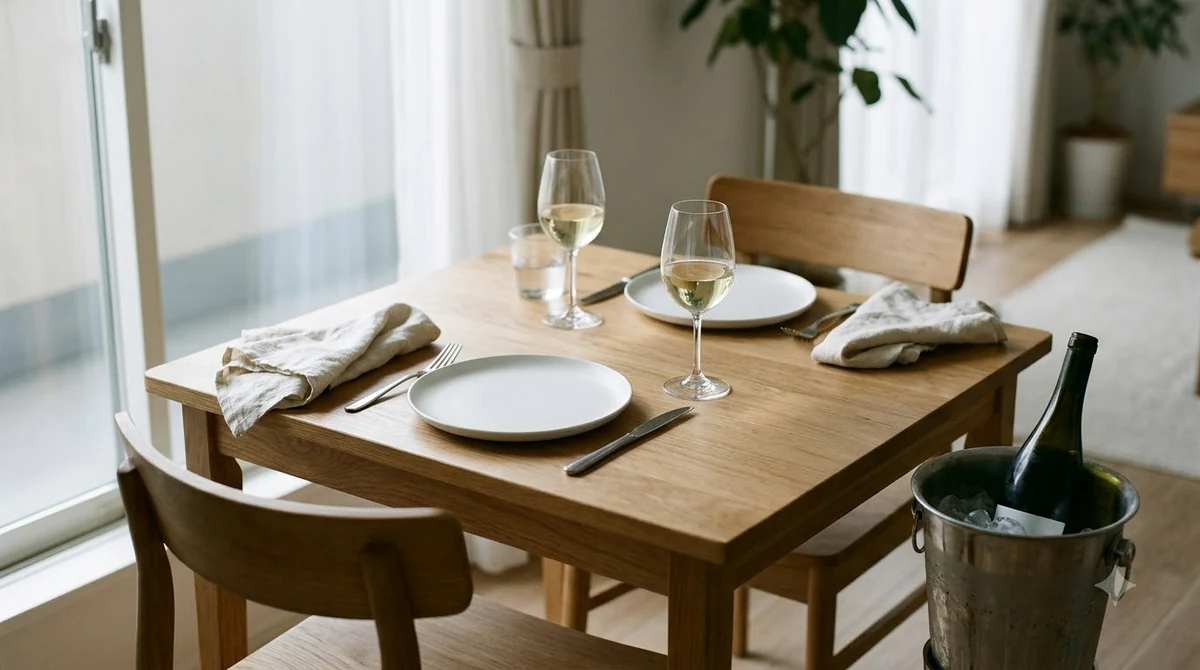
The reported measurement is residual sugar, meaning the sugar remaining in the finished wine after fermentation. It is different from the natural sugar originally present in the grapes because yeast converts some grape sugar into alcohol during winemaking. The remaining amount contributes to the wine’s perceived sweetness and overall balance.
To understand the measurement, it helps to convert grams per liter into the amount found in a typical glass. A standard wine pour in the United States is 5 ounces, approximately 148 milliliters. Since one liter contains 1,000 milliliters, a 148-milliliter serving represents about 0.148 liters.
Multiplying 34 grams by 0.148 liters gives approximately 5.03 grams of sugar. Rounded for everyday use, that is about 5.1 grams per glass. A complete 750-milliliter bottle contains approximately 25.5 grams of residual sugar if the listed concentration applies throughout the bottle.
| Serving size | Approximate residual sugar | Calculation |
|---|---|---|
| 1 ounce | 1.0 g | 34 g/L × 0.0296 L |
| 3 ounces | 3.0 g | 34 g/L × 0.0887 L |
| 5 ounces | 5.1 g | 34 g/L × 0.148 L |
| 6 ounces | 6.0 g | 34 g/L × 0.177 L |
| 750 ml bottle | 25.5 g | 34 g/L × 0.75 L |
| 1.5 L bottle | 51 g | 34 g/L × 1.5 L |
These figures are mathematical estimates based on the reported 34 g/L measurement, not separate laboratory measurements of every bottle or serving. Actual pours also vary depending on glass size and how much wine is served.
There can be small differences between published product listings. For example, the Liquor Control Board of Ontario lists 32 g/L for its Beringer Main & Vine White Zinfandel product, while the Société des alcools du Québec lists 34 g/L. These figures are close enough to establish a useful general range of approximately 32–34 grams per liter, although the precise listing can vary by market or product information.
For a practical estimate, use approximately 5 grams of residual sugar in a 5-ounce glass. This provides a more useful comparison with other wines than relying on the sweetness suggested by the bottle’s fruity aroma.
Is Beringer White Zinfandel Sweet or Dry?
Beringer White Zinfandel is a semi-sweet wine with noticeable fruit sweetness and enough acidity to keep its profile from becoming excessively sugary. Its approximately 34 g/L sugar concentration places it firmly on the sweeter side of everyday rosé styles.
The SAQ specifically describes the wine as semi-sweet and light-bodied, with present acidity. These characteristics explain its approachable character: sweetness is easy to recognize, but the wine still has a refreshing quality when served cold.
Wine sweetness is often described using categories such as dry, off-dry, medium-sweet, and sweet. These terms help communicate the overall impression of a wine, although exact classification systems and thresholds can differ between wine regions and organizations.
For context, a dry wine generally has very little residual sugar. An off-dry wine has a slight impression of sweetness, while medium-sweet and sweet wines have increasingly noticeable sugar levels. Beringer’s White Zinfandel is better suited to drinkers who enjoy fruit-forward wines than those who specifically seek completely dry rosé.
Why sweetness does not tell the whole story
Residual sugar is important, but it does not independently determine how sweet a wine tastes. Acidity, alcohol, aroma, temperature, and the wine’s overall structure also affect perception.
A wine with higher acidity can taste more refreshing because its tartness balances the sugar. Conversely, a wine with lower acidity may seem sweeter and softer even if its residual sugar concentration is similar.
Fruit aromas also influence perception. Strawberry, watermelon, honeydew, and citrus can make a wine seem especially fruity. However, smelling ripe strawberries does not mean the wine contains the same amount of sugar as strawberry juice.
This distinction is particularly useful when comparing Beringer with other approachable wines. A dry Pinot Grigio may have fresh apple and citrus aromas without a comparable sweet finish. A Riesling may range from completely dry to distinctly sweet, depending on its production style.
For comparison, readers can explore the Barefoot Pinot Grigio sugar content and Barefoot Riesling sugar content to see how different white wine styles approach sweetness.
How Winemaking Creates White Zinfandel Sweetness
White Zinfandel is made from the red Zinfandel grape, but its light pink color and fruit-forward style distinguish it from conventional red Zinfandel. Limited contact between grape juice and red skins creates its blush appearance, while fermentation decisions influence the amount of residual sugar left in the finished wine.
Beringer’s Main & Vine product information describes approximately three hours of contact between the juice and red grape skins. This relatively short period allows some color to transfer into the juice without producing the deeper color and structure associated with conventional red wine production.
The producer information also describes slow, cool fermentation intended to preserve fresh strawberry, honeydew, and citrus aromas. These fruit characteristics contribute to the wine’s approachable flavor profile and help explain why it works well as a chilled, casual wine.
Why fermentation affects sugar levels
During alcoholic fermentation, yeast consumes grape sugars and produces alcohol and carbon dioxide. If fermentation continues until the available fermentable sugar is largely consumed, the finished wine becomes dry. If fermentation is stopped earlier, more sugar remains in the wine.
The Wine & Spirit Education Trust explains that White Zinfandel is an example of a wine made by stopping fermentation before all the sugar has been converted. Its educational material gives approximately 35 g/L of residual sugar and 10% alcohol as a typical example of this style.
This closely resembles the figures reported for Beringer Main & Vine White Zinfandel, which the SAQ lists at 34 g/L and 10% ABV. The similarity helps explain the wine’s semi-sweet character.
Stopping fermentation also affects the final alcohol level. Yeast cannot convert sugar into alcohol after fermentation has been successfully interrupted, so stopping earlier generally leaves more residual sugar and produces less alcohol than allowing fermentation to continue under otherwise comparable conditions.
According to the Wine & Spirit Education Trust’s explanation of residual-sugar production, chilling below 10°C (50°F) and using sulfur dioxide are among the techniques that can inhibit yeast activity. The wine can then be separated from sediment and filtered to help prevent fermentation from restarting.
In practical terms, Beringer’s sweetness is a result of winemaking choices rather than an indication that the wine was made from a naturally sweet white grape. Zinfandel is a red grape variety, and its juice can be used to create both red wines and pink White Zinfandel.
Flavor, Aroma, and Texture of Beringer White Zinfandel
Beringer White Zinfandel combines red-fruit aromas with melon and citrus characteristics, creating a soft and approachable flavor profile. Its semi-sweet finish and light body make it different from fuller-bodied red Zinfandel and many crisp, dry rosé wines.
The producer’s tasting description highlights fresh red berries, citrus, and melon, with subtle hints of nutmeg and clove. These notes give the wine a fruity character without making it taste like a dessert wine.
The SAQ also identifies strawberry, rhubarb, and floral notes. Strawberry is particularly relevant because it is a familiar characteristic of many blush wines. It creates an impression of ripe red fruit that complements the wine’s remaining sugar.
Understanding the main flavor characteristics
Strawberry and red berries: These aromas provide the recognizable fruit character associated with White Zinfandel. They are especially noticeable when the wine is served slightly chilled rather than very cold.
Watermelon and honeydew: Melon characteristics add a softer, juicy impression. They help balance the more pronounced strawberry notes and contribute to the wine’s easygoing style.
Citrus: Citrus characteristics provide freshness and help offset the perception of sweetness. This is an important part of why the wine can accompany light meals rather than being reserved exclusively for dessert.
Floral notes: Floral aromas can appear alongside strawberry and citrus. They add aromatic interest without necessarily indicating additional residual sugar.
Nutmeg and clove: The producer’s description includes subtle spice notes. These characteristics are supporting accents rather than dominant flavors, giving the wine a little more aromatic variety.
The texture is light-bodied, with a soft mouthfeel and noticeable fruit sweetness. It does not have the substantial tannin structure associated with Cabernet Sauvignon or many traditional red Zinfandel wines.
That difference matters when choosing food. A wine with low tannin and a fruity profile generally works better with lighter dishes, mildly seasoned meals, and fruit-based desserts than a powerful red wine with firm tannins.
For drinkers accustomed to dry Chardonnay or Sauvignon Blanc, Beringer may seem sweeter and softer. Those who enjoy approachable rosé, fruity Riesling, or Moscato-style aromas may find its profile more familiar.
Best Serving Temperature and Storage for White Zinfandel
Beringer White Zinfandel is best served chilled, with a practical target of approximately 45–50°F. This temperature range helps preserve its fresh strawberry, melon, and citrus character while keeping the sweetness pleasant.
The SAQ recommends serving its Beringer White Zinfandel between 6°C and 8°C, equivalent to approximately 43–46°F. This is slightly colder than the broader 45–50°F range commonly used for light rosé wines, but both approaches provide a refreshing serving temperature.
Chilling is particularly useful for semi-sweet wines because excessive warmth can make alcohol and sweetness seem more prominent. A cool serving temperature helps the wine retain a balanced impression and keeps its fruit aromas fresh.
How to chill the bottle
If the bottle is at room temperature, place it in a refrigerator for approximately two to three hours before serving. For a quicker method, place the bottle in an ice bucket filled with ice and water for around 20–30 minutes, checking the temperature before pouring.
A mixture of ice and water generally cools a bottle more evenly than ice alone because water improves contact with the glass. Avoid leaving the wine in an ordinary freezer for extended periods, as forgetting the bottle can cause unwanted freezing and pressure problems.
A standard 750 ml bottle provides approximately five 5-ounce servings. A smaller 3-ounce pour is useful for tasting or serving alongside a meal with several other beverages.
Storage after opening
After opening, reseal the bottle with its original closure or a suitable wine stopper and store it in the refrigerator. For the best freshness, consume still wine within approximately three to five days.
Refrigeration slows the oxidation process that gradually changes wine aromas and flavors after exposure to air. Over time, the bright strawberry and melon characteristics can become less expressive, and the wine may develop duller or more oxidized aromas.
Tip: Chill Beringer White Zinfandel before serving, then pour a small amount into a clean wine glass. Allowing the wine to warm slightly in the glass can make its strawberry, melon, and citrus aromas easier to recognize.
There is generally no need to decant this wine. Its light-bodied, fruit-forward character is intended for relatively immediate enjoyment rather than extended aeration or long-term cellar aging.
Food Pairings That Complement Its Sweetness
Beringer White Zinfandel pairs particularly well with mildly spicy dishes, fresh fruit, light appetizers, and foods with a little sweetness. Its residual sugar can soften some savory and spicy flavors, while its acidity provides a refreshing contrast to richer ingredients.
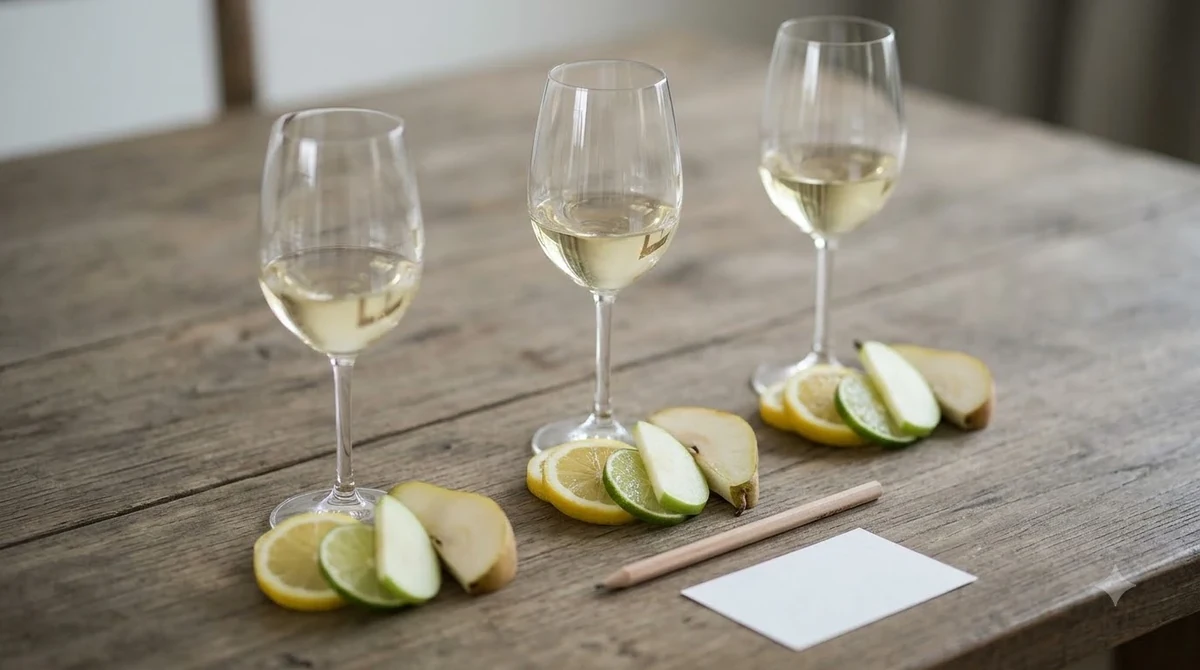
One useful principle is to match the sweetness of the wine to the sweetness of the dish. A dessert that is considerably sweeter than the wine can make the wine taste tart or less flavorful. Fruit desserts and lightly sweet pastries are therefore more suitable than extremely sugary desserts.
Seafood and lighter savory dishes
Sweet-and-sour shrimp is a particularly suitable option. The sweet element in the sauce complements the wine, while the acidity in the dish provides a pleasant contrast to its fruity character. The SAQ specifically includes sweet-and-sour shrimp among its suggested pairings.
Other seafood dishes can work well when they are prepared with mild seasoning and light sauces. Shrimp cocktail, grilled shrimp with citrus, and lightly seasoned fish tacos are practical choices. Avoid heavily tannic red wines with oily fish, but Beringer’s low-tannin pink style does not present the same structural conflict.
Fresh salads can also complement the wine. A fennel salad with citrus and feta, another pairing suggested by the SAQ, combines crisp vegetables, refreshing acidity, and salty cheese. The salt and acidity provide contrast to the wine’s fruit sweetness.
Cheese, appetizers, and snacks
Soft cheeses and mild semi-soft cheeses are useful choices. Brie, fresh mozzarella, ricotta, and mild cheddar can accompany the wine without overpowering its delicate fruit aromas.
Salty appetizers are another good direction. Try crackers with cream cheese, mild cheese spreads, lightly salted nuts, or a fruit-and-cheese platter. Salt can make the wine’s sweetness seem softer and more integrated.
For a casual gathering, combine strawberries, melon, mild cheese, and plain crackers. This arrangement creates several flavor contrasts without introducing strong ingredients that could overwhelm the wine.
Spicy foods and desserts
Mildly spicy Asian dishes can work well because the residual sugar helps balance some chili heat. Sweet-and-sour chicken, lightly spiced Thai noodles, and mildly seasoned stir-fried vegetables are suitable options.
However, very hot chili dishes are less predictable. Alcohol can amplify the sensation of heat, so extremely spicy sauces may make the wine seem less refreshing. Beringer’s 10% ABV is relatively moderate for wine, but a gentler level of seasoning remains the better choice.
For dessert, consider strawberry shortcake, fresh berries with cream, melon salad, or lightly sweet fruit tarts. These foods complement the wine’s fruit profile without making it seem excessively dry by comparison.
Chocolate desserts are less straightforward. Dark chocolate can introduce bitterness that competes with a light, fruity wine. If chocolate is being served, a lighter chocolate dessert with fresh strawberries is generally a more suitable direction than an intensely bitter chocolate cake.
Ultimately, the best pairing depends on how sweet, acidic, salty, or spicy the food is. Beringer White Zinfandel is most versatile with moderate flavors rather than dishes that are exceptionally hot, bitter, or heavily seasoned.
Frequently Asked Questions
How many calories come from sugar in a glass of Beringer White Zinfandel?
A 5-ounce serving contains approximately 5.1 grams of residual sugar, equivalent to about 20 calories from sugar using the standard estimate of 4 calories per gram. This figure excludes calories contributed by alcohol and other wine components. It is therefore not the total calorie count for the glass.
Does Beringer White Zinfandel contain added sugar?
The reported residual-sugar measurement does not establish whether a sweetening component was added during production. Residual sugar can remain naturally when fermentation is stopped before yeast consumes all the available grape sugar. A specific ingredient or production declaration is needed to determine whether any additional sweetening component was used.
Is Beringer White Zinfandel made from white grapes?
No. White Zinfandel is produced using Zinfandel, a red grape variety. Its pink color comes from limited contact between the juice and the grape skins rather than from using a conventional white grape variety.
Can Beringer White Zinfandel be used to make a wine spritzer?
Yes. Its strawberry and melon character works well in a simple spritzer. Combine approximately 4 ounces of chilled White Zinfandel with 2 ounces of sparkling water over ice and add a small slice of lime or fresh strawberry. The sparkling water makes the drink lighter while retaining its fruity character.
Does Beringer White Zinfandel need to be aged before drinking?
No. This style is intended to be enjoyed young, while its fresh fruit aromas and flavors remain prominent. The SAQ identifies the wine as ready to drink, so extended bottle aging is unnecessary. Its appeal comes primarily from freshness rather than the development of complex aged-wine characteristics.
Beringer White Zinfandel offers approximately 34 grams of residual sugar per liter, or about 5.1 grams in a standard 5-ounce glass. Its semi-sweet strawberry, melon, and citrus profile makes it a suitable choice for chilled sipping, light appetizers, seafood, and fruit-based desserts. Understanding its sugar concentration and serving style makes it easier to compare with other wines and choose food pairings that complement its sweetness.
More in Wine Brands
 Is Duckhorn Merlot Good? What to Expect Before You BuyUpdated Nov 21, 2026
 Inglenook Wine Review: Find the Right Napa Valley BottleUpdated Nov 21, 2026
 Is Daou Cabernet Good? Taste, Quality, and Buying TipsUpdated Nov 21, 2026
 Hess Select Wine Review: Find the Right California Wine for Your TableUpdated Nov 21, 2026
 Dows Port Review: Choose the Right Style for Your TableUpdated Nov 21, 2026
 Iron Horse Wine Review: Find the Right Sonoma Wine for Every OccasionUpdated Nov 21, 2026