

We may earn a commission when you buy through links on this page, at no extra cost to you. Learn more.
The most reliable 7 deadly zins food pairing is grilled or barbecued red meat, such as ribs, brisket and lamb, because the wine’s jammy berry fruit and spice meet the char and smoke of the grill. Natalie MacLean’s wine review site lists spaghetti Bolognese, aged cheddar, grilled lamb loin, grilled duck breast and Italian sausage burgers as matches for this Lodi Zinfandel. Burgers, spicy sausage and hard cheeses are dependable choices as well, while delicate fish and very sweet desserts are the matches to skip.
7 Deadly Zins is a dry red Zinfandel from Lodi, California, a Central Valley appellation. Its fruit, alcohol and tannin shape which dishes make sense at the table, and the rules are simpler than many people expect. The sections below walk through the main food groups, explain the reasons behind each match, and finish with serving steps so the bottle shows its best at dinner.
What Makes 7 Deadly Zins Pair So Well With Food
Pairing starts with the wine’s weight, acidity and tannin, and this Zinfandel sits in the bold middle of its category. Those three traits tell you which dishes will feel balanced and which will leave the wine tasting thin or harsh.
Weight comes first. Wine Folly’s Zinfandel guide says most examples carry alcohol of about 14 to 17% ABV, and it notes that higher alcohol adds an oily texture and a bigger, bolder body. One reviewed bottle of 7 Deadly Zins lists 14.9% alcohol and a dry style, according to Natalie MacLean’s review page, which places it squarely in that bold range. A wine this full needs food with comparable depth, such as grilled meat, slow-cooked braises or a savory sauce, rather than a light salad.
Acidity and tannin do the rest of the work. Wine Folly lists Zinfandel acidity as medium to medium high and tannin as medium to medium high, which gives the wine enough structure to stand up to fat and char and enough freshness to cut through a rich sauce. Wine Enthusiast describes the style a little differently, saying California Zinfandel is typically full-bodied, jammy and spicy but not very tannic, unless the blend includes Petite Sirah, which it calls common. Because tannin level varies from bottle to bottle, read the producer’s description before you plan the menu, and let the dish follow the wine you actually have.
The figures below summarize the measures that matter most when you build a menu around this bottle.
| Measure | Typical figure | Where it comes from |
|---|---|---|
| Alcohol, lighter Zinfandel | About 13.5% ABV | Wine Folly |
| Alcohol, bold Zinfandel | About 16% ABV | Wine Folly |
| Alcohol, California Zinfandel | 14 to 16% ABV | Wine Enthusiast |
| Alcohol, reviewed 7 Deadly Zins | 14.9% ABV | Natalie MacLean review |
| Acidity | Medium to medium high | Wine Folly |
| Tannin | Medium to medium high | Wine Folly |
| Serving temperature | 60 to 68°F (62°F in one guide) | Wine Enthusiast, Wine Folly |
Those numbers explain the pattern. A bold, fruit-forward red with medium to medium-high acidity handles richer food far better than delicate food. Alcohol is the figure to watch, because a higher-ABV bottle will feel warmer and heavier beside mild dishes. For a closer look at how the percentage varies from bottle to bottle, see our guide to 7 deadly zins alcohol content.
Barbecue and Smoked Meats: The Strongest 7 Deadly Zins Food Pairing
Barbecue is where this wine feels most at home, because its jammy fruit and spice line up with sweet, smoky and charred flavors. Most zins will handle a barbecue plate, and the sauce usually decides how well the match works.
Fiona Beckett at Matching Food & Wine describes Zinfandel as a good partner for red meat and hearty dishes, especially those with a touch of smoked chili. Her practical rule is that if the barbecue is charred, sweet or spicy, most zins will work, and she names ribs, brisket and spicy sausages as the classic examples. Natalie MacLean’s review of this bottle describes it as well suited to barbecued and grilled meats, which lines up closely with that advice. Baby back ribs, beef brisket and hickory-smoked pork shoulder are the three best starting points on a backyard menu.
Sauce decides the rest. Wine Folly suggests picking out the spices you notice in the wine and adding them to your sauce, so a dry rub built on black pepper, cinnamon or clove will echo the glass. A sweet, sticky glaze can make a dry red taste thinner, so balance sugar with vinegar, smoke or a little heat. For brisket, rub the meat with paprika, black pepper and brown sugar, then cook it low and slow until the center reaches about 200°F. The rendered fat softens the tannin in the wine and lets the berry fruit come forward on the palate.
Tip: Pour a small glass next to your sauce before the meal starts. If the sauce tastes sweeter than the wine, add a splash of vinegar or a smoky element until the two sit in balance.
Grilled Lamb, Duck and Burgers
Grilled lamb, duck and burgers are dependable choices because the wine’s dark fruit and spice complement savory char, while its tannin can cut through fat. These dishes match the bottle’s style closely, and they are among the first matches its own reviewers suggest.
In its Zinfandel overview, Wine Enthusiast advises reaching for a tannic, hearty Zinfandel when grilling burgers, steaks or lamb chops. That advice points toward firmer styles, but the principle holds for a bottle like 7 Deadly Zins, which Wine Folly places in the medium range for tannin. Natalie MacLean’s pairing list for this wine includes grilled lamb loin, grilled duck breast and Italian sausage burgers, so those dishes are a direct starting point. For lamb, marinate a boneless loin in olive oil, garlic, rosemary and lemon zest for at least two hours. Grill it over medium-high heat until the center reads about 130 to 135°F for medium rare, then rest it for ten minutes before slicing. Wine Folly’s spice list includes garlic, rosemary and cinnamon, so the marinade stays in step with the wine’s own character.
Duck calls for care with fat. A duck breast carries a layer of rendered fat that softens tannin in a red, which is why a grilled breast with a cherry or plum glaze often works better than a dry, lean cut. For burgers, build the toppings around the wine. Caramelized onion, roasted red peppers and smoked cheese all echo the fruit and savory notes in the glass. A spicy Italian sausage burger with roasted peppers is a good example, because the sausage brings fennel and savory fat while the wine’s fruit keeps the richness from feeling heavy.
Pasta, Pizza and Tomato-Based Dishes
Tomato dishes work because the wine’s medium to medium-high acidity keeps pace with the tomatoes, and its fruit flatters the savory, slightly sweet side of a long-simmered sauce. Pasta and pizza are relaxed choices for a weeknight, but the details of the topping still matter.
Spaghetti Bolognese is one of the most reliable matches on Natalie MacLean’s list for this bottle, and the logic is simple. A meat sauce built on onion, garlic and tomato has enough body to meet the wine, and the tomato’s acidity is matched by the wine’s own freshness. Wine Enthusiast suggests lighter to medium-bodied Zinfandels with pasta dishes made with tomato sauce, so a fuller bottle like this one works best with a richer, meat-forward sauce rather than a thin marinara. The general rule is that an acidic food needs a wine with equal or higher acidity, and this Zinfandel can meet that bar against a typical tomato sauce.
Pizza follows the same logic. A pie topped with spicy sausage, roasted red peppers and caramelized onion gives the wine smoke, sweetness and char to match its fruit. Wine Folly’s list of foods that bring out Zinfandel’s fruitiness includes roasted tomato, red peppers, caramelized onion and roasted squash, so a vegetable-heavy pizza is a sensible option. Keep the cheese layer modest, because a heavy blanket of mozzarella can mute the wine, while a cured meat like pepperoni keeps the pairing balanced. A thin crust helps too, since a dense, doughy base tends to make the wine taste flat.
For a homemade meat sauce, brown a pound of ground beef or pork with one diced onion and three cloves of garlic, add a splash of red wine, then simmer crushed tomatoes for about 45 minutes. Finish with a little grated Parmesan and torn basil. The long simmer, the small amount of fat and the sweet tomato give the wine the depth it needs, and the garlic and herbs match the spice list that Wine Folly associates with Zinfandel.
Cheese and Charcuterie Boards
Hard, aged cheeses are the easiest way to serve this wine before dinner. Their salt and fat soften the tannin, and their savory flavors meet the wine’s jammy fruit without fighting it.
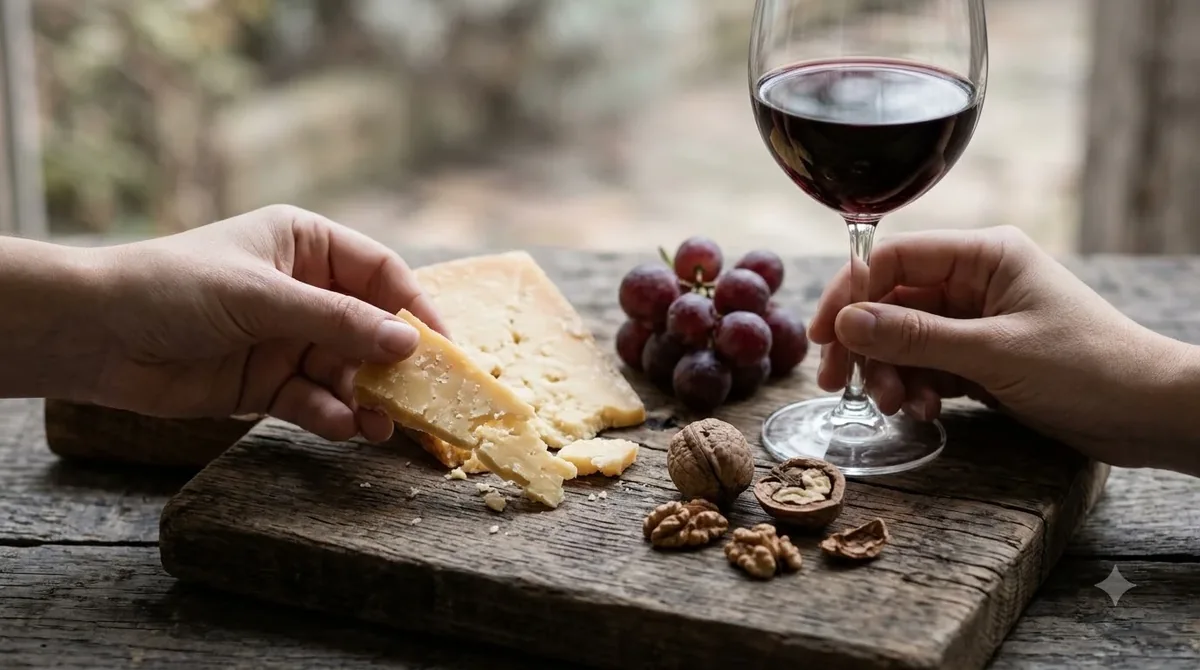
Wine Folly points to hard, richly flavored cow’s and sheep’s milk cheeses such as Manchego, bandage-wrapped cheddar and Trentingrana as strong partners for Zinfandel. Natalie MacLean’s pairing list for this bottle includes aged cheddar, which points in the same direction. A cheddar aged about two years brings crystals and concentrated salt that stand up to the wine’s dark fruit, while a young, mild cheese would disappear beside it. Plan roughly two ounces of cheese per guest when the board is the only starter, and cut each piece so it can be eaten in one bite.
Charcuterie works for the same reasons. Spicy salami, smoked sausage and prosciutto all bring salt and fat, and the wine’s acidity lifts them. Wine Folly also lists apricot, peach and cranberry among the foods that bring out Zinfandel’s fruitiness, so a small bowl of fig jam or cranberry chutney placed next to the cheese keeps the board balanced and easy to share. Serve the board with plain crackers or sliced baguette rather than heavily seasoned crisps, which would compete with the wine.
Spicy Food, Curry and Dessert: Where Care Is Needed
This wine handles mild heat and warm spice well, but strong chili, fatty fish and very sweet desserts need more thought. Knowing where the limits are helps you avoid a wine that tastes hot, bitter or thin.
Warm spice is one of the wine’s strengths. Wine Folly pairs Zinfandel with curry and points to Japanese pork katsu curry as a strong match, because the savory-sweet, richly spiced sauce suits the wine’s fruit. Wine Enthusiast recommends peppery Zinfandels from cooler climates with Indian dishes such as palak paneer. Those examples share a pattern: mild to medium heat, plenty of spice and enough richness for the wine to hold its place on the table.
Strong chili heat is the exception. Alcohol and tannin both amplify the burn of chili, so a fiery vindaloo or a habanero salsa will make a bottle at about 15% alcohol feel hotter and harsher. Fatty fish is also a poor match. An oily fish such as salmon tends to clash with a tannic red, so a light, dry white or a rosé will usually serve that dish better. Keep the Zinfandel for beef, pork, lamb and poultry, and choose a milder pepper or a sweeter sauce when you want the wine to stay in the spotlight.
Dessert needs the same discipline. A dessert wine should be at least as sweet as the dessert, and a dry red like this one will taste thin beside sugary cake or pie. Dark chocolate with 70 percent cocoa or higher is the safer choice, because its bitterness balances the wine’s fruit. A dark chocolate brownie or a chocolate tart with dark cherries is a reasonable finish, but avoid heavy frosting and sweet caramel.
Serving, Decanting and Storing the Bottle at Home
Serve the wine around 60 to 65°F, pour about five ounces into each glass, and decant young bottles for 30 to 60 minutes before the meal. These three steps matter more for matching than most people expect, because a warm, closed wine can taste heavier and less fresh than it really is.
Wine Folly lists 62°F as the serving temperature for Zinfandel, and Wine Enthusiast gives a wider window of 60 to 68°F, so a target of 60 to 65°F sits comfortably within both. If the bottle has been sitting in a warm room, chill it for 15 to 20 minutes before pouring, then let it warm slightly in the glass. A standard 750 ml bottle holds about five glasses at five ounces each, which makes it easy to plan for a barbecue or a casual dinner for four to six people.
Decanting helps young, full-bodied reds open up. Pour the wine into a decanter 30 to 60 minutes before serving, and the aromas of berry, pepper and smoke become more expressive. You can compare those aromas with our notes on 7 deadly zins tasting notes. Storage matters too. Keep unopened bottles on their side in a cool, dark place near 55°F. Once opened, recork the bottle and refrigerate it, where still wines usually keep for three to five days. Those steps protect the fruit and keep the wine fresh through a multi-night dinner.
Frequently Asked Questions
Does 7 Deadly Zins pair well with chicken?
Wine Folly lists turkey, quail, pork, bacon, ham and veal among the lighter meats that work with Zinfandel, so roast turkey with a cranberry glaze is a natural fit. Chicken is not on that list, but grilled or roasted chicken with a smoky or sweet barbecue seasoning follows the same logic.
Can 7 Deadly Zins be aged?
Wine Enthusiast gives a cellaring window of five to seven years for Zinfandel in general, so a well-stored bottle can develop for a few years. Most people will still enjoy the fruit-forward style within a few years of release, and the storage steps above protect the wine while it waits.
What vegetables go well with 7 Deadly Zins?
Wine Folly suggests roasted squash, beets and roasted tomatoes, since these vegetables have enough sweetness and earthiness to match the wine’s fruit. A lentil and mushroom stew with a little smoked paprika is another sturdy vegetarian option.
Is Zinfandel the same grape as Primitivo?
Yes, they are the same grape under different names. Wine Enthusiast says Zinfandel is called Primitivo in Italy and Crljenak Kaštelanski in Croatia, and Primitivo from Puglia often shows jammy cherry and blackberry tones with lifted spice. A bottle labeled Primitivo can pair with food in much the same way.
Is 7 Deadly Zins sweet?
The wine is dry, but its fruit can read as sweet on the palate. Wine Folly lists the primary flavors of Zinfandel as jam, blueberry, black pepper, cherry, plum, boysenberry, cranberry and licorice, which explains why the wine seems fruity even without residual sugar.
Start with barbecue or grilled lamb, add a tomato-based dish or a hard cheese board, and save delicate fish and spicy curry for a different bottle. To read more about other wine brands and how they are made, visit our Wine Brands section.
More in Wine Brands
 Louis Latour Wine Price: Compare Bottles by Style and TierUpdated Nov 20, 2026
 Yellow Tail Moscato Price: What to Expect Before You BuyUpdated Nov 20, 2026
 Sutter Home Sweet Red Review: Find the Right Food PairingsUpdated Nov 20, 2026
 Franzia Chillable Red Review: Find the Right Serving StyleUpdated Nov 20, 2026
 Veuve Clicquot Rose Review: Flavor, Food Pairings and Buying AdviceUpdated Nov 20, 2026
 Rombauer Wine Price: Compare Bottles Before You BuyUpdated Nov 20, 2026