

We may earn a commission when you buy through links on this page, at no extra cost to you. Learn more.
Alamos Malbec food pairing works best with grilled steak, burgers, roasted pork, lamb, mushroom pasta, and aged cheeses because the wine’s dark fruit, savory spice, and substantial body complement richly flavored dishes. This Argentine red also suits roasted vegetables, barbecue, and charcuterie when the ingredients have enough flavor to stand alongside it. For the best experience, serve it slightly cool at 60–65°F and choose foods with savory, smoky, earthy, or gently spiced flavors.
Alamos Malbec is a practical bottle to bring to a dinner featuring grilled meat, a hearty casserole, or a cheese board. Its blackberry, dark cherry, blackcurrant, and chocolate characteristics provide several ways to approach a meal, whether the main course comes from the grill, oven, or stovetop. The trick is to match the wine’s concentration without making the food excessively sweet, spicy, or delicate. Here are the dishes, ingredients, and serving details that make this pairing particularly successful.
Understanding Alamos Malbec’s Flavor Before Choosing Food
Alamos Malbec has the dark fruit character and substantial body needed for savory main courses. Its blackberry, dark cherry, blackcurrant, white pepper, and chocolate notes provide useful starting points for choosing ingredients and cooking methods.
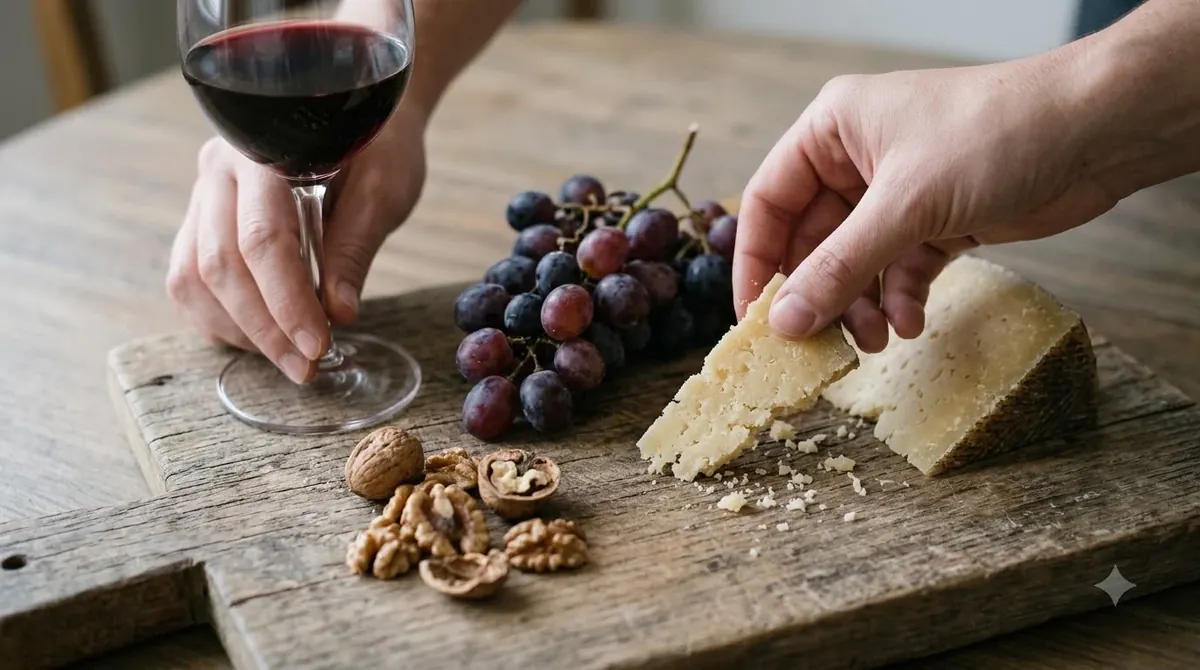
The producer describes its 2023 Malbec as a full-bodied Argentine red with aromas of blackcurrant and flavors of wild blackberry and dark cherry. Sweet tea leaves and shaved chocolate appear toward the finish. These characteristics make the wine particularly comfortable alongside grilled meat, roasted vegetables, mushrooms, and dishes with browned or caramelized surfaces.
Oak also influences the pairing possibilities. Alamos reports using both French and American oak for its 2023 Malbec. Oak-aged red wine can develop additional impressions of spice and toast, making it a natural companion for grilled food, roasted garlic, and dishes prepared with herbs such as rosemary and thyme. The fruit remains important, however. A blackberry-rich red can complement the savory character of a beef burger without requiring a sweet sauce.
Its body matters just as much as its aroma. A substantial red can overwhelm a lightly seasoned white fish or a delicate vegetable salad. Instead, look for food with concentrated flavor, some fat, protein, or browned edges. A pan-seared steak, mushroom risotto, or roasted eggplant has enough character to keep the wine and food in balance.
It also helps to understand how tannin interacts with ingredients. Tannin creates a drying sensation, particularly noticeable alongside lean protein or bitter flavors. Protein, salt, and fat can soften that impression, which explains why a moderately rich burger or a piece of grilled beef often works better than an extremely lean, lightly seasoned dish.
For more background on this grape and its different regional expressions, the Wine Brands section provides a useful starting point for exploring other producers and styles. The central idea is simple: choose food with enough savory character to complement Alamos Malbec’s fruit and structure.
Steak, Burgers, and Grilled Beef Are the Best Matches
Grilled beef is the most dependable Alamos Malbec pairing because the wine’s dark fruit and tannins complement browned meat, savory seasoning, and the richness of beef fat. Flank steak, skirt steak, ribeye, and burgers are especially practical choices.
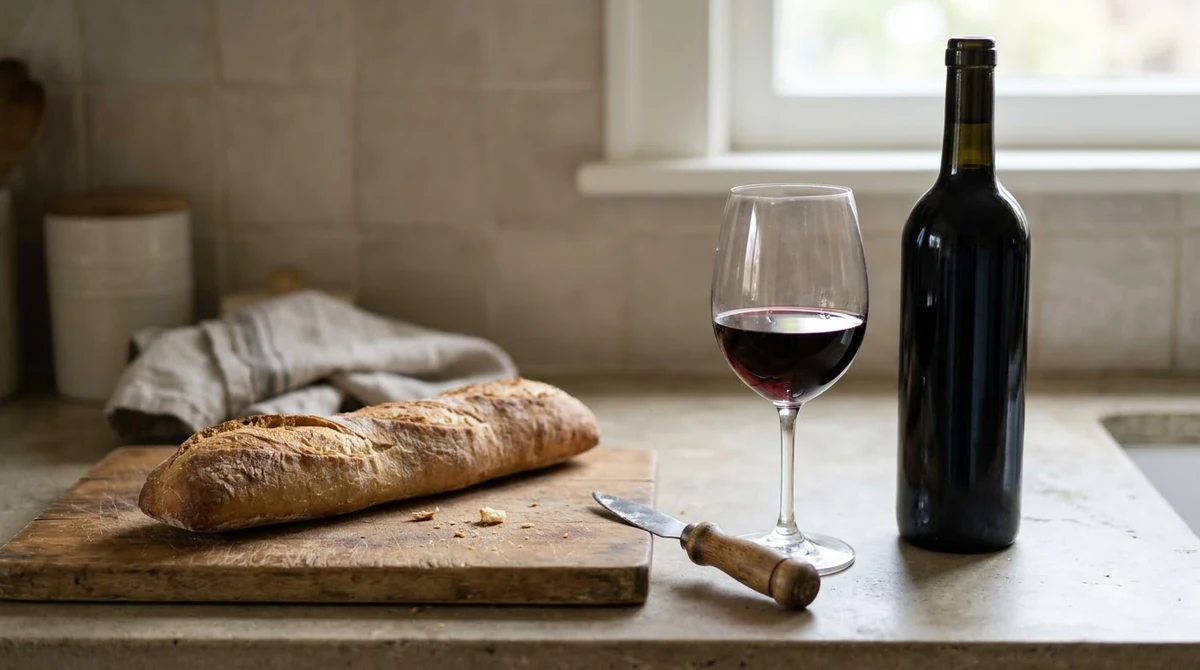
Start with an Argentine-inspired grilled steak. Flank steak and skirt steak have pronounced beef flavor and develop attractive browned edges over high heat. Season them with salt, black pepper, garlic, and a little olive oil. Once rested, slice the meat across the grain and serve it with chimichurri or grilled onions. The wine’s blackberry and dark cherry character complements the meat, while its savory notes work naturally with garlic and herbs.
Ribeye is another strong option. Its generous marbling creates a rich mouthfeel that helps soften the drying sensation of tannin. A simple preparation with salt, pepper, and rosemary is often preferable to a complicated marinade. The charred exterior provides a savory counterpoint to the wine’s ripe fruit, while the fat keeps each bite satisfying.
For burgers, choose ground beef with enough fat to remain juicy during cooking. A burger topped with aged cheddar, caramelized onions, and roasted mushrooms is a particularly good match. Blue cheese also works well because its salty, tangy character contrasts with the wine’s dark fruit. Avoid making the burger excessively sweet with large amounts of sugary ketchup or barbecue glaze.
Steak sauces can change the balance considerably. Peppercorn sauce, mushroom sauce, and roasted garlic butter are useful options because they reinforce savory flavors without introducing excessive sweetness. A red wine reduction can also work, provided it is not overly acidic or sweet.
For a larger dinner, consider the following combinations:
- Flank steak: Serve with grilled onions, roasted peppers, and chimichurri.
- Skirt steak: Add sautéed mushrooms, garlic, and a modest amount of black pepper.
- Ribeye: Pair with rosemary potatoes and roasted garlic.
- Beef burgers: Use aged cheddar, caramelized onions, or blue cheese.
- Grilled beef kebabs: Alternate beef cubes with red peppers and onions, seasoning with cumin and smoked paprika.
These dishes also illustrate why the cooking method matters. Boiled or steamed beef may lack the browned flavors that make the pairing especially enjoyable. Grilling, roasting, and pan-searing create more concentrated savory flavors that stand up to the wine.
Decanter identifies Malbec as a classic steak companion and discusses how Argentina’s beef culture and Mendoza’s wine production have helped establish the combination. Its guide to choosing wine for steak also discusses how different cuts and accompanying sauces affect the final match.
If the meal is built around beef, there is little need to search for an elaborate pairing. A properly seasoned steak, a simple vegetable side, and a glass of Alamos Malbec make a balanced combination.
Pork, Chicken, Lamb, and Turkey for More Dinner Options
Alamos Malbec can accompany several poultry and pork dishes, especially when they are roasted, grilled, or prepared with savory seasoning. Lamb is another natural option because its rich flavor and browned exterior can stand up to the wine.
Pork tenderloin is a useful choice for a meal that feels lighter than steak without becoming too delicate. Season it with rosemary, garlic, black pepper, and a little olive oil. Roast until cooked through, then serve with roasted carrots or sautéed mushrooms. The wine’s dark fruit complements the browned exterior, while the herbs connect the savory flavors.
Barbecue pork is another possibility. Pulled pork, grilled pork chops, and roasted pork shoulder can all work, particularly when the sauce emphasizes smoke, pepper, and savory ingredients rather than sugar. A thick, sweet barbecue glaze can make a dry red wine seem more bitter or acidic by comparison. A restrained sauce with tomato, vinegar, paprika, and black pepper is a better starting point.
Chicken requires more attention to preparation. Plain poached chicken breast has a relatively mild flavor and can be overwhelmed by a full-bodied red. Instead, choose roasted chicken thighs with crisp skin, grilled chicken legs, or chicken prepared with mushrooms and herbs. Dark meat has more richness and flavor than an unseasoned breast, making it a better match.
For turkey, consider roasted dark meat rather than relying exclusively on breast meat. Mushroom gravy, sausage stuffing, and buttery potatoes bring savory richness to the plate. These ingredients help bridge the gap between poultry and the wine’s substantial fruit character. This makes Alamos Malbec a possible choice for a holiday meal, particularly when the table includes several hearty side dishes.
Lamb is especially suitable for an herb-crusted roast or grilled chops. Rosemary, thyme, garlic, and black pepper complement the wine’s savory characteristics. Serve the lamb with roasted potatoes or eggplant rather than a delicate salad. If the meat has a pronounced earthy flavor, the wine’s dark fruit offers a pleasant contrast.
Bison and venison can also work. Both have distinctive flavors, and their leaner textures benefit from preparations involving roasting, grilling, mushrooms, or a savory sauce. Avoid cooking venison until it becomes excessively dry, since very lean meat can make tannins seem more pronounced.
Tip: When serving Alamos Malbec with poultry, choose roasted chicken thighs or turkey legs rather than plain chicken breast. Add mushrooms, browned skin, or herb seasoning to give the food enough flavor to match the wine.
Mushrooms, Pasta, and Vegetarian Dishes That Complement Malbec
Vegetarian food can work very well with Alamos Malbec when it includes roasted vegetables, mushrooms, lentils, or rich sauces. The most successful dishes have concentrated savory flavors rather than relying on delicate greens or lightly seasoned vegetables.
Grilled portobello mushrooms are an excellent starting point. Their substantial texture makes them suitable as a main course, while their earthy character complements the wine’s dark fruit. Marinate the mushrooms with olive oil, garlic, black pepper, and thyme before grilling. Allow the edges to brown slightly, then serve with roasted potatoes or a warm grain salad.
Eggplant is another useful ingredient. Roasted eggplant develops a soft texture and concentrated flavor that works well alongside Malbec. Try an oven-roasted eggplant dish with tomatoes, garlic, onions, and herbs. A little browned cheese can add further richness without making the plate excessively heavy.
Creamy mushroom pasta is one of the most convenient vegetarian matches. Use fettuccine, pappardelle, or rigatoni with sautéed mushrooms, garlic, cream, and Parmesan. The mushrooms supply earthy flavors, while the sauce adds enough richness to complement the wine’s body. A little fresh thyme or black pepper provides additional savory detail.
Tomato-based pasta can work too, but acidity needs attention. A tomato sauce with roasted vegetables, mushrooms, and browned onions is preferable to an extremely sharp, vinegar-heavy sauce. Food with significant acidity can make a wine seem flatter, so balance the tomato with olive oil, roasted garlic, and enough seasoning.
Other satisfying options include:
- Mushroom risotto: Arborio rice, browned mushrooms, Parmesan, and thyme create a rich, savory dish.
- Lentil shepherd’s pie: Lentils, carrots, onions, and mushroom gravy provide a hearty alternative to minced beef.
- Roasted cauliflower steaks: Use paprika, garlic, olive oil, and browned edges for additional flavor.
- Vegetable lasagna: Combine mushrooms, eggplant, tomato sauce, and mozzarella.
- Black bean burgers: Add roasted peppers, grilled onions, and aged cheese for a more substantial flavor profile.
Cheese also provides several opportunities for a successful vegetarian spread. Blue cheese is a particularly interesting choice because its saltiness and creamy texture can soften the impression of tannin. Aged Gouda, Manchego, Pecorino, and mature cheddar are additional possibilities. Their concentrated savory flavors stand up better to the wine than mild, fresh cheeses.
For a simple dinner, combine grilled portobello mushrooms, a small bowl of mushroom pasta, and a few slices of aged Gouda. This creates a meal with enough variation in texture and flavor without introducing ingredients that compete with the wine.
Sauces, Spices, Seafood, and Side Dishes to Consider
The seasoning and supporting ingredients can determine whether a pairing succeeds. Garlic, rosemary, black pepper, mushrooms, and smoky flavors generally complement Alamos Malbec, while excessive sweetness, sharp acidity, and delicate seafood are more challenging.
Start with sauces. Chimichurri is a natural companion to Argentine-style steak, particularly when it contains parsley, garlic, oregano, olive oil, and a moderate amount of vinegar. However, very acidic versions can make the wine taste less balanced. Keep the vinegar restrained and let the herbs and oil provide most of the flavor.
Peppercorn sauce is another reliable choice. Black pepper reinforces the wine’s savory spice, while cream provides richness. Mushroom gravy is similarly effective with steak, pork, turkey, or a vegetarian roast. A tomato-based barbecue sauce can work, too, provided its sweetness does not dominate the dish.
Spicy food needs more care. Black pepper, smoked paprika, cumin, and moderately seasoned chili can be enjoyable. However, very hot chili sauces may intensify the sensation of alcohol and tannin, making the wine feel hotter and more astringent. If serving spicy beef tacos or grilled kebabs, use moderate chili and include ingredients such as avocado, beans, or cheese to soften the overall heat.
Seafood is not automatically excluded, but the preparation and fish matter. Delicate shellfish, steamed shrimp, and mild white fish can be overwhelmed by a substantial red. Oily fish also presents a challenge because its texture and flavor may clash with tannic reds.
If seafood is on the menu, consider a meaty preparation of salmon or swordfish with browned surfaces and savory seasoning. Roasted salmon with mushrooms, herbs, and roasted vegetables is more promising than lightly steamed fish with lemon. Even then, a lighter red or white wine may be preferable depending on the dish.
Side dishes can strengthen a pairing without requiring complicated recipes. Consider roasted potatoes with rosemary, grilled onions, sautéed mushrooms, charred peppers, or baked beans. These ingredients provide savory flavors that complement the wine. A simple green salad can also refresh the plate, particularly if the dressing is not excessively acidic.
The following chart offers a practical reference for planning a meal:
| Food | Preparation | Pairing suitability |
|---|---|---|
| Flank steak | Grilled with onions | Excellent |
| Ribeye | Pan-seared or grilled | Excellent |
| Beef burger | Aged cheddar and mushrooms | Excellent |
| Lamb chops | Rosemary and garlic | Excellent |
| Pork tenderloin | Roasted with herbs | Very good |
| Chicken thighs | Roasted with mushrooms | Very good |
| Portobello mushrooms | Marinated and grilled | Very good |
| Creamy mushroom pasta | Parmesan and thyme | Very good |
| Blue cheese | Served with crackers | Very good |
| Steamed shrimp | Lightly seasoned | Less suitable |
These descriptions are practical pairing recommendations rather than formal ratings. The amount of seasoning, sauce, fat, and char can change the result. A grilled portobello with garlic butter, for example, will generally work better than the same mushroom served raw in a lightly dressed salad.
For another Argentine red wine comparison, the Catena Malbec food pairing article offers additional ideas for matching Malbec with different foods. You can compare the recommended dishes and consider how differences in wine style influence the final meal.
Serving Temperature, Portions, and Complete Dinner Menus
Alamos Malbec is best served slightly below typical room temperature, around 60–65°F. Proper chilling helps preserve the wine’s fruit character and keeps the alcohol from dominating its aromas.
A warm bottle can make a substantial red seem heavier and more alcoholic, particularly alongside a rich steak or creamy pasta. If the bottle has been stored in a warm kitchen, place it in the refrigerator for approximately 20–30 minutes before serving, then check the temperature. Avoid serving it directly from a very cold refrigerator, since excessive chilling can suppress the aromas and make the tannins feel more pronounced.
Decanting is optional for most everyday bottles of Alamos Malbec. A young, full-bodied red can benefit from approximately 30–60 minutes of aeration before dinner. Pouring it into a decanter allows the aromas to open and gives the wine time to settle into a more expressive profile. If the wine already smells open and balanced after pouring, additional aeration may not be necessary.
For portion planning, a standard wine pour is 5 ounces. A 750 ml bottle contains approximately five standard glasses, making one bottle a practical starting point for a dinner with two people enjoying two glasses each and a little remaining. Serve the wine in a generously sized red wine glass so its blackberry, cherry, and spice aromas have room to develop.
Food portions should also reflect the wine’s substantial character. A main course built around 6–8 ounces of cooked steak or a similarly substantial serving of pork provides a useful starting point for an adult dinner, depending on appetite and the accompanying sides. Add vegetables or potatoes to create a balanced plate rather than relying entirely on meat.
Three easy menus for different occasions
Casual steak dinner: Start with a small cheese board featuring aged Gouda and Manchego. Serve grilled flank steak with chimichurri, rosemary potatoes, and roasted peppers. Finish with a small portion of bittersweet dark chocolate.
Comfort-food evening: Begin with roasted mushrooms on toasted bread. Follow with creamy mushroom pasta, a green salad with a restrained dressing, and Parmesan. This menu works particularly well when the wine’s dark fruit and savory notes are allowed to complement the earthy flavors.
Weekend barbecue: Serve grilled burgers with aged cheddar and caramelized onions, followed by grilled vegetables and baked beans. Keep the barbecue sauce moderately sweet and provide black pepper or mustard as additional seasoning options.
Dessert requires one important adjustment. A dry red wine should not be served with a dessert that is noticeably sweeter than the wine, because the wine can taste sour or bitter by comparison. Bittersweet dark chocolate is a more suitable option than very sweet chocolate cake, caramel pudding, or fruit syrup desserts.
These menus demonstrate that Alamos Malbec does not need an elaborate occasion. A simple steak dinner, a bowl of mushroom pasta, or a well-prepared burger can provide an enjoyable match when the wine and food have comparable flavor intensity.
Frequently Asked Questions
Does Alamos Malbec go well with pizza?
Yes. Pizza with Italian sausage, roasted mushrooms, beef, or caramelized onions can complement Alamos Malbec. A traditional cheese pizza also works, although toppings with more savory character usually provide a better match. Avoid excessive chili oil or very sweet barbecue toppings if you want the wine’s fruit flavors to remain prominent.
Can Alamos Malbec be paired with Indian food?
It can work with milder dishes featuring roasted lamb, grilled kebabs, or mushroom-based sauces. Recipes with garam masala, cumin, and coriander can complement the wine’s savory spice. Very hot vindaloo or chili-heavy preparations are less suitable because alcohol and tannin can intensify the sensation of heat.
Is Alamos Malbec suitable for Thanksgiving dinner?
Yes, particularly when the meal includes roasted turkey legs, sausage stuffing, mushroom gravy, and roasted root vegetables. Cranberry sauce can introduce considerable sweetness and acidity, so serve it in moderation alongside the turkey. A glass of Malbec is generally more comfortable with savory stuffing and dark turkey meat than with a heavily sweetened side dish.
Does Alamos Malbec pair with Mexican food?
Yes. Beef fajitas, grilled carne asada, mushroom quesadillas, and moderately seasoned beef enchiladas are suitable options. Black beans, grilled onions, and roasted peppers can help connect the food with the wine’s dark fruit character. Keep fresh jalapeños and very hot salsa under control so the alcohol does not become overly prominent.
How should leftover Alamos Malbec be stored?
Recork the bottle securely and store it upright in the refrigerator, where the cooler temperature slows oxidation. Most opened still red wines retain their best character for approximately 3–5 days under refrigeration. Allow the wine to warm slightly before pouring another glass, rather than leaving the bottle at room temperature for an extended period.
Alamos Malbec is an especially useful choice for meals featuring grilled beef, roasted pork, lamb, mushrooms, and aged cheese. Its dark fruit and savory character also make it suitable for hearty vegetarian dishes and relaxed barbecue dinners. Start with a well-seasoned main course, serve the wine at 60–65°F, and keep sauces and spices balanced to bring the food and wine together.
More in Wine Brands
 Louis Latour Wine Price: Compare Bottles by Style and TierUpdated Nov 20, 2026
 Yellow Tail Moscato Price: What to Expect Before You BuyUpdated Nov 20, 2026
 Sutter Home Sweet Red Review: Find the Right Food PairingsUpdated Nov 20, 2026
 Franzia Chillable Red Review: Find the Right Serving StyleUpdated Nov 20, 2026
 Veuve Clicquot Rose Review: Flavor, Food Pairings and Buying AdviceUpdated Nov 20, 2026
 Rombauer Wine Price: Compare Bottles Before You BuyUpdated Nov 20, 2026