

We may earn a commission when you buy through links on this page, at no extra cost to you. Learn more.
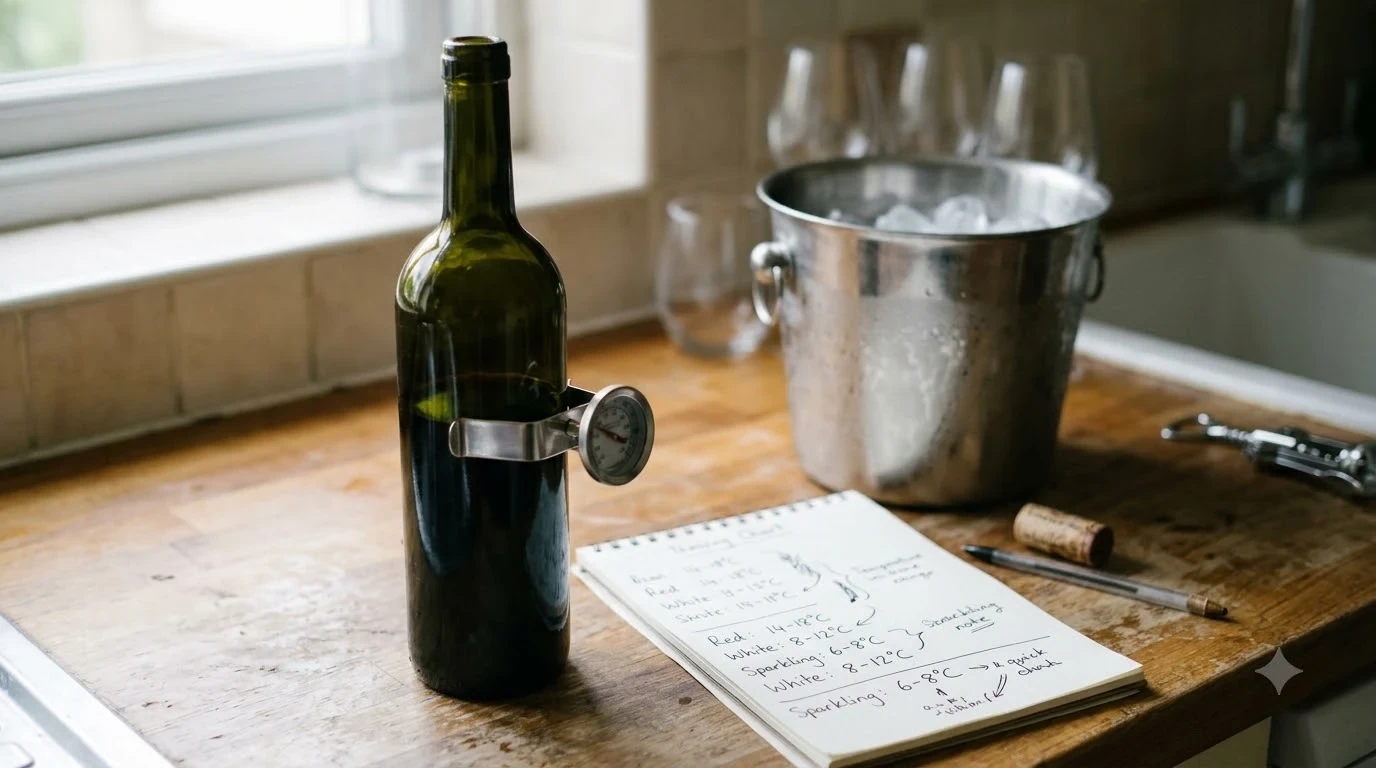
How to use a wine thermometer is simple: measure the wine’s temperature, compare the reading with the recommended serving range for its style, and adjust the bottle before pouring. A thermometer helps you avoid serving chilled whites too cold or allowing reds to become excessively warm. Whether you use a digital probe, an analog thermometer, or a bottle-mounted temperature strip, understanding the reading makes it easier to serve wine at its best.
Wine temperature influences aroma, acidity, texture, alcohol perception, and the way flavors develop in the glass. A bottle that feels cool to your hand may still be warmer than intended, while a white wine straight from the refrigerator might be too cold to show its full character. Learning to use a wine thermometer gives you a practical way to check these differences. The process takes only a few minutes and is useful for everyday dinners, wine tastings, and special occasions.
1. Understand How a Wine Thermometer Works
A wine thermometer measures temperature so you can determine whether a bottle is ready to serve. Different models measure temperature in different ways, and understanding those differences helps you interpret the result correctly.
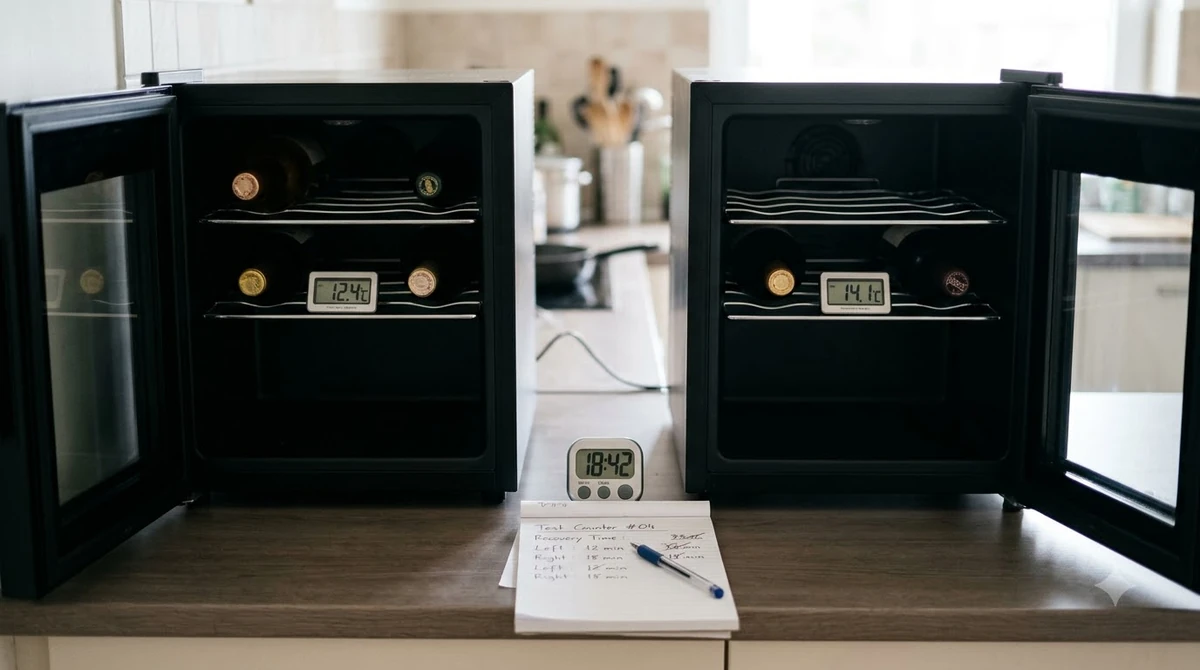
The most straightforward design is a probe thermometer. It has a temperature-sensitive metal stem that enters the wine and measures the liquid directly. Some models have a digital screen that displays the temperature, while traditional versions use an analog scale. A clean probe can also be used with an ordinary instant-read kitchen thermometer.
Another common design is a bottle thermometer. This model wraps around the bottle or attaches to its exterior. Depending on the construction, it may use a digital sensor or a temperature-sensitive strip that changes color. It is convenient because you can check an unopened bottle without removing the cork.
However, a bottle-mounted thermometer measures the bottle’s exterior rather than directly measuring the wine. Glass does not always change temperature at the same rate as the liquid inside. This difference matters particularly when a bottle has just been moved from a refrigerator into a warm room or taken out of an ice bucket.
Choosing between thermometer types
Choose a probe thermometer if you want to measure the liquid directly. A bottle-mounted model is more convenient for checking several unopened bottles, while a digital instant-read kitchen thermometer can serve the same purpose as a dedicated wine probe.
Infrared thermometers are another possibility, but they measure surface temperature. Pointing one at a wine bottle provides information about the outside of the glass, not a direct measurement of the wine itself. Treat that result as an estimate rather than an exact serving temperature.
For most home wine drinkers, a basic digital probe or bottle-mounted thermometer is sufficient. You do not need an elaborate instrument to determine whether a Sauvignon Blanc is properly chilled or a Cabernet Sauvignon needs a few minutes in the refrigerator.
2. Prepare the Bottle and Thermometer Before Measuring
Before taking a reading, prepare the thermometer and bottle so the measurement is as consistent as possible. A clean probe, an accessible bottle opening, and a stable thermometer position help prevent misleading results.
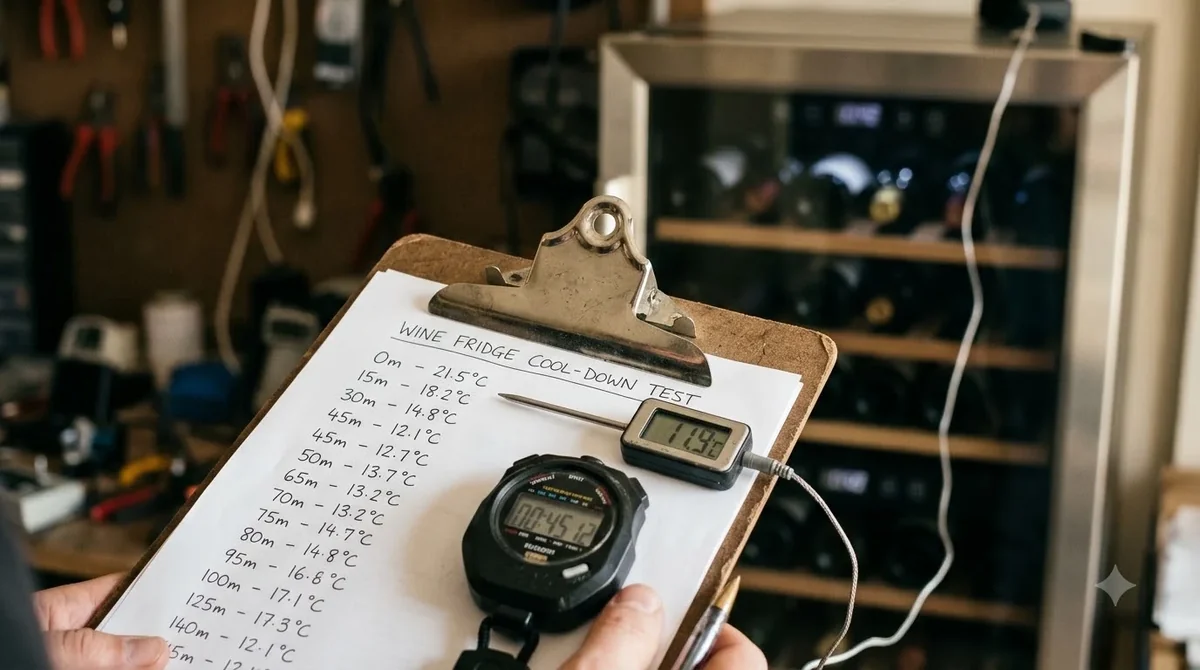
Start by identifying the wine you intend to serve. A sparkling wine, a light white, an oaked Chardonnay, and a full-bodied red do not share the same ideal serving temperature. Knowing the style gives you a target against which to compare the thermometer reading.
If you are using a probe thermometer, wash the metal stem with warm water and a small amount of dish soap. Rinse it thoroughly and dry it with a clean towel. This step prevents food residue, cleaning products, or lingering odors from transferring into the wine.
Switch on a digital thermometer and make sure its display is working. If it uses a replaceable battery, confirm that the screen is readable. For an analog model, check that the temperature markings are visible and that the instrument has no obvious damage.
Remove the bottle from its refrigerator, wine cooler, or storage area and place it on a stable surface. If you are measuring an unopened bottle with a strap thermometer, attach the device to an exposed section of glass rather than covering the label.
Allow the thermometer to settle before interpreting its reading. A bottle-mounted device may need additional time to respond to a recent change in temperature. A probe thermometer usually provides a faster measurement, but it still needs to remain in contact with the wine long enough for the display to stabilize.
Tip: Measure the temperature before guests arrive, then check again shortly before pouring if the bottle has been sitting in a warm room. This is especially useful for sparkling wine, chilled whites, and delicate Pinot Noir.
3. Measure Wine Temperature Step by Step
The correct measuring method depends on whether your thermometer enters the liquid or attaches to the bottle. For the most direct result, use a clean probe in an open bottle or a freshly poured glass.
Using a probe thermometer
Follow these steps when using a digital or analog probe thermometer:
Step 1: Open the bottle. Remove the cork or unscrew the cap using your normal opening method. If you need help with the opening process, see our instructions on how to use an air pump wine opener.
Step 2: Clean the probe. Make sure the metal stem is free from soap, food residue, and other substances. The portion entering the wine should be completely clean.
Step 3: Insert the probe. Place the thermometer’s sensing portion into the wine without allowing it to rest against the bottle’s glass wall or bottom. Keep the display and any electrical components away from the liquid.
Step 4: Wait for the reading. Hold the thermometer steady until the displayed temperature stops changing significantly. Depending on the instrument, this may take several seconds.
Step 5: Read the temperature. Check the display or analog scale. Make sure you know whether the instrument is displaying Fahrenheit or Celsius.
Step 6: Compare the result. Use the wine’s style to determine whether it is ready to serve. A light Pinot Noir and a full-bodied Cabernet Sauvignon require different targets, even though both are red wines.
Step 7: Clean the thermometer. Remove the probe, rinse it, wash it as appropriate, and dry it before storing. This keeps it ready for the next bottle.
Using a bottle-mounted thermometer
For a strap-style thermometer, wrap the device around the bottle according to its design. Place it against an uncovered section of glass, avoiding the label, decorative packaging, or other insulating materials.
Wait for the display or temperature strip to respond. A recently chilled bottle may show a changing reading because the exterior glass cools faster than the wine inside. Give the device time to settle before making a decision.
Use the result as a practical guide rather than assuming it represents the exact temperature of the liquid. If you need a more direct reading, open the bottle and use a probe thermometer.
4. Know the Correct Serving Temperature for Each Wine Style
The ideal temperature depends on the wine’s body, structure, sweetness, and production style. Use the following ranges as starting points when checking your thermometer.
For everyday service, sparkling wines are generally served cold, lighter whites and rosés slightly warmer, and full-bodied reds cooler than typical heated indoor room temperature. These differences help preserve freshness while allowing the wine’s aromas and flavors to develop.
| Wine style | Typical examples | Serving temperature |
|---|---|---|
| Sparkling wine | Champagne, Cava, Prosecco | 40–50°F |
| Light white wine | Pinot Grigio, Sauvignon Blanc | 45–50°F |
| Rosé wine | Dry Provence-style rosé | 45–50°F |
| Full-bodied white wine | Oaked Chardonnay | 50–55°F |
| Light red wine | Light-bodied Pinot Noir | 55–60°F |
| Full-bodied red wine | Cabernet Sauvignon, Syrah | 60–65°F |
| Sweet white wine | Late-harvest Riesling | 43–50°F |
These ranges provide practical targets rather than rigid rules. Individual wines can benefit from slightly different temperatures, particularly when their body, oak influence, sweetness, and acidity vary. For more detail, Wine Enthusiast’s wine serving temperature guide provides additional recommendations for specific styles and varieties.
Why red wine should not automatically be served warm
The traditional instruction to serve red wine at room temperature can be misleading. A heated American home may be considerably warmer than the ideal range for a bottle of Cabernet Sauvignon or Merlot.
For example, a room at 72°F is warmer than the recommended 60–65°F range for full-bodied reds. At excessive temperatures, alcohol can become more prominent, while freshness and acidity may seem less noticeable.
On the other hand, serving a full-bodied red too cold can make its structure seem harder and its aromas less expressive. Use your thermometer to find a comfortable middle ground rather than treating all red wines as wines that should be served warm.
5. Adjust Wine Temperature When the Reading Is Too High or Low
Once you have measured the wine, compare the reading with its target range and make a gradual adjustment. An ice-water bath is effective for cooling, while a short rest at room temperature is usually sufficient for warming.
If a white wine measures 58°F but you want to serve it at approximately 48°F, it needs additional chilling. Put the bottle in an ice bucket filled with a mixture of ice and water. The water allows cold to surround more of the bottle’s surface, making the cooling process more effective than placing the bottle among dry ice cubes alone.
For a red wine that measures 67°F, a short period in the refrigerator can bring it closer to the recommended range. Check the temperature again before serving instead of assuming a fixed refrigeration time will work in every situation.
Wine Enthusiast suggests approximately 25 minutes in the refrigerator for full-bodied reds starting at 72°F and 45–60 minutes for lighter reds under similar starting conditions. These are useful estimates, but bottle size, refrigerator temperature, and surrounding conditions affect the actual cooling rate.
Correcting an overly cold wine
If your Sauvignon Blanc or Chardonnay is colder than intended, remove the bottle from the refrigerator and let it rest briefly. Measure again after a short interval to see how quickly the temperature is changing.
For a red wine that is too cold, allow it to warm gradually. You can also hold the bowl of the glass in your hands to transfer gentle warmth to the wine. Avoid putting a bottle next to a radiator, heater, or other intense heat source.
Do not assume that a wine will stay at its original temperature after pouring. A small amount in a glass can warm relatively quickly, particularly in a warm dining room. For a long dinner, consider keeping the bottle in a suitable ice bucket or cool storage area between pours.
For additional background, WSET’s advice on wine serving temperatures explains why gradual warming and effective ice-water chilling are preferable to sudden temperature changes.
6. Avoid Common Wine Thermometer Mistakes
A thermometer is only useful when its reading is interpreted correctly. Avoiding a few common mistakes will help you get more consistent results across different bottles and wine styles.
Confusing bottle temperature with wine temperature
One of the most common errors is assuming that the outside of the bottle always matches the temperature of the wine. Glass responds to changes in its surroundings, while the liquid inside changes more gradually.
This is particularly noticeable when a bottle has just been removed from an ice bucket. Its exterior may be very cold while the wine inside is still slightly warmer. A strap thermometer can therefore provide an imperfect indication during rapid cooling.
Measuring too quickly
Another mistake is removing a probe before the reading stabilizes. Digital thermometers can respond quickly, but the temperature display may initially change as the sensor adjusts to the wine.
Keep the probe steady and wait for a consistent reading. Moving it repeatedly between the bottle wall and the liquid can also affect the result.
Using the wrong temperature target
A thermometer reading of 55°F might be appropriate for a light red but too warm for a sparkling wine. Likewise, 45°F may work for a crisp white but be unnecessarily cold for a full-bodied Chardonnay.
Always identify the wine style before adjusting its temperature. Grape variety is helpful, but it does not tell the entire story because winemaking choices can change a wine’s body and structure.
Ignoring temperature changes after pouring
Wine gradually warms in the glass. Decanter explains that a red wine served at 64°F can rise to approximately 72°F or higher under certain room conditions. That change can alter the balance between alcohol, fruit, and acidity.
Use smaller pours when appropriate and keep bottles at a suitable temperature throughout the meal. A standard 5-ounce serving is a practical starting point, and a 750 ml bottle provides approximately five such glasses.
Using a dirty or unsuitable probe
A thermometer previously used for cooking should be cleaned before it touches wine. Residual garlic, meat juices, spices, and cleaning products can introduce unwanted odors or contamination.
Also avoid immersing the digital display or electrical housing unless the manufacturer specifically identifies those parts as waterproof. Follow the instrument’s cleaning instructions to protect its sensor and electronics.
7. Make Wine Temperature Checking Part of Your Serving Routine
Using a wine thermometer becomes easier when you make it part of your regular serving routine. A quick temperature check before opening or pouring helps you plan chilling time, prepare glassware, and avoid last-minute adjustments.
For a dinner with several wines, arrange bottles according to their intended serving temperatures. Put sparkling wines and lighter whites in the refrigerator first, while allowing fuller whites and reds to reach their respective ranges closer to service.
For example, if you plan to serve Champagne, Sauvignon Blanc, Chardonnay, and Cabernet Sauvignon during one meal, their temperatures should not be treated as interchangeable. The sparkling wine needs the coldest starting point, while the Cabernet should generally be served warmer than the whites.
Keep a simple note of the readings you prefer for wines you purchase regularly. If you enjoy a particular Pinot Noir at 57°F, recording that preference makes it easier to reproduce the same serving conditions later.
A thermometer can also be useful when hosting a larger gathering. If you are estimating bottles for a celebration, our guide on how much wine for 100 guests can help with planning quantities, while temperature checks help ensure the bottles are ready to pour.
Separate storage temperature from serving temperature
Remember that wine storage and wine service have different goals. Long-term storage should prioritize stable conditions, while serving temperature should be adjusted to the individual wine style.
WSET recommends a consistent storage environment around 50–59°F for wines intended for longer-term keeping. That does not mean every bottle should be poured directly from storage. A Champagne or light Sauvignon Blanc may need additional chilling, while a full-bodied red may need to warm slightly.
For cork-sealed bottles, horizontal storage helps maintain contact between the wine and the cork. Avoid storing wine in areas with frequent temperature fluctuations, such as a kitchen close to an oven or other heat-producing appliances.
If you are building a broader understanding of wine service, explore our Wine Basics resources for information about wine styles, serving techniques, and everyday bottle handling.
Frequently Asked Questions
Can you measure wine temperature without opening the bottle?
Yes. A bottle-mounted thermometer can estimate temperature without removing the cork or screw cap. Some wine cellars also have built-in temperature displays that monitor their internal environment, although those readings do not necessarily represent the exact temperature of an individual bottle. For the most direct measurement of the wine itself, use a clean probe after opening.
Does altitude affect a wine thermometer reading?
Ordinary changes in household altitude do not require a special adjustment to a standard electronic wine thermometer. Most digital temperature sensors measure temperature independently of atmospheric pressure within their specified operating conditions. Follow the manufacturer’s calibration instructions if you suspect the instrument is displaying incorrect readings.
Can a wine thermometer be used for fortified wine?
Yes. A clean probe can measure Port, Sherry, and Madeira just as it measures still wine. The appropriate serving temperature depends on the style: delicate fino Sherry and tawny Port generally benefit from cooler service than some richer, older fortified wines. Choose the target based on the particular style rather than applying a single temperature to every fortified bottle.
How should you store a digital wine thermometer?
Clean and dry the probe before putting the thermometer away. Keep it in a dry drawer or protective case, away from excessive heat and moisture. If the instrument uses a replaceable battery, remove it according to the manufacturer’s instructions before extended storage when recommended.
Can a wine thermometer lose its calibration?
Yes. Temperature sensors can become less accurate after damage, heavy use, or exposure to conditions outside their operating limits. Some digital models include a calibration function, while others require professional adjustment or replacement. An ice-water mixture can provide a useful reference point for checking a thermometer, although the manufacturer’s calibration procedure should take priority.
A wine thermometer is a simple tool that helps you serve each bottle closer to its ideal temperature. Measure carefully, use the correct range for the wine style, and make gradual adjustments before pouring. With a consistent routine, you can preserve freshness, balance, and aromatic expression across sparkling wines, whites, rosés, and reds.
More in Wine Basics
 What Is The Best Wine For Mimosas? Choose Bubbly That Balances Orange JuiceUpdated Nov 20, 2026
 Which Prosecco Is Best for Your Taste and OccasionUpdated Nov 20, 2026
 Which Wine Is Best For Health? Understand the Risks and BenefitsUpdated Nov 20, 2026
 Which Champagne Is Best for Your Taste and OccasionUpdated Nov 20, 2026
 What To Put In A Wine Gift Basket For A Thoughtful, Memorable GiftUpdated Nov 20, 2026
 What Is the Best Wine for Mulled Wine? Choose a Smooth, Fruity RedUpdated Nov 20, 2026