

We may earn a commission when you buy through links on this page, at no extra cost to you. Learn more.
Moscato sangria is a sangria made with a sweet, lightly sparkling Moscato wine instead of the traditional red wine base. It is lighter, sweeter, and fruitier than classic red sangria, and it is usually served cold as a summer drink. Most versions add fresh fruit, a splash of citrus juice, and sometimes a little sparkling water or a fruit liqueur.
If you like Moscato wine and want a party pitcher that tastes like a fruit punch with some grown-up character, a Moscato sangria is an easy choice. This guide explains what goes into it, how it differs from the red version, how to make it at home, and how to keep it from getting too sweet.
What makes moscato sangria different from red sangria
Traditional sangria begins with a red wine, usually a dry Spanish red, and then adds fruit, sugar, and a spirit. According to the Wikipedia entry on sangria, red wine is the base and Spanish Rioja is traditionally used. Over time, cooks have added white wine versions, which the same source describes as a more recent innovation, and sparkling versions made with cava.
Moscato sangria takes the white and sparkling route. Moscato is a sweet, aromatic white wine, often lightly fizzy, with notes of peach, orange blossom, and honey. Because the wine already brings sweetness and perfume, the pitcher needs less added sugar and fewer heavy ingredients. The result is a bright, floral drink that feels closer to a spritz than to a heavy red punch.
Ingredients for a classic moscato sangria
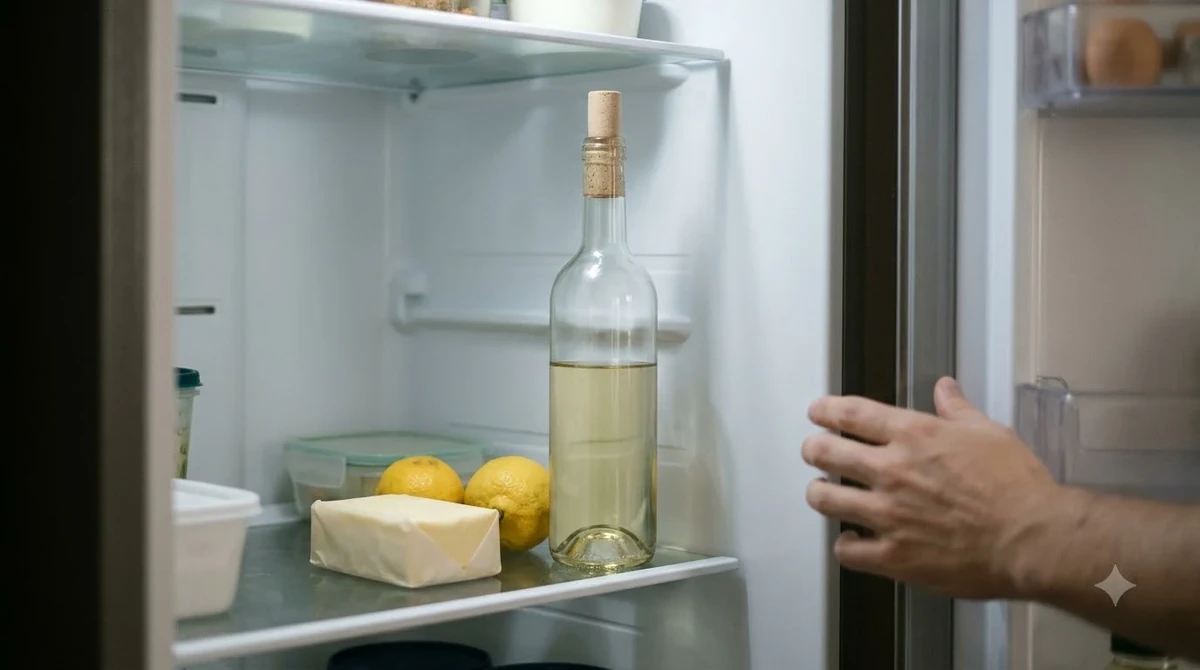
The base is a chilled bottle or two of Moscato, depending on how many glasses you plan to serve. Fresh fruit comes next. Peaches, nectarines, berries, and green apples all work well, since they hold their shape and add color. Citrus juice, usually orange or a squeeze of lemon, adds acidity that keeps the drink from tasting flat.
Frozen fruit can work in a pinch, especially berries, since it keeps the drink cold without diluting it. Let frozen pieces thaw slightly before adding them so they release their juice into the wine. Avoid bananas or very soft fruit, which can break down and cloud the pitcher.
When you buy the Moscato, check the label for sweetness and style. Some bottles are gently sparkling and very fruity, while others are still and a bit more floral. Both work in a pitcher, but the sparkling version gives the drink a livelier, party-style feel. Pick a wine you would enjoy drinking on its own, because its flavor will carry through the finished pitcher.
Many recipes add a small amount of brandy, a fruit liqueur, or sparkling water. Brandy adds warmth, while a fruit liqueur adds sweetness and depth. Sparkling water lightens the mix and makes it more refreshing. You do not need all of these. Choose one or two, and keep the balance in mind.
| Component | Role in the pitcher | Options |
|---|---|---|
| Moscato wine | Sweetness, floral aroma, light fizz | Still or lightly sparkling Moscato |
| Fresh fruit | Color, fresh flavor, soaking body | Peach, nectarine, berries, green apple |
| Citrus juice | Acidity that balances sweetness | Orange, lemon, or lime |
| Spirit or liqueur | Warmth and depth | Brandy, orange liqueur, or a fruit liqueur |
| Sparkling water | Lightness and extra fizz | Plain or lightly flavored |
How to make moscato sangria at home
Start by cutting the fruit into bite-sized pieces and placing it in a large pitcher. Add the citrus juice and any liqueur or brandy, then stir gently so the fruit is coated. Let the mixture sit for about 15 to 20 minutes so the fruit can release some juice and flavor into the liquid.
Cut the fruit into pieces that are about the size of a grape or a bite of melon, so each glass gets a mix of fruit and liquid. Smaller pieces release more flavor, but they can turn mushy if they soak for hours. Berries can stay whole or be halved, depending on the look you want.
Pour in the chilled Moscato just before serving. Adding the wine at the last minute keeps the sparkle lively, and it stops the drink from tasting dull. If you use sparkling water, add it last and stir once. Serve over ice in wine glasses, spooning in a few pieces of fruit for each guest.
Tip: Make the fruit base ahead of time, but add the Moscato and any sparkling water only when guests arrive. The drink stays brighter that way.
How to keep moscato sangria balanced
Moscato is already sweet, so the biggest mistake is adding too much sugar, syrup, or sweet liqueur on top. Taste before you add anything extra. If the drink needs more brightness, add a little more citrus rather than more sweetness. If it feels too heavy, a splash of sparkling water will lighten it.
A useful test is to taste the fruit base before you add the wine. If the fruit and citrus already taste sweet and bright, the finished pitcher will too. If the base tastes dull, a squeeze of lime or a few extra berries will do more than extra sugar. Many home cooks skip this step, and it is the quickest way to improve the result.
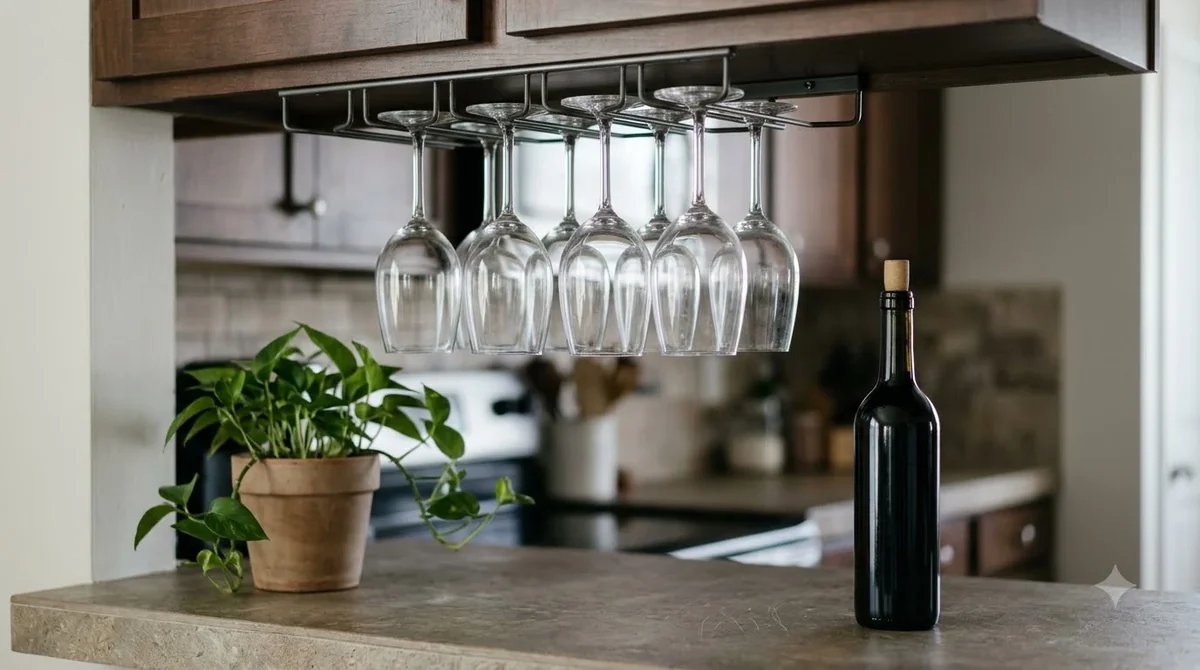
Temperature matters too. Serve the sangria cold, and keep the pitcher chilled between pours. Warm Moscato tastes syrupy and loses its freshness, while very cold wine keeps the flavors clean.
Best occasions and food to serve with moscato sangria
Moscato sangria fits well at brunch, garden parties, and casual summer dinners. Its sweetness makes it a friendly match for salty and savory snacks such as olives, cheese boards, and light appetizers. It also works with spicy Thai or Indian dishes, where the sweetness helps tame the heat.
It is also a good option for a crowd that does not all drink the same way. Because the sweetness and fizz make it approachable, it can work as a welcome drink before a meal, with the sangria poured in small glasses so guests can refill at their own pace. Keep a jug of plain sparkling water nearby for anyone who wants a lighter glass.
For dessert, pair it with fruit tarts, sorbet, or a simple bowl of berries. Avoid serving it with very rich, creamy desserts, which can make the drink taste cloying. For a deeper look at how sangria works with food in general, the Wikipedia entry on sangria gives useful background on the drink’s Spanish and Portuguese roots.
Frequently Asked Questions
Is moscato sangria sweeter than regular sangria?
Usually yes. Moscato is a sweet white wine, so a Moscato sangria starts sweeter than a traditional red version. You can keep it lighter by using less added sugar and more citrus.
Can I use sparkling Moscato for sangria?
Yes. A lightly sparkling Moscato adds extra fizz. Add it just before serving, because the bubbles fade if the mixture sits for too long.
How long can moscato sangria sit before serving?
The fruit can soak for about 15 to 20 minutes, or a few hours in the fridge if you keep the wine separate. Add the Moscato just before serving so it stays fresh and fizzy.
What fruit is best in moscato sangria?
Peaches, nectarines, berries, and green apples are popular choices. They hold their shape, add color, and complement the floral sweetness of Moscato.
Moscato sangria is a simple way to turn a favorite sweet white into a shareable pitcher. Keep the fruit fresh, add the wine at the last minute, and taste as you go. For more on the drink’s origins and styles, read the Wine by Type guide, or check the sangria alcohol content page if you want to plan how strong your pitcher will be.
More in Wine Types & Grapes
 Zinfandel Sugar Content: Dry Red vs. White Zinfandel GramsUpdated Nov 21, 2026
 Best Zinfandel Substitute Options for Sipping and CookingUpdated Nov 21, 2026
 Zweigelt Food Pairing: Best Dishes, Cheeses, and Serving TipsUpdated Nov 21, 2026
 Zinfandel Tannins Explained: How Structure Shapes Every BottleUpdated Nov 21, 2026
 Zinfandel Sweetness Level: Dry Red vs. Sweet White Zin ExplainedUpdated Nov 21, 2026
 Xinomavro Food Pairing: Best Dishes, Styles, and Serving TipsUpdated Nov 21, 2026