

We may earn a commission when you buy through links on this page, at no extra cost to you. Learn more.
To answer what is palo cortado in one sentence: it is a rare dry sherry from southern Spain that begins aging under flor like an amontillado and finishes aging oxidatively like an oloroso. The sherry regulatory council describes it as a wine that combines the delicate bouquet of an amontillado with the body and palate of an oloroso. Only a small fraction of sherry becomes palo cortado, and the council lists its finished strength at 17 to 22 percent alcohol with very little sugar. Its name comes from a chalk mark that cellar workers once drew on barrels.
Palo cortado is one of the most misunderstood bottles in the sherry aisle. Many shoppers see the name, assume it is a grape or a town, and move on. It is actually a sherry style with an unusual origin, and it sits between two better-known styles, which is why it confuses so many people. This guide explains what the wine is, how it is made, how it compares with its neighbors, and how to serve and pair it at home.
The Basic Definition of Palo Cortado
Palo cortado sits halfway between two sherry styles most wine drinkers already know, and that middle position is the whole point of the wine. The core idea is simple, even if the production story is not.
Sherry is a fortified wine made in and around Jerez in southern Spain, and the regulatory council that oversees it sets the rules for every style. The council describes palo cortado as a wine that combines the delicate bouquet of an amontillado with the body and palate of an oloroso. That wording describes the style rather than the method, which is why specialists still debate how the wine should be made. The basic facts are clear, though: the wine is dry, fortified, and aged in a way that begins under flor and continues with oxygen exposure.
Flor is a veil of yeast that forms on the surface of wine in partly filled barrels, and it shields the wine from oxygen. Oxidative aging does the reverse by letting air work on the wine over time, which tends to deepen the color and build nutty, dried-fruit flavors. Palo cortado goes through both stages. For a broader look at the bottles you will see on shelves, our palo cortado wine page is a useful next stop.
Where the Name Comes From: Palo and Cortado
The name describes a chalk mark on a barrel rather than a grape or a place. Palo means stick and cortado means cut, so the name tells the story of a decision made on a single cask.
In the traditional system, the juice was fermented after the harvest in oak casks called botas, using wild yeasts. A cellar master tasted and classified each cask. Wines with finesse and delicacy received a palo, a diagonal stroke that resembles the forward slash on modern keyboards. That mark pointed the wine toward biological aging. The wine was fortified to around 15 percent alcohol and rested through a stage called sobretabla, during which the flor was expected to develop.
Sometimes the flor did not develop properly. As the sobretabla period ended, the cellar master might find that flor in some casks was failing, which exposed the wine to oxygen and gave it a more oxidative character. Those casks were reclassified, a horizontal line was drawn through the original palo, and the cut mark gave the style its name. Each reclassified cask was then fortified to above 17 percent alcohol and moved into a palo cortado solera to age oxidatively. The Spanish trade portal Foods and Wines from Spain explains this history in detail and is worth reading for the full story.
How Palo Cortado Is Made Today
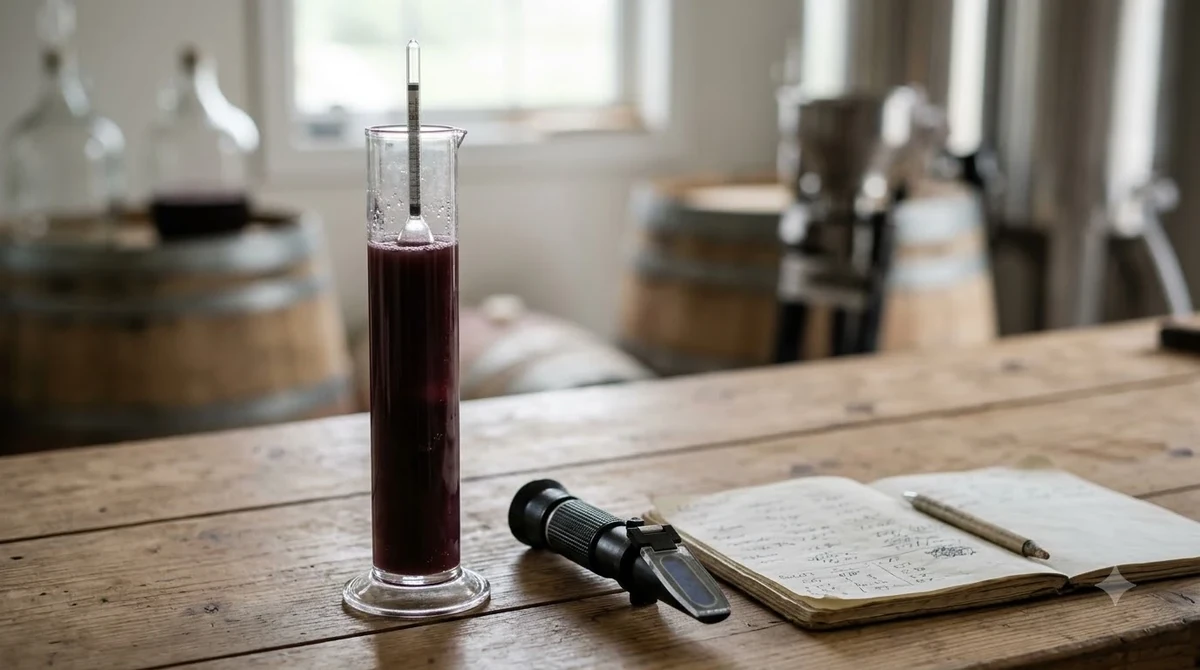
Modern producers still rely on the same basic logic, but they control the variables that once made palo cortado an accident. Today most of the first fermentation happens with commercial yeasts in stainless steel tanks rather than in old oak casks with wild yeasts.
The old system was unpredictable for several reasons. Before phylloxera, vineyards held a much wider mix of grape varieties, and those varieties ripened on different schedules. Sugar levels at harvest varied, which changed the alcohol after fermentation. Inside the winery, the amount of must in each cask and the strength of the spirit used for fortification also shifted from one barrel to the next. As César Saldaña, general manager of the Consejo Regulador, has explained, hitting the 15 percent fortification target was like trying to hit a moving target. Flor is sensitive, and it can collapse in a cask with too much alcohol or too little oxygen. Given all those variables, the style appeared fairly often in the past.
Modern palo cortados are selected deliberately. Tasters examine casks once the sobretabla stage is complete, and they mark the ones with clear palo cortado character by drawing the horizontal line. The selected casks are refortified, which resets their path toward oxidative aging, and they join a solera. Decanter’s sherry style guide notes that each butt in a solera differs slightly from its neighbor, depending on its position in the cellar. Producers have begun bottling individual butts to show those differences, so a single-cask palo cortado can taste noticeably different from a blended one.
Even so, modern production has limits. Flor can still fail, so a good palo cortado depends on a cask that behaved differently from its neighbors. That is one reason the style remains small in volume. Producers do not force palo cortado into existence. They select it when a cask shows the right character.
How Palo Cortado Differs From Amontillado and Oloroso
Palo cortado is closest to amontillado in aroma and to oloroso in texture. The main differences come down to how long the wine stays under flor and which part of the pressed juice goes into the barrel.
Amontillado spends a long time under flor, and that prolonged exposure almost completely strips the wine of glycerin. The result is a more angular, vertical wine that lacks the roundness of an oloroso. Palo cortado spends comparatively little time under flor, so it keeps its glycerin. That glycerin gives palo cortado a silky texture and a faintly sweet impression, and oxidative aging concentrates those qualities. The wine ends up with a fuller feel than an amontillado, though it still carries the lighter aromas of its flor origins.
Oloroso is the other comparison point. Oloroso is usually made from the heavier, slightly phenolic press juice, and it ages oxidatively from the start. Palo cortado uses the same delicate free-run juice that producers prefer for biologically aged wines. That difference shows most clearly on the palate, where palo cortado tends to feel more finessed and lighter than an oloroso, with more presence than a typical amontillado.
Grape choice does not separate these styles. Decanter notes that the three varieties prevailing in sherry today are mainly Palomino, with a little Moscatel and Pedro Ximénez used for sweet wines. If you want to see how a different Spanish white grape behaves in a glass, our airen grape guide offers a useful contrast.
Palo Cortado by the Numbers
The published figures give a clear profile of the style. The Consejo Regulador’s palo cortado page lists the analytical ranges below, and they explain why the wine feels dry, strong, and textured.
| Measure | Typical figure | What it means in the glass |
|---|---|---|
| Alcohol at the palo stage | About 15% ABV | Fortified before the flor stage |
| Alcohol after reclassification | Above 17% ABV | Restarts oxidative aging |
| Finished alcohol | 17 to 22% ABV | Full-bodied and strong |
| Sugar | Usually under 1 g/L (limit 4 g/L) | Dry on the palate |
| Total acidity | 4 to 6 g/L, as tartaric acid | Keeps the wine lively |
| Volatile acidity | Under 0.8 g/L, as acetic acid | Low vinegar-like character |
| Glycerin | 8 to 10 g/L | Silky, round texture |
| Serving temperature | 12 to 14°C (about 54 to 57°F) | Cool, not cold |
| Share of total sales | Less than 1% | Smallest of the dry sherry styles |
Those numbers explain the palate. Sugar sits so low that the wine tastes dry, and total acidity of 4 to 6 g/L keeps it lively enough to avoid feeling heavy. The glycerin level of 8 to 10 g/L supplies the silky, round texture, which is why the wine can feel rich without tasting sweet.
Alcohol is the other headline number. Because palo cortado finishes at 17 to 22 percent ABV, it is much stronger than a table wine. That strength helps the wine age and carry its flavors, but it also changes how you pair it. Trade figures put palo cortado at less than 1 percent of total sales, and about half of that volume stays in Spain.
How Palo Cortado Tastes
Expect a dry, deep wine with dried fruit, toasted nuts, and a long, rounded finish. The silky texture keeps the palate interested without making the wine feel sweet.
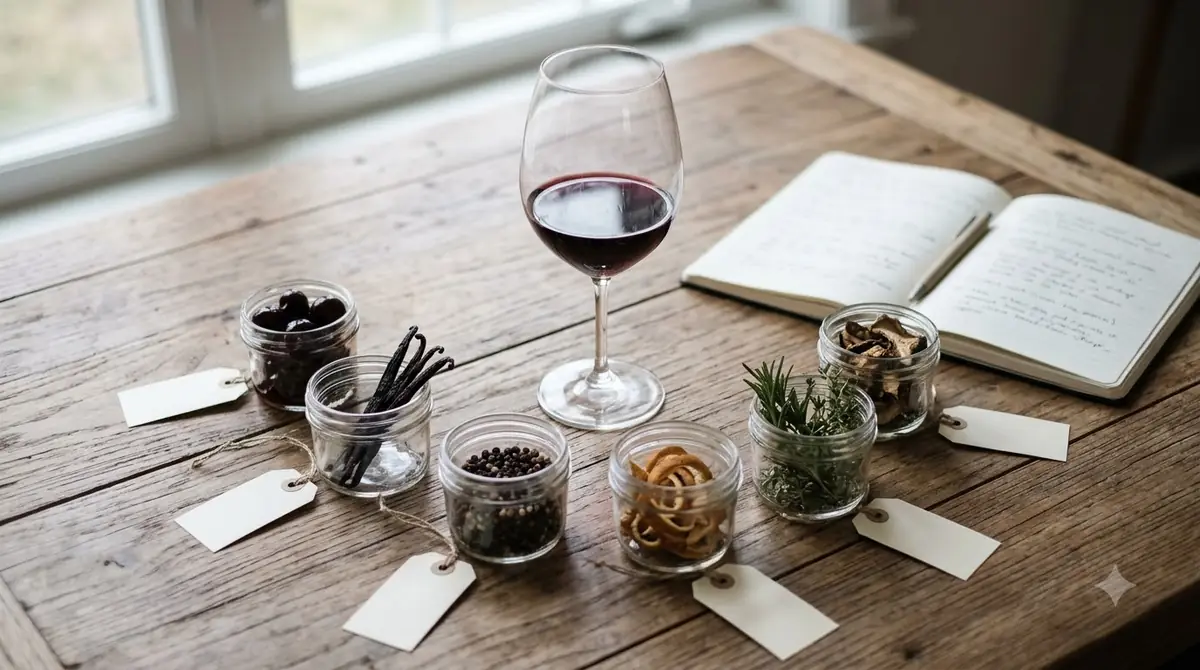
The producer’s tasting profile describes the color as anywhere from chestnut to mahogany. The nose combines the character of an amontillado and an oloroso, with citric notes suggesting bitter orange and a dairy-like note reminiscent of fermented butter. On the palate, the wine is deep and rounded, and delicate aromatic notes appear in the aftertaste. Those signals describe a style that is complex without being heavy.
Flavors vary a great deal from bottle to bottle. The trade portal lists dried apricots, caramelized roasted nuts, dried citrus peel, cedar, leather, tobacco, and even cheese rind as common flavors. Some palo cortados show a distinctly yeasty quality from long flor aging, and Emilio Hidalgo’s Marqués de Rodil is a clear example. Others, such as Lustau’s Península, have a richer, almost oloroso-like mouthfeel. Together, those two bottles show how wide the category really is.
When you taste, look for a bottle that stays dry on the finish and shows a balance of nutty and citrus notes. Taste slowly, and notice where each wine sits between the amontillado and oloroso reference points. The wine rewards attention more than speed.
Serving, Storing, and Pairing Palo Cortado
Serve palo cortado cool, in a white wine glass, and pair it with savory food. Keep very spicy dishes in check, since the high alcohol can make chili heat feel sharper.
The regulatory council recommends serving palo cortado between 12 and 14°C, or about 54 to 57°F, in a white wine glass. That range is cool enough to keep the wine from tasting heavy and warm enough for the aromas to show. The council also describes it as a wine to be appreciated slowly, which fits its contemplative character.
For food, the council suggests nuts, cured cheeses, concentrated consommés, stews, and gelatinous meats such as bull’s tail or cheeks. These pairings work because the wine’s savory depth and moderate acidity match foods with salt, fat, or slow-cooked richness. Avoid very sweet desserts, because a dry wine tastes thin next to sugar. The council’s pairing list also includes spicy food, but with alcohol at 17 to 22 percent, keep the chili moderate so the wine’s flavors stay clear.
Storage is more forgiving than with many wines. The council notes that palo cortado holds up well in an open bottle, which makes it a good choice for pouring a glass at a time. Recork it tightly, keep it cool between pours, and it will keep giving you much of the same character over several sessions. If you are sorting styles for a shelf or a list, the Wine by Type section is a practical reference point.
Tip: Pour a modest amount into a white wine glass and let it sit for several minutes before the first sip. As it warms from the cool serving range, the aromas open up, and the citrus and nutty notes become easier to separate.
Frequently Asked Questions
These questions cover the points people ask about most often, from sweetness to origin. Each answer adds a detail that did not appear earlier in this guide.
Is palo cortado a sweet sherry?
Most palo cortados are dry, but there are exceptions. González Byass’s Apóstoles VORS adds 13% Pedro Ximénez, which the Spanish trade portal describes as giving the wine a medium-dry character with notes of fig, raisin, and dates. That blend is an exception to the usual dry profile of the style.
Where is palo cortado aged?
Decanter’s sherry style guide notes that sherry ageing is limited to Jerez de la Frontera, El Puerto de Santa María, and Sanlúcar de Barrameda. Those three towns are the only places where the wines are aged. The protected sherry name is tied to that area.
Who regulates palo cortado?
The Consejo Regulador for Jerez-Xérès-Sherry and Manzanilla-Sanlúcar de Barrameda was established in 1933. According to Decanter, it is the oldest such regulatory body in Spain. Its rules cover the protected sherry styles, including palo cortado.
Why does the soil matter for sherry?
The albariza soil is chalky white and contains up to 40% calcium carbonate, which acts like a sponge for rain. Decanter reports average rainfall of about 620 liters per square meter in the region. Together, the soil and climate help give sherry its distinctive character.
Do many wineries make palo cortado?
Almost every winery in the region makes at least one palo cortado, according to the Spanish trade portal. Even so, the category has no big-volume commercial brands. Quality is high across the board, so buyers can choose among many small producers rather than a few mass-market labels.
Palo cortado rewards a slow, curious taste. Once you understand the flor-and-oxygen story behind it, the wine makes more sense, and its middle-ground profile becomes a feature rather than a puzzle. Start with a single glass and see where it falls between amontillado and oloroso for you.
More in Wine Types & Grapes
 What Does Mourvèdre Taste Like? Flavor Profile, Regions, and PairingsUpdated Nov 20, 2026
 What Does Marsanne Taste Like? Flavors, Styles, and Food PairingsUpdated Nov 20, 2026
 What Does Malvasia Taste Like? Styles, Flavors, and Food PairingsUpdated Nov 20, 2026
 What Does Grenache Blanc Taste Like? Flavor Profile, Styles, and PairingsUpdated Nov 20, 2026
 What Does Garnacha Taste Like? Key Flavors, Styles, and Pairing TipsUpdated Nov 20, 2026
 What Does Fruit Wine Taste Like? A Complete Flavor and Style BreakdownUpdated Nov 20, 2026