

We may earn a commission when you buy through links on this page, at no extra cost to you. Learn more.
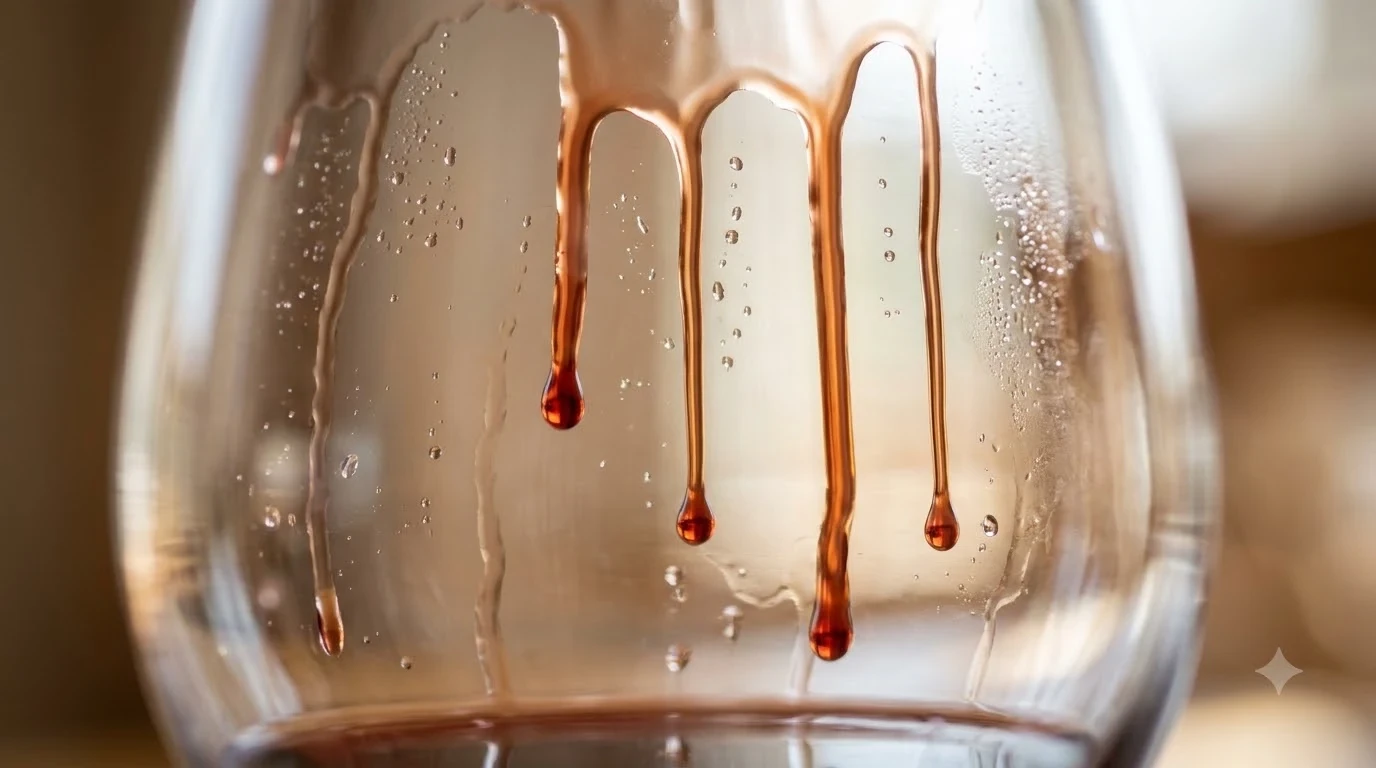
Does red wine go bad in the fridge? Not usually, because cold alone is not the main concern. A fridge keeps red wine colder than most reds are meant to be served, and the real risks come from temperature swings, from repeated trips in and out, and from air reaching the wine once the bottle is opened.
Many people put a half-finished bottle of red in the fridge and then wonder whether it is still safe to drink a few days later. The short answer is that a fridge is a reasonable place to slow down a red wine’s decline, but it does not stop oxidation, and it can change how the wine tastes when you pour it. This guide explains what the fridge does to red wine, what changes to expect, and how to store it so the wine tastes its best.
What a refrigerator does to red wine
A refrigerator is much colder than the range most people use for storing wine. The general guidance from storage references is that wine keeps best at a steady, cool temperature rather than a very cold one. Wikipedia’s entry on wine cellars notes that wine can be stored between 7 and 18 °C (45 to 64 °F) as long as any changes are gradual, and it calls about 13 °C (55 °F) ideal for short-term storage and long-term aging.
A standard fridge sits well below that band. Cold slows the chemical reactions that change a wine over time, so a red kept cold will age more slowly than one kept at a cellar temperature. That slowdown is useful for an opened bottle you want to keep for a few more days. It also means the wine will taste flatter and more closed when it is cold, which is why many people are surprised by the first glass.
Why red wine can still spoil in the fridge
Cold does not protect wine from air. Once a bottle is opened, oxygen gradually changes the flavor, dulling fruit and making the wine taste flat or a little like cardboard. Reds usually hold up better than whites in this respect because of their tannins, but they still lose freshness. The fridge slows this process rather than stopping it.
Temperature changes are the other risk. The same Wikipedia entry lists heat, light, vibration, and fluctuations in temperature and humidity as conditions that can spoil wine. A bottle that moves between a cold fridge and a warm kitchen counter several times a day experiences exactly the kind of swings that cause trouble. Keeping the bottle in one place, away from the door, gives it a more stable environment.
Serving temperature: why a chilled red can taste odd
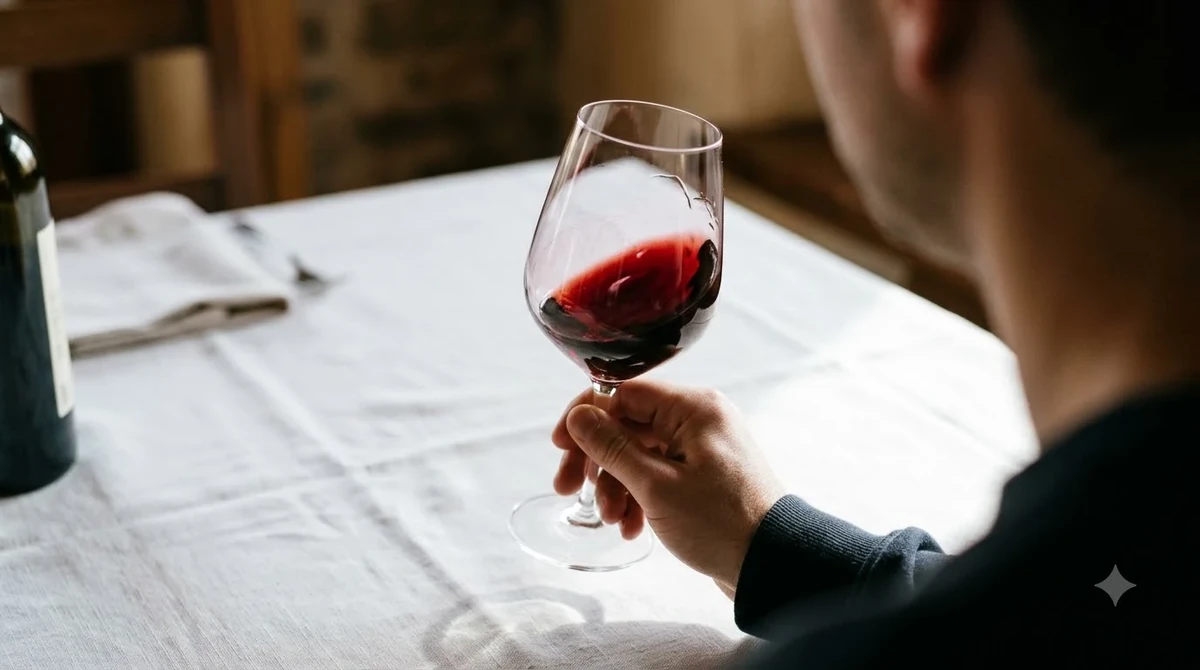
Many reds are meant to be served a little below room temperature, but not as cold as a fridge makes them. Wine Folly’s Pinot Noir guide advises that the grape is best savored slightly cooler than room temperature, ideally between 55 and 60 °F (12 to 15 °C), a range it says highlights the wine’s aromas while keeping the alcohol from dominating.
Its Cabernet Sauvignon guide lists a serving range of 60 to 68 °F (15 to 20 °C) in its handling notes, which is warmer than a fridge. Taking a red straight from the fridge and pouring it right away will usually taste tight and muted. Letting it sit for 15 to 30 minutes on the counter often brings the aromas back, and that is a good sign the wine is still in good shape rather than spoiled.
| Situation | Likely effect on red wine | What to do |
|---|---|---|
| Opened, kept in a fridge | Slows oxidation, wine tastes closed when cold | Let it warm briefly before pouring |
| Opened, left on the counter | Faster oxidation and flavor loss | Recork and refrigerate |
| Repeated fridge and room swings | Stress from temperature changes | Keep the bottle in one spot |
| Unopened, in a fridge | Generally stable for storage | Store on its side or upright in a cool place |
Tip: Pull the bottle out 15 to 30 minutes before pouring. Taste a small amount first, because the flavor often opens up as the wine warms.
Signs a red wine has really turned
A red that has been chilled and opened for a few days may taste duller, but that does not automatically mean it is bad. Look for stronger signals. A vinegary smell or a sharp, sour taste suggests the wine has turned, while a musty smell can point to a faulty cork in an unopened bottle. Browning at the edges of the color is more common in aged wines and does not always mean the wine is unsafe.
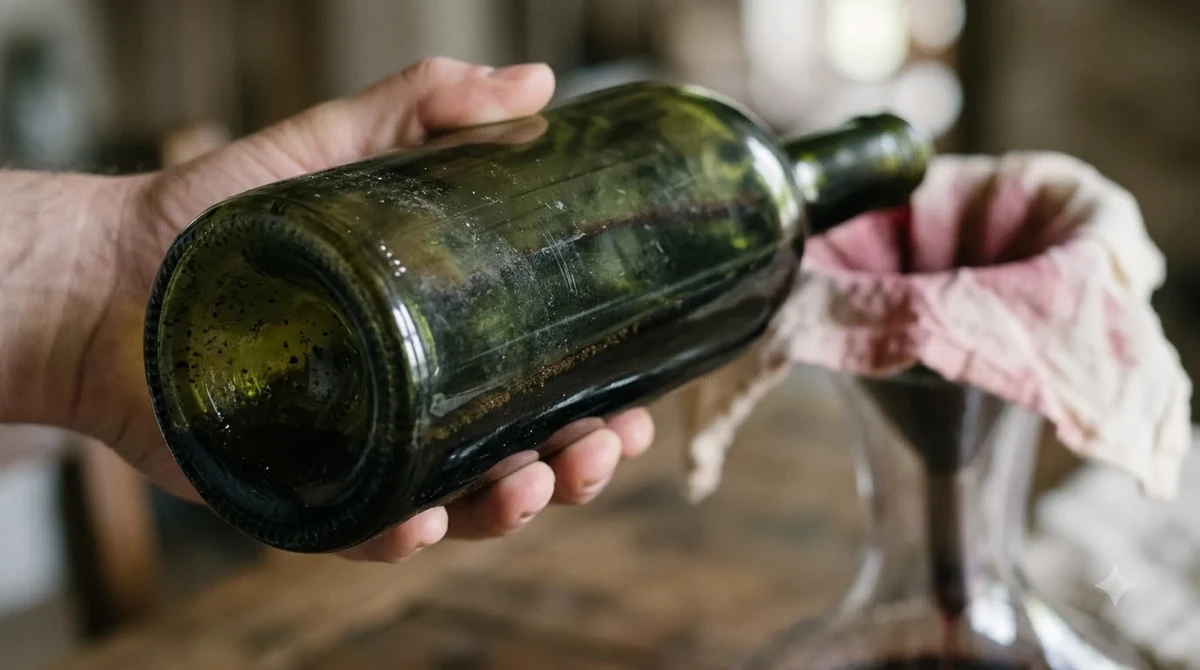
If you are unsure, pour a small glass and taste it before using the wine in cooking. Wine that tastes flat but not sour is usually still fine for a braise or a sauce, where the heat and other ingredients hide the loss of freshness.
How to store opened red wine
The simplest approach is to recork the bottle tightly or use a vacuum stopper, then keep it upright in the fridge. Upright storage reduces the surface area of wine touching the cork, which helps limit the amount of air exposure over time. Many people also use a smaller bottle for the leftover wine, which cuts down the air in the container.
For unopened bottles, a cool, dark, steady spot is better than a fridge. A closet on an interior wall or a dedicated wine fridge set to a stable temperature works well. The Wine Storage & Serving Temps guide covers how temperature and light affect different types of wine in more detail.
How long an opened red usually keeps
How long an opened red keeps depends on the style, how full the bottle was when you stopped pouring, and how it was stored. Bold, tannic reds tend to hold their structure better than light, fruit-forward reds, because tannin and body cushion the loss of fresh fruit. A bottle that was nearly empty when you recorked it has more air in it and will change faster than one with only a glass removed.
Think of the fridge as a way to buy time rather than a guarantee. The same idea applies to whites, and the how long white wine lasts after opening guide shows how the timing differs by style. Most people notice the wine tasting less lively within a few days, even when it is stored well. The most useful habit is to taste the wine each day you keep it and decide by flavor, not by the date you opened the bottle.
If you often finish bottles slowly, a smaller container or a vacuum stopper can make a real difference. Both reduce the amount of air that reaches the wine, which slows oxidation more than cold alone.
Frequently Asked Questions
Can red wine go bad in the fridge?
It can lose freshness over time, mainly because oxygen reaches the wine after opening. The fridge slows that process, so the wine usually lasts longer than it would on the counter, but it is not a permanent fix.
Should I chill red wine before serving?
Usually not for long. Most reds taste best a little below room temperature, so a short time in the fridge followed by a brief rest on the counter works better than serving straight from cold.
How can I tell if an opened red has turned?
Look for a vinegar smell, a sharp sour taste, or a flat, lifeless flavor that does not improve after it warms. A dull but clean wine is often still fine for cooking.
Does a wine fridge store red wine better than a regular fridge?
A wine fridge holds a steadier temperature than a kitchen fridge, which helps with long-term storage. For a bottle you plan to open in a few days, either option works, as long as the wine is sealed and kept upright.
A refrigerator can give an opened red a few extra days, but it will not keep the wine fresh forever. Recork it, keep it upright, warm it briefly before you pour, and taste before you decide it has gone bad.
More in Storage & Fridge Care
 How Long Can You Store Wine in a Wine Fridge? Protect Bottle QualityUpdated Nov 20, 2026
 Can You Store Beer in a Wine Fridge? Keep Both Drinks FreshUpdated Nov 20, 2026
 Is It Worth Repairing a Wine Fridge? Spot the Cheap Fixes Before You ReplaceUpdated Nov 20, 2026
 Wine Fridge Condensation: Identify Causes and Fix Moisture ProblemsUpdated Nov 20, 2026
 Wine Fridge Too Cold: Protect Your Wine and Fix the TemperatureUpdated Nov 20, 2026
 How to Reset Wine Fridge: Restore Cooling and SettingsUpdated Nov 20, 2026