

We may earn a commission when you buy through links on this page, at no extra cost to you. Learn more.
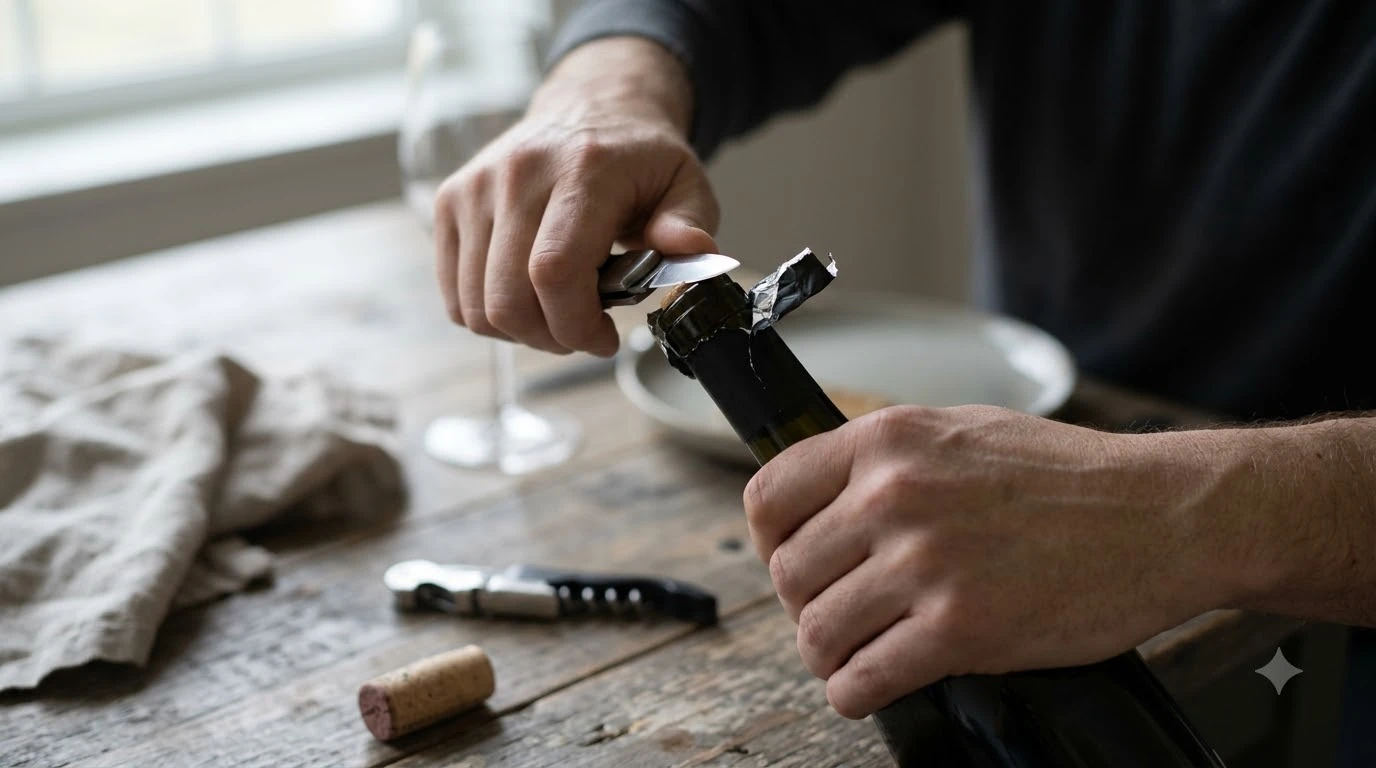
What is pedro ximenez sherry? It is an intensely sweet, fortified Spanish wine made from sun-dried Pedro Ximénez grapes, with concentrated flavors of raisins, figs, dates, honey, and dark chocolate. Commonly called PX, this naturally sweet Sherry develops its distinctive richness through grape drying, fermentation control, and oxidative ageing. It is usually enjoyed in small, chilled pours as a dessert wine, either on its own or alongside chocolate, ice cream, and strong blue cheese.
Pedro Ximénez is one of the most distinctive styles of Sherry from Andalusia in southern Spain. Its dark color, thick texture, and concentrated sweetness make it quite different from the crisp, dry Sherries many wine drinkers associate with the category. Understanding how PX is produced, what flavors to expect, and how to serve it makes it easier to appreciate this traditional Spanish specialty.
Pedro Ximénez Sherry Is a Naturally Sweet Fortified Wine
Pedro Ximénez is a naturally sweet Sherry made primarily from the white Pedro Ximénez grape. It belongs to the naturally sweet wine category rather than the blended sweet Sherry category, and its sweetness comes largely from concentrated grape sugars rather than simply adding sweetness to an otherwise dry wine. The result is a dense, powerful wine that can function as both a drink and a dessert.
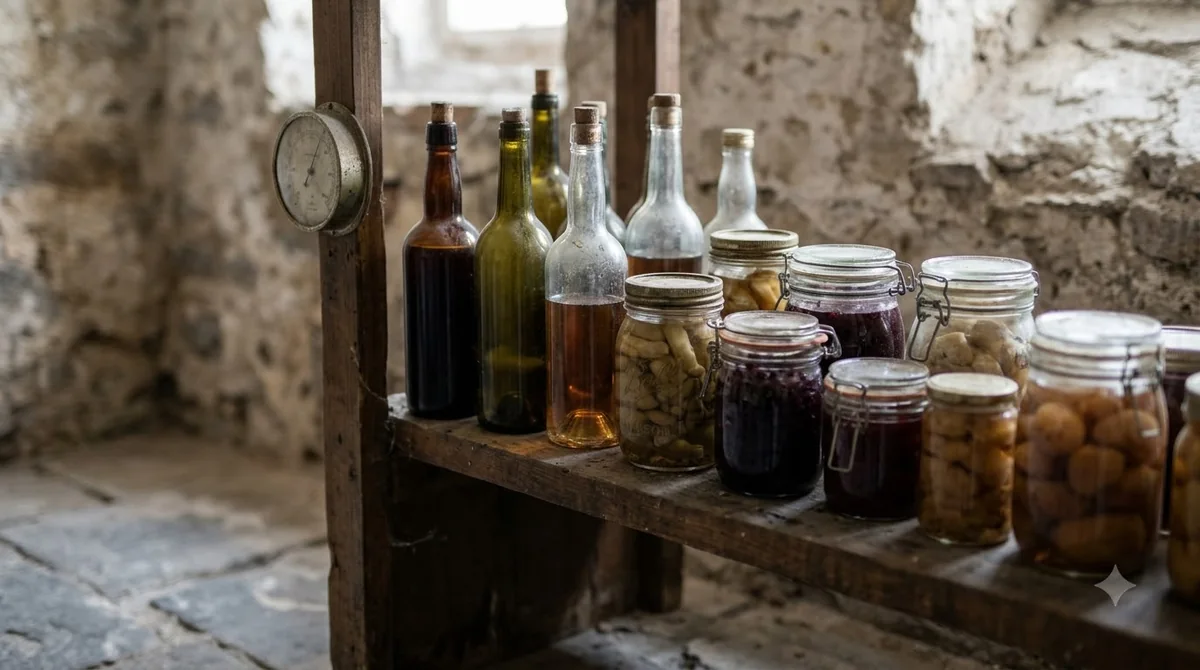
The wine comes from the Sherry-producing region of Andalusia, centered on Jerez de la Frontera and neighboring areas in southwestern Spain. Sherry is a protected wine designation with established production rules. Within this category, PX stands alongside other recognizable styles such as Fino, Amontillado, Oloroso, and Moscatel, but its production method and sweetness give it a particularly recognizable identity.
Fortification is another defining characteristic. During production, wine alcohol is added to stop fermentation before all the grape sugar has been converted into alcohol. This preserves a substantial amount of natural sweetness while increasing the finished wine’s alcoholic strength. According to the Jerez regulatory body’s published specifications, Pedro Ximénez generally falls between 15% and 22% alcohol by volume and contains more than 212 grams of sugar per liter.
That sugar concentration explains why PX tastes dramatically sweeter than most table wines. Its sweetness is accompanied by concentrated fruit flavors, a smooth mouthfeel, and enough acidity to prevent the wine from tasting like plain syrup. Although individual bottles differ in intensity and ageing character, the recognizable combination of raisin-like fruit, dark color, and velvety texture remains central to the style.
PX is commonly served in a small glass after dinner. It can be enjoyed without food, but it also works particularly well with desserts that are not excessively sweet. For readers exploring other wine categories, the broader Wine by Type resource provides useful context for understanding where fortified and naturally sweet wines fit among the different styles of wine.
The Pedro Ximénez Grape and Its Sun-Drying Process
The grape is the foundation of PX’s concentrated character. Producers harvest very ripe Pedro Ximénez grapes and dry them in the sun, turning fresh fruit into raisin-like grapes with much higher sugar concentrations and a distinctive aromatic profile.
The traditional drying method is called asoleo or soleo. After harvesting, bunches are spread across specially prepared outdoor drying areas known as paseras. Exposure to the Andalusian sun causes water to evaporate from the grapes. As the fruit loses moisture, its remaining sugars and other flavor compounds become more concentrated.
This process is important because PX sweetness begins before fermentation. Rather than relying on an ordinary ripe grape harvest, producers use grapes that have undergone substantial natural dehydration. The Sherry regulatory body’s vinification information describes must sugar concentrations reaching approximately 450–500 grams per liter after sun-drying. These highly concentrated sugars provide the raw material for the wine’s remarkable sweetness.
Sun-drying also changes more than sugar levels. The grapes develop darker color, increased density, and raisined aromas. Their skins and pulp become more concentrated, helping create the rich, full-bodied character associated with finished PX. Raisins, dried figs, dates, and honey are natural flavor references because the grape itself has undergone a process similar to making dried fruit.
For a closer look at the variety behind the wine, the Pedro Ximénez grape has its own characteristics and growing requirements that help explain why it is suitable for this particular production method. The grape is especially important because the style depends on its ability to produce highly concentrated must while retaining enough aromatic character to make a balanced wine.
The distinction between fresh grapes and sun-dried grapes is significant. A conventional white wine made from Pedro Ximénez grapes would not automatically taste like PX Sherry. The sun-drying stage, followed by controlled fermentation and fortification, is what creates the recognizable style. This is why grape variety and production method must be considered together when identifying the wine.
How Producers Make and Age Pedro Ximénez
PX production combines concentrated grape must, interrupted fermentation, fortification, and oxidative ageing. Each stage contributes to the wine’s high sweetness, alcoholic strength, dark appearance, and layered dried-fruit flavors.
Once the grapes have dried, producers press them to extract the concentrated juice, known as must. Because the grapes contain so much sugar and have lost substantial water, the resulting must is considerably denser than ordinary grape juice. Pressing must be managed carefully because the grapes are sticky and concentrated, making extraction more demanding than with fresh fruit.
Fermentation begins as yeast converts grape sugars into alcohol. However, the process does not continue until the wine becomes completely dry. Producers add wine alcohol to stop fermentation, leaving a large proportion of the original grape sugar in the wine. This is the essential reason PX can have both significant alcohol and extraordinary sweetness.
The finished wine then undergoes oxidative ageing. Unlike Fino and Manzanilla, which develop under a protective layer of yeast called flor, PX matures with exposure to oxygen. This gradual interaction contributes to its deep color and increasingly complex aromas.
Oxidative ageing can develop notes of coffee, cocoa, dark chocolate, toasted flavors, and licorice. The original raisin, fig, and date character remains important, but it becomes integrated with more mature aromas as the wine develops. The result is a style that can taste more complex than its straightforward sweetness might suggest.
Understanding the solera system
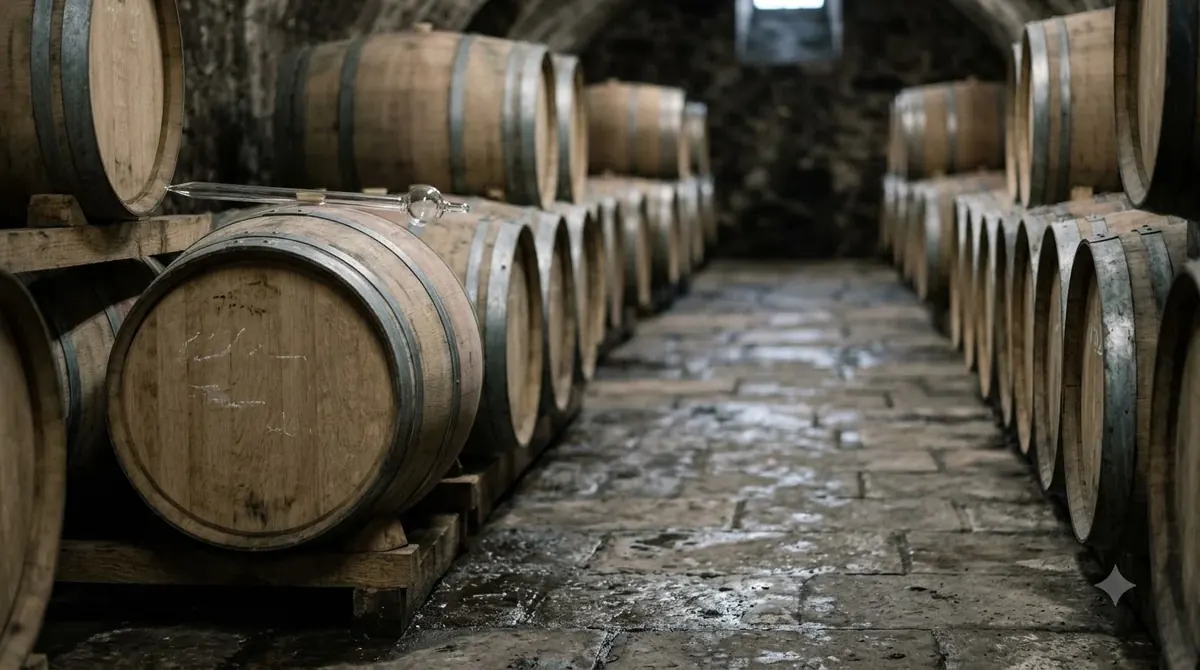
Sherry production is associated with the solera and criadera system, which allows wines from different stages of ageing to be blended and maintained over time. A traditional solera consists of groups of barrels arranged according to the average maturity of the wines they contain. Wine is drawn from the oldest level for bottling, with younger wine replenishing the barrels from the levels above.
This system helps maintain continuity in a producer’s house style while incorporating wines of different ages. It is important, however, not to assume that every PX bottle has the same ageing history or that every producer uses an identical approach. The amount of oxidative development, blending decisions, and time spent maturing can influence the finished wine considerably.
Some PX wines emphasize fresh raisin and fig flavors, while others have more pronounced coffee, molasses-like, toasted, and dark chocolate characteristics. Both can be excellent examples of the style. Their differences reflect production choices and maturation rather than a simple difference between sweet and dry wine.
What Pedro Ximénez Sherry Tastes Like
Pedro Ximénez has an intensely sweet, concentrated flavor profile built around dried fruit, dark confectionery, and oxidative complexity. Its appearance is generally deep mahogany to almost black, while its texture is smooth, rich, and often syrupy.
The first impression is usually sweetness and concentrated fruit. Raisins are the most recognizable flavor reference, followed by figs, dates, and dark fruit preserves. Honey, grape syrup, and candied fruit can also appear, giving the wine a dessert-like aromatic profile before it even reaches the palate.
As the wine develops in the glass, additional aromas may emerge. Coffee, cocoa, dark chocolate, and licorice are common mature characteristics. Some bottles also suggest caramelized fruit, roasted nuts, or molasses-like richness. These flavors are particularly noticeable in wines with extended oxidative ageing.
The texture is another defining feature. PX often feels thick and velvety, with a persistent coating sensation across the palate. Its high sugar content gives it weight, but its natural acidity helps balance that richness. The official Sherry regulatory description gives a typical total acidity range of 3–5 grams per liter, expressed as tartaric acid.
Alcohol also contributes warmth. With an official range of 15–22% ABV, PX is stronger than most conventional still wines. The warmth can be noticeable, especially when the wine is served too warm or poured in a large quantity. Chilling it moderately helps make the sweetness, fruit concentration, and alcoholic strength feel more balanced.
Its finish is usually long and persistent. Dried fruit and dark chocolate flavors may remain after swallowing, while older examples can show lingering coffee and licorice notes. This concentration is one reason a small serving can provide a satisfying dessert experience without requiring a full-sized glass.
Pedro Ximénez Compared With Other Sherry Styles
PX differs from other Sherry wines mainly in sweetness, grape treatment, fermentation, and ageing. Fino and Amontillado are generally dry, while Cream Sherry is a sweetened blended style rather than the same type of naturally sweet wine as PX.
Sherry is not a single flavor profile. Its styles range from pale, crisp, and dry to dark, rich, and sweet. Understanding these differences helps wine drinkers select a bottle that suits their preferences and avoid confusing PX with other sweet fortified wines.
| Sherry style | Typical character | Sweetness | Common use |
|---|---|---|---|
| Fino | Pale, fresh, yeasty, and savory | Dry | Tapas and seafood |
| Manzanilla | Light, crisp, and saline | Dry | Olives and shellfish |
| Amontillado | Nutty, amber, and complex | Dry | Roasted nuts and savory dishes |
| Oloroso | Rich, oxidative, and toasted | Dry | Meat and aged cheese |
| Cream | Rich, smooth, and sweet | Sweet | Desserts and cheese |
| Pedro Ximénez | Dark, raisined, dense, and velvety | Very sweet | Chocolate and ice cream |
Fino and Manzanilla are especially different from PX. Both are dry Sherry styles associated with biological ageing under flor. Their flavors tend toward savory, saline, yeasty, and fresh characteristics rather than the dried-fruit sweetness of PX. They are often served before or during a meal instead of as a dessert wine.
Amontillado and Oloroso are also quite different. Amontillado develops a combination of biological and oxidative characteristics, producing nutty, savory, and sometimes toasted aromas. Oloroso undergoes oxidative ageing and develops a fuller body, darker color, and richer nutty character. Neither should be confused with the naturally sweet, grape-concentrated character of PX.
Cream Sherry is perhaps the most common point of confusion. It is generally a sweet blended Sherry style, often made using an Oloroso-based wine with a sweet component. Pedro Ximénez, by contrast, is a naturally sweet wine made from sun-dried Pedro Ximénez grapes. The distinction is important for anyone specifically seeking the concentrated raisin and fig character associated with PX.
For a broader introduction to the grape and wine category, what is Pedro Ximénez provides another useful starting point. The grape name and the finished wine name are closely connected, but the production process is what turns the variety into the distinctive fortified Sherry style.
How to Serve Pedro Ximénez Sherry
Pedro Ximénez is best served slightly chilled, usually between 54°F and 57°F according to the Jerez regulatory body’s recommended range of 12–14°C. A moderate chill keeps the wine refreshing while allowing its concentrated aromas and velvety texture to remain noticeable.
Serving temperature has a particularly noticeable effect on a wine as rich as PX. If served too warm, its sweetness and alcohol can dominate the experience. If served excessively cold, some of its more subtle aromas may become harder to appreciate. A few minutes outside the refrigerator can help bring an overly cold serving into a more expressive range.
Different producers and bottles may benefit from slightly different serving temperatures. Younger, particularly concentrated examples can be enjoyable toward the cooler end of the recommended range, while older wines may show more aromatic detail with a little additional warmth. The practical goal is to maintain freshness without suppressing the wine’s complex aromas.
Glassware and pouring size
A traditional Sherry glass called a catavinos is a suitable choice. A standard white wine glass also works well because its bowl provides space for the aromas to develop. A large glass is not essential, since PX is generally served in smaller portions than ordinary table wine.
A 2–3-ounce pour is a sensible starting point for dessert service. This allows drinkers to appreciate the concentrated sweetness and alcohol without making the serving feel excessive. A 750-milliliter bottle contains approximately 25 fluid ounces, so it can provide several small dessert servings.
PX can also be poured over vanilla ice cream, used as a finishing ingredient for desserts, or served in a small glass alongside a cheese course. In these situations, the wine’s concentrated character means a little can have a substantial effect on the overall experience.
Tip: Refrigerate the bottle before serving and begin around 55°F. Pour a small amount into a white wine glass, allow it to sit briefly, and notice how the raisin, fig, coffee, and chocolate aromas develop as the wine warms slightly.
Storing an opened bottle
Once opened, PX should be resealed and stored upright in the refrigerator. Its sweetness and oxidative character generally give it better resistance to deterioration than delicate dry Sherry styles, although it should not be treated as an indefinitely stable wine.
Decanter’s Sherry storage guidance gives approximately one to two months as a practical refrigerated storage period for an opened PX bottle. The exact window depends on the wine, the amount remaining, and how much air enters the bottle during storage. Keeping the closure secure and limiting unnecessary exposure to air helps preserve its flavor. For additional serving and storage context, Decanter’s Sherry and tapas pairing guide also discusses PX’s recommended serving temperature and classic food combinations.
Food Pairings That Work With Pedro Ximénez
Pedro Ximénez pairs especially well with desserts that balance or contrast its intense sweetness, including dark chocolate, vanilla ice cream, and fruit-based puddings. It also works with salty, intense blue cheeses because salt and strong savory flavors provide contrast to the wine’s rich fruit character.
Dark chocolate is one of the most reliable combinations. The slight bitterness of chocolate with a high cocoa content offsets the sweetness of PX, while the wine’s raisin, fig, and coffee flavors complement the roasted character of the chocolate. Chocolate truffles, flourless chocolate cake, and dark chocolate mousse are all suitable options.
Vanilla ice cream is another classic pairing. The wine can be poured in a small quantity over a scoop of ice cream, allowing its dense texture to become a sauce-like component of the dessert. The vanilla softens the intensity of the wine, while the concentrated dried-fruit flavors add complexity.
Fruitcake, Christmas pudding, and desserts containing dried figs or raisins also make sense with PX. These foods echo the wine’s natural fruit profile, creating a complementary pairing rather than relying entirely on contrast. Cheesecake can work particularly well when it has a less sugary filling or a slightly tangy character.
Blue cheese and savory combinations
Blue cheese is one of the most interesting savory pairings. Cabrales, Roquefort, and Stilton have intense flavors and salty characteristics that contrast with PX’s concentrated sweetness. The result is a balance between sweet, salty, creamy, and savory elements.
Serve the cheese in modest portions with crackers or plain bread. Avoid overly sweet accompaniments, such as heavily sweetened chutneys, which can make the pairing feel unbalanced. Dried figs and walnuts can provide complementary flavors without overwhelming the wine.
PX can also accompany selected savory dishes. Strongly flavored pâtés, rich meat preparations, and certain game dishes can work when their intensity is sufficient to stand up to the wine. However, it is generally easier to appreciate PX with dessert or cheese than to incorporate it into an entire savory meal.
Temperature matters for food pairings too. A moderately chilled serving helps prevent the wine from feeling excessively heavy alongside rich foods. A small pour is often enough, especially when the wine is served with a strong cheese or a concentrated chocolate dessert.
Frequently Asked Questions
Is Pedro Ximénez Sherry made with white or red grapes?
Pedro Ximénez is made from a white grape variety, despite the finished wine’s very dark appearance. Its mahogany-to-black color develops through grape concentration and oxidative ageing rather than the use of red grape skins. This is one reason PX can surprise people who associate dark wine colors with red grape varieties.
Does Pedro Ximénez Sherry contain added sugar?
The characteristic sweetness of naturally sweet PX comes primarily from the concentrated sugars in sun-dried grapes. Producers stop fermentation by adding wine alcohol, leaving much of that natural sugar behind. This differs from simply sweetening an ordinary dry wine after fermentation.
Can Pedro Ximénez Sherry be used in cooking?
Yes. PX can be used in dessert sauces, reductions, and preparations involving dried fruit or chocolate. Its concentrated sweetness means recipes generally need less added sugar, and a small quantity can provide considerable flavor. It is particularly useful in sauces for vanilla desserts and baked fruit.
Is Pedro Ximénez Sherry suitable for cocktails?
Yes, although it is usually used in small quantities because its sugar concentration can dominate a drink. Bartenders can use it to add raisin, fig, and caramel-like notes to stirred cocktails or spirit-forward recipes. It can also provide a sweet counterpoint to bitter ingredients and strong spirits.
What does PX mean on a Sherry bottle?
PX is the widely used abbreviation for Pedro Ximénez. It identifies the grape variety and the associated naturally sweet Sherry style. The abbreviation is common on wine labels, restaurant lists, and descriptions of Spanish dessert wines.
Pedro Ximénez Sherry combines concentrated grape sweetness, oxidative complexity, and a distinctive velvety texture to create one of Spain’s most recognizable dessert wines. Its dried-fruit flavors make it especially rewarding with dark chocolate, vanilla ice cream, and blue cheese. Serve it slightly chilled in a small glass to appreciate the balance between its richness, acidity, and warmth.
More in Wine Types & Grapes
 What Does Mourvèdre Taste Like? Flavor Profile, Regions, and PairingsUpdated Nov 20, 2026
 What Does Marsanne Taste Like? Flavors, Styles, and Food PairingsUpdated Nov 20, 2026
 What Does Malvasia Taste Like? Styles, Flavors, and Food PairingsUpdated Nov 20, 2026
 What Does Grenache Blanc Taste Like? Flavor Profile, Styles, and PairingsUpdated Nov 20, 2026
 What Does Garnacha Taste Like? Key Flavors, Styles, and Pairing TipsUpdated Nov 20, 2026
 What Does Fruit Wine Taste Like? A Complete Flavor and Style BreakdownUpdated Nov 20, 2026