


We may earn a commission when you buy through links on this page, at no extra cost to you. Learn more.
What does white port taste like? White Port tastes like a combination of ripe white fruit, citrus, honey, and nuts, with sweetness ranging from crisp and lightly sweet to rich and intensely dessert-like. Young examples tend to show fresh fruit, floral aromas, and a golden color, while wood-aged versions develop deeper flavors of toasted almonds, dried fruit, caramel, and spice. Its fortified character gives it more body and alcohol than ordinary white wine, making it equally suitable for sipping chilled, serving as an aperitif, or pairing with dessert.
White Port is one of Portugal’s most versatile fortified wines, but its flavor can surprise people who expect every Port to taste like a sweet, dark red wine. Made from white grape varieties in the Douro Valley, it offers a different combination of fruit, sweetness, texture, and maturation character. Understanding its sweetness levels and aging styles makes it much easier to choose a bottle that suits your palate.
The Main Flavors Found in White Port
White Port generally tastes fruity, honeyed, and gently nutty, with its exact character depending on sweetness and maturation. Fresh examples emphasize citrus and white fruit, while older bottles offer more pronounced dried-fruit, toasted-nut, and oak flavors.
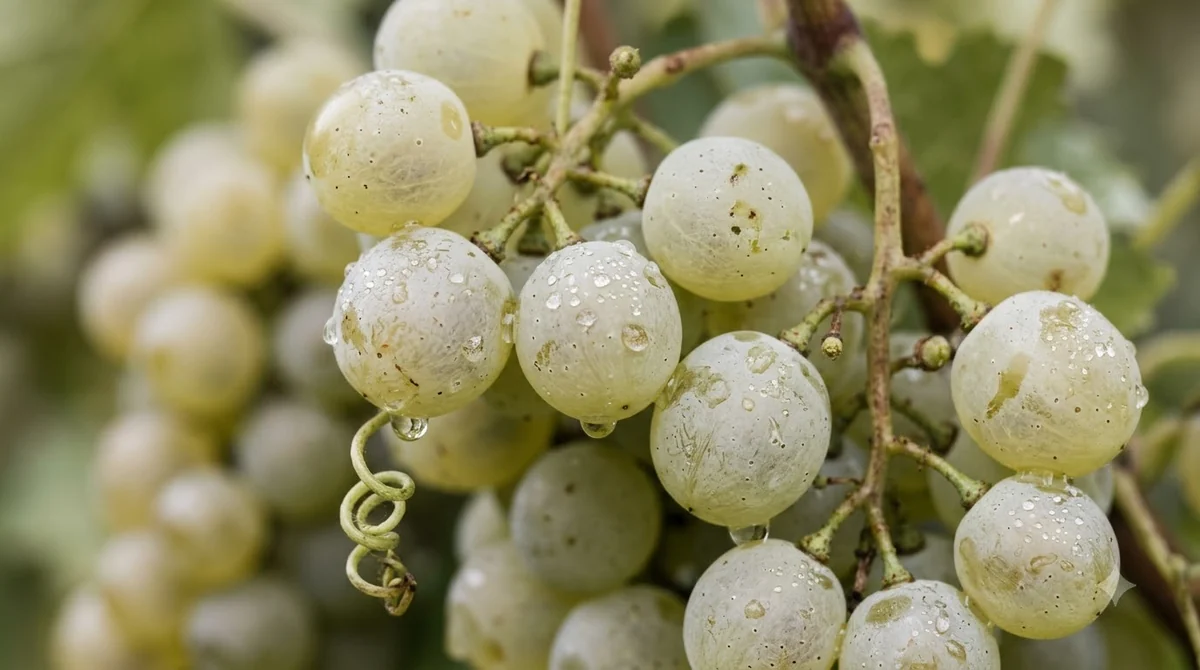
In a young White Port, expect flavors that can resemble ripe pear, green apple, peach, lemon peel, and orange blossom. Some bottles also have delicate almond or herbal notes. These aromas give the wine a fresh, fragrant character that can be particularly appealing when served cold. The fruit is usually more concentrated than in an ordinary still white wine because fortification contributes additional weight and richness.
Honey is another recognizable flavor, especially in sweeter or more mature examples. It can appear as a gentle floral sweetness or develop into a deeper impression of honeycomb and caramel. Nut flavors range from fresh almond and hazelnut to toasted walnut, depending on the production and aging method. The combination of fruit and nuts gives White Port its distinctive character.
Texture is just as important as aroma. White Port often feels rounder and fuller than a conventional white wine, with a noticeable warmth from its elevated alcohol content. Sweet versions can feel smooth and almost syrupy, while drier examples have a lighter impression and work particularly well as aperitifs.
The finish can also vary considerably. A young, relatively dry White Port may finish with citrus peel, almond, and a refreshing sensation. A sweeter, wood-aged example can leave lingering impressions of honey, dried apricot, toasted nuts, and spice. These differences explain why White Port is better understood as a family of styles rather than one fixed flavor profile.
How Sweet White Port Tastes at Different Levels
White Port ranges from extra dry to very sweet, so the sweetness of a bottle depends on its production style rather than simply its color. Dry versions still retain some residual sugar, while Lágrima offers the richest and sweetest expression.
The sweetness categories recognized by the Instituto dos Vinhos do Douro e do Porto include extra dry, dry, semi-sweet, sweet, very sweet, and Lágrima. The winemaker controls the amount of remaining grape sugar by managing fermentation and fortification. In general, allowing fermentation to continue longer before it is stopped reduces the residual sugar in the finished wine.
Here is how the different styles generally feel in the glass:
| Style | Sweetness impression | Typical flavor character | Best use |
|---|---|---|---|
| Extra dry | Very restrained | Citrus, green apple, almond | Aperitif or tonic cocktail |
| Dry | Lightly sweet | Pear, lemon peel, floral notes | Olives and seafood appetizers |
| Semi-sweet | Noticeably sweet | Peach, apricot, honey | Cheese and savory snacks |
| Sweet | Rich and rounded | Honey, ripe fruit, almonds | Fruit desserts and pastries |
| Very sweet | Intensely sweet | Dried fruit, caramel, honey | Sweet desserts and slow sipping |
| Lágrima | Especially luscious | Concentrated honey and dried fruit | Dessert wine service |
These descriptions are general tasting expectations rather than rigid formulas. A dry White Port can still seem fruity and round, and a sweet version can have enough aromatic freshness to avoid tasting like simple syrup. The balance between sugar, fruit, acidity, alcohol, and maturation matters as much as the sweetness category.
Lágrima deserves particular attention because it represents the sweetest traditional White Port style. The Portuguese word means tears, referring to the prominent legs that a viscous wine can leave on the inside of a glass after swirling. Its concentrated sweetness and smooth texture make it a natural choice for people who enjoy rich dessert wines.
Tip: If you are new to White Port, start with a dry or semi-sweet bottle. These styles provide a useful introduction to its fruit, floral, and nut characteristics without the intense sweetness of Lágrima.
How Production and Fortification Shape the Flavor
White Port gets its distinctive combination of sweetness, body, and aromatic intensity from white grapes, controlled fermentation, and fortification. Producers can also influence its character through skin contact, fermentation conditions, and the vessels used for maturation.
The grapes come from Portugal’s Douro Valley, where producers use varieties including Malvasia Fina, Arinto, Viosinho, Rabigato, and Esgana Cão. These grapes contribute different elements to the final blend. Some offer aromatic intensity, while others help provide freshness, structure, or fruit character.
According to the Instituto dos Vinhos do Douro e do Porto, white grapes are generally harvested earlier than red Port grapes because producers seek aromatic concentration and acidity. This approach helps preserve the fresh fruit character associated with younger White Port.
White Port can be produced using skin maceration or a method called bica aberta. In the latter approach, the must ferments without contact with solid grape material. Reduced skin contact helps create a lighter, more delicate style, while different degrees of maceration can influence the wine’s aromatic and structural character.
Fortification is central to the wine’s identity. During fermentation, producers introduce grape spirit to stop yeast activity before all the grape sugar has been converted into alcohol. The remaining sugar contributes sweetness, while the added spirit increases the finished wine’s strength.
According to Wine Enthusiast, White Port generally contains between 16.5% and 20% alcohol by volume. This is considerably stronger than most ordinary still white wines, which helps explain its fuller mouthfeel and noticeable warmth. The result is a fortified wine that combines concentrated grape flavors with a richer texture.
Production methods also determine whether the wine emphasizes freshness or richness. Stainless steel and concrete vessels generally preserve fruit-driven characteristics, while oak can introduce additional complexity. The choice of vessel is therefore an important part of the final flavor profile.
For additional background on these production decisions, the official Douro and Port wine winemaking explanation describes the different approaches used for White Port, including its sweetness categories and fermentation methods.
Young White Port Versus Wood-Aged White Port
Young White Port usually tastes fresher and more fruit-driven, while wood-aged White Port develops deeper flavors of honey, nuts, dried fruit, and spice. The difference is largely related to the maturation environment and the amount of time the wine spends developing in wood.
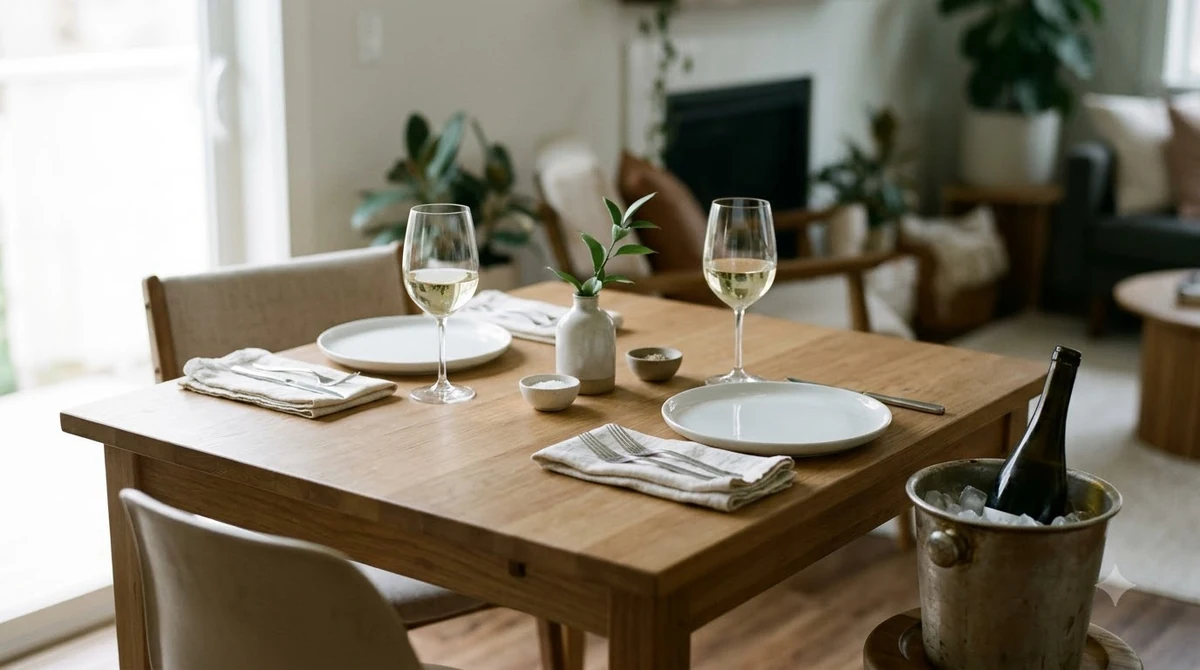
Most White Port is matured in stainless steel or concrete vessels. These neutral containers allow the wine to retain its original fruit and floral aromas without adding pronounced oak flavors. Many standard examples spend no more than three years in maturation, with some spending approximately 18 months before bottling.
Expect a pale golden color and flavors such as green apple, pear, peach, citrus, and fresh almond in many younger examples. The texture may still be substantial because the wine is fortified, but the overall impression is relatively lively and aromatic. Dry and semi-sweet styles from this category can make particularly refreshing aperitifs.
Wood-aged White Port takes a different direction. Time in oak allows the wine to develop a deeper golden or amber appearance and more complex aromas. Fresh fruit gradually becomes less prominent as dried apricot, honey, toasted almonds, hazelnuts, caramel, and gentle spice become more noticeable.
A useful example is Fonseca White Port. Its producer describes a blend of white grapes from the Upper slopes of the Douro Valley, matured in oak vats for approximately three years. The resulting wine is full-bodied and velvety, with mellow fruit, honey, oak, and a lingering finish.
Some premium White Ports carry age indications of 10, 20, 30, or 40 years. These expressions offer a more developed interpretation of the style, with greater aromatic complexity and a more pronounced mature character. They can be particularly interesting for drinkers who enjoy the flavors of aged tawny Port but prefer a wine made from white grapes.
For comparison, what does tawny port taste like is a useful question to explore alongside aged White Port. Both can develop nuts, caramel, and dried-fruit characteristics through maturation, although their original grape varieties and color profiles are different.
Not every wood-aged White Port will taste equally rich. Producers use different grape blends, maturation periods, and vessels, so the amount of oak influence varies. A lightly matured bottle may retain considerable freshness, whereas a longer-aged example can be much more concentrated and oxidative in character.
How to Serve White Port for the Best Flavor
White Port generally tastes best chilled, with a serving temperature around 45–50°F for many styles. Cooling the wine makes its sweetness feel more balanced, highlights its fruit and floral aromas, and reduces the impression of alcoholic warmth.
A simple white wine glass works well because it provides enough room to appreciate the aromas without requiring a specialized Port glass. Pour a modest tasting portion and allow the wine a moment to warm slightly in the glass. This is especially useful for older, wood-aged bottles, whose more complex aromas can become easier to recognize as the temperature rises.
The following temperature ranges provide a practical starting point:
| White Port style | Suggested temperature | Serving approach |
|---|---|---|
| Extra dry | 45–50°F | Chilled, neat or with tonic |
| Dry | 45–50°F | Chilled as an aperitif |
| Semi-sweet | 45–50°F | Chilled with snacks or cheese |
| Sweet | 43–50°F | Chilled with dessert |
| Lágrima | 43–50°F | Well chilled in a small glass |
| Older wood-aged | 45–50°F | Chilled, then allowed to open in the glass |
A 750 ml bottle provides approximately five standard 5 oz glasses, although smaller portions are often more appropriate for a rich fortified wine. White Port does not generally require decanting. Open the bottle, serve it chilled, and let the aromas develop naturally in the glass.
One particularly popular Portuguese serving style is White Port and tonic. Combine dry or semi-dry White Port with tonic water over ice and add fresh mint, lemon, or orange. The tonic contributes bitterness and bubbles, creating a lighter drink that emphasizes the wine’s citrus and floral qualities.
For a more traditional aperitif, serve White Port neat alongside salted almonds or olives. The contrast between the wine’s fruit and the saltiness of the snacks creates an appealing balance. A few thin slices of citrus can also make a simple presentation more aromatic.
After opening, store the bottle in the refrigerator with the closure firmly secured. The wine’s longevity depends on its sweetness, maturation, and storage conditions. As with other fortified wines, preserving it away from excessive heat and air exposure helps maintain its flavors.
Food Pairings That Complement White Port
White Port pairs especially well with salty appetizers, nuts, creamy cheeses, fruit-based desserts, and pastries. The best match depends on the wine’s sweetness: dry styles work well with savory dishes, while sweeter bottles are more successful alongside desserts and rich cheeses.
Salty appetizers and nuts
Dry White Port is a natural partner for olives, salted almonds, roasted cashews, and lightly seasoned crackers. Salt softens the perception of sweetness, allowing the wine’s citrus, pear, and almond flavors to come through. This combination is particularly effective when serving White Port as an aperitif before dinner.
Smoked almonds and lightly salted pistachios can also work well, particularly with a slightly richer White Port. Avoid heavily spiced snacks that overwhelm the wine’s delicate floral and fruit aromas.
Cheese and creamy dishes
Semi-sweet and sweet White Port can complement creamy cheeses because their sweetness balances richness and saltiness. Try a small serving with aged Gouda, blue cheese, or a creamy washed-rind cheese. The combination of honeyed fruit and savory dairy creates a satisfying contrast.
For a lighter pairing, consider mild goat cheese with pear slices or a small portion of ricotta with toasted almonds. These ingredients allow the wine’s fruit character to remain recognizable rather than overwhelming it.
Fruit and baked desserts
Sweet White Port works particularly well with peach tart, apple cake, almond pastries, poached pears, and dried-fruit desserts. Its honey and apricot notes complement baked fruit, while its fuller texture stands up to buttery pastry.
One useful principle is to serve a wine at least as sweet as the dessert. If a dessert is much sweeter than the Port, the wine may taste thinner or more acidic by comparison. A rich Lágrima can therefore make more sense with a sweet pastry than a dry White Port.
Seafood and savory dishes
Dry White Port can be served with seafood appetizers such as shrimp, crab, scallops, and smoked salmon. Its fruit character and chilled serving temperature make it a pleasant alternative to ordinary white wine in these situations. Citrus-based sauces and fresh herbs can help connect the food with the wine’s aromatic profile.
For richer seafood dishes, choose a fuller dry or semi-dry White Port rather than a very sweet example. The goal is to preserve the food’s savory character while allowing the wine’s fruit and body to complement it.
White Port can also accompany roasted poultry with fruit-based sauces, particularly when the wine has some oak influence. For example, roasted chicken with apricot glaze can work with a semi-sweet, mature White Port that shares similar fruit and honey notes.
For readers exploring other Portuguese fortified wines, what does ruby port taste like offers a useful contrast: Ruby Port emphasizes red and black fruit rather than the citrus, white fruit, and honey character found in White Port.
White Port Compared With Other White and Fortified Wines
White Port differs from ordinary white wine because it is fortified, generally sweeter, and higher in alcohol. It also differs from other Port styles because its white-grape foundation creates a distinct combination of fruit, floral, honey, and nut flavors.
Compared with Sauvignon Blanc, White Port is generally fuller, sweeter, and more alcoholic. Sauvignon Blanc typically has higher acidity and more pronounced fresh citrus or green fruit characteristics, whereas White Port has a rounder texture and a warming finish.
Chardonnay provides another useful comparison. Both wines can have rounded textures and, when oak-aged, some overlapping vanilla or nut impressions. However, White Port has the added richness of fortification and generally more residual sugar, while Chardonnay is an unfortified table wine with a more moderate alcohol level.
Chenin Blanc can be another interesting comparison because it can appear in dry, off-dry, and sweet expressions. Depending on its style, Chenin Blanc may show apple, pear, honey, and floral characteristics that resemble some White Port flavors. However, White Port is fortified and generally has a much stronger alcoholic presence.
To explore that comparison further, see what does chenin blanc taste like. It is a useful reference for understanding how a grape variety can produce very different flavor profiles depending on sweetness, climate, and winemaking decisions.
White Port also differs from Tawny and Ruby Port in its grape composition and typical flavor direction. Tawny Port is known for red-fruit evolution, dried fruit, caramel, and nuts, while Ruby Port emphasizes more youthful red and black fruit. White Port occupies a different space, combining white-fruit aromas with honey, citrus, and sometimes mature nutty flavors.
These distinctions make White Port a useful addition to a broader understanding of fortified wines. Readers interested in exploring other categories can find additional explanations in our Wine by Type collection.
Ultimately, the most important distinction is whether you prefer fresh fruit and restrained sweetness or richer honeyed and nutty flavors. Choosing between young, dry White Port and mature, sweet White Port can make a substantial difference to the drinking experience.
Frequently Asked Questions
Does White Port contain tannins?
White Port generally has very little noticeable tannin compared with red Port because white-grape production typically involves limited skin contact. Its texture comes mainly from alcohol, residual sugar, and maturation rather than the drying grip associated with tannic red wines. This helps explain its smooth, rounded mouthfeel.
What color should a good White Port be?
White Port can range from pale straw and light gold to deep golden and amber shades. The color depends on the grape blend, production method, and maturation. An older wood-aged bottle can be considerably darker than a young stainless-steel-aged example without either color indicating a quality problem.
Can White Port be aged after bottling?
Most standard White Port is intended to be enjoyed after release rather than stored for many years. Its flavor development generally occurs during maturation before bottling, particularly in wood-aged examples. Premium age-indicated bottlings are usually purchased for their already-developed character rather than as wines that require additional cellar aging.
What is the difference between White Port and Madeira?
Both are Portuguese fortified wines, but they come from different regions and have distinct production traditions. White Port comes from the Douro Valley, while Madeira is produced on the island of Madeira. Madeira commonly develops pronounced acidity and distinctive oxidative, roasted, and caramelized characteristics through its specialized maturation process.
Is White Port suitable for making cocktails?
Yes. White Port is particularly useful in chilled aperitif cocktails because its fruit, sweetness, and fortified structure work well with citrus, tonic, and fresh herbs. A White Port and tonic is a classic preparation, but dry White Port can also replace part of the fortified wine component in other mixed drinks.
White Port offers much more than a simple sweet alternative to red Port. Its range extends from fresh, citrus-driven aperitifs to rich, honeyed wines with complex dried-fruit and toasted-nut flavors. Start with a chilled dry or semi-sweet example, then explore wood-aged and Lágrima styles to discover the full range of what this distinctive Portuguese wine can offer.
More in Wine Types & Grapes
 Zinfandel Sugar Content: Dry Red vs. White Zinfandel GramsUpdated Nov 21, 2026
 Best Zinfandel Substitute Options for Sipping and CookingUpdated Nov 21, 2026
 Zweigelt Food Pairing: Best Dishes, Cheeses, and Serving TipsUpdated Nov 21, 2026
 Zinfandel Tannins Explained: How Structure Shapes Every BottleUpdated Nov 21, 2026
 Zinfandel Sweetness Level: Dry Red vs. Sweet White Zin ExplainedUpdated Nov 21, 2026
 Xinomavro Food Pairing: Best Dishes, Styles, and Serving TipsUpdated Nov 21, 2026