

We may earn a commission when you buy through links on this page, at no extra cost to you. Learn more.
What is dessert wine? It is a sweet wine served with or after a meal, made so that it keeps a high level of natural sugar. Winemakers get that sweetness in several ways: picking grapes late, letting noble rot concentrate the sugar, freezing the grapes, or adding spirit to stop fermentation early. Dessert wines range from light, bubbly Moscato to rich, fortified Port, and most sit between sweet and very sweet on the palate.
Dessert wine covers a wide family of styles that have little in common beyond sugar. Some are pale and delicate, some are deep and syrupy, and some are strong enough to sip alone after dinner. This guide explains how these wines get their sweetness, the main styles you will meet on a wine list, how to serve them, and what to eat with them.
How dessert wines get their sweetness
Ordinary dry wine is made by letting yeast turn nearly all of the grape sugar into alcohol. Dessert wine interrupts or avoids that process so that sugar remains in the bottle. There are four common methods, and each one leads to a different character in the glass.
The first method is late harvest, where grapes are left on the vine after the normal picking date so that they dry and concentrate their sugar. The second is botrytis, sometimes called noble rot, a fungus that shrivels grapes and intensifies their sweetness and honeyed flavor. The third is ice wine, made from grapes frozen on the vine. The fourth is fortification, where a neutral spirit is added to the wine to stop fermentation and keep the sugar in place.
The main styles of dessert wine
Dessert wine is easier to understand by style than by method. Each style has a typical grape, a typical strength, and a typical moment to serve it. Learning a few of these will help you choose a bottle without guessing from the label.
| Style | How the sweetness is made | Typical grapes or base | Typical serving |
|---|---|---|---|
| Late harvest | Grapes left on the vine to concentrate sugar | Riesling, Sémillon, Chenin Blanc | Chilled, with fruit tarts |
| Botrytized (Sauternes style) | Noble rot shrivels grapes and adds honeyed depth | Sémillon with Sauvignon Blanc | Cool, with foie gras or blue cheese |
| Ice wine | Grapes frozen on the vine during harvest | Riesling, Vidal, Cabernet Franc | Small pours, with dessert or on its own |
| Fortified (Port style) | Spirit added to stop fermentation early | Red grapes, often blended | Slightly cool, after dinner |
| Moscato style | Partial fermentation, often lightly sparkling | Muscat grapes | Well chilled, with fruit or light cake |
Alcohol and sweetness in dessert wine
Dessert wines do not all have the same strength. Some, like many late harvest wines, sit at moderate alcohol because fermentation stopped naturally. Others, especially fortified wines, carry much more alcohol because spirit was added. Moscato-style wines are often gentle in strength, which is why they are easy to enjoy on a warm afternoon.
Sweetness and alcohol are separate things. A wine can taste rich and sweet while still being light in body, or it can be powerfully sweet and warming at the same time. Reading the style on the label and checking the alcohol level helps you know what to expect before you pour. For a closer look at how alcohol levels vary between wines, the chardonnay alcohol content guide shows how one grape can differ from one bottle to the next.
How to serve dessert wine
Serving temperature changes how sweet a dessert wine tastes. Cold mutes sugar and makes the wine feel fresher, while a slightly warmer pour lets the aromas open. For a light, sweet Riesling, Wine Folly’s Riesling grape guide recommends serving the wine at 38 to 45°F (3 to 7°C), in a white wine glass. Those cool temperatures keep the wine lively and stop the sweetness from feeling heavy.
Rich, fortified and botrytized wines are often served a little warmer, around cellar temperature, so their deeper flavors show. Pour small amounts. A dessert wine is usually enjoyed in a glass of two or three ounces rather than a full pour, which keeps the sweetness from becoming overwhelming. Open the bottle once it is time to serve, and keep leftovers corked and refrigerated, since many sweet styles hold up well for several days.
Glassware also matters. A small, tulip-shaped glass concentrates the aromas of honey, apricot, or dried fruit, while a wide bowl can make a sweet wine smell flat. Fortified wines poured after dinner are often served in a small port or sherry glass for the same reason. Whatever glass you use, let the wine sit for a minute before the first sip so the aromas can settle.
Food pairings for dessert wine
The best rule for pairing dessert wine is to make sure the wine is at least as sweet as the food. A wine that tastes drier than the dish will make the dessert seem flat and sour. Fruit tarts, poached pears, and lemon desserts pair well with late harvest and Moscato styles, because the wine’s acidity balances the sugar in the dish.
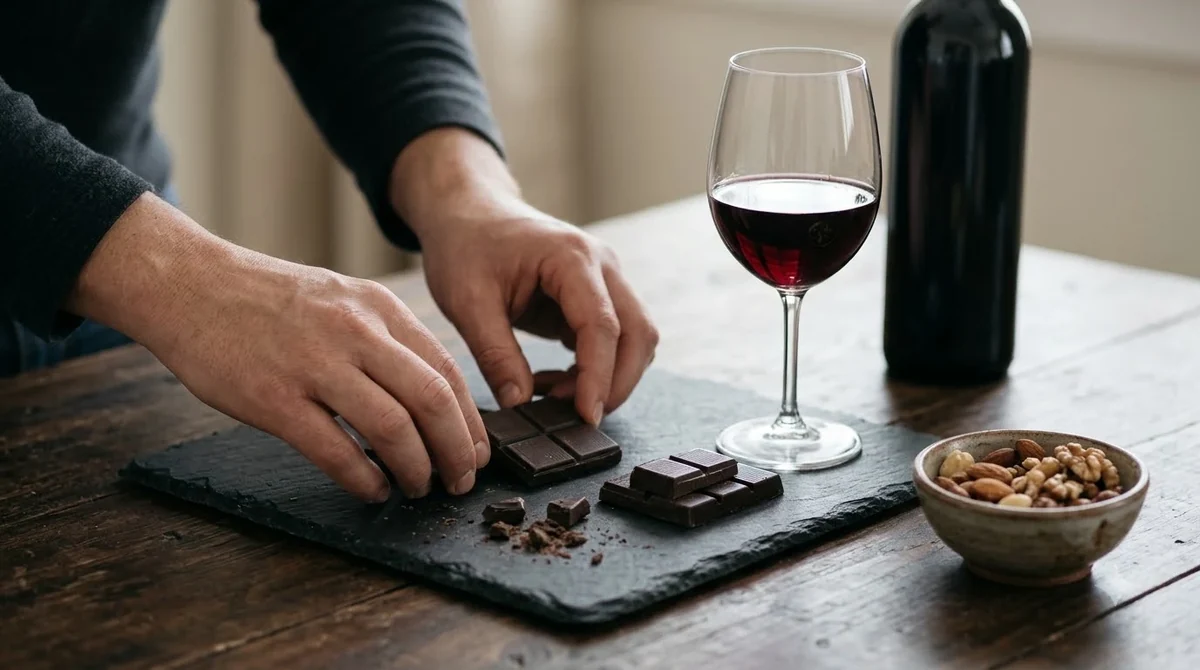
Chocolate is a tricky match, since it can make some wines taste bitter. Fortified wines with dark fruit and nutty notes usually handle chocolate better than light, floral styles. Sauternes-style wines are classic partners for blue cheese and foie gras, where the wine’s sweetness plays against salt and richness. A simple cheese plate with honey or fruit preserves works well with almost any sweet style.

Is dessert wine right for you?
Dessert wine suits people who enjoy sweet flavors but want something more complex than a soft drink or a sweet cocktail. If you usually drink dry reds or whites, start with a light style such as Moscato or a late harvest Riesling, since they are less intense than fortified or botrytized wines. Taste a small glass alongside a simple dessert to see how the sweetness works for you.
If you want to pair a sweet wine with a richer meal, the red wine with dessert guide covers how red styles fit into the end of a dinner. For a wider view of styles, the wine by type guide places dessert wines next to everyday table wines so you can compare them directly.
Frequently Asked Questions
What is dessert wine?
Dessert wine is a sweet wine served with or after a meal. It keeps a high level of natural sugar, usually from late harvest grapes, noble rot, ice wine production, or fortification. Common styles include Sauternes, Port, ice wine, and Moscato.
Is dessert wine always sweet?
Yes, by definition dessert wine is sweet, though the level of sweetness varies from lightly sweet Moscato to very rich botrytized wines. Some sweet wines still feel fresh because they have high acidity that balances the sugar.
How much dessert wine should I pour?
A dessert wine is usually poured in a small glass, around two to three ounces. Sweet styles are rich, and a smaller pour lets you taste the wine without feeling heavy. Serve it alongside a dessert or on its own after dinner.
What is the difference between dessert wine and port?
Port is one type of dessert wine. It is a fortified wine from Portugal, made by adding spirit during fermentation so that sweetness stays in the bottle. Dessert wine is the wider category, which also includes late harvest, ice wine, and botrytized styles.
Dessert wine is easiest to enjoy once you know its main styles and how they are made. Start with a light, chilled Moscato or late harvest Riesling, match the wine’s sweetness to your dessert, and keep the pour small. Exploring a few styles will show you how much range the category holds, from delicate fruit to deep, honeyed richness.
More in Wine Types & Grapes
 Zinfandel Sugar Content: Dry Red vs. White Zinfandel GramsUpdated Nov 21, 2026
 Best Zinfandel Substitute Options for Sipping and CookingUpdated Nov 21, 2026
 Zweigelt Food Pairing: Best Dishes, Cheeses, and Serving TipsUpdated Nov 21, 2026
 Zinfandel Tannins Explained: How Structure Shapes Every BottleUpdated Nov 21, 2026
 Zinfandel Sweetness Level: Dry Red vs. Sweet White Zin ExplainedUpdated Nov 21, 2026
 Xinomavro Food Pairing: Best Dishes, Styles, and Serving TipsUpdated Nov 21, 2026