

We may earn a commission when you buy through links on this page, at no extra cost to you. Learn more.
A vinho verde cocktail is a refreshing wine-based drink made with crisp Portuguese Vinho Verde, fresh citrus, and complementary ingredients such as gin, lime, mint, or seasonal fruit. Its naturally lively acidity and often gentle carbonation make it an excellent foundation for summer spritzers, wine punches, and light aperitifs. Whether you prefer a simple two-ingredient drink or a more elaborate cocktail, Vinho Verde offers plenty of ways to create something bright, balanced, and easy to serve.
Vinho Verde comes from northwestern Portugal and is particularly popular for its fresh, citrus-driven white wines. Although many people enjoy it chilled straight from the bottle, its refreshing character also makes it a practical cocktail ingredient. The recipes below explain how to choose the right bottle, balance the ingredients, and prepare drinks for everything from a quiet afternoon to a summer gathering.
Why Vinho Verde Works So Well in Cocktails
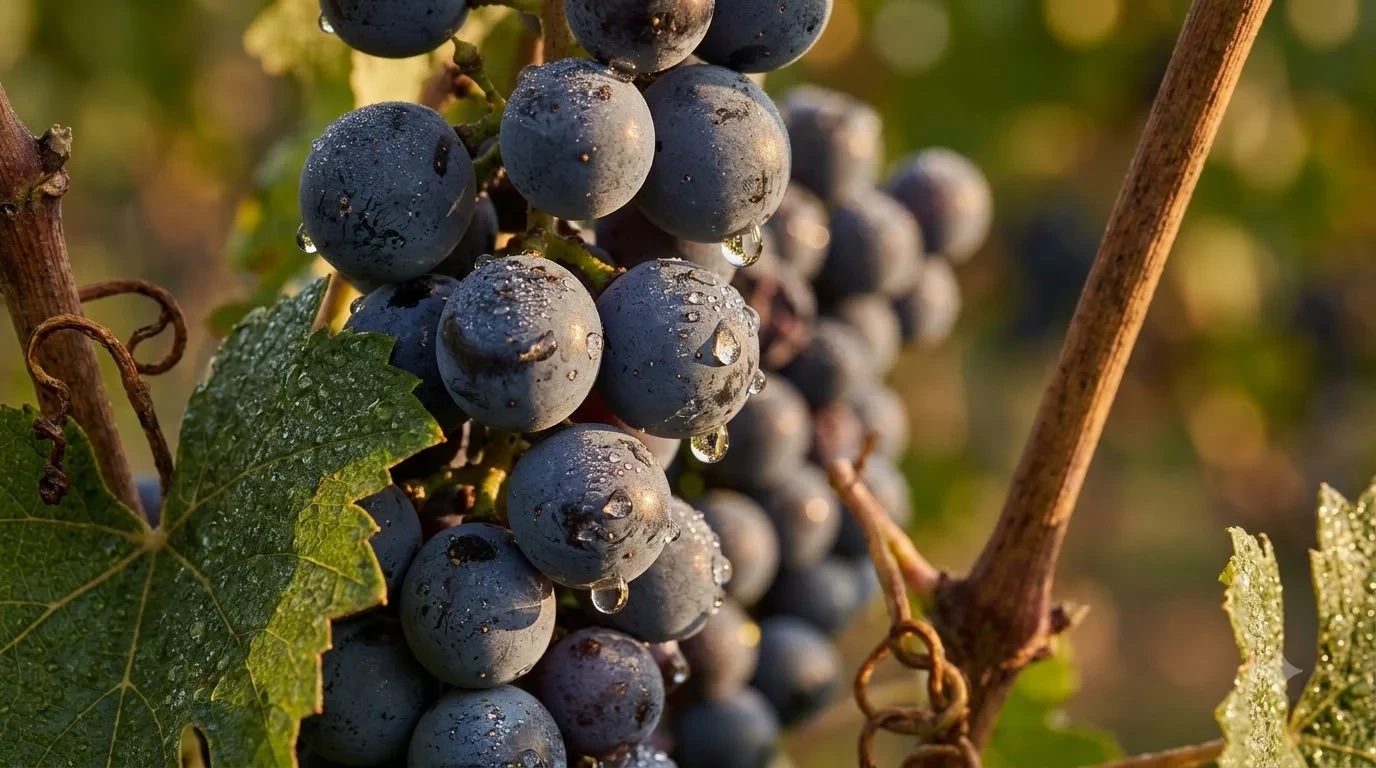
Vinho Verde works especially well in cocktails because its bright acidity, light body, and sometimes gentle effervescence provide freshness without overwhelming other ingredients. Its citrus, green apple, and floral characteristics complement gin, fresh herbs, berries, and sparkling water.
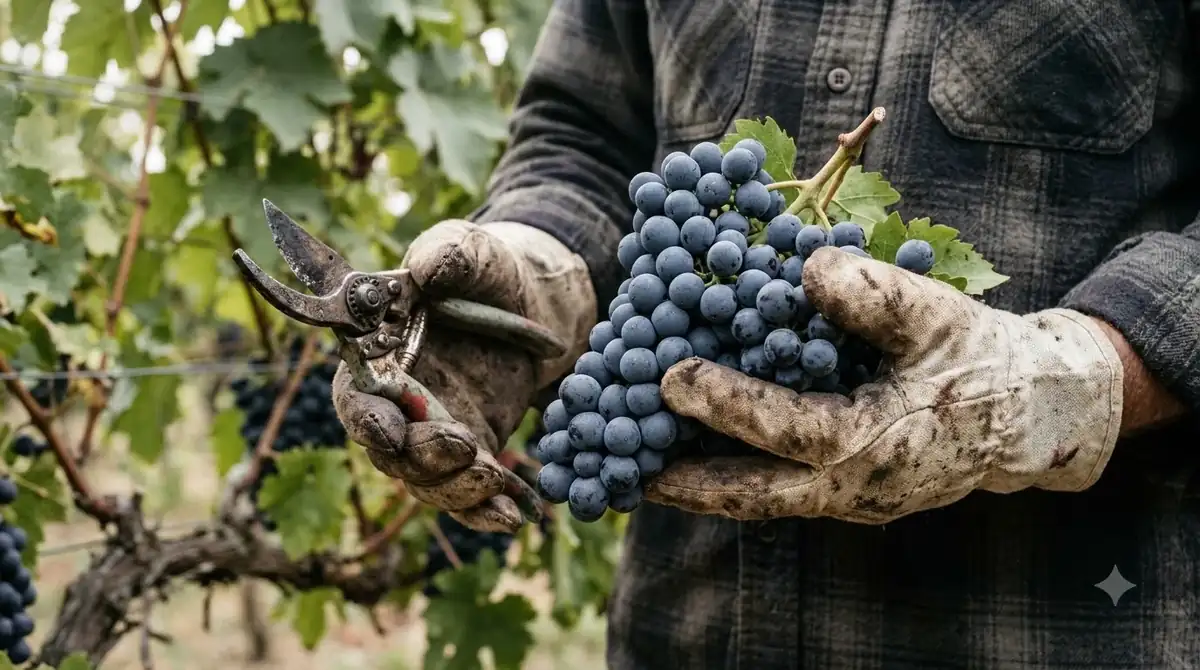
The wine comes from a protected production region in northwestern Portugal, where Atlantic influences help preserve freshness in the grapes. Its character varies according to grape variety, growing location, and winemaking choices. This variation gives cocktail makers several options, from particularly crisp wines to more aromatic and structured examples.
Most traditional white Vinho Verde is relatively light in alcohol, making it suitable for drinks where the wine should remain the main ingredient. A bottle around 9% to 11.5% ABV provides a different cocktail experience from a stronger fortified wine or full-bodied white. Some more concentrated, single-variety examples can have higher alcohol levels, so the individual bottle still matters.
Acidity is another important advantage. A wine with lively acidity can balance fruit juices and sweet mixers without becoming heavy. For example, lime juice brings additional sharpness, while peach nectar or simple syrup adds sweetness and softens the overall impression. The goal is to retain the wine’s refreshing character rather than cover it with strongly flavored ingredients.
Understanding the wine’s natural sparkle
Not every bottle of Vinho Verde has the same carbonation. Some wines have a noticeable spritz, while others are almost completely still. Producers can retain or introduce carbon dioxide during production, and the resulting level of sparkle varies.
This distinction matters when preparing a cocktail. A lightly sparkling wine already contributes some liveliness, so additional soda water may be unnecessary. A still example can benefit from sparkling water or tonic if the recipe calls for extra bubbles.
For a closer look at the wine’s origin, grape varieties, and regional identity, read about where Vinho Verde comes from. Understanding its regional character makes it easier to choose a bottle that suits the drink you want to prepare.
The Classic Vinho Verde Gin Spritzer
The classic Vinho Verde gin spritzer is the easiest starting point for anyone making a wine-based cocktail. It combines chilled Vinho Verde, a modest amount of gin, fresh lime, and ice for a bright drink that highlights the wine instead of hiding it.
This style follows the simple combination of wine, lime, and gin described by Dave McIntyre in The Washington Post. A splash of gin adds botanical character, while lime provides a sharp citrus accent. The wine remains the principal component, making this a good choice for people who enjoy light, refreshing drinks. The original recommendation appears in The Washington Post’s overview of Vinho Verde.
Ingredients for one cocktail
- 4 oz chilled white Vinho Verde
- 1 oz London dry gin
- 0.5 oz freshly squeezed lime juice
- 0.25 oz simple syrup, optional
- 1 oz sparkling water, optional
- Ice cubes
- 1 lime wheel for garnish
- 1 small mint sprig for garnish, optional
Preparation method
- Fill a large wine glass or stemmed cocktail glass with ice cubes.
- Add the gin and freshly squeezed lime juice.
- Add the optional simple syrup if you prefer a softer, less tart drink.
- Pour in the chilled Vinho Verde slowly to preserve its carbonation.
- Add sparkling water if the wine is relatively still or you want a lighter finish.
- Stir gently once or twice with a long bar spoon.
- Garnish with a lime wheel and a small sprig of mint.
The result should taste crisp and balanced, with the wine providing the central flavor. If the drink seems too sharp, add a small amount of simple syrup rather than increasing the quantity of gin. If it tastes too sweet, a little extra lime juice can restore its freshness.
For a lighter version, reduce the gin to 0.5 oz and increase the wine to 4.5 oz. This keeps the cocktail focused on Vinho Verde and makes its floral and citrus aromas easier to recognize.
Tip: Chill the wine, gin, and glass before mixing. Add Vinho Verde near the end and stir gently. Vigorous stirring releases carbonation and can make the finished spritzer taste flatter.
Other Vinho Verde Cocktail Recipes to Try
Vinho Verde is versatile enough to work in several cocktail styles beyond the traditional gin spritzer. Its freshness complements berries, stone fruit, herbs, and sparkling mixers, allowing you to create different drinks without needing complicated bar equipment.
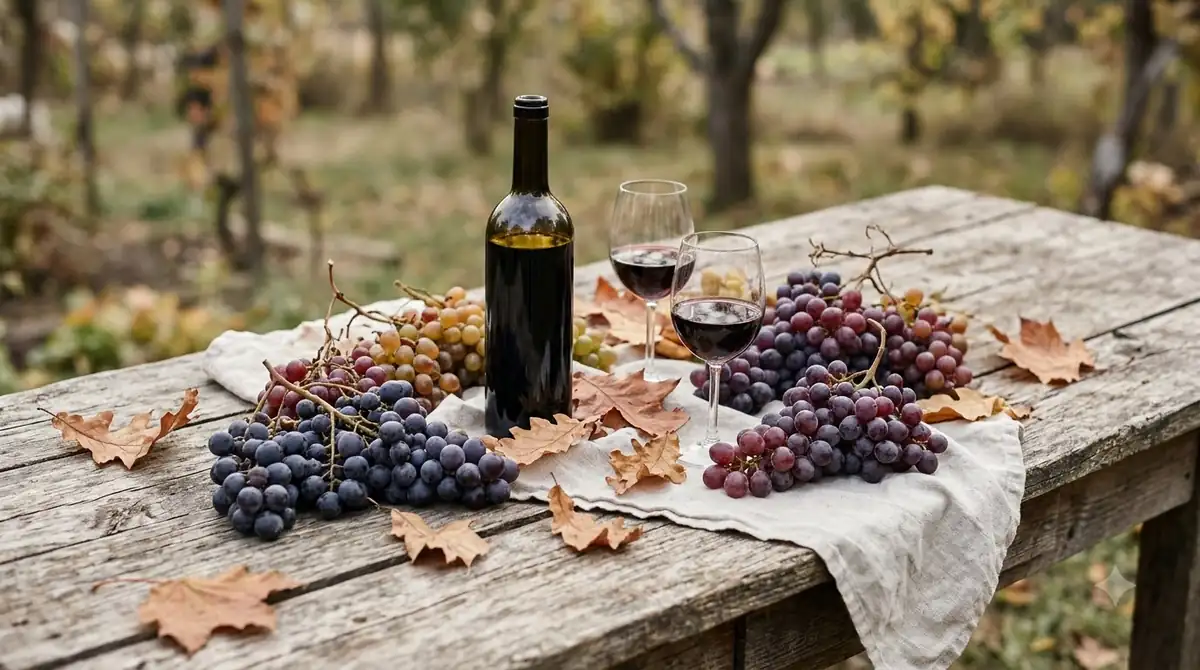
For the best results, start with a dry or moderately dry white Vinho Verde. This provides a flexible foundation because you can control the sweetness with fruit, juice, or syrup. The following recipes use straightforward measurements and ingredients commonly available in American grocery stores.
Vinho Verde peach cooler
Peach works particularly well with aromatic white wines because its soft fruit character complements floral and stone-fruit notes. This cocktail is a good option for warm afternoons when you want something fruit-forward without making a particularly sweet drink.
Ingredients:
- 4 oz white Vinho Verde
- 1 oz peach nectar or peach puree
- 0.5 oz fresh lemon juice
- 0.5 oz vodka, optional
- 1 oz sparkling water
- 2 thin peach slices
- Ice cubes
Method: Add the peach nectar, lemon juice, and optional vodka to an ice-filled glass. Stir briefly, then add the chilled wine and sparkling water. Finish with fresh peach slices.
Use ripe but firm peaches for the garnish. If the nectar is already sweet, leave out additional syrup. The lemon juice provides enough acidity to prevent the fruit from making the drink taste heavy.
Vinho Verde strawberry and mint spritz
Strawberries bring gentle sweetness and red-fruit aromas, while mint adds a cool herbal note. The combination works especially well with lightly aromatic Vinho Verde and makes an attractive drink for outdoor entertaining.
Ingredients:
- 4 oz chilled Vinho Verde
- 2 medium fresh strawberries
- 0.5 oz lime juice
- 0.25 oz simple syrup
- 1 oz sparkling water
- 4 fresh mint leaves
- Ice cubes
Method: Place the strawberries, mint leaves, lime juice, and syrup in a shaker. Gently muddle until the fruit releases its juice. Add ice and shake briefly. Strain into a wine glass containing fresh ice, then top with Vinho Verde and sparkling water.
Avoid crushing the mint too aggressively. Excessive muddling can release bitter flavors from the leaves. For a more pronounced strawberry character, add a sliced strawberry as a garnish rather than increasing the syrup.
Vinho Verde citrus and elderflower cocktail
Elderflower adds a delicate floral sweetness that pairs naturally with aromatic white wine. This version is particularly suitable for people who prefer a fragrant cocktail with less emphasis on spirits.
Ingredients:
- 4 oz Vinho Verde
- 0.5 oz elderflower liqueur
- 0.5 oz fresh lemon juice
- 1 oz sparkling water
- 1 thin lemon wheel
- Ice cubes
Method: Fill a wine glass with ice, pour in the elderflower liqueur and lemon juice, and add the chilled Vinho Verde. Finish with sparkling water and garnish with a lemon wheel.
Elderflower liqueur can be quite sweet, so begin with 0.5 oz. Increasing the quantity can make the wine’s delicate flavors harder to recognize. A slightly more aromatic Loureiro-based wine is a particularly suitable starting point.
Vinho Verde summer sangria
Vinho Verde can also replace a more traditional still white wine in sangria. Its acidity keeps the fruit mixture lively, while its light body allows peaches, citrus, and berries to remain prominent.
Ingredients for approximately six servings:
- 1 bottle (750 ml) white Vinho Verde
- 1 orange, thinly sliced
- 1 lemon, thinly sliced
- 1 peach, sliced
- 1 cup fresh strawberries, halved
- 2 oz orange liqueur, optional
- 4 oz sparkling water
- Ice for serving
Method: Combine the sliced fruit and optional orange liqueur in a large pitcher. Add the chilled wine, stir gently, and refrigerate for 1 to 2 hours. Just before serving, add the sparkling water. Pour into ice-filled glasses and distribute some of the fruit into each serving.
For a drier sangria, omit the orange liqueur and use fruit that is ripe but not overly sweet. For a softer profile, add a small amount of simple syrup after tasting the mixture. Avoid leaving the fruit in the pitcher for an extended period because citrus pith can contribute bitterness.
Choosing the Best Vinho Verde and Cocktail Ingredients
The best Vinho Verde for a cocktail is usually a fresh, light-bodied white with lively acidity and moderate alcohol. The grape variety influences the flavor, so choosing between Alvarinho, Loureiro, Arinto, and blended wines can help determine whether your finished drink tastes citrusy, floral, or fruit-driven.
Different varieties bring different strengths to a mixed drink. A highly aromatic wine may need very little additional flavoring, while a more neutral blend can accommodate stronger fruit ingredients. Matching the wine to the recipe is generally more useful than choosing a bottle simply because it has the most noticeable bubbles.
Which grape varieties work best?
Alvarinho: Alvarinho is associated with citrus, tropical fruit, and greater structure. It can work particularly well in a citrus spritzer with lime, lemon, or grapefruit. Its fuller character can also stand up to a small quantity of gin.
Loureiro: Loureiro is known for floral and peach-like aromas. Its aromatic qualities make it a good match for elderflower, mint, peach, and fresh berries. For a fragrant cocktail, it is one of the most interesting varieties to consider.
Arinto: Arinto is valued for its high acidity. It is particularly useful when the recipe contains sweet ingredients such as peach nectar or fruit puree. Its refreshing character helps prevent the finished drink from becoming cloying.
Avesso: Avesso generally offers more body and stone-fruit character than some of the lighter varieties. It is worth considering for cocktails with peach, pear, or other fuller fruit flavors. A structured Avesso-based wine may need less additional sweetness than a particularly tart blend.
Blended white Vinho Verde: A traditional blend can provide a balanced combination of freshness, aroma, and fruit. For an uncomplicated spritzer or sangria, this is often the most practical starting point.
Comparing common cocktail combinations
| Wine style or ingredient | Flavor contribution | Best cocktail use |
|---|---|---|
| Alvarinho | Citrus and tropical fruit | Gin and lime spritzer |
| Loureiro | Floral and peach aromas | Elderflower cocktail |
| Arinto | Bright acidity | Peach and fruit cooler |
| Avesso | Stone fruit and fuller body | Peach-based cocktail |
| Fresh strawberries | Red-fruit sweetness | Mint spritz |
| Fresh lime | Sharp citrus acidity | Gin spritzer |
| Elderflower liqueur | Floral sweetness | Floral wine cocktail |
| Sparkling water | Additional carbonation | Light spritzers |
Alcohol content is another useful consideration. Traditional Vinho Verde often falls around 8.5% to 11.5% ABV, while individual varietal and more concentrated wines can be stronger. If you want the wine to remain the main feature, a lighter bottle generally works well.
For more information about typical strengths and the differences between traditional and stronger bottlings, see our guide to Vinho Verde alcohol content.
Fresh ingredients versus prepared mixers
Fresh citrus juice generally gives a cleaner result than bottled juice, especially in recipes where lime or lemon is a major flavor. Fresh strawberries, peaches, and mint also contribute more recognizable fruit and herbal aromas than heavily sweetened cocktail syrups.
Prepared fruit nectar is still useful, particularly when making several drinks at once. Peach nectar provides a consistent flavor and saves preparation time. The important point is to account for its existing sugar content before adding simple syrup.
For sparkling ingredients, plain sparkling water provides a neutral finish. Tonic water introduces bitterness and sweetness, so it changes the character of the cocktail more noticeably. Choose the mixer according to the recipe rather than treating all carbonated drinks as interchangeable.
Balancing Sweetness, Acidity, and Alcohol
A good Vinho Verde cocktail should taste refreshing rather than excessively sweet, sour, or alcoholic. The easiest way to achieve this balance is to use the wine as the foundation, add citrus in measured quantities, and adjust sweetness in small increments.
Vinho Verde often has enough natural acidity to balance fruit ingredients without requiring a large amount of lemon or lime juice. However, recipes containing sweet nectar, syrup, or liqueur may need additional acidity to keep the finish fresh.
How to adjust sweetness
Begin with a dry or moderately dry wine and taste the mixture before adding sweetener. If the drink tastes too sharp, add simple syrup in increments of approximately 0.1 to 0.25 oz per serving. This makes it easier to control the final balance.
If the cocktail tastes overly sweet, add a little fresh citrus juice or more chilled Vinho Verde. Avoid correcting excessive sweetness by adding large quantities of tonic or another strongly flavored mixer, as this can create a different imbalance.
Fruit also contributes natural sweetness. Ripe peaches, strawberries, and oranges can make a cocktail taste sweeter even without additional syrup. When preparing sangria, the fruit should be considered part of the recipe’s overall sugar balance.
How to balance spirits
Gin is a natural partner for Vinho Verde because its botanical notes can complement the wine’s citrus and floral characteristics. A starting ratio of 4 parts wine to 1 part gin keeps the wine in the foreground. More gin creates a stronger spirit-led cocktail and can overwhelm a delicate wine.
Vodka is another option when you want additional alcoholic strength without introducing a prominent herbal flavor. Use a modest quantity, especially when the recipe also contains a sweet liqueur.
Alcohol can make chili heat feel more pronounced, so avoid combining a spirit-heavy Vinho Verde cocktail with a large amount of hot pepper. If you want a spicy garnish, use a small slice of fresh jalapeño and keep the alcoholic ingredients restrained.
Getting the proportions right
Consistency is especially important when preparing multiple servings. Measuring ingredients prevents one glass from becoming significantly sweeter or stronger than another.
The following ratios offer a useful starting point for experimenting with different wines:
- Light spritzer: 5 parts Vinho Verde to 1 part sparkling water.
- Gin cocktail: 4 parts Vinho Verde to 1 part gin.
- Fruit cooler: 4 parts Vinho Verde to 1 part fruit nectar.
- Floral cocktail: 8 parts Vinho Verde to 1 part elderflower liqueur.
- White sangria: 750 ml Vinho Verde with approximately 2 to 3 cups of prepared fruit.
These are starting proportions rather than strict rules. A wine with pronounced acidity may need more fruit sweetness, while an aromatic wine may taste best with fewer additional ingredients.
Serving, Chilling, and Preparing Vinho Verde Cocktails
Serve Vinho Verde cocktails thoroughly chilled, preferably in glasses filled with fresh ice. Temperature affects the wine’s aroma, perceived acidity, and overall freshness, while careful handling preserves carbonation in sparkling styles.
Classical white Vinho Verde is generally served at approximately 46–54°F, according to regional wine guidance. For a mixed drink, a chilled wine combined with cold ingredients and ice usually produces a refreshing result without requiring complicated chilling equipment.
Choosing the right glass
A large wine glass is a versatile choice for most Vinho Verde cocktails. It provides enough room for ice, fruit, and garnishes while allowing the wine’s aromas to develop. A stemmed glass also makes it easier to hold the drink without warming it quickly with your hands.
A highball glass is useful for a simple spritzer containing more sparkling water. Its taller shape accommodates additional ice and allows the wine and mixer to combine easily. For sangria, use a medium-sized wine glass or a short tumbler with plenty of room for fruit.
Preparing cocktails ahead of time
Some preparation can be completed in advance, especially when entertaining guests. Wash and slice fruit, prepare citrus juice, chill the wine, and measure any spirits before guests arrive. Store prepared fruit in a covered container in the refrigerator.
For sangria, combine the fruit and wine approximately 1 to 2 hours before serving. This gives the fruit time to contribute its aroma without requiring an extended soaking period. Keep sparkling water separate until the final few minutes.
For individual spritzers, do not combine the wine and sparkling water hours ahead. The carbonation will gradually escape, leaving the cocktail less lively. Instead, prepare the noncarbonated ingredients in advance and assemble each glass shortly before serving.
Keeping opened wine fresh
Once opened, reseal the bottle and store it in the refrigerator. A still white wine generally retains its best qualities for approximately 3 to 5 days under refrigeration, although freshness depends on storage conditions and the wine itself.
For a bottle with noticeable carbonation, use a suitable sparkling-wine stopper and refrigerate it promptly. Sparkling wine generally retains its freshness for approximately 1 to 3 days after opening, although the exact result varies with the amount of remaining carbonation.
Do not leave a bottle sitting open on a warm kitchen counter while preparing several batches of cocktails. Pour the amount required for the next round and return the bottle to the refrigerator. This helps preserve its freshness and prevents unnecessary loss of bubbles.
Food Pairings and Occasions for Vinho Verde Cocktails
Vinho Verde cocktails are particularly suitable for light appetizers, seafood, fresh salads, and relaxed outdoor gatherings. Their acidity and citrus flavors complement dishes with fresh ingredients, while their relatively light structure avoids overwhelming delicate foods.
Choosing the right cocktail for the menu makes the entire occasion feel more cohesive. A simple lime spritzer suits seafood appetizers, while a strawberry and mint version can accompany fruit desserts or lighter summer snacks.
Seafood and light appetizers
A Vinho Verde gin spritzer works well alongside grilled shrimp, oysters, white fish, and lemon-seasoned seafood. The wine’s freshness complements the natural flavors of seafood, while lime reinforces the citrus commonly used in these dishes.
For grilled shrimp, try serving a lime-forward cocktail with a small amount of gin. For oysters, a simpler wine and sparkling-water combination allows the seafood to remain the focus.
Smoked salmon can also work with a restrained Vinho Verde spritzer, particularly when served with cucumber, fresh herbs, or mild cream cheese. Avoid excessively sweet cocktails because their fruitiness can compete with the fish’s savory character.
Salads, cheese, and vegetable dishes
Fresh salads with goat cheese, cucumber, citrus, and leafy greens pair naturally with the acidity of Vinho Verde. A simple spritzer or elderflower cocktail provides a complementary aromatic note without making the pairing feel heavy.
For cheese boards, consider fresh goat cheese, young sheep’s milk cheese, or mild semi-soft cheeses. These choices generally work better with the lighter character of white Vinho Verde than very strong, heavily aged cheeses.
Grilled vegetables are another good option. Zucchini, asparagus, bell peppers, and lightly dressed vegetable skewers can accompany a citrus-based wine cocktail, especially when the seasoning includes herbs and lemon.
Fruit desserts and summer gatherings
Peach, strawberry, and citrus-based cocktails are particularly appropriate for outdoor meals and summer celebrations. Their fruit flavors connect naturally with fresh fruit desserts, including peach tarts, strawberry shortcake, and lemon sorbet.
For a dessert pairing, keep the cocktail relatively dry. A very sweet wine cocktail can make the dessert taste less balanced. The general wine-pairing principle is that wine should be at least as sweet as the dessert when the wine itself is being paired directly with the dish.
At larger gatherings, a pitcher of white Vinho Verde sangria offers a convenient alternative to making individual cocktails. Prepare the fruit and wine in advance, then add sparkling water immediately before serving. Provide separate garnishes so guests can personalize their glasses.
Frequently Asked Questions
Is Vinho Verde always sparkling?
No. Vinho Verde can be still, lightly sparkling, or produced as a fully sparkling wine under the regional designation. The term does not guarantee a particular level of carbonation, and the region’s production specifications recognize both traditional and tank-fermented sparkling categories.
Can you make a Vinho Verde cocktail without alcohol?
Yes, use a nonalcoholic white wine alternative or a combination of white grape juice, lemon juice, and sparkling water. A small amount of fresh mint and cucumber can provide additional complexity. This creates a similar refreshing style without using alcoholic wine or spirits.
Can red Vinho Verde be used in cocktails?
Yes, red Vinho Verde can be used in fruit punches and sangria, although it is less common in American cocktail recipes. The Vinhão grape is an important traditional red variety in the region and produces deeply colored wines with noticeable acidity. Pair red examples with berries, orange, and modest amounts of sweetener.
What is the difference between Vinho Verde and Portuguese vinho espumante?
Vinho Verde is a regional wine designation, whereas vinho espumante is a Portuguese term referring to sparkling wine. Vinho Verde itself can include sparkling categories, so the terms are not mutually exclusive. The regional specification recognizes both Vinho Verde sparkling wine and quality sparkling Vinho Verde.
Can you freeze Vinho Verde into cocktail ice cubes?
Yes, leftover Vinho Verde can be frozen in an ice cube tray for later use in sangria or blended wine drinks. Freezing removes the wine’s original carbonation, so these cubes are better suited to still cocktails than sparkling spritzers. Store them in a sealed freezer-safe container to reduce exposure to freezer odors.
A Vinho Verde cocktail is an easy way to enjoy the freshness of Portuguese wine in a different format. Start with a chilled bottle, fresh citrus, and a simple combination of ingredients, then experiment with gin, peach, berries, or elderflower to find your preferred style. Whether you prepare an individual spritzer or a pitcher of summer sangria, the best results come from keeping the wine’s natural acidity and refreshing character at the center of the drink.
More in Wine Types & Grapes
 Zinfandel Sugar Content: Dry Red vs. White Zinfandel GramsUpdated Nov 21, 2026
 Best Zinfandel Substitute Options for Sipping and CookingUpdated Nov 21, 2026
 Zweigelt Food Pairing: Best Dishes, Cheeses, and Serving TipsUpdated Nov 21, 2026
 Zinfandel Tannins Explained: How Structure Shapes Every BottleUpdated Nov 21, 2026
 Zinfandel Sweetness Level: Dry Red vs. Sweet White Zin ExplainedUpdated Nov 21, 2026
 Xinomavro Food Pairing: Best Dishes, Styles, and Serving TipsUpdated Nov 21, 2026