

We may earn a commission when you buy through links on this page, at no extra cost to you. Learn more.
Yes, you should chill Moscato d’Asti before serving; the answer to “should moscato d asti be chilled” is yes, with a practical serving range of about 43–50°F (6–10°C). A cool pour keeps its gentle sparkle lively and lets its peach, citrus, and floral aromas feel crisp rather than heavy. Aim for the middle of that range for a bottle you plan to serve with dessert.
Moscato d’Asti is a lightly sparkling white wine from Piedmont, Italy, made primarily from Moscato Bianco grapes. It is sweeter and softer in carbonation than fully sparkling Asti, so a thoughtful chill matters: cold enough for freshness, but not so cold that its fragrant character disappears.
The Best Serving Temperature for Moscato d’Asti
The most useful target is 43–50°F (6–10°C), with roughly 45–48°F (7–9°C) a comfortable range for most bottles. That keeps the wine refreshing while leaving room for its floral, peach-like aromas to emerge in the glass.
Producer guidance supports serving it cold. Casa Gancia lists 6–8°C, which converts to about 43–46°F, while a U.S. wine guide gives a broader 45–50°F range. The difference is small in practical terms: take the bottle out of the refrigerator shortly before pouring, and let the wine warm slightly in the glass if the aromas seem muted. Gancia’s Moscato d’Asti serving notes give a useful producer-specific reference.
Aim for the cooler end of the range on a warm afternoon or alongside a rich dessert. Choose the warmer end when serving a delicate fruit tart or sipping the wine on its own, since a few degrees can make its scent easier to notice. You do not need to chase an exact degree: a bottle that feels properly cold but not icy is ready to pour.
Why Chilling Suits Moscato d’Asti’s Gentle Bubbles and Aromas
Moscato d’Asti is made to taste fresh, fragrant, and gently lively, and chilling helps those qualities stay in balance. The wine’s sweetness can seem heavier when it is warm, while a cool serving temperature gives its acidity and light carbonation a cleaner, more refreshing impression.

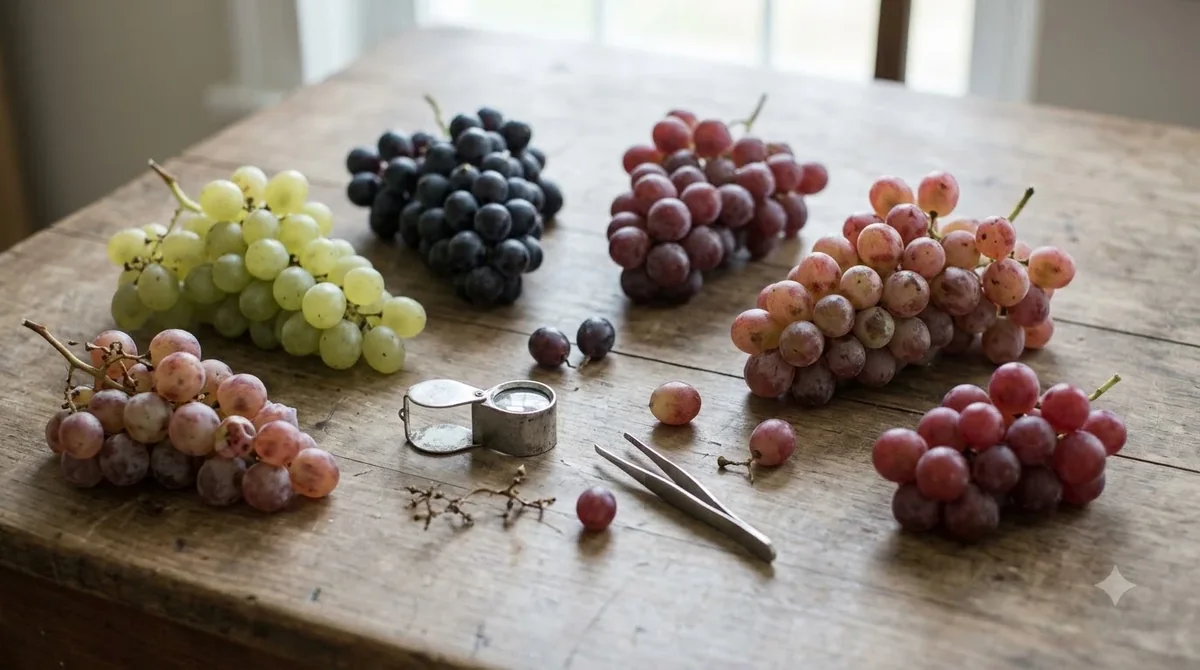
The wine comes from the Moscato Bianco grape in Piedmont, especially the area around Asti and neighboring districts. Its familiar aromas include ripe peach, apricot, orange blossom, sage, acacia, and honey. Those are delicate, expressive scents rather than deep, oak-driven flavors, so serving the wine cool protects its fresh profile without making it taste austere. In its overview of Asti styles, Decanter describes Moscato d’Asti as the sweeter, frizzante alternative to fully sparkling Asti, with floral notes, exotic fruit, gentle fizz, and a touch of sweetness.
Its bubbles are also part of the reason to keep the bottle cold. Moscato d’Asti is frizzante, or lightly sparkling, rather than as forcefully effervescent as Asti Spumante. The wine’s fermentation is stopped while some natural grape sugar remains, and the cooler, controlled process helps preserve its aromatic freshness. A cold bottle pours with a lively bead and a soft prickle; a warm one can seem sweeter and less precise. Chilling does not remove the wine’s sweetness or change its alcohol content; it changes how the components register on the palate. At a cool but not freezing temperature, the fruit remains clear, the acidity feels refreshing, and the gentle bubbles keep each sip from seeming syrupy.
How to Chill and Serve Moscato d’Asti
Use the refrigerator for a steady chill or an ice-and-water bath when you need to cool the wine more quickly. The goal is a serving temperature around 43–50°F (6–10°C), not a bottle that has been forgotten in the freezer.
For a bottle starting at ordinary room temperature, allow about 2–3 hours in the refrigerator. For a faster option, place it in a bucket filled with ice and water for roughly 15–20 minutes, then check the temperature before serving. Water transfers heat more efficiently than ice alone, so make sure the bottle is surrounded by the mixture rather than resting above a pile of cubes. These are practical estimates, not strict rules; a warm room, a full refrigerator, or a bottle that began in a cool cellar can change the timing.
| Serving point | Temperature | How to use it |
|---|---|---|
| Cool end | 43°F / 6°C | Fresh, crisp service; the lower end of Gancia’s recommendation |
| Middle | 46°F / 8°C | A balanced starting point for fruit and floral aromas |
| Warmer end | 50°F / 10°C | Useful when the wine needs a little more aromatic expression |
Tip: Chill the bottle in advance, then pour a small first glass. If the peach and floral notes seem restrained, give the wine 3–5 minutes in the glass before deciding it needs more time or a warmer serving temperature.
Open the bottle carefully even though Moscato d’Asti is only gently sparkling. Keep one hand over the cork as you loosen the closure, point the bottle away from people and glassware, and turn the bottle rather than pulling sharply on the cork. A soft hiss is normal; the wine does not need a dramatic pop to be enjoyable. Pour 5-ounce servings into clean glasses, leaving enough space above the wine to enjoy its aroma. A standard 750 ml bottle provides about five such glasses. If you do not finish it, reseal it with a sparkling-wine stopper and refrigerate it; the usual guideline for opened sparkling wine is about 1–3 days, although the gentle fizz may fade before the wine becomes undrinkable. Store an unopened bottle on its side in a cool, dark spot near 55°F, then chill it shortly before serving rather than keeping it in the refrigerator for long-term storage.
What Moscato d’Asti Tastes Like and How Sweet It Is
Expect a sweet, aromatic white wine with fresh fruit, floral notes, bright acidity, and a light prickle of bubbles. It is not a neutral, sugary drink: the grape’s perfume and the wine’s freshness are central to its style, and the right temperature helps those qualities stay in balance.
Peach and apricot are common first impressions, followed by orange blossom, acacia, sage, citrus, or honey depending on the producer and site. Casa Gancia describes its Canelli bottling with peach, sage, acacia blossom, and honey, and its technical information lists 5.5% alcohol by volume and 55 grams per liter of residual sugar. Those figures describe that particular wine, not every bottle carrying the Moscato d’Asti name. Producers and vintages can differ, so avoid assuming that every example has identical sweetness or alcohol.
The wine’s sweetness comes from fermentation being stopped before all the grape sugar has been converted into alcohol. That leaves residual sugar in the finished wine and helps explain why Moscato d’Asti is often low in alcohol compared with many still table wines. Its acidity provides lift, while light carbonation makes the finish feel lively. A cool serving temperature emphasizes the freshness; if the bottle is too cold, the perfume may seem quieter, and if it is warm, the sugar can feel more prominent. A well-made bottle should show fruit and floral notes alongside enough freshness to keep the finish from feeling flat. If you prefer drier wines, choose a small pour first and serve it with food rather than assuming that every sweet wine will taste cloying. If you already enjoy fragrant whites or lightly sparkling wines, Moscato d’Asti can be an easy bridge to sweeter styles.
Foods That Pair Well With Chilled Moscato d’Asti
Pair Moscato d’Asti with desserts that are as sweet as, or slightly less sweet than, the wine, and use its acidity to refresh the palate. Fruit desserts, gentle pastries, and salty or creamy foods are especially useful partners because they complement the wine without overwhelming its delicate aromas.
Fresh fruit is a natural match: try sliced peaches, strawberries, apricots, or a fruit salad with a little citrus. Fruit tarts, almond cookies, biscotti, sponge cake, and lightly sweetened custards also work well. Traditional Italian pairings include panettone, pandoro, colomba, and zabaglione. A lemon tart can be a good choice when its sweetness is balanced; very sharp citrus desserts may make the wine seem less sweet, so choose a wine with enough acidity to meet the food.
For a savory contrast, pour it with blue cheese, salty cured meats, or anchovy crostini. Salt and fat soften the perception of sweetness and make the fruit seem more vivid. A small plate of gorgonzola with toasted hazelnuts, or prosciutto with ripe peach, can turn the wine into an aperitif rather than reserving it for the final course. Mild cheeses and cream-based desserts are also compatible, provided they do not bury the wine’s fragrance. Be more selective with spicy dishes. Moscato d’Asti’s sweetness can take the edge off moderate heat, but alcohol and tannin can amplify chili burn; although this wine is low in alcohol and has little tannin, a very hot sauce can still overpower its delicate flavor. Keep chile levels gentle and favor dishes with aromatic herbs, ginger, or fruit. Avoid pairing it with heavily charred, bitter, or intensely acidic foods that would dominate its floral character.
Moscato d’Asti Compared With Asti Spumante and Other Sweet Wines
Moscato d’Asti and Asti Spumante share a home in Piedmont and the Moscato Bianco grape, but they are not interchangeable styles. Moscato d’Asti is the softer, lightly sparkling option; Asti is fully sparkling, with more pronounced bubbles and a different sense of energy in the glass.
Decanter places the Asti DOCG area across the provinces of Asti, Alessandria, and Cuneo and describes Moscato d’Asti as the sweeter frizzante style. The difference in pressure is meaningful at the table: Moscato d’Asti is easy to pour in a regular white-wine glass, while fully sparkling Asti feels more overtly celebratory. Both should be served chilled, but the ideal temperature can vary by bottling. For a direct comparison, see should Asti Spumante be chilled before serving.
It is also distinct from Prosecco, Champagne, and Cava. Prosecco is made from Glera and typically has about 11–12% alcohol, while Champagne and Cava undergo a second fermentation in the bottle. Moscato d’Asti is lower in alcohol and gets its gentle fizz through a different fermentation approach. Its perfume and sweetness make it closer to a dessert wine, even though its bubbles and freshness let it work before or during a meal. Ice wine is another sweet white, but it is made from grapes that freeze naturally on the vine, concentrating their sugars and flavors. Serve it chilled too, but its texture, richness, and typical intensity are different from Moscato d’Asti; our guide to whether ice wine should be chilled explains that style’s serving needs. Sangria is different again: it is a prepared wine drink that may include fruit, citrus, and spirits, rather than a single appellation wine. For a cooler pitcher drink, see how chilled sangria should be. For a broader overview of grapes and styles, browse Wine by Type.
Frequently Asked Questions
These quick answers cover a few practical details beyond the basic 43–50°F serving range and the wine’s gently sparkling, low-alcohol style.
Can I serve Moscato d’Asti in a Champagne flute?
Yes, a flute will work, especially if you want to emphasize the stream of bubbles. A small tulip-shaped white-wine glass is another good option because its wider bowl gives the peach, sage, and floral aromas more room to collect. Choose the glass that suits the setting rather than treating one shape as mandatory.
Is Moscato d’Asti the same as Moscato wine?
No. Moscato is a broad name associated with Muscat grapes and many wine styles, while Moscato d’Asti is a specific Italian wine designation from Piedmont. A bottle labeled Moscato from another country or region may be still, sparkling, dry, or sweet, so the name alone does not guarantee the same style.
Does Moscato d’Asti improve with long bottle aging?
Most Moscato d’Asti is made to be enjoyed young, while its primary-grape aromas and lively freshness are at their most expressive. Extended cellaring is generally not the reason to buy this style. Follow the producer’s advice for a special bottling, but for an ordinary bottle, favor freshness over years in storage.
Can I use Moscato d’Asti in a cocktail?
Yes. Its sweetness, low alcohol, and gentle bubbles can work in a simple sparkling-wine cocktail or as a light topper for a fruit-forward drink. Add unsweetened or tart ingredients first, taste before adding syrup, and pour the Moscato d’Asti near the end so its carbonation is not lost through vigorous stirring.
What does DOCG mean on a Moscato d’Asti label?
DOCG stands for Denominazione di Origine Controllata e Garantita, Italy’s highest traditional tier of appellation classification. It identifies a wine tied to a defined origin and production rules, rather than simply naming the grape variety. Moscato d’Asti received DOCG status in 1993.
Chill Moscato d’Asti to about 43–50°F, pour it while its gentle bubbles are fresh, and pair it with fruit, pastries, or a salty cheese. A cool but not icy glass is the simplest way to let its Piedmontese grape character shine.
More in Wine Types & Grapes
 Zinfandel Sugar Content: Dry Red vs. White Zinfandel GramsUpdated Nov 21, 2026
 Best Zinfandel Substitute Options for Sipping and CookingUpdated Nov 21, 2026
 Zweigelt Food Pairing: Best Dishes, Cheeses, and Serving TipsUpdated Nov 21, 2026
 Zinfandel Tannins Explained: How Structure Shapes Every BottleUpdated Nov 21, 2026
 Zinfandel Sweetness Level: Dry Red vs. Sweet White Zin ExplainedUpdated Nov 21, 2026
 Xinomavro Food Pairing: Best Dishes, Styles, and Serving TipsUpdated Nov 21, 2026