

We may earn a commission when you buy through links on this page, at no extra cost to you. Learn more.
Should vermouth be chilled? Yes, vermouth is best served chilled or slightly cool, and every opened bottle should be refrigerated to preserve its freshness. White, dry, and rosé styles generally benefit from cooler serving temperatures, while sweet red vermouth can be served slightly warmer. Refrigeration after opening is especially important because vermouth is fortified wine, not a shelf-stable distilled spirit, and exposure to oxygen gradually changes its flavor.
Vermouth occupies an interesting position between wine and spirits. It has enough alcohol to last longer than an ordinary bottle of wine, but its wine base and delicate botanical aromas make storage conditions important. Whether you are preparing a Martini, stirring a Manhattan, or pouring a small glass as an aperitif, the right temperature helps preserve its character. Understanding the difference between serving temperature and storage temperature also prevents a common mistake: assuming that a bottle kept on a bar cart will remain fresh indefinitely.
Why Vermouth Benefits From Being Chilled
Vermouth benefits from cooler temperatures because chilling helps preserve its delicate aromas, balances its sweetness and bitterness, and makes it refreshing to drink. The main reason for refrigeration, however, is to slow oxidation after opening rather than simply to make the drink cold.
Unlike gin, vodka, or whiskey, vermouth begins with wine. Producers fortify the wine and infuse it with botanicals such as wormwood, citrus peel, coriander, cardamom, chamomile, and other herbs and spices. These ingredients create a distinctive combination of fruit, floral, herbal, bitter, and sometimes sweet characteristics. The result is a drink that retains some of the sensitivity of wine despite its higher alcohol content.
Most vermouth contains approximately 16-18% alcohol by volume, according to Decanter. That is considerably higher than the alcohol content of ordinary table wine, but substantially lower than most traditional distilled spirits. Fortification extends its keeping time, yet it does not prevent oxygen from gradually changing the wine base and its aromatic compounds.
Chilling has two separate benefits. First, it helps maintain freshness by slowing the chemical reactions associated with oxidation. Second, it changes the drinking experience. Cooler temperatures can make sweet vermouth feel less heavy, while bringing a refreshing quality to dry and herbal styles. However, excessive chilling can make subtle aromas harder to perceive.
This distinction explains why a bottle should remain refrigerated after opening even if the vermouth is eventually going into a cocktail. A drink mixed with room-temperature vermouth may still be chilled with ice, but that does not reverse the flavor deterioration that occurred while the bottle sat on a warm shelf.
Best Serving Temperatures for Different Vermouth Styles
White, dry, and rosé vermouth generally taste best chilled, while sweet red vermouth benefits from a slightly warmer serving temperature. A useful starting point is 45-50°F for white and rosé styles and approximately 60°F for red vermouth, adjusting slightly according to sweetness and personal preference.
Decanter recommends serving white, amber, and rosé vermouth at 12-14°C, equivalent to approximately 54-57°F. Its suggested temperature for red vermouth is around 16°C, or 61°F. These recommendations provide a helpful distinction between styles rather than treating every bottle as though it needs identical refrigeration.
For American home serving, the following temperatures offer practical starting points. They also allow a little flexibility depending on whether you intend to drink the vermouth neat, over ice, or in a mixed drink.
| Vermouth style | Suggested serving temperature | Serving approach |
|---|---|---|
| Extra-dry white | 45-50°F | Chilled in a small glass or Martini |
| Dry white | 45-50°F | Chilled neat or in a Martini |
| Sweet white (bianco) | 48-54°F | Chilled as an aperitif or with soda |
| Rosé | 45-50°F | Chilled with a citrus garnish |
| Amber | 50-55°F | Slightly chilled in a small glass |
| Sweet red (rosso) | 55-60°F | Cool rather than refrigerator-cold |
These are practical serving ranges, not rigid rules. The differences reflect how sweetness, bitterness, acidity, and aromatic intensity respond to temperature. A dry white vermouth may become particularly refreshing when served cold, while a complex sweet red version can lose some of its spice and herbal definition if it is served directly from an especially cold refrigerator.
For vermouth served neat, begin near the middle of the recommended range. If the drink feels too cold or its aromas seem muted, allow it to warm slightly in the glass. Conversely, a sweet white vermouth served with ice can start somewhat warmer because the ice will gradually reduce its temperature.
Remember that the ideal serving temperature is not necessarily the same as the refrigerator temperature. A refrigerator is designed to keep an opened bottle cold between uses, while a glass can be allowed to warm slightly before serving.
Does Vermouth Need Refrigeration After Opening?
Yes, all opened vermouth should be refrigerated, regardless of whether it is dry, sweet, white, or red. A tightly sealed bottle in the refrigerator retains its freshness considerably better than one left on a kitchen counter or bar cart.
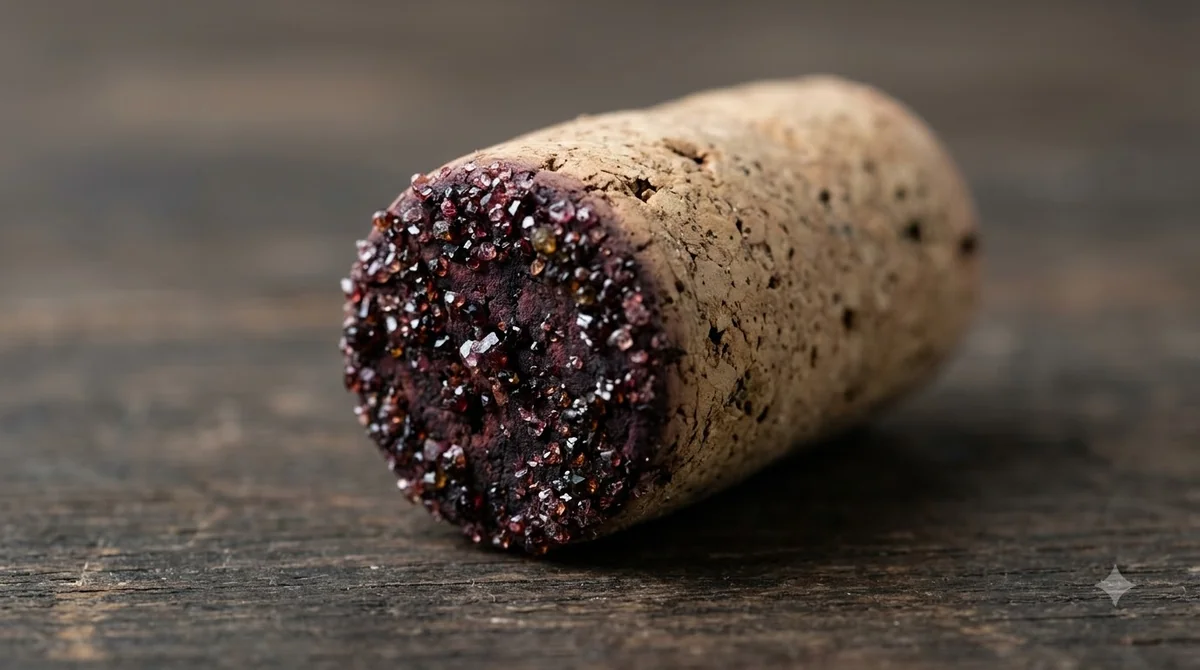
When a bottle is opened, oxygen enters the space above the remaining liquid. That oxygen gradually interacts with the wine, changing its aroma, color, and flavor. Over time, fresh citrus, floral, herbal, and spice notes become less expressive, while stale, flat, or increasingly oxidized characteristics become more noticeable.
Fortification does not eliminate this process. Vermouth generally contains around 16-18% alcohol, whereas many common spirits contain considerably more. The distinction matters because vermouth is still primarily a wine-based drink with botanical flavoring, not simply a spirit infused with herbs.
Wine Enthusiast recommends refrigerating opened vermouth and identifies approximately one month as a good freshness target. Its guidance also explains that a refrigerated bottle may remain usable during its second and third months, although the quality gradually declines.
There is some variation among published recommendations. VinePair emphasizes a relatively short period for peak freshness, while Decanter gives a longer potential refrigerated keeping period of up to three months. These are not necessarily contradictory: the first approach prioritizes the freshest possible flavor, while the second recognizes that properly stored vermouth can remain usable beyond its initial freshness window.
For the best results at home, refrigerate the bottle immediately after pouring and aim to finish it within four weeks. This is a sensible target for both dry and sweet vermouth, especially if you regularly use it in cocktails where subtle changes in the wine can affect the finished drink.
Refrigeration does not make an opened bottle last indefinitely. If a bottle has been open for several months, assess its aroma and taste before using it in a cocktail. A pronounced stale, vinegary, or unpleasantly oxidized character is a good reason to replace it.
How to Store Opened and Unopened Vermouth
Unopened vermouth can generally be kept in a cool, dark storage area, while opened vermouth belongs in the refrigerator. The most important factors are limiting oxygen exposure, avoiding excessive heat, and protecting the bottle from direct sunlight.
For an unopened bottle, a cupboard away from the stove, oven, windows, and other heat sources is usually suitable. Wine Enthusiast recommends storing unopened vermouth away from direct sunlight and at cellar temperatures. A consistently cool storage area is preferable to a location that experiences substantial daily temperature changes.
Once the seal is broken, move the bottle into the refrigerator. Close the original stopper or screw cap firmly after each pour. A loose closure allows more oxygen to enter and can accelerate the decline in aroma and flavor.
The position of the bottle also matters. A screw-cap bottle can normally stand upright. Bottles sealed with a traditional cork are generally best stored upright for short-term refrigerator storage after opening, minimizing prolonged contact between the liquid and the cork. The important priority is a reliable seal.
Another useful consideration is the amount of liquid remaining. A bottle containing one-quarter of its original contents has a much larger air space than a nearly full bottle. More oxygen relative to the remaining vermouth can contribute to faster deterioration.
If you frequently use vermouth but only pour small quantities, transferring the remaining liquid into a smaller, clean, tightly sealed bottle can reduce the amount of air inside the container. Make sure the smaller bottle is suitable for food storage and is thoroughly cleaned before use.
Tip: Keep opened vermouth in the refrigerator, close the bottle immediately after every pour, and write the opening date on the label. Aim to finish it within four weeks for the freshest herbal and wine aromas.
Wine-preservation products can also help reduce oxygen exposure. Vacuum closures and inert-gas systems are options for households that open bottles infrequently. They do not replace refrigeration, but they may help preserve the remaining liquid by limiting its contact with oxygen.
How Long Does Vermouth Last After Opening?
Opened vermouth is best enjoyed within approximately one month when properly sealed and refrigerated. It may remain usable for two or three months, but its original aromas and flavors can become noticeably less expressive during that time.
Different vermouths can change at different rates. A delicate dry white style may show a loss of freshness relatively quickly, while a sweeter red version may retain a more recognizable flavor profile for longer. However, neither style should be treated like an ordinary bottle of whiskey or gin.
The following timeline is a practical household guide rather than a guarantee for every producer or bottle.
| Time after opening | Expected condition | Practical recommendation |
|---|---|---|
| First 1-2 weeks | Fresh aromas and pronounced botanical character | Ideal period for drinking neat or mixing cocktails |
| Weeks 3-4 | Generally good freshness with proper refrigeration | Use confidently if aroma and flavor remain sound |
| Second month | Possible gradual loss of freshness | Assess carefully before serving neat |
| Third month | Greater possibility of oxidation and muted aromas | Evaluate before use; replace if flavor has deteriorated |
| Beyond 3 months | Freshness is increasingly uncertain | Replacement is generally preferable |
The timeline reflects the general guidance from VinePair, Wine Enthusiast, and Decanter. Their recommendations range from approximately one month for preferred freshness to as long as three months under refrigeration. The actual result depends on the vermouth, how frequently the bottle is opened, the quality of its closure, and the amount of air remaining inside.
Do not rely on the calendar alone. Smell the vermouth before pouring it. Fresh examples usually retain recognizable herbal, citrus, floral, spice, or wine-like aromas. If those characteristics have become noticeably dull, the liquid may no longer provide the flavor expected in a quality cocktail.
Also pay attention to changes in taste. Excessive oxidation can produce flat, stale, or vinegary impressions. A Martini made with tired dry vermouth can lose its crisp herbal character, while an old sweet vermouth may make a Manhattan taste less balanced and less aromatic.
One reason freshness matters so much is that vermouth often represents a relatively small proportion of a cocktail. A bartender may use only a modest pour in a Martini or Manhattan, but that ingredient still contributes essential flavor. A small amount of oxidized vermouth can noticeably affect the finished drink.
Serving Vermouth Neat, Over Ice, and in Cocktails
Vermouth can be enjoyed chilled on its own, over ice, or as part of a cocktail. The best serving method depends on its sweetness, botanical character, and intended role in the drink.
Serving vermouth neat
Neat vermouth is a good way to appreciate its individual aromatic profile. Pour a modest amount into a small wine glass or tasting glass, allowing enough room for the aromas to develop. Dry white vermouth can be especially appealing at 45-50°F, while sweet red vermouth generally benefits from a slightly warmer temperature around 55-60°F.
Sweet white vermouth, also known as bianco or blanc, provides another option. It typically has more sweetness than a dry white style but retains herbal and floral characteristics. Serve it cool, then allow it to warm slightly if its botanical aromas seem restrained.
Serving vermouth over ice
Ice is a convenient option for an aperitif. Add vermouth to a short glass with one large ice cube or several smaller cubes. The gradual dilution softens the intensity of the alcohol and sweetness while lowering the drink’s temperature.
A slice of orange works particularly well with sweet red vermouth, while lemon can complement dry white varieties. A splash of soda water or tonic also makes a refreshing longer drink without requiring a complicated cocktail recipe.
Using vermouth in classic cocktails
Vermouth is a central ingredient in several classic cocktails. Dry white vermouth is traditionally used in Martinis, while sweet red vermouth is essential to the traditional Manhattan and Negroni.
A Martini combines gin or vodka with dry vermouth. The amount of vermouth affects the drink’s character: a wetter Martini contains more vermouth, while a drier version contains less. Regardless of the ratio, fresh vermouth is important because its herbal and wine-derived aromas contribute to the drink’s balance.
A Manhattan combines whiskey, sweet vermouth, and bitters. The vermouth contributes sweetness, herbal complexity, and aromatic depth. If the bottle has been oxidized, the cocktail can taste flatter, with less distinction between its whiskey and botanical components.
A Negroni traditionally uses equal parts gin, sweet red vermouth, and Campari. Since vermouth makes up one-third of the drink, its freshness has a meaningful influence on the final result.
For a broader understanding of wine styles and serving choices, explore Wine by Type. The same attention to temperature can help with other wine-based drinks, including whether sangria should be chilled and how sparkling wine should be chilled.
Food Pairings and Common Vermouth Serving Mistakes
Vermouth pairs naturally with salty snacks, seafood, cheese, and cured meats, making it particularly suitable as a pre-dinner drink. Serving it at an appropriate temperature helps maintain the balance between its sweetness, bitterness, and herbal aromas.
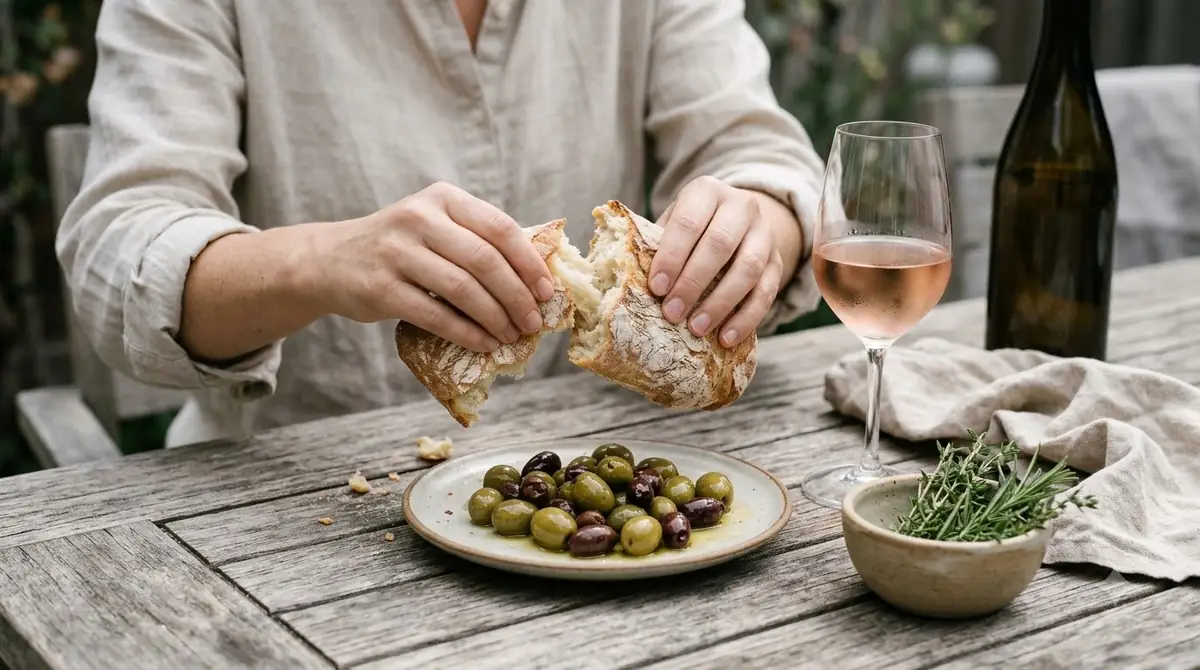
Dry white vermouth is a particularly good match for oysters and shellfish. Its crisp, herbal profile complements the delicate flavors of seafood without the heavier tannins associated with red wine. It can also work with salty appetizers such as olives, anchovies, and lightly seasoned seafood dishes.
Sweet red vermouth is better suited to richer snacks. Try it with salami, cured meats, or charcuterie. The sweetness and bitter botanical notes complement salty, fatty foods, while the drink’s herbal character provides contrast to richer flavors.
White vermouth can also accompany a selection of cheeses. Decanter identifies white vermouth as a good match for many cheeses, with blue cheese being an exception to its general recommendation. For a simple aperitif spread, combine white vermouth with mild or moderately aged cheese, crackers, and olives.
Another option is to follow the Spanish tradition of enjoying vermouth before lunch. A small chilled serving with salted nuts, anchovies, or tapas provides a straightforward way to appreciate the drink without turning it into a full cocktail.
Several mistakes can undermine the experience, even when the vermouth itself is of good quality.
- Leaving an opened bottle on the bar cart: Room-temperature storage encourages faster deterioration than refrigeration. Return the bottle to the refrigerator immediately after pouring.
- Serving every style equally cold: Dry white, rosé, and sweet red vermouth have different aromatic profiles. Adjust the serving temperature rather than treating all bottles identically.
- Assuming fortification prevents oxidation: Vermouth is still wine-based. Its higher alcohol content does not make it immune to oxygen exposure.
- Using an old bottle in an important cocktail: A Manhattan or Martini depends on vermouth for balance. A tired bottle can undermine the entire drink.
- Buying more than you can use: Occasional cocktail drinkers may find a smaller bottle easier to finish while it is still fresh.
Vermouth also deserves the same care as other wines when planning a mixed-drink menu. If you are serving several wine styles at one gathering, consider the different temperature requirements of each bottle. For example, dessert wines such as ice wine benefit from a different serving approach than sweet red vermouth.
For additional guidance on refrigeration and oxidation, VinePair’s explanation of why vermouth needs refrigeration discusses the important difference between wine-based vermouth and spirit-based liqueurs. Decanter also provides useful details about vermouth styles, serving temperatures, and storage.
The simplest approach is to keep vermouth cold after opening, serve it at a temperature appropriate to its style, and use it while its botanical character is still fresh.
Frequently Asked Questions
Can you put vermouth in the freezer?
Vermouth can become very cold in a freezer, but ordinary refrigerator storage is generally more practical for everyday use. A short period in the freezer can chill a serving quickly, although prolonged storage is unnecessary. Keep the bottle properly sealed and avoid leaving it forgotten in the freezer.
Can you drink vermouth straight from the bottle without mixing it?
Yes. Vermouth is a finished aromatized wine and does not need another alcoholic ingredient to be enjoyable. Many styles are traditionally served as aperitifs, either neat or with ice and a citrus garnish. Its herbal and bitter characteristics can make it an interesting alternative to a conventional cocktail.
Is dry vermouth always white?
Dry vermouth is commonly white, but dryness and color are not interchangeable classifications. Sweet white vermouth also exists, and some red vermouths can have relatively dry flavor profiles. The terms describe different aspects of the drink rather than a universal color-based rule.
Why does vermouth sometimes become cloudy after chilling?
Some wine-based products can develop temporary haze or visible deposits when exposed to cold temperatures. Natural wine components, botanical extracts, and other suspended materials can contribute to these changes. Cloudiness alone does not establish that the vermouth has spoiled, so consider its aroma, appearance, storage history, and taste together.
Does vermouth have an expiration date like ordinary wine?
Vermouth does not always have a conventional expiration date printed on its bottle. Its useful drinking life depends on its production, storage conditions, and whether the seal has been broken. The opening date is often a more useful household reference than the original bottling date when judging the freshness of an opened bottle.
Vermouth should be chilled after opening and served cool enough to preserve its refreshing herbal character without suppressing its aromas. Keep unopened bottles in a cool, dark place, refrigerate opened bottles promptly, and aim to finish them within a month for the best flavor. Whether you enjoy a chilled aperitif, a Martini, or a Manhattan, fresh vermouth makes a noticeable difference.
More in Wine Types & Grapes
 Zinfandel Sugar Content: Dry Red vs. White Zinfandel GramsUpdated Nov 21, 2026
 Best Zinfandel Substitute Options for Sipping and CookingUpdated Nov 21, 2026
 Zweigelt Food Pairing: Best Dishes, Cheeses, and Serving TipsUpdated Nov 21, 2026
 Zinfandel Tannins Explained: How Structure Shapes Every BottleUpdated Nov 21, 2026
 Zinfandel Sweetness Level: Dry Red vs. Sweet White Zin ExplainedUpdated Nov 21, 2026
 Xinomavro Food Pairing: Best Dishes, Styles, and Serving TipsUpdated Nov 21, 2026