


We may earn a commission when you buy through links on this page, at no extra cost to you. Learn more.
Port tasting notes usually describe a rich, sweet fortified wine with flavors ranging from blackberry, plum, and chocolate in Ruby Port to dried fig, walnut, caramel, and coffee in Tawny Port. The profile depends on the style and whether the wine matures mainly in bottle or in wood. Most Port is bottled at 19% to 22% alcohol, so a small pour can deliver concentrated aromas and flavors.
Ruby, Tawny, White, and Rosé Port have distinct colors, textures, and serving roles. These tasting cues help identify the style in your glass and match it to food or an occasion.
What Port Is and How It Is Made
Port is a fortified wine made in Portugal’s Douro Demarcated Region. Its sweetness comes from adding grape spirit during fermentation, while grape selection, extraction, blending, and aging determine whether the finished wine tastes youthful and fruit-driven or mature and nutty.
According to the Instituto dos Vinhos do Douro e Porto (IVDP), Port usually contains 19% to 22% alcohol by volume. After crushing, the grapes begin fermenting, but the producer stops the process before all the grape sugar turns into alcohol. Adding grape brandy halts yeast activity, raises the alcohol level, and preserves residual sugar. The IVDP describes a commonly used proportion of one part grape spirit to four parts fermenting must; WSET identifies the traditional fortifying spirit, aguardente, as a local spirit at about 77% alcohol.
The timing of fortification shapes sweetness: earlier addition generally preserves more sugar. The IVDP lists five levels, from extra dry to very sweet; its published sugar bands are under 40 grams per liter for extra dry, 40–65 g/L for dry, 65–90 g/L for semi-dry, 90–130 g/L for sweet, and above 130 g/L for very sweet.
Many Douro vineyards are too steep for easy machine harvesting, so grapes are often hand-picked, according to WSET. Producers extract color, tannin, and flavor through foot-treading in stone lagares or modern mechanical methods. The IVDP places harvest between late August and mid-October, with grape ripeness chosen for the intended style.
The major divide is aging: Ruby preserves deep color and youthful fruit, while Tawny develops through longer wood aging and controlled oxidation. That contrast explains most Port tasting vocabulary. The site’s Wine by Type section gives broader context.
How the Main Port Styles Differ
The four broad styles are Ruby, Tawny, White, and Rosé. Within the red styles, Ruby, Reserve Ruby, LBV, Vintage, and Crusted emphasize fruit and structure; Tawny, Reserve Tawny, age-indicated Tawny, and Colheita emphasize wood-aged character.
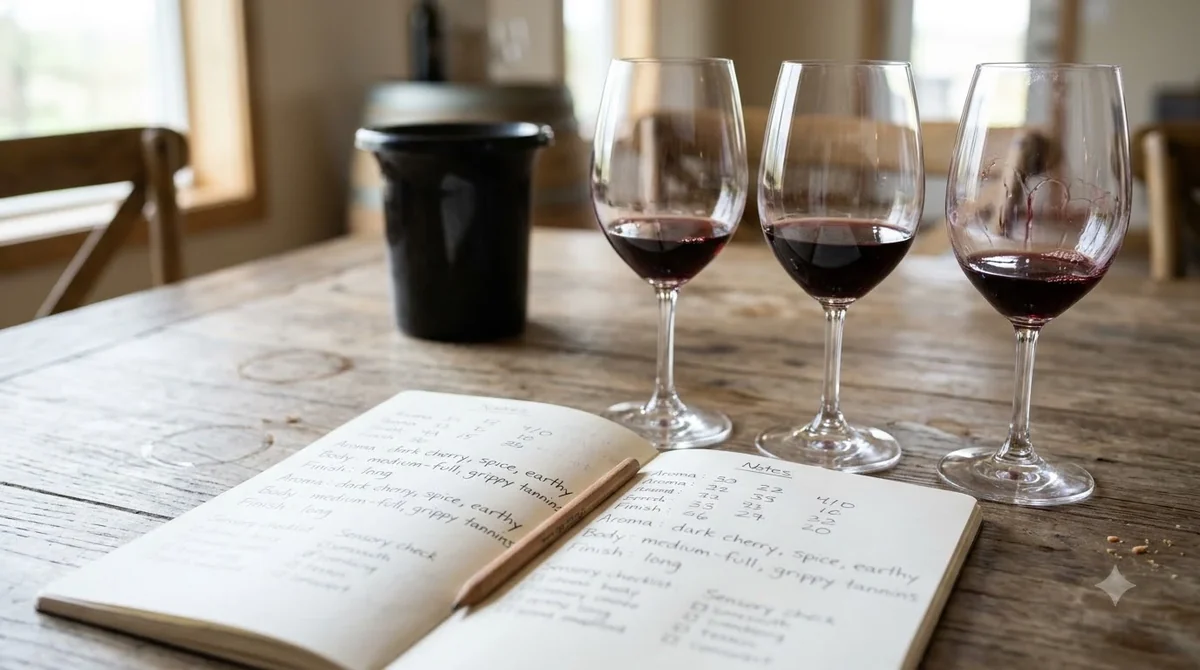
Ruby Port is generally a blend of wines from more than one harvest, bottled young to retain freshness. Expect deep ruby color, cherry, blackberry, plum, dark chocolate, and a sweet, warming finish. Reserve Ruby is usually richer and more intense but remains fruit-focused.
Late Bottled Vintage (LBV) comes from one harvest and is bottled four to six years later, according to Decanter’s guide to Port styles. It offers concentrated dark berries, plum preserve, cocoa, and firm structure. Filtered LBV is ready to drink and usually needs no decanting; unfiltered LBV can contain sediment and may be more structured.
Vintage Port is made when a producer selects an exceptional harvest and the wine receives IVDP approval. Young examples can be nearly opaque purple, with blackberry, black cherry, plum, dark chocolate, and firm tannin. With age, fresh fruit can move toward dried fruit, leather, spice, cedar, and tobacco; fine examples evolve for decades.
Crusted Port is a blend that forms a sediment deposit, or “crust,” in bottle. It offers dark-fruit concentration and firm structure without being tied to one harvest. Let the deposit settle and decant carefully; the bottling date is not a harvest declaration.
Choose Ruby for direct berry and chocolate notes, LBV for greater concentration without a long wait, and Vintage for firm structure and bottle aging. Producer and harvest shape the details, but the category sets a useful expectation.
Ruby Port Tasting Notes: Fruit, Chocolate, and Tannin
Ruby Port usually leads with ripe red and black fruit, followed by chocolate, spice, and a warming spirit note. The texture is often full and plush, while acidity and tannin help keep its sweetness from seeming flat, particularly in LBV and Vintage bottlings.
Look for cherry, raspberry preserve, blackberry, blackcurrant, and ripe plum. Younger Ruby often emphasizes juicy fruit; Reserve Ruby can add blackberry jam, cocoa, licorice, and baking spice. WSET characterizes Ruby’s general profile as red and black fruit with chocolate, though floral and herbal notes may also appear.
Sweetness remains noticeable through the finish, while alcohol creates warmth and concentrated fruit gives weight. Tannin is more apparent in structured LBV and Vintage than in basic Ruby. Young Vintage can feel compact and grippy, with a dry impression from tannin despite its residual sugar.
With bottle age, purple color can shift toward garnet or brick, while fresh berry aromas develop into dried cherry, fig, leather, spice, and earth. Tannins soften, but mature bottles can retain structure. Sediment is normal: stand the bottle upright before opening, then pour slowly or decant.
Describe fruit, structure, and finish rather than simply calling the wine sweet. For example: “Opaque ruby; blackberry, black cherry, plum preserve, and cocoa; full-bodied with firm tannin and a long, warming finish.”
Tawny Port Tasting Notes: Dried Fruit, Nuts, and Caramel
Tawny Port is shaped by time in wood, where gradual oxidation moves the color from ruby toward amber and develops dried-fruit, nut, caramel, and coffee aromas. Compared with young Ruby, the palate is often more mellow and savory, with less emphasis on fresh berry fruit.
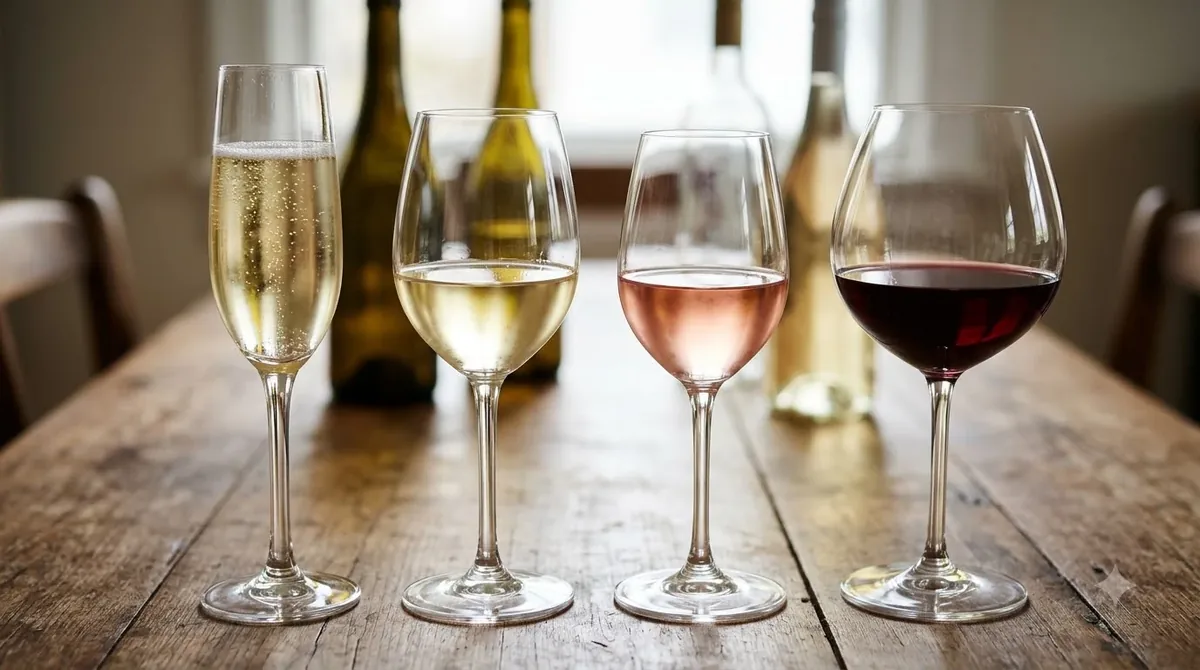
Younger Tawny can be reddish amber, while older examples may appear copper, mahogany, or golden brown. Aromas include toasted walnut, hazelnut, almond, dried fig, date, raisin, orange peel, caramel, butterscotch, coffee, and spice. Mature examples can add leather, tobacco, or polished wood as the wine ages in small casks with controlled oxygen exposure.
Look for balance between sweetness, acidity, and nutty oxidative flavors. Tawny often feels smoother than a powerful young Vintage, with dried apricot, orange marmalade, walnut, toffee, and coffee on the finish. Acidity and mature fruit keep the wine from tasting only of sugar or wood.
Age-indicated Tawny labels commonly show 10, 20, 30, or 40 years. These figures indicate an approved approximate age and style, not the exact age of every wine in the blend. A 10-Year-Old often shows brighter dried fruit and caramel; a 20-Year-Old commonly adds nut, orange peel, and spice, while older versions can show concentrated wood and coffee notes.
Colheita is a Tawny-style Port from one harvest, matured in wood before bottling. The label identifies both harvest and bottling years; the second date matters because the wine develops its mature character in cask, not through further bottle aging. Expect dried fruit, nuts, caramel, and spice with a single-vintage signature.
Compare a 10-Year-Old and 20-Year-Old side by side to see how nut and spice notes become more layered. The site’s tawny port tasting notes add more vocabulary for wood-aged aromas.
White and Rosé Port Tasting Notes
White Port ranges from dry to very sweet and can be citrus-led and fresh or rich and honeyed, depending on sweetness and aging. Rosé Port is generally lighter and fruit-forward, with strawberry and raspberry at the center of its profile.
White Port is made from white Douro grapes. Young, unoaked examples may show lemon peel, pear, apple, white flowers, almond, and fresh herbs. Dry versions can feel brisk and savory; sweeter wines suggest ripe stone fruit, honey, and candied citrus. Wood-aged White Port turns deeper gold and can develop toasted nuts, dried fruit, and caramel.
The IVDP lists White Port from extra dry to very sweet, depending on when fermentation is stopped. Dry White Port works as an aperitif or in a Portonic with tonic water, ice, and lemon; sweeter versions suit fruit desserts or blue cheese. Mature examples may show honey, roasted nuts, dried orange, and a rounder texture.
Rosé Port is made with black grapes but receives limited skin contact, giving it a pink hue. Expect strawberry, raspberry, red cherry, and floral notes, with light sweetness and a refreshing finish. It is commonly served very cold or over ice, either on its own or in a mixed drink.
White Port is not always dry, and Rosé is not always low in sweetness. Assess sugar, acidity, and alcohol together: a dry White should refresh the palate, while a sweet White needs enough freshness to avoid a heavy finish.
How to Taste, Serve, and Pair Port
Compare Port styles at the right temperatures in a glass that gathers aromas. Taste from lighter, drier expressions toward richer and more mature wines, keeping each pour modest.
View the wine against a white background and note its color and any sediment. Swirl gently, then sort the aromas into fruit, flowers or herbs, spice, chocolate, nuts, caramel, and wood. On the palate, assess sweetness, acidity, tannin, alcohol warmth, body, and finish. A small sip is enough to follow the wine from first impression to aftertaste.
The IVDP recommends 39°F for Rosé, 43–50°F for White, 54–61°F for Ruby, and 50–57°F for Tawny. Cool service preserves freshness and keeps alcohol from dominating. Use a tulip-shaped glass, stand Vintage Port upright before opening, and decant carefully to remove sediment. Filtered LBV usually needs less intervention than unfiltered LBV or Crusted Port.
| Port style | Serving temperature | Typical tasting focus | IVDP suggested time after opening |
|---|---|---|---|
| Rosé | 39°F (4°C) | Strawberry, raspberry, floral notes | Not specified |
| White | 43–50°F (6–10°C) | Citrus, pear, almond; varies with sweetness | 8–10 days for modern fresh styles |
| Ruby | 54–61°F (12–16°C) | Cherry, blackberry, plum, chocolate | 8–10 days |
| LBV | 54–61°F (12–16°C) | Concentrated dark fruit, cocoa, spice | 4–5 days |
| Vintage | 54–61°F (12–16°C) | Dark fruit young; dried fruit and leather with age | 1–2 days |
| Tawny / Tawny Reserve | 50–57°F (10–14°C) | Walnut, dried fig, caramel, coffee | 3–4 weeks |
| Age-indicated Tawny / Colheita | 50–57°F (10–14°C) | Orange peel, nuts, dried fruit, spice | 1–4 months; younger examples earlier |
These are IVDP guidelines, not a guarantee that every bottle will remain unchanged. Close the bottle securely and refrigerate it. The institute suggests 8–10 days for modern White Port and 15–20 days for traditional wood-matured White Port; aged White Port and Colheita have longer suggested windows.
Food pairings that respect sweetness and structure
For dessert, Port should be at least as sweet as the food. Ruby, LBV, and Vintage pair with dark chocolate, chocolate mousse, berry tart, and blue cheese. The IVDP suggests cakes and chocolate mousse with youthful LBV or Vintage, and creamy mild cheeses with Ruby Reserve or LBV. Salt can soften tannin and emphasize dark fruit.
Tawny’s walnut, fig, caramel, and orange notes suit pecan pie, almond tart, crème caramel, dried fruit, and aged cheese. The IVDP recommends 10-Year-Old Tawny with caramel custard or almond tart, and 20-Year-Old with stronger cheeses. Dry White Port works with toasted almonds or smoked salmon; fresher styles also suit salads and seafood. See the IVDP’s Port serving and pairing guidance for more combinations.
Ruby and LBV complement roast meat, steak, and rich sauces; aged Tawny can suit game or slow-cooked beef. Avoid very hot chili because alcohol can intensify the heat. With oily fish, choose fresh White Port rather than a tannic red. Acidic food needs equal or higher wine acidity, while salt and fat soften tannin.
Tip: For a useful home comparison, pour a Ruby, a 10-Year-Old Tawny, and a dry White Port side by side. Use the recommended serving temperatures, write down the first three aromas you notice in each, and compare how sweetness, acidity, and alcohol change the finish.
For broader tasting vocabulary, compare the dark-fruit and tannin language in grenache tasting notes with Ruby Port’s sweetness and spirit warmth.
Frequently Asked Questions
These answers clarify label and cellar details that are easy to miss when comparing bottles. Each adds a practical distinction beyond the tasting profiles above.
Does Port have to come from the city of Porto?
No. The grapes must come from the Douro Demarcated Region, inland from the coastal city of Porto. Vila Nova de Gaia, across the Douro River from Porto, is historically important for the lodges where many Port houses mature and store their wines.
What does “single quinta” mean on a Vintage Port label?
A quinta is an estate or vineyard property. Single-Quinta Vintage Port comes from one estate rather than a broader blend of selected sites, so tasting different bottlings can show how one property expresses different harvests.
When is a Vintage Port submitted for approval?
Decanter explains that submission to the IVDP can take place between January 1 and September 30 in the second year after harvest. The approval process is separate from the producer’s decision to declare a vintage, which is made selectively rather than every year.
What does “bottle-matured LBV” mean?
Decanter describes bottle-matured LBV as a wine kept in bottle for at least three years before release. That extra bottle time gives it more developed character than an LBV released soon after its four-to-six-year cask period.
Can Vintage Port go through a closed phase?
Yes. Decanter describes young Vintage Port as sometimes shutting down for a period of roughly 10 to 20 years before its mature aromas and balance emerge. This is one reason a powerful young bottle may not show its full complexity soon after release.
Port tasting notes become easier to understand once you identify the aging style first: Ruby preserves dark fruit and structure, while Tawny develops dried-fruit, nut, and caramel complexity in wood. White and Rosé broaden the range with fresher expressions, making Port flexible for aperitifs, meals, and desserts as well as after-dinner sipping.
More in Wine Types & Grapes
 What Does Mourvèdre Taste Like? Flavor Profile, Regions, and PairingsUpdated Nov 20, 2026
 What Does Marsanne Taste Like? Flavors, Styles, and Food PairingsUpdated Nov 20, 2026
 What Does Malvasia Taste Like? Styles, Flavors, and Food PairingsUpdated Nov 20, 2026
 What Does Grenache Blanc Taste Like? Flavor Profile, Styles, and PairingsUpdated Nov 20, 2026
 What Does Garnacha Taste Like? Key Flavors, Styles, and Pairing TipsUpdated Nov 20, 2026
 What Does Fruit Wine Taste Like? A Complete Flavor and Style BreakdownUpdated Nov 20, 2026