

We may earn a commission when you buy through links on this page, at no extra cost to you. Learn more.
The pinot noir sweetness level is typically dry, meaning most Pinot Noir contains very little residual sugar rather than noticeable sweetness. Its cherry, raspberry, strawberry, and plum flavors can create a juicy impression that some drinkers mistake for sugar. However, fruitiness and sweetness are different characteristics, and understanding that distinction makes choosing a Pinot Noir much easier.
Pinot Noir is one of the most approachable red wine varieties for people who enjoy bright fruit flavors without the heavy sweetness of dessert wines. It is traditionally made as a dry red, although differences in climate, ripeness, fermentation, and winemaking can influence how sweet an individual bottle seems. From earthy Burgundy wines to ripe California examples, the grape offers several interpretations of the same basic dry style.
Is Pinot Noir Sweet or Dry?
Most Pinot Noir is dry red wine, with fermentation converting nearly all the grape’s available sugar into alcohol. Its natural acidity and moderate tannins help create a balanced taste rather than the sugary sensation associated with sweet wines.
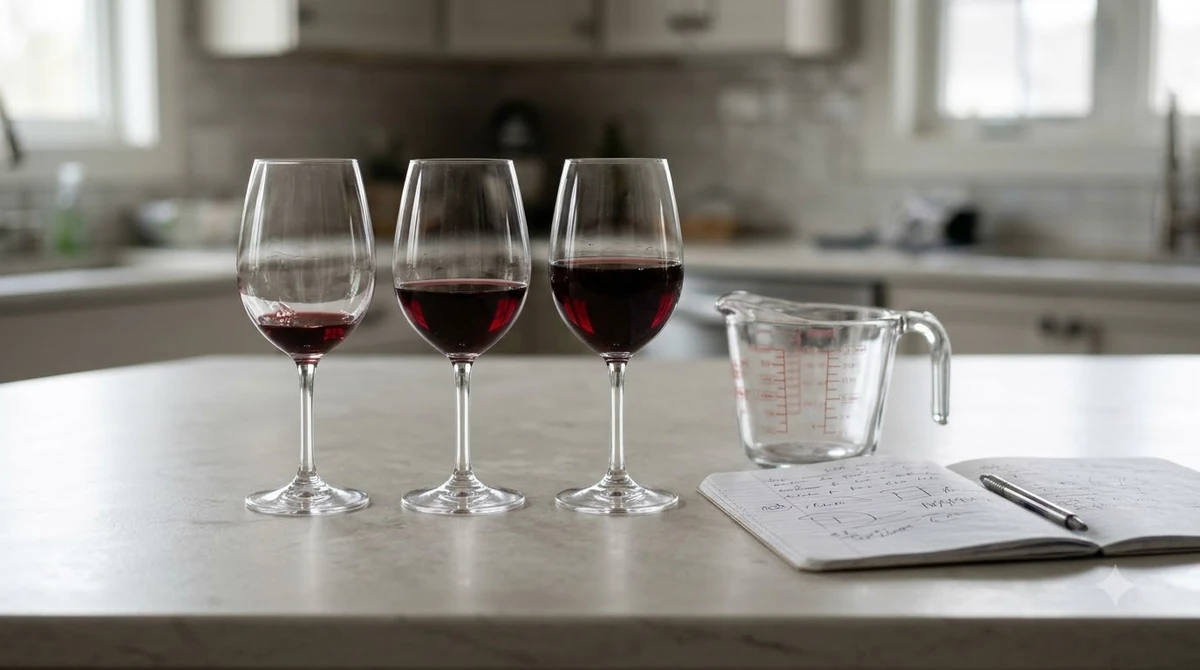
Dryness refers to the amount of residual sugar remaining after fermentation. Residual sugar is the grape sugar that remains in the finished wine rather than being converted into alcohol by yeast. A wine can smell intensely of ripe fruit and still have very little residual sugar. This distinction is particularly important with Pinot Noir because its aromatic profile often includes strawberries, raspberries, cherries, and other naturally sweet-smelling fruits.
When someone describes Pinot Noir as sweet, they may actually be responding to its fruity aromas, soft texture, or relatively gentle tannins. These characteristics can make the wine feel rounder and more approachable than a strongly tannic Cabernet Sauvignon. However, a smooth mouthfeel does not automatically indicate that sugar has been added or retained.
Most conventional Pinot Noir wines are intended to accompany meals rather than function as dessert wines. Their dry finish helps balance roasted meats, poultry, mushrooms, and savory sauces. Even a particularly ripe, fruit-forward bottle will generally finish with more freshness than a genuinely sweet red wine.
There are exceptions. Some commercial producers make softer, sweeter-tasting Pinot Noir styles, and certain bottlings retain more residual sugar than traditional dry examples. Sweetness can also be influenced by blending and winemaking decisions. Nevertheless, dry remains the typical answer when someone asks whether Pinot Noir is sweet.
Fruitiness Versus Actual Wine Sweetness
Pinot Noir can taste juicy and fruit-forward without containing much sugar because aroma, acidity, alcohol, and tannin all influence how the palate interprets a wine. Recognizing these separate sensations helps explain why two people can describe the same bottle differently.
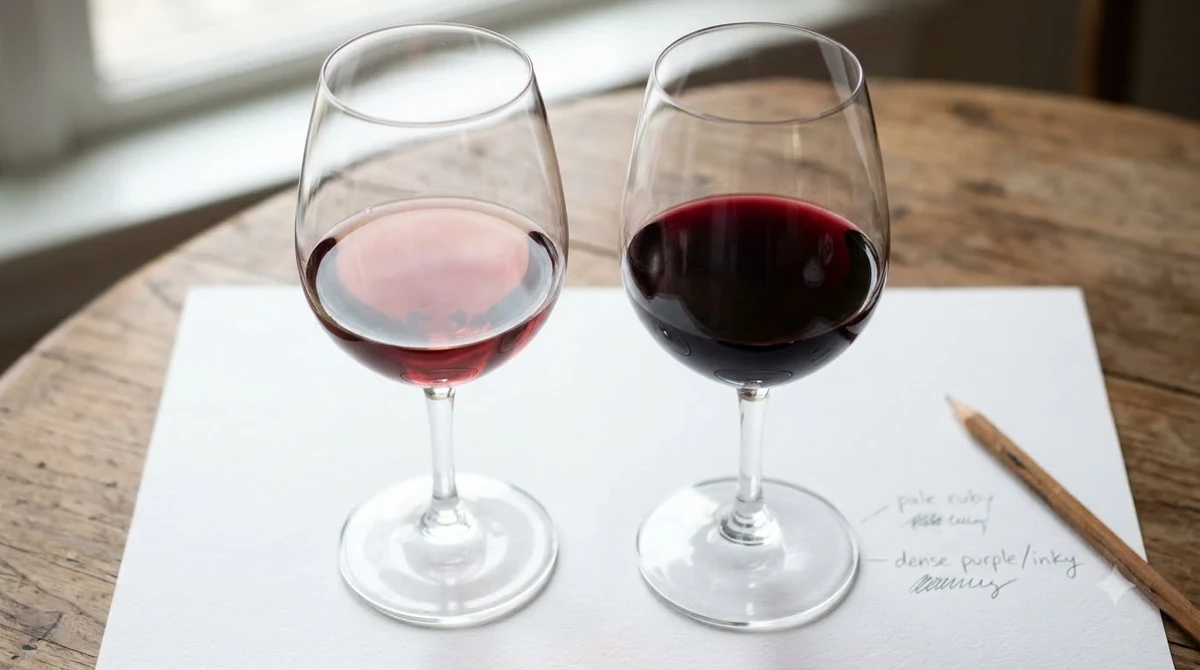
Consider the difference between smelling a fresh strawberry and tasting a spoonful of strawberry syrup. Both have recognizable strawberry characteristics, but the syrup delivers considerably more sugar. Pinot Noir often resembles the fresh-fruit experience: its aromas suggest ripe berries, while its actual taste remains predominantly dry.
Several common flavor characteristics contribute to this impression:
- Cherry: Ripe red cherries can suggest sweetness, particularly in wines with concentrated fruit aromas.
- Strawberry: Fresh and sometimes jammy strawberry notes create an impression of juicy fruit.
- Raspberry: Raspberries contribute a combination of ripe-fruit aromas and refreshing tartness.
- Plum: Darker, riper plum characteristics can make a wine seem rounder and richer.
- Vanilla: Oak aging can introduce vanilla aromas that some people associate with sweet flavors.
Acidity is another important part of the experience. Pinot Noir generally has medium-high to high acidity, which produces a mouthwatering sensation and prevents ripe fruit flavors from becoming excessively heavy. A wine with pronounced cherry aromas and refreshing acidity can therefore taste both fruity and dry.
Tannin also affects perception. Tannins create a drying, sometimes slightly rough sensation in the mouth. Pinot Noir usually has relatively low to medium tannins compared with Cabernet Sauvignon or Syrah. Its softer structure can make the wine seem smoother and rounder, which some drinkers interpret as sweetness.
Alcohol contributes another layer of complexity. A wine with moderate alcohol can produce a warming sensation and emphasize ripe fruit impressions. However, alcohol is not the same as residual sugar, and a wine that feels full or warm is not necessarily sweet.
A useful way to evaluate a glass is to separate three observations. First, consider whether the aromas suggest ripe or fresh fruit. Second, notice whether the wine makes your mouth water. Finally, pay attention to whether a sugary sensation remains after swallowing. The last characteristic is more relevant to judging actual sweetness.
How Winemaking Influences Pinot Noir Sweetness
Winemaking determines how much grape sugar remains in the finished bottle, while fermentation and aging influence the flavors that can make Pinot Noir seem sweeter or drier. Understanding these processes explains why wines made from the same grape can have noticeably different profiles.
During fermentation, yeast consumes grape sugar and produces alcohol and carbon dioxide. In a conventional dry Pinot Noir, fermentation continues until most fermentable sugar has been consumed. The resulting wine has a dry finish, even if the original grapes were particularly ripe and full of sugar.
Winemakers can influence the final result by controlling fermentation conditions. Temperature, yeast selection, fermentation duration, and decisions about when to stop fermentation all contribute to the finished wine’s character. Stopping fermentation while substantial sugar remains can produce a sweeter wine, although this is not the traditional approach for most still Pinot Noir.
Residual sugar and fermentation
Residual sugar is measured in grams per liter (g/L). A useful practical reference is that dry wines commonly contain approximately 0-4 g/L, although sweetness perception also depends on acidity and other structural characteristics. This is a general guide rather than a universal legal definition for every wine-producing country.
For Pinot Noir, a small amount of remaining sugar may be difficult to notice when the wine has lively acidity. Conversely, a wine with pronounced fruit aromas and relatively soft acidity may seem sweeter even when its sugar content is low.
Oak aging and fruit ripeness
Oak aging can introduce aromas of vanilla, baking spice, toast, and smoke. These characteristics may give the impression of sweetness without adding residual sugar. Barrel aging can also influence texture and complexity, making some Pinot Noir wines feel fuller and more rounded.
Ripeness matters as well. Grapes harvested at greater maturity can develop concentrated fruit characteristics that carry through fermentation. A warmer growing season may produce a riper flavor profile, while cooler conditions often preserve brighter acidity and fresher fruit characteristics.
These decisions explain why two dry Pinot Noir wines can taste quite different. One may feature crisp cranberry and tart cherry, while another offers ripe strawberry, dark cherry, and vanilla. Both can still belong to the same broad dry category.
How Pinot Noir Sweetness and Flavor Differ by Region
Pinot Noir’s sweetness impression often changes with growing conditions and regional winemaking traditions. Burgundy, Oregon, and California provide useful examples of how climate and style can influence fruit ripeness, acidity, and perceived sweetness.
Burgundy, France
Burgundy is the traditional home of Pinot Noir and an important reference point for its classic dry expression. Wines from areas such as Gevrey-Chambertin and Chambolle-Musigny can display red cherry, raspberry, floral, mineral, and earthy characteristics.
These wines often emphasize freshness, structure, and a clear expression of vineyard origin rather than overtly sweet fruit. Mushroom, forest floor, and subtle spice notes may become more noticeable with bottle age. Their relatively restrained fruit presentation can make them seem less sweet than richer examples from warmer regions.
Willamette Valley, Oregon
Oregon’s Willamette Valley is recognized for cool-climate Pinot Noir with lively acidity and prominent red-fruit flavors. Cranberry, raspberry, cherry, and herbal characteristics are common reference points for this regional style.
These wines generally maintain a dry profile while offering enough fruit intensity to appeal to drinkers who prefer a juicy red. The combination of bright acidity and moderate tannins often creates a balanced finish rather than an obviously sweet sensation.
California
California Pinot Noir covers a wide range of styles because its growing regions differ in temperature, elevation, coastal influence, and vineyard conditions. Russian River Valley, Anderson Valley, and the Central Coast are useful starting points for exploring these differences.
Warmer vineyard locations can produce riper fruit characteristics, including strawberry preserves, dark cherry, and plum. Some California bottlings also use oak aging to introduce vanilla and baking spice. These elements can make the wine seem richer and sweeter, even when the actual residual sugar remains low.
California Pinot Noir should not automatically be considered sweeter than Burgundy or Oregon Pinot Noir. Producer choices and individual vineyard conditions matter considerably. A cooler California vineyard can produce a fresh, restrained style, while a ripe Oregon bottling can offer concentrated fruit.
New Zealand
New Zealand also produces distinctive Pinot Noir, particularly in regions such as Central Otago and Marlborough. Central Otago wines are often associated with expressive cherry and plum characteristics, while Marlborough examples can show bright red fruit and herbal notes.
These wines are generally made in a dry style. Their fruit intensity may create a sweet impression, but acidity and savory characteristics frequently keep the finish refreshing.
For additional regional tasting descriptions and grape characteristics, the Wine.com Pinot Noir overview provides useful comparisons of Burgundy, Oregon, New Zealand, and California examples.
How to Identify a Sweeter-Tasting Pinot Noir
Choosing Pinot Noir by sweetness preference requires looking beyond the grape name. The region, producer’s style, alcohol level, flavor description, and technical information can all provide clues about how the wine is likely to taste.
Start by identifying the type of fruit profile you prefer. If you enjoy crisp and refreshing red wines, look for descriptions featuring cranberry, sour cherry, raspberry, fresh strawberry, and earthy notes. These terms often indicate a brighter style rather than an overtly sweet one.
If you prefer a softer, richer impression, look for descriptors such as ripe black cherry, plum, jammy strawberry, vanilla, and baking spice. These descriptions suggest a more generous fruit profile, although they do not establish the actual sugar content.
Understanding alcohol levels
Alcohol by volume, abbreviated ABV, measures the proportion of alcohol in a wine. Wine.com’s general Pinot Noir profile gives a typical range of approximately 12-14% ABV.
Within that range, a higher alcohol level can sometimes accompany riper fruit and a fuller impression. However, ABV is not a direct sweetness measurement. A Pinot Noir at 14% ABV can be completely dry, while a lower-alcohol wine can retain noticeable sugar.
Reading technical information
Some producers publish technical sheets that include residual sugar, total acidity, alcohol, and fermentation information. Residual sugar is the most direct measurement for evaluating sweetness, while acidity helps explain how the wine may taste in practice.
When a technical sheet lists residual sugar in grams per liter, the following table provides a general reference for interpreting dry and sweeter styles. These ranges are practical guides, not universal regulatory classifications.
| Residual sugar | General sweetness description | Typical impression |
|---|---|---|
| 0-4 g/L | Dry | Little noticeable sugary sweetness |
| 5-12 g/L | Off-dry range | Possible gentle sweetness, depending on acidity |
| 13-45 g/L | Sweet | Noticeable sugary character |
| Above 45 g/L | Very sweet | Pronounced dessert-wine sweetness |
Acidity can change how these numbers translate into taste. For example, a wine with 8 g/L of residual sugar and lively acidity may taste less sweet than another wine with the same sugar content and softer acidity. The table should therefore be used as a starting point rather than a substitute for tasting.
For a straightforward dry Pinot Noir, prioritize descriptions of freshness, bright acidity, red berries, and savory complexity. For a fruitier experience, choose a bottle described as ripe, plush, or concentrated, while remembering that these terms do not guarantee actual sweetness.
Tip: If you enjoy fruit-forward wines but dislike sugary finishes, look for Pinot Noir with ripe cherry or strawberry aromas and a fresh, balanced finish. These characteristics can deliver plenty of fruit flavor without requiring substantial residual sugar.
Serving Pinot Noir and Pairing It With Food
Serving Pinot Noir slightly chilled helps preserve its delicate aromas and refreshing acidity. Its moderate tannins and dry character also make it particularly versatile with poultry, pork, salmon, mushrooms, and other savory dishes.
For most light- to medium-bodied Pinot Noir, a serving temperature of 55-60 F is a good starting point. This is cooler than typical room temperature but warmer than refrigerator temperature. A bottle stored at room temperature can benefit from approximately 20-30 minutes in the refrigerator before serving, depending on its starting temperature.
Temperature affects the way sweetness and fruit flavors are perceived. Serving Pinot Noir too warm can make the alcohol seem more prominent and the wine feel heavier. Serving it excessively cold can suppress delicate aromas and make its acidity seem sharper. A moderate chill allows its fruit, acidity, and earthy characteristics to remain balanced.
Best foods for dry Pinot Noir
Pinot Noir’s relatively high acidity and low-to-medium tannins make it a natural companion for dishes that need a red wine with freshness rather than powerful structure.
- Roasted turkey: Red cherry and cranberry characteristics complement the savory flavor of roasted poultry.
- Duck breast: Acidity balances the richness of duck, while the wine’s fruit and earthy notes complement the meat.
- Roasted pork: Pork tenderloin and herb-roasted pork work particularly well with lighter Pinot Noir.
- Grilled salmon: Pinot Noir is one of the red wines that can complement salmon, especially when prepared simply with herbs.
- Mushroom risotto: Earthy mushroom flavors complement the savory characteristics often found in Burgundy-style Pinot Noir.
- Roasted chicken: The wine’s moderate tannins avoid overwhelming the delicate flavors of chicken.
- Soft cheeses: Brie and similar cheeses can complement Pinot Noir’s fresh fruit and gentle structure.
Food preparation still matters. Rich sauces, herbs, spices, and cooking methods can change the balance of a pairing. Highly acidic dishes need a wine with comparable or higher acidity, while salt and fat can soften the perception of tannin.
Sweet foods require additional attention. If serving Pinot Noir with dessert, the dessert should generally be no sweeter than the wine. Otherwise, the wine may taste sour, thin, or unusually bitter. A dry Pinot Noir is usually better suited to savory courses and mildly sweet accompaniments than very sugary desserts.
Glassware and pouring
A large-bowled red wine glass with a slightly narrower opening is a useful choice for Pinot Noir. The shape provides room for aromas to develop while directing them toward the nose. This is particularly helpful with wines that feature delicate floral, berry, and earthy notes.
A standard wine pour is approximately 5 ounces. A 750 ml bottle therefore provides about five standard glasses, making it a practical size for a small dinner gathering.
Many young Pinot Noir wines can benefit from approximately 30 minutes of aeration. However, delicate older bottles may lose some of their subtle aromas if exposed to too much air. Decanting should therefore depend on the wine’s age and structure rather than being treated as a requirement for every bottle.
Pinot Noir Compared With Other Wine Sweetness Levels
Pinot Noir generally belongs to the dry red wine category, while other popular varieties can differ considerably in acidity, tannin, and perceived fruitiness. Comparing these characteristics helps clarify where Pinot Noir fits among familiar wine styles.
Pinot Noir versus Cabernet Sauvignon: Both are commonly made as dry red wines, but Cabernet Sauvignon generally has much higher tannins and a fuller body. Pinot Noir tends to feel lighter, softer, and more aromatic. Neither variety is inherently sweeter simply because one tastes smoother than the other.
Pinot Noir versus Merlot: Merlot generally has medium tannins and a softer structure than Cabernet Sauvignon. It can show ripe plum, blackberry, and cherry characteristics. Pinot Noir is usually lighter in body and has higher acidity, while Merlot can feel rounder and more generous.
Pinot Noir versus Pinot Grigio: Despite the similar names, these wines have different typical presentations. Pinot Grigio is usually a dry white wine with fresh citrus, pear, and apple characteristics. Some versions are made in fruitier styles, but dry remains common. Understanding the pinot grigio sweetness level provides a useful comparison for drinkers choosing between these two varieties.
Pinot Noir versus Moscato: Moscato is often produced in noticeably sweet styles, with floral aromas and flavors of peach, orange blossom, and grape. It usually has lower to medium acidity compared with the bright acidity associated with Pinot Noir. For someone who wants an unmistakably sweet wine, Moscato is generally a more appropriate starting point.
Pinot Noir versus Riesling: Riesling can range from bone-dry to very sweet, depending on its production style. It generally has high acidity, which helps balance residual sugar in sweeter examples. Pinot Noir, by contrast, is predominantly a dry red wine.
These comparisons also show why fruit intensity should not be used as a shortcut for judging sugar. Pinot Noir may have an expressive cherry profile, Cabernet Sauvignon can taste like ripe blackcurrants, and Merlot can suggest plums, yet all three can be made as dry wines.
For readers exploring different varieties, the Wine by Type collection offers a useful starting point for understanding how grape varieties differ in sweetness, acidity, body, and tannin.
Storage and bottle condition matter when choosing a wine as well. Pinot Noir is often appreciated for its delicate aromas, so preserving its quality before opening is important. The guide to how long does pinot noir last unopened explains the factors that influence storage life, including temperature, light, and closure.
Frequently Asked Questions
Does Pinot Noir contain added sugar?
Most traditional dry Pinot Noir does not require added sugar to achieve its characteristic fruit profile. Some winemaking regions permit specific sweetening or adjustment practices under applicable rules, but these are not necessary for producing a conventional dry Pinot Noir. A producer’s technical information can help clarify the production method for an individual bottle.
Is Pinot Noir suitable for someone who dislikes sweet wine?
Yes. Traditional dry Pinot Noir is generally a good option for someone who prefers wines without noticeable sugary sweetness. Look for bottles emphasizing fresh cranberry, sour cherry, earthy notes, and a dry finish. These characteristics are commonly associated with classic Burgundy and cool-climate Pinot Noir styles.
Is Pinot Noir rosé always dry?
No. Pinot Noir rosé can be made in dry, off-dry, or sweeter styles depending on the producer and intended wine style. Its pink color comes from limited contact with grape skins rather than being an indicator of sugar content. Dry rosé often features strawberry, watermelon, citrus, and refreshing acidity.
Can Pinot Noir be used to make sparkling wine?
Yes. Pinot Noir is one of the principal grapes used in Champagne production, alongside Chardonnay and Pinot Meunier. It contributes structure, red-fruit characteristics, and body to sparkling blends. The finished sparkling wine’s sweetness is determined by its production and dosage, not simply by the grape variety.
Does an older Pinot Noir become sweeter with age?
Not necessarily. Bottle aging does not normally create additional residual sugar or turn a dry Pinot Noir into a sweet wine. Instead, youthful fruit aromas can become more subtle while earthy, mushroom, leather, and dried-fruit characteristics develop. These changes may alter the impression of the wine without changing its underlying sweetness classification.
Pinot Noir is predominantly a dry red wine, but its expressive cherry, raspberry, and strawberry flavors can make it seem sweeter than it actually is. For the best match, consider residual sugar alongside acidity, fruit character, regional style, and food pairing. Whether you choose earthy Burgundy, bright Oregon Pinot Noir, or a ripe California example, understanding these differences makes it easier to find a bottle that matches your preferred taste.
More in Wine Types & Grapes
 Zinfandel Sugar Content: Dry Red vs. White Zinfandel GramsUpdated Nov 21, 2026
 Best Zinfandel Substitute Options for Sipping and CookingUpdated Nov 21, 2026
 Zweigelt Food Pairing: Best Dishes, Cheeses, and Serving TipsUpdated Nov 21, 2026
 Zinfandel Tannins Explained: How Structure Shapes Every BottleUpdated Nov 21, 2026
 Zinfandel Sweetness Level: Dry Red vs. Sweet White Zin ExplainedUpdated Nov 21, 2026
 Xinomavro Food Pairing: Best Dishes, Styles, and Serving TipsUpdated Nov 21, 2026