

We may earn a commission when you buy through links on this page, at no extra cost to you. Learn more.
Orvieto wine is a white wine from the hilltop town of Orvieto in central Italy, where Grechetto and Trebbiano blend into a dry, light-bodied wine with fresh citrus and stone fruit notes. Most bottles you see today are dry, though small amounts of sweeter styles still exist. The wine sits under the Orvieto DOC, which covers part of Umbria and extends into Lazio.
Orvieto is one of those Italian names that shows up on restaurant lists and wine shop shelves without much explanation. This guide covers where the wine comes from, which grapes go into it, how the dry and sweet styles differ, and how to serve and pair it at home.
What Orvieto wine is
Orvieto is a white wine named after the town that sits on a volcanic rock plateau in southwestern Umbria. The wine is made from a blend of local white grapes, and its reputation rests on that blend rather than on one famous variety. Because the grapes are traditionally grown on tufa and volcanic soils, many producers describe the wine as fresh and mineral, with a clean finish that makes it easy to drink with food.
Orvieto is also one of the best-known wines to come out of Umbria, a region that lies between Tuscany and Lazio and is often overshadowed by its neighbor. For many travelers, a bottle of Orvieto is the first local wine they taste.
Where Orvieto wine comes from
The Orvieto DOC is an Italian wine zone that spans Umbria and Lazio and is centered on the comune of Orvieto. According to the zone’s description on Wikipedia, it lies mainly in the province of Terni in southwestern Umbria, extends south into the province of Viterbo in Lazio, and reaches north toward the border with the province of Perugia.
The classic growing area includes the tufa and limestone hills around the town. Those hills have a long winemaking history. The Etruscans carved cellars and caves out of the soft volcanic rock, and many of those spaces are still used as cool storage for wine. The old tufa caves also shaped the region’s sweet wine tradition, as you will see later in this guide.
Grapes and the rules behind the blend
White Orvieto is built on a few key varieties. Grechetto is widely described as the primary grape of the wine, and Wine Folly’s profile of the variety calls it the primary grape in Italy’s well-known Orvieto wines. In the blend, you will also find Trebbiano, which is sometimes labeled Trebbiano Toscano, along with Verdello, Malvasia and Canaiolo bianco, which the DOC rules permit.
The rules set clear percentages for the main grapes. According to the DOC summary on Wikipedia, Trebbiano Toscano must make up 40 to 60 percent of the wine, Verdello 15 to 25 percent, and the remaining portion is filled with Grechetto, Canaiolo bianco and Malvasia Toscana, up to 20 percent maximum for those grapes. Producers have room to vary the blend within those limits, which is why two bottles from different estates can taste quite different.
Red wines from the zone are a separate category. Rosso Orvietano DOC is a blend of many grapes, including Sangiovese, Merlot and Cabernet Sauvignon, while varietal reds must contain at least 70 percent of one of eight listed grapes. Most visitors and shoppers, however, are looking for the white.
| Grape | Role in Orvieto | Typical contribution |
|---|---|---|
| Grechetto | Primary white grape named in Wine Folly’s profile | White peach, honeydew and wildflower notes, with medium-high acidity |
| Trebbiano Toscano | Largest share under the DOC rules | Light body, lemon and green apple notes, and a crisp finish |
| Verdello | Permitted and used in a set share of the blend | Adds aromatic lift and softer texture |
| Malvasia and Canaiolo bianco | Optional supporting varieties | Can add floral character and roundness |
Dry, semi-sweet and sweet styles
Today’s Orvieto is mostly dry. The wine is made in a clean, fresh style that works well with everyday meals, and most shoppers will find only dry bottles on the shelf. Wikipedia’s DOC summary notes that semi-sweet styles called abboccato and sweet dolce versions are made in small quantities, and off-dry and sweet wines together account for less than five percent of total production.
The sweet side of the story is older. From the Middle Ages to the mid-twentieth century, the region was known for sweet dessert wine. The grapes were exposed to noble rot after harvest in humid tufa grottoes, and the main grape at the time was Procanico, a sub-variety of Trebbiano. Some producers still make a sweet muffato from partially botrytized grapes in favorable vintages. If you find one, treat it as a special bottle and serve it with dessert or a cheese course rather than as an everyday white.
How to serve Orvieto
Orvieto is at its best when served cool and fresh. Wine Folly suggests serving the dry styles at about 45 to 55 degrees Fahrenheit, roughly 7 to 12 degrees Celsius, in a white wine glass. The wine does not need decanting. The same profile notes that the wine can be cellared for three to five years, though most people drink it younger.
Alcohol levels for the grape usually fall around 11.5 to 13.5 percent by volume, according to the same Wine Folly profile, which makes Orvieto a good choice for a relaxed lunch or an early dinner. Keep the bottle in the refrigerator until shortly before serving, and pour a small amount first to check whether the wine has warmed up enough to show its aromas.
Tip: A wine with bright acidity tastes better after a few minutes in the glass. If the bottle feels too cold at first, let it sit briefly before you judge it.
What to pair with Orvieto
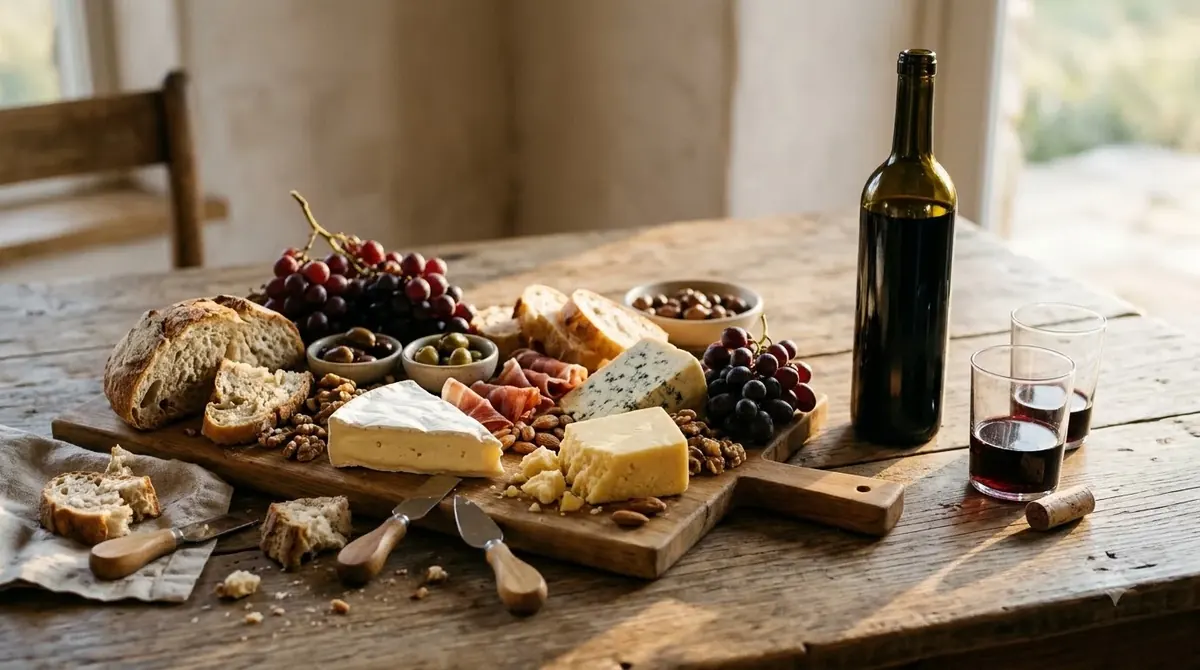
The wine’s fresh acidity and light body make it flexible at the table. Wine Folly’s profile of Grechetto recommends seafood, including tuna and other firm fish, and the same style works well with roast chicken, pesto pasta and light vegetable dishes. Hard Italian cheeses, white pizza and lemon-based sauces also pair well.
Avoid heavy, buttery sauces or very spicy food, which can overwhelm a delicate white. If you are serving a crowd, Orvieto is an easy choice because it works with many dishes without requiring a separate bottle for each course.
Frequently Asked Questions
Is Orvieto wine dry or sweet?
Most Orvieto on the market today is dry. Semi-sweet and sweet versions still exist, but they are made in small quantities and are not typical of what most shoppers will buy.
What grapes are used in Orvieto?
Grechetto is widely described as the main grape, and the DOC rules call for Trebbiano Toscano and Verdello in set shares, with Malvasia and Canaiolo bianco permitted in smaller amounts.
Where is Orvieto wine made?
The Orvieto DOC is centered on the town of Orvieto in southwestern Umbria and extends into Lazio. The classic hills around the town are built on tufa and volcanic soils.
How should I serve Orvieto?
Serve dry Orvieto chilled but not ice cold, roughly 45 to 55 degrees Fahrenheit, in a white wine glass. It does not need decanting and pairs well with seafood, chicken and light pasta dishes.
Orvieto is an easy white to start with if you want to learn about Italian wine beyond the big names. Try a dry bottle with a simple seafood or chicken dinner, then compare it with a sweet muffato if you find one. For more about the broader wine regions, see the Wine Regions guide, and for a different take on a historic region, our Douro wine overview is a good next read.
More in Wine Regions
 Willcox Wine Trail: Discover Arizona’s High-Elevation Wine CountryUpdated Nov 20, 2026
 Yakima Valley Wine Region: Find the Best Styles to TryUpdated Nov 20, 2026
 Vosne Romanee Wine Tasting: Identify Aromas and Choose Better PairingsUpdated Nov 20, 2026
 Yakima Valley Wine Festival: Find the Best Seasonal Wine EventsUpdated Nov 20, 2026
 Wales Vineyards: Discover Cool-Climate Wines and Where to VisitUpdated Nov 20, 2026
 Yountville Wine Festival: Discover Napa Wines and Local FoodUpdated Nov 20, 2026