

We may earn a commission when you buy through links on this page, at no extra cost to you. Learn more.
The answer to “is lambrusco gluten free” is generally yes: traditional Lambrusco made from grapes is naturally gluten-free. Lambrusco is an Italian sparkling wine made from red grape varieties, not a barley-based beer or malt beverage. The usual concerns are uncommon cross-contact during production and flavored wine drinks that contain ingredients beyond wine. A plain bottle of Lambrusco is therefore a different proposition from a wine cooler or a premixed cocktail.
“Lambrusco” describes a family of wines, not one fixed recipe. Bottles range from dry to sweet, lightly sparkling to fully sparkling, and pale ruby to deep purple. Those differences affect flavor, not the gluten status of a grape wine; the useful questions concern ingredients and production handling.
Why Traditional Lambrusco Is Usually Gluten Free
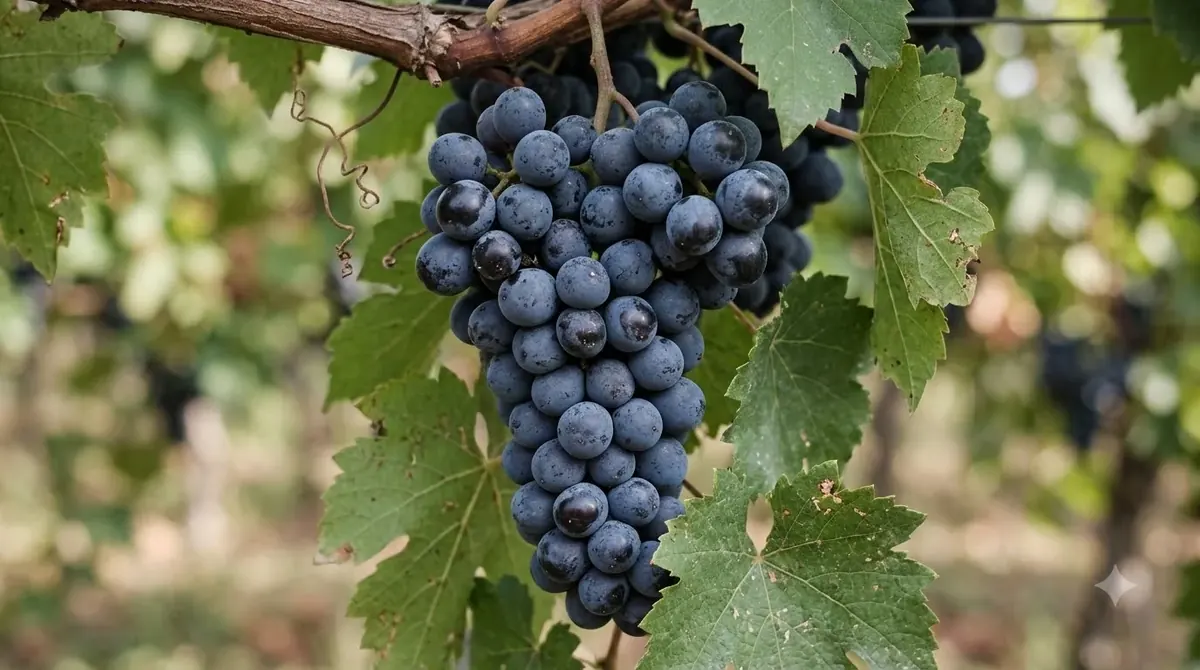
Traditional Lambrusco is usually gluten-free because its basic ingredient is grapes, and grapes do not contain gluten. The wine comes from Emilia-Romagna in northern Italy and is made from varieties in the Lambrusco family, including Lambrusco di Sorbara, Lambrusco Grasparossa, and Lambrusco Salamino.
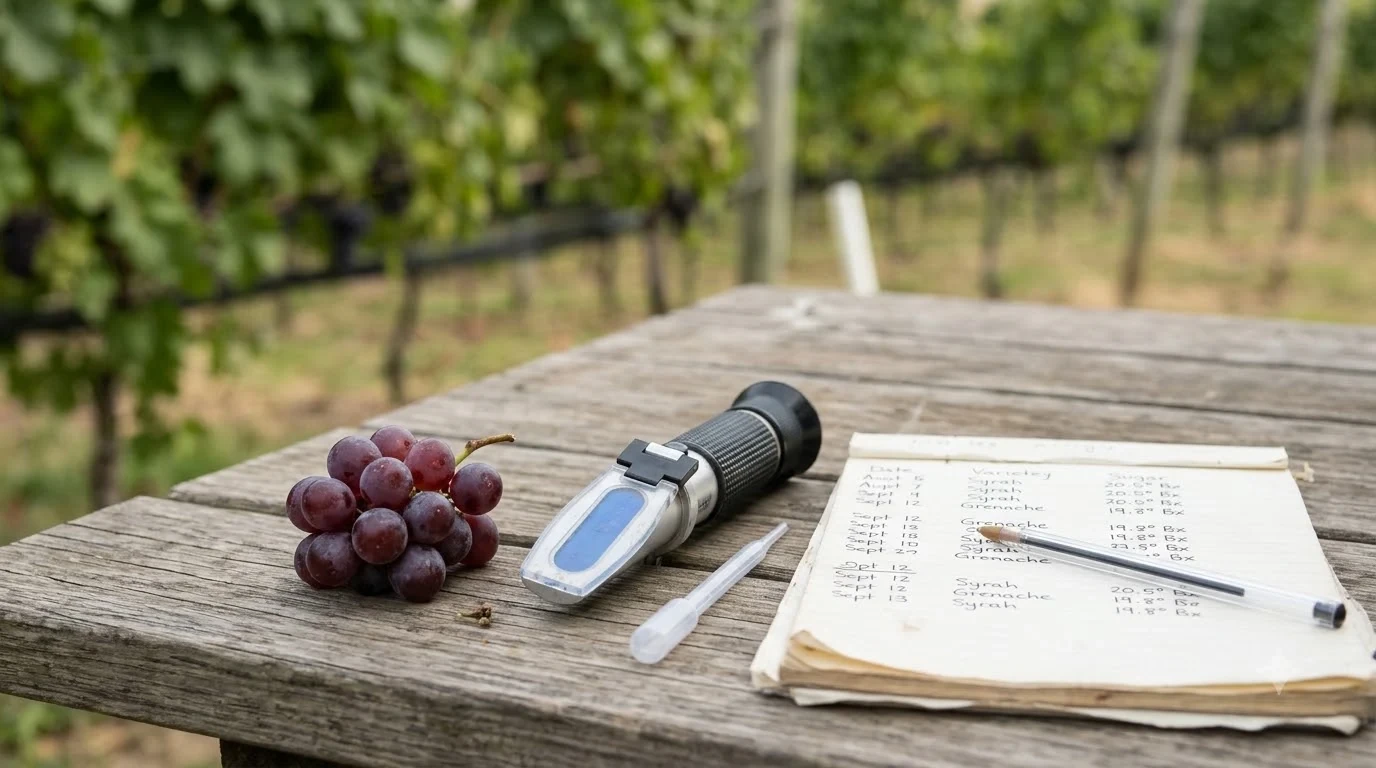
Wine begins with crushed grapes and grape juice. Yeast converts the juice’s natural sugars into alcohol during fermentation; that process does not require wheat, barley, or rye. Lambrusco’s bubbles come from a further fermentation step in many examples, either in a sealed tank or in the bottle. Those methods change the wine’s texture and sparkle, not its main agricultural ingredient. Beyond Celiac describes unflavored wine as naturally gluten-free and includes sparkling wines among the wine styles generally suitable for a gluten-free diet.
The grape family is diverse, so there is no single flavor profile to memorize. The Consorzio tutela Lambrusco describes Lambrusco di Sorbara as light in color, fresh, delicate, and often violet-scented, while Lambrusco Grasparossa di Castelvetro is deeper in color, fuller in body, and more structured by tannin. Lambrusco Salamino can contribute color and acidity to blends. These are differences among grape varieties and growing areas, not evidence of gluten-containing grain ingredients.
It is also useful to separate wine style from wine ingredients. A dry red Lambrusco and a sweeter rosé Lambrusco may taste very different, but sugar level, color, and the presence of bubbles do not tell you whether gluten was used. A standard wine fermented from grapes remains a grape-based beverage whether it is labeled frizzante, spumante, secco, or amabile. For the usual bottle of unflavored Lambrusco, the starting point is reassuring: its core ingredients are naturally gluten-free.
Where Gluten Could Enter During Winemaking
The possible risks are not in the Lambrusco grapes themselves but in unusual materials or handling practices between harvest and bottling. The main areas worth understanding are shared equipment, fining, barrel sealing, and additions made after the wine is finished.
At harvest and crushing, grapes are usually handled with equipment dedicated to wine production. The Gluten Intolerance Group says winery crusher-destemmer equipment is typically not used to process gluten-containing foods, and gluten-containing substances are not normally added during crushing or pressing. Shared equipment could create cross-contact in an unusual facility, but it is not a routine feature of winemaking.
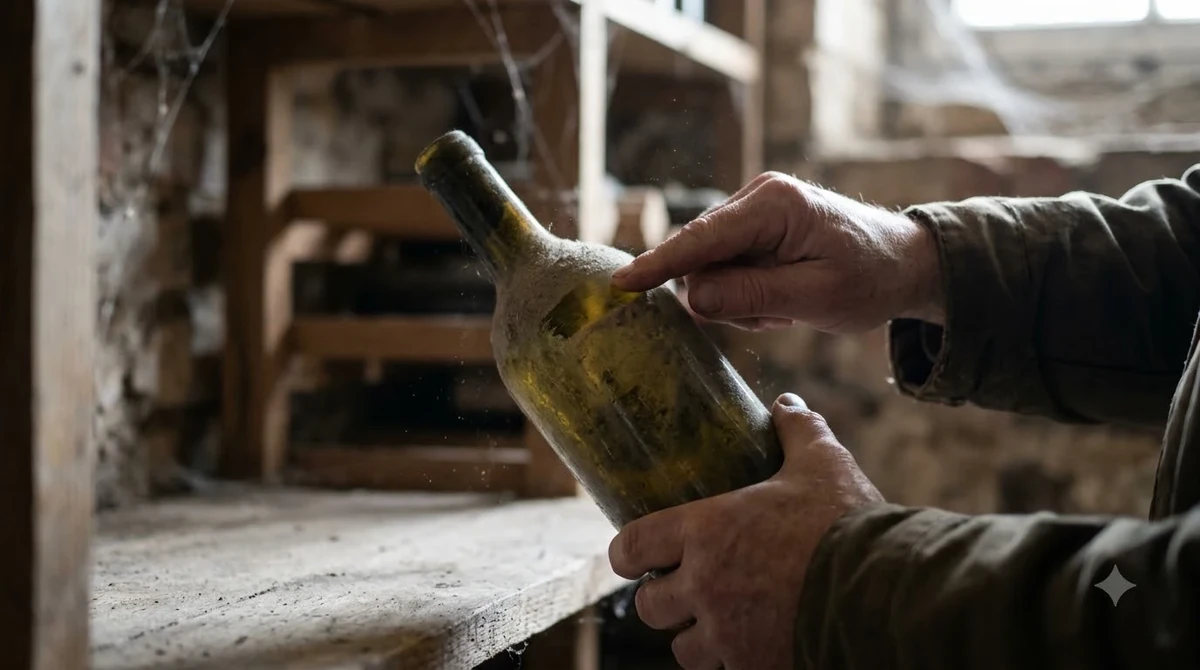
Fining clarifies wine by removing particles that affect appearance or stability. Common materials include bentonite clay, egg whites, milk-derived casein, fish-derived isinglass, gelatin, and plant-based products; the Gluten Intolerance Group identifies these commonly used agents as gluten-free. Wheat gluten was studied as an alternative fining agent, but the group says its use is not common practice. A separate concern is wheat paste once used to seal traditional oak barrels. The group reports that paraffin or barrel wax is now more common and that many wines age in stainless steel. Beyond Celiac cites tests of wines from barrels sealed with wheat paste in which gluten was below the lower quantification limits of two assays, 5 and 10 parts per million.
Fermentation is not a gluten-removal step: if traces are present before fermentation, the process does not automatically remove them. That is why the best question is not whether Lambrusco is red or sparkling, but whether a particular producer uses any gluten-containing materials and takes steps to prevent cross-contact during bottling.
How Lambrusco Styles and Added Flavors Differ
Lambrusco’s traditional styles are differentiated by grape, sweetness, and carbonation—not by gluten-containing grains. The terms on the label describe the experience in the glass, while flavored wine beverages and malt-based coolers deserve a separate ingredient check.
For sweetness, labels may use secco for dry, semi-secco for off-dry, amabile for medium-sweet, and dolce for sweet. The Consorzio’s denomination descriptions include wines from dry through semi-dry, semi-sweet, and sweet. These terms tell you how the wine tastes; they do not mean it contains wheat, barley, or rye. Similarly, frizzante means lightly sparkling and spumante means more fully sparkling. Lambrusco can gain its bubbles through a second fermentation in pressurized tanks or in the bottle, and neither method requires gluten as an ingredient.
Grape variety affects style, not gluten status. Wine Enthusiast describes Sorbara as fresh and lightly sparkling, while Grasparossa tends to be darker and more tannic. Lambrusco Salamino can contribute color and acidity to blends. These differences help you choose a bottle for dinner, but a pale rosé, a dry red, and a sweet sparkling wine are all still grape wines.
Be more careful with products that borrow the language or image of wine but are not simply unflavored wine. Beyond Celiac warns that flavored wine beverages and wine cocktails may contain ingredients that make them unsuitable for a gluten-free diet. The Gluten Intolerance Group notes that many wine coolers have been made with a malt base derived from barley. A fruit-flavored ready-to-drink bottle, canned wine spritzer, and traditional bottle of Lambrusco are not interchangeable: added flavorings, malt, beer components, or mixers can change the ingredient question.
What the Label and Producer Can Tell You
A gluten-free statement on the bottle is useful reassurance, but not every naturally gluten-free wine carries that voluntary claim. When the statement is absent, the next step is to distinguish a normal grape wine from a flavored product and ask the producer about any non-grape ingredients or unusual handling.
In the United States, the Alcohol and Tobacco Tax and Trade Bureau (TTB) regulates gluten statements on many wine labels. It permits a truthful “gluten-free” claim for wine that meets the applicable standard, including wine fermented from grapes, when the producer takes steps to prevent cross-contact. TTB also explains that no scientifically valid method can reliably quantify intact gluten in every fermented product, so ingredient records and production controls matter. See the TTB’s guidance on gluten statements for wine.
| Reference point | What the number means | How to use it |
|---|---|---|
| 20 parts per million (ppm) | The FDA’s general gluten-free food definition requires less than 20 ppm of gluten, alongside ingredient restrictions. | Use this as a regulatory benchmark, not as a promise that every bottle of fermented wine has been measured with a perfect test. |
| 5 ppm | One assay limit cited by Beyond Celiac in discussion of wine from oak barrels sealed with wheat paste. | The reported gluten level was below this assay’s lower limit of quantification. |
| 10 ppm | A second assay limit cited in the same discussion. | The reported level was also below this assay’s lower limit of quantification. |
The 20 ppm benchmark needs context: standard analytical methods do not reliably quantify intact gluten after fermentation. A winery should be able to explain its starting ingredients and cross-contact controls, rather than relying only on an unsupported laboratory number. The Beyond Celiac explanation of wine and gluten offers a consumer overview of these production questions.
For a specific bottle, look for a gluten-free statement or certification mark. If there is no claim, ask the winery or importer whether the wine is made only from grapes, whether grain-derived ingredients or flavorings are added, which fining agents are used, and whether the bottling line also handles gluten-containing products. You can also ask whether the winery uses barrel wax or stainless steel rather than wheat paste. A direct answer is more useful than guessing from grape name, color, or sweetness.
Tip: When asking a winery about Lambrusco, give the producer the exact name and vintage on the bottle. A winery may make several versions—such as a dry Sorbara, a sweeter Salamino blend, and a flavored sparkling drink—under related branding, so a precise bottle description helps you get an accurate production answer.
Serving and Pairing Lambrusco Without Hidden Gluten
Traditional Lambrusco is a flexible food wine, and serving it cold helps preserve its freshness and lively bubbles. Because it is sparkling, aim for about 40–50°F; the cooler temperature keeps the wine crisp without masking all of its red-fruit and floral character.
Lambrusco is closely associated with the food culture of Emilia-Romagna, where it is served with cured meats, rich dishes, and local cheeses. A lighter Lambrusco di Sorbara can work with salumi, vegetable antipasti, or a simple plate of aged cheese. A deeper Grasparossa can stand up to grilled meats, tomato-rich pasta, and barbecue. The Consorzio tutela Lambrusco also describes the region’s wines as versatile at different points in a meal, from aperitivo through the cheese course.
The wine and the food need separate ingredient checks. Plain grilled meat, olives, hard cheese, or fresh vegetables may be uncomplicated pairings, but marinades, spice mixes, sauces, and prepared deli items can include wheat-based ingredients or be handled on shared equipment. Italian dishes that sound like natural Lambrusco matches are not automatically gluten-free: tortellini, breaded cutlets, and fried dough are examples where the pasta, coating, or dough can contain wheat. Ask how a dish is prepared rather than assuming that a regional wine pairing makes the entire plate suitable.
For a simple gathering, keep the menu easy to verify: serve a bottle of Lambrusco with a board of clearly labeled cheeses, plain olives, fresh fruit, and unseasoned nuts, then keep bread and crackers separate. If you are ordering at a restaurant, ask whether the kitchen can identify gluten-containing sauces or shared fryers. The wine itself is usually the simple part; prepared foods and mixers can introduce the extra ingredients that change the answer.
How Lambrusco Compares With Other Wines
The same basic principle applies to many traditional wines: the grape variety is not the source of gluten, and the production details matter more than whether the wine is red, white, rosé, or sparkling. This makes Lambrusco a useful example of a broader wine question, not an exception that needs a special gluten rule.
For other grape wines, the questions are similar. Our explainers on is sauvignon blanc gluten free, is pinot noir gluten free, and is cabernet sauvignon gluten free cover the same distinction between a naturally gluten-free grape base and less common production or flavoring concerns. A red wine does not become a gluten source because it has tannin, and a white wine does not become safer simply because it is pale.
Lambrusco does differ from many familiar still wines in its carbonation and range of sweetness. It can be pale and delicate, as with some Sorbara, or darker and more structured, as with Grasparossa. Those traits are useful when choosing a bottle for a meal, but they are not a reliable shortcut for judging gluten content. For a wider overview of grape varieties and wine styles, browse Wine by Type and use the producer’s ingredient and handling information for any bottle that raises a specific concern.
The practical rule stays consistent: choose an unflavored wine made from grapes, and ask about production details when the producer, product format, or label raises a question. A traditional Lambrusco is generally a gluten-free wine choice; a malt-based cooler or a flavored wine cocktail is a different category and deserves its own ingredient review.
Frequently Asked Questions
These quick answers cover label terms and bottle details that can cause confusion even when the wine itself is a traditional grape-based Lambrusco.
Does “contains sulfites” mean Lambrusco contains gluten?
No. Sulfites are not wheat, barley, or rye, and a sulfite statement is not a gluten warning. It communicates a separate ingredient or naturally occurring compound disclosure, so it does not answer questions about flavorings, fining agents, or cross-contact.
Does a Lambrusco DOC designation certify that the wine is gluten-free?
No. A DOC designation identifies a regulated wine origin and production specification, not a gluten-testing or gluten-free certification program. It can tell you which geographic area and grape rules apply, but it does not independently verify every winery’s bottling practices or added ingredients.
Are all wines labeled Lambrusco red?
No. The Lambrusco denominations include both red and rosé wines. The Consorzio describes Lambrusco di Sorbara as ranging from rosé to pale ruby red, so a pink-hued bottle can still be a traditional Lambrusco wine.
Can sediment in a bottle-fermented Lambrusco be gluten?
Not necessarily. In some bottle-fermented wines, visible sediment is made up of yeast lees left after the second fermentation, rather than a grain ingredient. If a specific bottle has unusual sediment or the producer uses a nonstandard process, ask the winery what the deposit consists of.
How long can opened Lambrusco keep in the refrigerator?
For best quality, plan on drinking an opened sparkling wine within about 1–3 days when it is refrigerated and sealed with a sparkling-wine stopper. The wine may lose some of its bubbles before that window ends, so keep it cold and limit the time it sits open.
For most people looking for an ordinary bottle of wine, traditional Lambrusco is generally gluten-free because it is made from grapes rather than gluten-containing grains. The main safeguards are to avoid malt-based coolers and flavored wine drinks, and to ask the winery about unusual ingredients or cross-contact when a specific bottle needs extra verification.
More in Wine Types & Grapes
 Zinfandel Sugar Content: Dry Red vs. White Zinfandel GramsUpdated Nov 21, 2026
 Best Zinfandel Substitute Options for Sipping and CookingUpdated Nov 21, 2026
 Zweigelt Food Pairing: Best Dishes, Cheeses, and Serving TipsUpdated Nov 21, 2026
 Zinfandel Tannins Explained: How Structure Shapes Every BottleUpdated Nov 21, 2026
 Zinfandel Sweetness Level: Dry Red vs. Sweet White Zin ExplainedUpdated Nov 21, 2026
 Xinomavro Food Pairing: Best Dishes, Styles, and Serving TipsUpdated Nov 21, 2026