

We may earn a commission when you buy through links on this page, at no extra cost to you. Learn more.
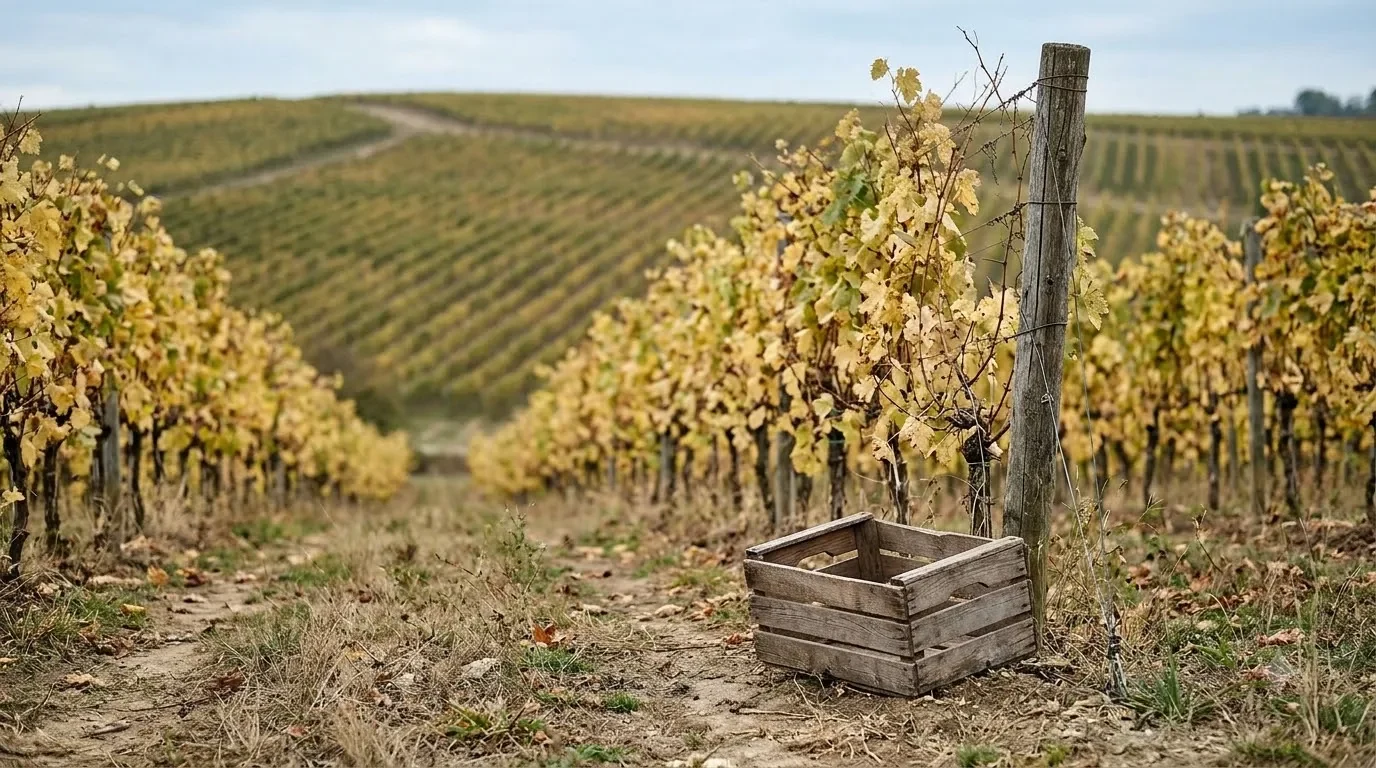
Santa Ynez Valley vineyards sit in Santa Barbara County on California’s Central Coast, and they are known for a wide range of wines from cool-climate and warm-climate grapes alike. The valley is one of the county’s best-known wine areas, and its vineyards are often visited as part of a longer Central Coast tour. Visitors can follow named wine trails, stop in small villages, and taste the district’s wines in a single day.
If you are planning a trip or simply want to know what grows in this part of California, the Santa Ynez Valley is a good place to start. This guide explains where the vineyards are, what kinds of grapes they grow, how to think about the wines, and how to plan a visit that fits your taste.
Where the Santa Ynez Valley vineyards are
The Santa Ynez Valley lies within Santa Barbara County, which sits along the Central Coast between Los Angeles and the San Francisco Bay Area. According to the Santa Barbara County wine region site, the county’s wine regions are grouped together on the Central Coast, and the Santa Ynez Valley is one of several districts that visitors can explore in the same trip.
The valley’s vineyards are spread across open land around small towns. Because the county offers so many tasting rooms, a good first step is to choose a town as a base and plan a few tastings within driving distance. This keeps the day relaxed and makes it easier to compare styles from different estates.
Climate, grapes, and the style of the wines
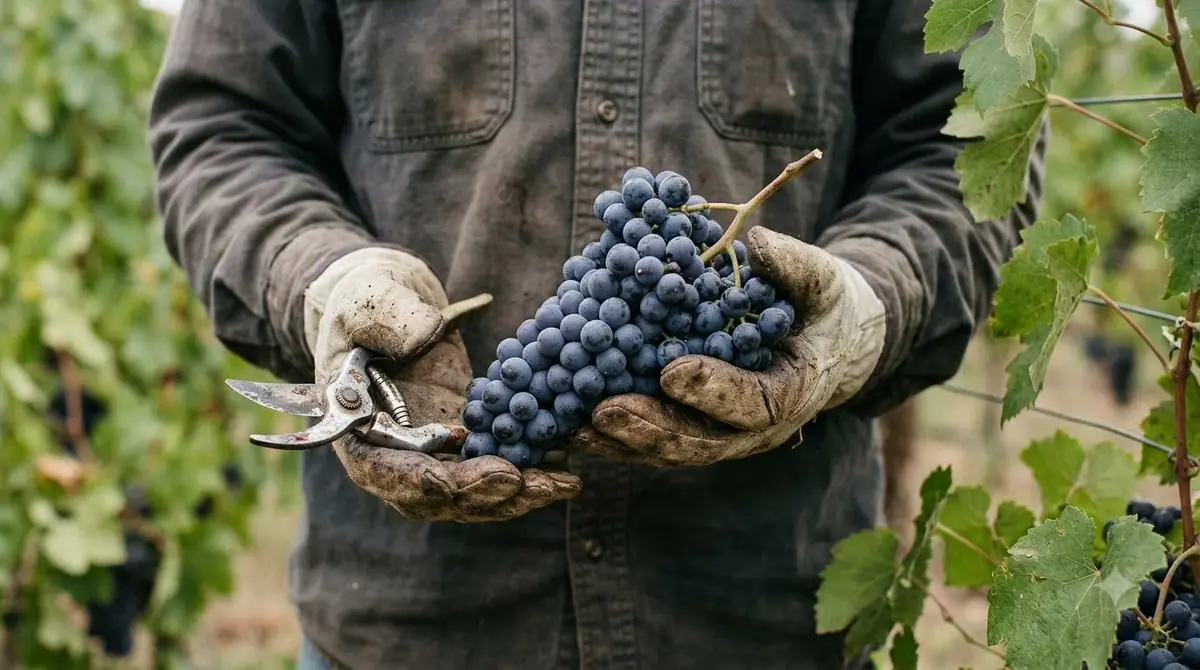
The Central Coast climate is one of the main reasons the vineyards work. Cooling breezes off the Pacific can moderate the afternoon heat, and that helps grapes ripen slowly while keeping acidity in balance. Growers across the county work with a broad mix of varieties, and the county’s own wine region material names Pinot Noir, Cabernet, Chardonnay, Syrah, and Grenache among the grapes planted across the area.
Because the valley grows so many different grapes, there is no single Santa Ynez style. Some estates focus on bright, fresh whites. Others lean toward rich reds with dark fruit and a savory finish. If you want to understand the valley quickly, taste a Chardonnay, a Pinot Noir, and a Rhône-style blend from different producers and notice how the climate shows up in each one.
The wine trails and visitor routes
The county has organized its wineries into named trails, which makes planning easier. The Santa Barbara County site lists nine wine trails across the region, including the Santa Ynez Wine Trail, the Solvang Wine Walk, and the Los Olivos Promenade. Each trail has its own character, from small village streets to larger estates set in the hills.
The trails are also useful for first-time visitors because they group tasting rooms that are close together. Start early in the day, since many tasting rooms are busiest in the afternoon, and plan lunch between stops. Pick one or two estates that focus on the grapes you enjoy most instead of trying to visit everything.
| Visit type | What it offers |
|---|---|
| Wine trail | A guided path through nearby tasting rooms and estates |
| Village walk | Tastings combined with shops, restaurants, and small-town streets |
| Estate visit | Longer tastings, vineyard views, and detailed winemaker notes |
| Full-day tour | Three or four tastings with lunch in between |
Tip: Book tastings ahead for weekends and holidays. Many tasting rooms keep smaller reservation slots, so a booking protects your plan.
How to choose and serve a bottle from the valley
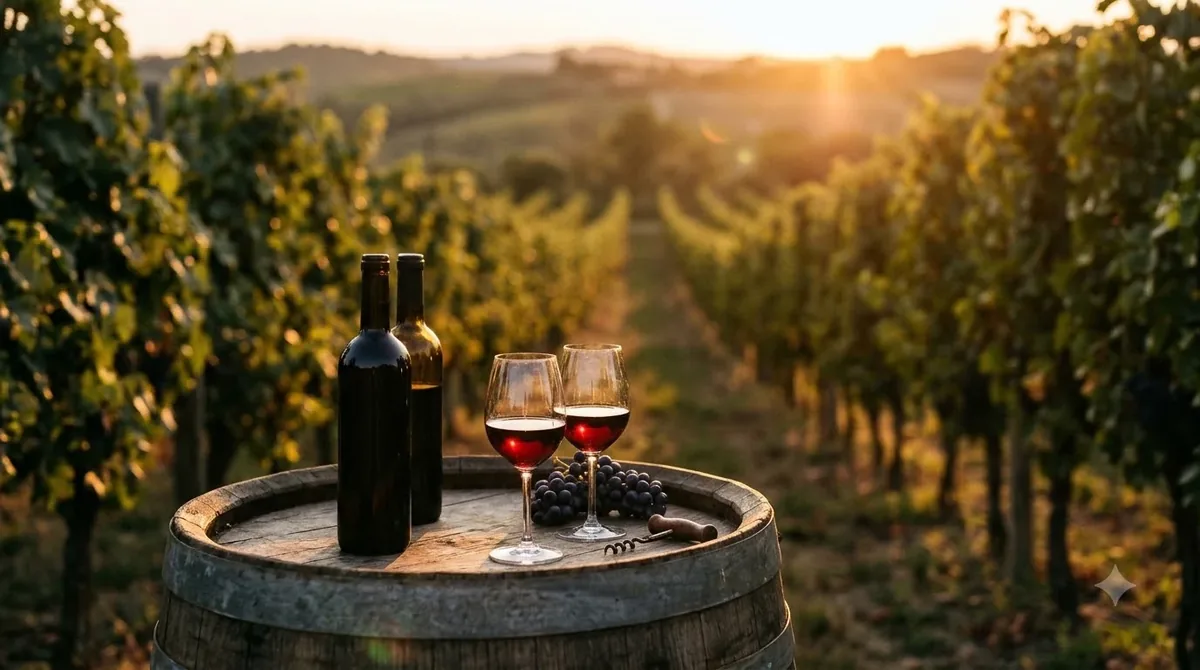
When you buy a bottle from the Santa Ynez Valley, read the back label or ask the staff what grapes went into the blend. The valley’s climate favors aromatic whites and structured reds, so a bottle that names its grape and vineyard area tells you more about the style than a general label does.
Serving temperature matters. Light whites and rosés are best cool but not icy, and reds show more fruit when they are slightly below room temperature. Many visitors also enjoy pairing local wines with the region’s food, from fresh seafood to grilled meats and seasonal produce.
Planning a Santa Ynez visit
A good visit balances tasting with rest. Plan three or four stops in a day, leave time for a meal, and arrange a designated driver or a tour service, since the roads between towns can be slower than they look on a map. If you can, visit in spring or early fall, when the weather is mild and the vineyards are at their most attractive.
Regional guides also list lodging, dining, and outdoor activities alongside the tasting rooms, so you can build a weekend around the wine rather than treating it as a single stop. That approach works well for couples, groups, and anyone who wants to learn more about California’s Central Coast.
What to know before you go
The Santa Ynez Valley is a working agricultural area as well as a visitor destination, so the rhythm of the season matters. Vineyard work peaks at different times of year, and some estates run special events around harvest or spring bloom. Checking an estate’s calendar before you travel can show you whether a barrel tasting, a library flight, or a small winemaker talk is on offer that day.
Tasting formats also vary. Some rooms pour a standard flight of four or five wines at a set price, while others focus on reserve bottles or allow you to taste from the barrel. If you are new to the region, ask the staff to explain the difference between a flight and a reserve tasting. That conversation often leads to a better choice of wines to take home.
Plan for the drive. Distances between towns are modest, but country roads can be slow, and parking near popular villages fills up quickly on weekends. A rideshare or a shuttle through a local tour company removes the stress of driving after tastings, and it lets everyone in the group enjoy the day.
Pace yourself. A good rule is to spend at least thirty minutes at each estate so you can taste slowly, ask questions, and enjoy the setting. Drink water between pours, eat a real meal, and treat the day as a chance to learn rather than a race to the last stop.
Frequently Asked Questions
Where are the Santa Ynez Valley vineyards located?
The vineyards are in Santa Barbara County on California’s Central Coast. Towns such as Solvang and Los Olivos are common starting points for visitors who want to explore the district.
What grapes are grown in the Santa Ynez Valley?
The area grows a broad mix of grapes. County regional material names Pinot Noir, Cabernet, Chardonnay, Syrah, and Grenache among the varieties planted across the wine region, so visitors can find both white and red styles.
How many wine trails are there?
The Santa Barbara County site lists nine wine trails across the county. The Santa Ynez Wine Trail, the Solvang Wine Walk, and the Los Olivos Promenade are among the named routes that visitors can follow.
When is the best time to visit the Santa Ynez Valley?
Spring and early fall tend to be pleasant, with mild weather and green or golden vineyards. Weekends and holidays are busier, so booking tastings ahead helps you avoid long waits.
For more ideas on comparing wine areas, see the overview of Wine Regions, or look at how shenandoah valley vineyards and yadkin valley vineyards differ in climate and style. Planning one clear route through the Santa Ynez Valley is often the easiest way to taste its range.
More in Wine Regions
 Willcox Wine Trail: Discover Arizona’s High-Elevation Wine CountryUpdated Nov 20, 2026
 Yakima Valley Wine Region: Find the Best Styles to TryUpdated Nov 20, 2026
 Vosne Romanee Wine Tasting: Identify Aromas and Choose Better PairingsUpdated Nov 20, 2026
 Yakima Valley Wine Festival: Find the Best Seasonal Wine EventsUpdated Nov 20, 2026
 Wales Vineyards: Discover Cool-Climate Wines and Where to VisitUpdated Nov 20, 2026
 Yountville Wine Festival: Discover Napa Wines and Local FoodUpdated Nov 20, 2026