

We may earn a commission when you buy through links on this page, at no extra cost to you. Learn more.
how long does zinfandel last unopened depends on its style, producer, vintage, and storage conditions, but most everyday red Zinfandel is best enjoyed within 2-5 years. Well-made, structured examples can develop for longer, with certain producer-recommended bottles reaching seven years or more from the vintage date. Keeping the bottle consistently cool, dark, and protected from temperature fluctuations helps preserve its fruit, acidity, and balance until you are ready to open it.
Zinfandel is a fruit-forward red wine associated particularly with California, where it appears in styles ranging from easy-drinking bottles to concentrated, oak-aged wines made for extended cellaring. Although its generous blackberry, cherry, and spice character can make it appealing shortly after release, not every bottle benefits from years in storage. Understanding the difference between ordinary drinking windows and genuine aging potential will help you decide whether to open a bottle now or keep it for another occasion.
Typical Unopened Zinfandel Shelf Life
Most everyday red Zinfandel is best consumed within 2-5 years, counted from its vintage rather than the date you purchased it. More structured examples can last longer, but a longer storage period does not automatically mean the wine will improve.
The 2-5-year guideline is a practical starting point for standard commercial Zinfandel. Chowhound identifies this range for the grape, while Wine Folly gives an approximate five-year aging potential for Zinfandel in its overview of age-worthy red wines. These estimates describe general drinking expectations rather than guaranteed expiration dates. A bottle stored properly may remain enjoyable beyond the typical window, while a bottle exposed to excessive heat may deteriorate much sooner.
For everyday California Zinfandel, the emphasis is usually on fresh fruit, approachable tannins, and generous flavor. The wine may show blackberry, raspberry, black cherry, pepper, and baking spice when young. As bottle age progresses, those vivid fruit characteristics can become less pronounced, with dried fruit, softer texture, and more developed savory notes appearing in their place.
Consider the difference between an inexpensive, straightforward Zinfandel intended for casual dinners and a carefully made single-vineyard bottling. The first is generally purchased to enjoy without waiting. The second may have sufficient concentration, acidity, tannin, and winemaking structure to support additional development.
The following ranges provide a practical reference for planning:
| Zinfandel category | Suggested drinking window | Age from |
|---|---|---|
| Everyday red Zinfandel | 2-5 years | Vintage year |
| Concentrated, structured Zinfandel | Approximately 5-7 years | Vintage year |
| Producer-identified age-worthy Zinfandel | 7-10 years or longer when specifically supported | Vintage year or producer guidance |
| Exceptional collectible Zinfandel | Potentially 10 years or more | Producer’s recommended window |
These are planning estimates, not universal guarantees. The longer windows should be reserved for bottles with documented aging potential, suitable vintage conditions, and reliable storage histories. An everyday Zinfandel should not automatically be kept for seven or ten years simply because it remains unopened.
It is also important to distinguish between a wine that remains drinkable and one that is at its peak. A bottle may still be enjoyable after its recommended drinking window, but its original fruit character, freshness, and balance may have declined. If you want bright, juicy Zinfandel, opening it earlier is usually the better approach.
Why Some Zinfandel Bottles Age Longer
Zinfandel’s aging potential depends on the wine’s structure, not simply the grape name printed on the label. Concentrated fruit, balanced acidity, moderate tannin, and thoughtful oak aging can help certain bottles develop over five to seven years or longer.
Acidity is important because it helps preserve freshness as the wine develops. A Zinfandel with enough acidity to balance ripe fruit and alcohol may maintain a more harmonious profile during bottle aging. Without sufficient freshness, a wine can become heavy and less expressive as its primary fruit aromas fade.
Tannin also contributes to aging potential. These compounds create the drying sensation associated with red wine and can gradually soften as a bottle develops. Wine Folly explains that polyphenols, including tannins, help stabilize color and flavor during aging. However, a wine does not need extremely high tannin to age well. Balance between tannin, acidity, fruit, and alcohol is more important than any single characteristic.
Concentration matters, too. Zinfandel made from carefully selected grapes can have greater depth and flavor intensity than an uncomplicated early-drinking bottling. A wine with concentrated blackberry, dark cherry, plum, and spice flavors may have more room to develop before its fruit character begins to fade.
Oak aging and winemaking choices
Oak aging can contribute additional texture, aromatic complexity, and structural elements. American oak may introduce vanilla, coconut, and sweet baking-spice characteristics, while French oak can contribute more restrained spice and toasted notes. The effect depends on the barrel’s age, toast, and the length of maturation.
Consider Rombauer’s California Zinfandel as a specific example. Its 2023 bottling contains 91% Zinfandel and 9% Petite Sirah, and the winery reports 14 months of maturation in American and French oak, including 10% new American oak. This is a more specific indication of winemaking style than simply seeing the word Zinfandel on a bottle.
The winery also states that this particular wine can continue developing for up to seven years from the vintage date. That recommendation should not be transferred automatically to other producers’ wines. Different vineyards, vintages, blending decisions, and cellar practices produce different aging profiles.
Alcohol content is another consideration. Some California Zinfandels are relatively high in alcohol because the grapes can develop substantial ripeness. High alcohol does not automatically mean a wine will age longer. The wine needs enough fruit, acidity, and structural balance to keep its components working together.
Tip: Look for a producer’s recommended drinking window before deciding to cellar Zinfandel. A specific recommendation for a named wine and vintage is more useful than a general aging estimate for the grape variety.
How Storage Temperature Affects Unopened Zinfandel
A stable temperature near 55°F is an excellent target for storing unopened Zinfandel over an extended period. Avoid warm rooms, sunny windows, garages with seasonal temperature swings, and locations near ovens or heating equipment.
Purdue Extension identifies 50-60°F as the traditional long-term wine storage range. Within this range, wine can develop gradually under relatively controlled conditions. Rombauer gives a narrower recommendation of 57-62°F for its own Zinfandel, illustrating that individual producers may specify slightly different conditions for their bottles.
Consistency matters more than chasing an exact number. A bottle stored continuously at 56°F is generally in a better position than one repeatedly moving between a cool cabinet and a warm kitchen. Frequent temperature changes can affect the closure and allow additional oxygen to enter the bottle.
Heat is particularly damaging. According to Purdue Extension, temperatures above 75°F can greatly accelerate unwanted maturation and produce undesirable aroma, flavor, and color changes. Exposure to 86°F or higher should be avoided, even for relatively short periods.
These problems are especially relevant in homes without climate-controlled storage. A cupboard beside an oven may feel convenient, but the surrounding heat can fluctuate substantially during cooking. Similarly, a garage can become extremely warm during summer afternoons, even if it feels cool in the morning.
Long-term refrigeration is not usually necessary for an unopened red Zinfandel. A regular kitchen refrigerator is colder than the preferred long-term storage range and can be inconvenient for extended cellaring. A dedicated wine refrigerator or consistently cool interior storage location is more suitable.
Extreme cold also creates problems. Purdue Extension explains that temperatures below 32°F can cause tartrate crystals to form. At temperatures below 23°F, wines with 14% alcohol or less can begin freezing, potentially pushing out the cork or damaging the bottle. Avoid placing Zinfandel in a freezer as a storage solution.
For further technical guidance on storage temperatures, bottle position, and wine aging, consult Purdue Extension’s wine storage guidelines. Its recommendations explain why stable conditions throughout storage and transportation matter as much as the location where a bottle is eventually kept.
Best Bottle Position, Light, and Storage Conditions
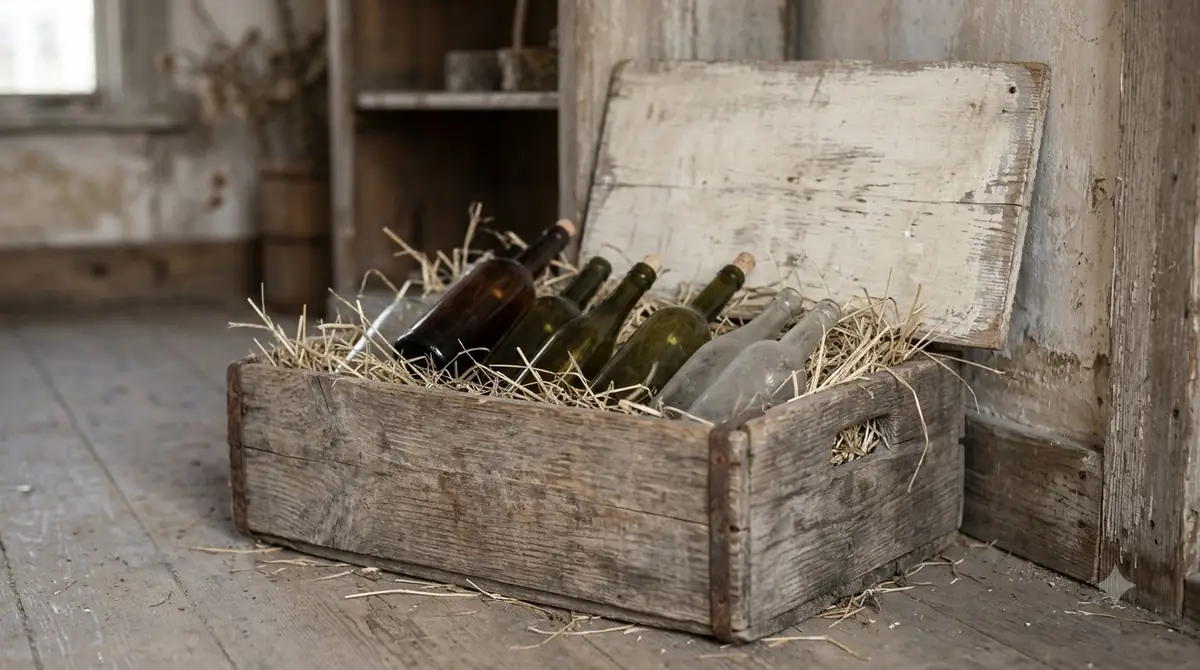
Store unopened cork-sealed Zinfandel on its side in a dark location with stable humidity and minimal vibration. These simple precautions help protect the closure and limit avoidable deterioration during storage.
Traditional natural cork can gradually dry out if exposed to unsuitable conditions. A dry cork may shrink or lose some of its sealing effectiveness, allowing oxygen to enter the bottle. Purdue Extension recommends positioning cork-closed bottles sideways or upside down to minimize gas exchange between the wine and the surrounding atmosphere.
Rombauer also recommends horizontal storage for its California Zinfandel. The winery specifically advises keeping the bottle on its side in a cool, dark place to protect the wine and keep the cork moist.
Closure type influences the best position. A natural cork generally benefits from horizontal storage, while a screw-cap bottle does not require contact between the wine and the closure. Synthetic closures may have different moisture requirements from natural cork. Regardless of closure, temperature stability and protection from light remain important.
Protect the bottle from sunlight
Direct sunlight can damage wine through light exposure and associated heating. A bottle displayed on a bright kitchen counter may look attractive, but that is not an ideal location for keeping it for several years.
Choose a closed cabinet, interior closet, or purpose-built wine refrigerator instead. Avoid placing bottles close to windows, skylights, or strong artificial lighting for extended periods. Dark glass provides some protection, but it does not eliminate the effects of prolonged exposure.
Limit vibration and unnecessary movement
Wine does not need to be completely motionless to remain drinkable, but long-term storage is best kept away from repeated vibration. Avoid placing a collection on top of a washing machine, refrigerator compressor, or other equipment that operates frequently.
Once a bottle is placed in its storage position, leave it there until you intend to open it. Moving it occasionally for cleaning or reorganizing is not a reason for concern, but there is little benefit in repeatedly transporting an aging bottle between different locations.
Humidity should also be reasonably stable. Extremely dry conditions can be undesirable for natural cork closures, particularly during prolonged storage. A dedicated wine cabinet can help maintain more consistent conditions than an exposed shelf in a room with changing temperatures.
How to Tell Whether an Older Zinfandel Is Still Good
An older unopened Zinfandel should be evaluated through its storage history, closure condition, and appearance before being judged by age alone. A bottle that is seven years old is not automatically spoiled, while a younger bottle exposed to excessive heat may already have lost its quality.
Start by examining the bottle. Look for evidence of leakage around the cork or capsule, unusual sticky residue, or a cork that appears to have moved upward. These signs can indicate exposure to excessive heat or problems with the seal.
Wine stains on the outside of the bottle and a noticeably reduced fill level can also suggest leakage. A low fill level is particularly relevant when assessing an older bottle because excessive air space can accompany oxidation. However, a small amount of natural variation in fill levels is not conclusive evidence of deterioration.
After opening the bottle, examine the wine’s color. Young red Zinfandel typically displays deep ruby, purple, or garnet tones. As it ages, its color may become lighter and develop brick-red or brownish edges. Some gradual color change is normal, but unexpectedly pronounced browning combined with flat aromas can indicate excessive oxidation.
Smell the wine before pouring a full glass. Fresh Zinfandel often shows blackberry, raspberry, cherry, pepper, and baking spice. Older examples may develop dried fruit, leather, tobacco, and earthy characteristics. These changes can be part of normal bottle development rather than signs of spoilage.
By contrast, a strong vinegar-like smell, unpleasant sharpness, or a noticeably stale, bruised-apple character can indicate deterioration. A musty, damp-cardboard smell may suggest cork taint. Such problems are not necessarily caused by age or improper storage; a bottle can develop cork taint even when it has been kept under suitable conditions.
Finally, taste a small amount. A healthy older Zinfandel should still have some recognizable fruit, acidity, and balance, even if it tastes less powerful than it did when young. If the wine is flat, harshly sour, or dominated by unpleasant oxidized flavors, it has probably passed its best drinking period.
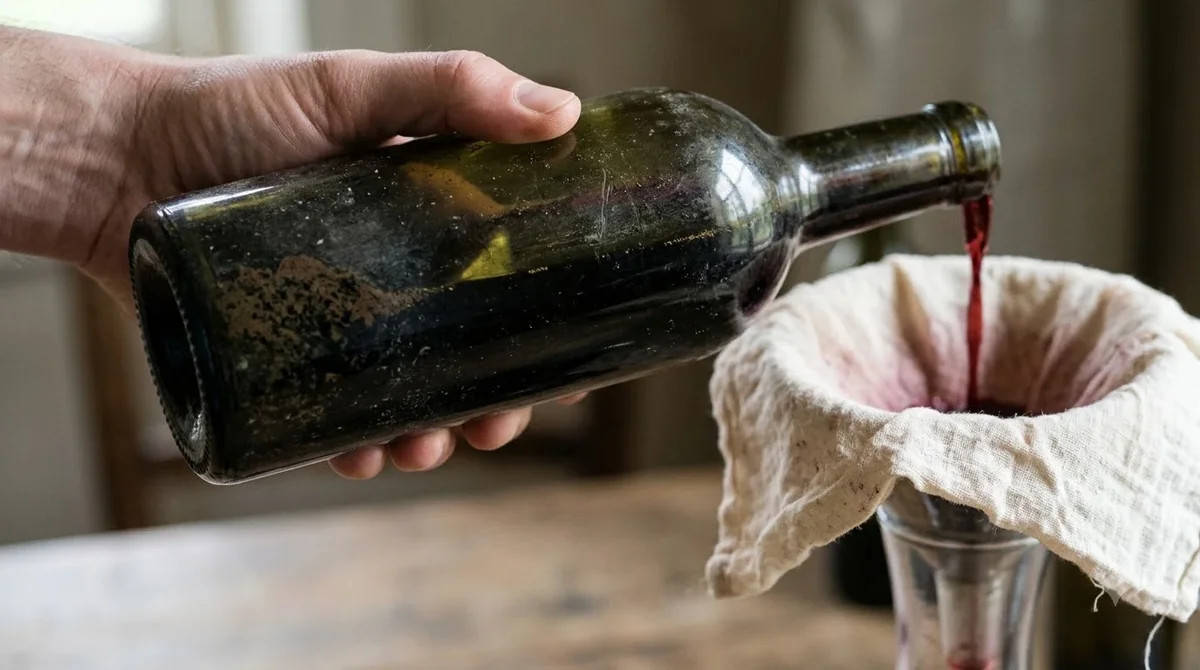
One important distinction is that sediment is not automatically a defect. Older red wines can develop natural deposits as compounds combine and settle during bottle aging. Allow the bottle to stand upright before opening if sediment is present, then pour carefully to leave the deposits behind.
Vintage, Producer, and Wine Style Make a Difference
The vintage year, producer’s winemaking approach, and specific vineyard characteristics can change how long Zinfandel remains enjoyable. Two bottles made from the same grape variety can have substantially different drinking windows, even when they come from the same California appellation.
California Zinfandel is produced in several important winegrowing areas, including Sonoma County, Napa Valley, Lodi, and the Sierra Foothills. These locations contain different vineyard conditions, and producers make different decisions about ripeness, extraction, oak maturation, and blending.
A lighter, fruit-driven Zinfandel intended for immediate enjoyment may be most appealing within its first few years. A concentrated bottling with substantial fruit, balanced acidity, and a structured finish may develop for longer. The region alone cannot establish a reliable drinking window because winemaking decisions also have a major influence.
Old-vine Zinfandel is another category that deserves attention. The term generally refers to grapes from older vineyards, although there is no single universally enforced age threshold that applies to every label using the expression. Older vines may produce distinctive fruit, but the age of the vineyard does not guarantee that the finished wine will be suitable for long-term cellaring.
Instead, consider the complete wine. Look for information about the producer’s recommended drinking period, vineyard source, alcohol level, oak treatment, and overall style. A producer with a consistent record of making age-worthy Zinfandel can offer useful guidance, particularly when recommendations are available for individual vintages.
Vintage conditions matter as well. Differences in growing-season temperatures, rainfall, and harvest timing can influence grape ripeness and the resulting wine’s balance. A warm growing season may produce particularly ripe fruit, while other conditions may yield wines with different acidity and concentration.
Do not assume that every older vintage is superior. A five-year-old bottle may be more enjoyable than a ten-year-old bottle if the first wine was designed for early consumption and the second lacked the structure or storage history needed for prolonged development.
For comparison, a how long does cabernet sauvignon last unopened guide is useful when considering another popular California red. Cabernet Sauvignon generally has higher tannin than Zinfandel, which can make suitable examples more capable of extended bottle development. However, the producer and individual wine remain important.
White Zinfandel is a different style altogether. It is generally a lighter, fruit-forward pink wine intended to retain freshness rather than develop the characteristics of an aged red. Its storage expectations are different from those of structured red Zinfandel, so consult a how long does white zinfandel last unopened guide before deciding to keep a bottle for several years.
When to Open Zinfandel and How to Serve It
Open everyday Zinfandel within its typical 2-5-year drinking window if you prefer fresh fruit and lively flavor. For a producer-recommended age-worthy bottling, follow the specific vintage guidance and serve the wine at approximately 60-65°F, depending on its weight and style.
Serving temperature makes a noticeable difference. Very warm red wine can emphasize alcohol and make its fruit seem less balanced, while excessive chilling can mute aromas and make tannins feel more pronounced. Rombauer recommends serving its California Zinfandel slightly chilled at 65°F.
For a full-bodied red Zinfandel, 60-65°F is a useful serving range. If the bottle has been stored in a warmer room, place it in the refrigerator briefly before opening. The aim is to cool the wine slightly, not make it cold like a white wine.
Young, concentrated Zinfandel may benefit from some exposure to air. If the wine feels particularly dense or its aromas seem closed, allow approximately 30-60 minutes in a decanter. This can help reveal blackberry, dark cherry, pepper, and oak-derived spice.
Older Zinfandel requires more care. A mature bottle may have delicate aromas that fade quickly after opening. Rather than automatically decanting an older wine for an hour, pour a small amount first and assess its condition. If sediment is present, careful decanting can separate it from the wine without requiring prolonged aeration.
Food pairings for red Zinfandel
Zinfandel’s ripe fruit, generous body, and often noticeable alcohol make it a natural match for flavorful foods. Barbecue ribs, grilled sausages, smoked brisket, burgers, and tomato-based pasta dishes are particularly useful pairings.
Salt and fat can soften the perception of tannin, making richer meat dishes comfortable companions for fuller-bodied Zinfandel. Barbecue sauces with some sweetness can also complement the wine’s ripe fruit, provided the sauce is not dramatically sweeter than the wine.
Be careful with very hot chili sauces. Alcohol and tannin can amplify the sensation of chili heat, so a high-alcohol Zinfandel may feel especially powerful alongside heavily spiced food. For meals with substantial heat, choose a less alcoholic, softer style or reduce the chili intensity.
Oily fish is generally less suitable for tannic red wines. For salmon or other fish dishes, a more appropriate pairing may be a lighter wine with different acidity and tannin characteristics.
If you are comparing different styles for a meal, Wine by Type provides a useful starting point for understanding how grape varieties and wine styles differ. Boxed wine has a different packaging and storage profile from a sealed glass bottle, so a how long does boxed wine last unopened reference is useful when comparing storage expectations.
Once opened, Zinfandel should be recorked or sealed and refrigerated. Most opened still wines are best consumed within approximately 3-5 days, although the precise period depends on the wine’s condition and exposure to oxygen. Refrigeration slows further development, but it cannot restore freshness to a bottle that has already deteriorated.
Frequently Asked Questions
Can an unopened bottle of Zinfandel last 10 years?
Some carefully selected Zinfandels can remain enjoyable for ten years, particularly when they come from producers with a documented history of long-lived bottlings. However, this is not a dependable expectation for ordinary commercial Zinfandel. A specific producer’s vintage recommendations and the bottle’s storage history are essential when considering such an extended period.
Does old-vine Zinfandel have a longer shelf life?
Not necessarily. Old-vine describes the source of the grapes rather than a guaranteed bottle-aging category. Vineyard age alone does not establish the wine’s acidity, tannin, balance, or capacity to develop. Some old-vine wines are intended for early enjoyment, while others are made with longer cellaring in mind.
Can an unopened Zinfandel bottle survive a long-distance move?
Yes, provided the bottle is protected from impacts and prolonged temperature extremes during transportation. A padded wine carrier or purpose-designed shipping packaging can help reduce physical damage. For particularly valuable bottles, temperature-controlled transportation and reliable handling are more important than simply choosing a short travel route.
Does a screw-cap Zinfandel age differently from a cork-sealed bottle?
Yes, the closure can influence how oxygen enters the bottle and how the wine develops. Screw caps generally provide a more controlled seal, although the precise oxygen transmission depends on the closure design. Neither screw caps nor natural corks guarantee that a wine will remain at its peak indefinitely.
Can sediment form in unopened Zinfandel without the wine being spoiled?
Yes. Older red wines can develop deposits as naturally occurring compounds settle during bottle development. These deposits may include tannin-related material and pigments. Their presence alone does not indicate spoilage, and careful pouring can separate the wine from the sediment.
For most bottles, planning to drink red Zinfandel within 2-5 years of its vintage is a sensible approach, while producer-recommended examples may reward longer storage. Keep bottles near 55°F, away from direct light and temperature fluctuations, and follow the specific winery’s advice whenever possible. Good storage protects the wine you bought, but choosing the right drinking window is what helps you enjoy Zinfandel at its best.
More in Wine Types & Grapes
 What Does Mourvèdre Taste Like? Flavor Profile, Regions, and PairingsUpdated Nov 20, 2026
 What Does Marsanne Taste Like? Flavors, Styles, and Food PairingsUpdated Nov 20, 2026
 What Does Malvasia Taste Like? Styles, Flavors, and Food PairingsUpdated Nov 20, 2026
 What Does Grenache Blanc Taste Like? Flavor Profile, Styles, and PairingsUpdated Nov 20, 2026
 What Does Garnacha Taste Like? Key Flavors, Styles, and Pairing TipsUpdated Nov 20, 2026
 What Does Fruit Wine Taste Like? A Complete Flavor and Style BreakdownUpdated Nov 20, 2026