

We may earn a commission when you buy through links on this page, at no extra cost to you. Learn more.
Cabernet Sauvignon tannins are naturally high, creating the firm, drying grip that gives this red wine its structure, distinctive mouthfeel, and potential to age gracefully. They come primarily from grape skins and seeds, with additional tannins sometimes contributed by oak barrels. Their intensity depends on grape ripeness, winemaking, and bottle age. Understanding how they work makes it easier to recognize good structure, choose the right food pairings, and enjoy Cabernet Sauvignon at its best.
Cabernet Sauvignon can feel bold and grippy when young, yet develop a smoother, more integrated texture as it matures. That transformation is part of the variety’s appeal. Rather than treating tannin as a flaw that needs to disappear, it helps to understand how it supports the wine’s fruit, acidity, and overall balance. Whether you prefer a youthful Napa Valley Cabernet or a mature bottle from Coonawarra, learning to recognize tannin makes every glass more rewarding.
What Cabernet Sauvignon Tannins Feel Like
Cabernet Sauvignon tannins create a drying sensation that can feel firm, chalky, powdery, or slightly rough across the gums and tongue. They are responsible for much of the wine’s gripping mouthfeel, rather than its recognizable blackcurrant or blackberry flavors.
The easiest way to understand tannin is to think about drinking strongly brewed black tea. After a sip, the inside of your mouth may feel slightly dry or rough, even though the tea is not necessarily bitter. Cabernet Sauvignon produces a similar sensation, although its tannins are accompanied by dark fruit, acidity, alcohol, and other components that change the overall experience.
People sometimes describe a tannic wine as dry, but this does not mean it contains little or no residual sugar. In wine terminology, dryness generally describes sweetness, while tannin describes texture. A Cabernet Sauvignon can be completely dry in sweetness and still feel exceptionally firm and grippy.
The sensation varies across different parts of the mouth. Some wines tighten the gums near the front teeth, while others create a coating sensation across the cheeks or a rough finish on the tongue. The intensity can also build after swallowing, making the mouth feel progressively drier with successive sips.
Recognizing different tannin textures
Several descriptive terms help distinguish the character of Cabernet Sauvignon tannins:
- Fine-grained: Small, relatively smooth tannin sensations that provide structure without excessive roughness.
- Powdery: A dry, delicate texture similar to cocoa powder.
- Velvety: Firmness that feels polished and integrated rather than abrasive.
- Grippy: A noticeable tightening sensation around the gums and cheeks.
- Chewy: Dense, substantial structure that makes the wine feel powerful and concentrated.
- Green or angular: Sharper, less integrated tannins that can feel woody or unpleasantly bitter.
Strong tannins are not automatically a sign of poor wine. A well-made Cabernet Sauvignon can have substantial grip while maintaining attractive fruit flavors and refreshing acidity. The important distinction is whether the tannin supports the wine or overwhelms everything else.
Where Cabernet Sauvignon Gets Its High Tannin
Cabernet Sauvignon naturally develops substantial tannin because its grapes have thick skins and relatively small berries. During red winemaking, contact between the juice and grape solids extracts the phenolic compounds that create color, structure, and astringency.
Unlike the pale juice inside most wine grapes, much of the color and tannin in red wine comes from the solid parts of the fruit. Cabernet Sauvignon has a particularly useful combination of thick skins and concentrated phenolic material, making it naturally suited to producing structured red wines.
Three main sources contribute to its tannic character:
- Grape skins: Supply a significant portion of the tannins and color compounds. Properly ripened skin tannins can feel broad, firm, and relatively supple.
- Grape seeds: Contribute additional tannin, which can feel sharper or more bitter when extracted aggressively.
- Oak barrels: Can contribute wood-derived tannins during maturation, alongside flavors such as cedar, vanilla, toast, and baking spice.
The relative contribution of these sources varies between wines. Two Cabernet Sauvignons made from the same grape variety can have noticeably different textures because their producers use different extraction techniques and maturation choices.
How fermentation affects tannin extraction
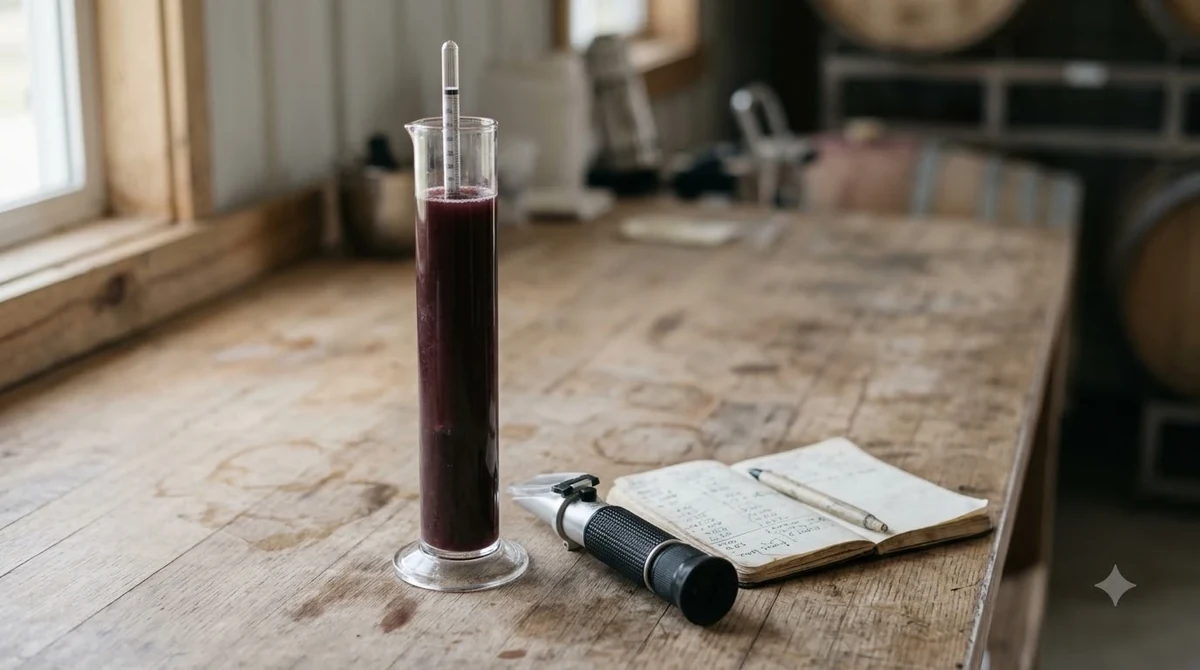
During fermentation, grape skins rise toward the surface, forming a layer commonly called the cap. Winemakers manage this layer through techniques such as punch-downs and pump-overs, which bring the skins into contact with the fermenting juice.
More intensive extraction can produce deeper color and firmer tannins. Longer skin contact can also increase the amount of phenolic material entering the wine. However, extraction is not simply a matter of making contact for as long as possible. The quality of the fruit, its ripeness, fermentation conditions, and pressing decisions all influence the result.
Pressing also matters. Applying greater pressure can extract additional compounds from the remaining grape solids, including tannins that may contribute a firmer or more bitter sensation. Producers can handle different press fractions separately before deciding whether to incorporate them into the finished wine.
Oak maturation introduces another layer of control. New oak generally contributes more noticeable wood-derived compounds than older barrels. The type of oak, barrel size, toast level, and time spent in the barrel all influence the final texture.
These decisions explain why one Cabernet Sauvignon can feel polished and approachable while another from a similar region tastes powerful and tightly structured. Wine Australia’s description of Australian production, for example, identifies pump-overs, header boards, and post-fermentation maceration lasting one to three weeks as techniques used to influence extraction.
For further information about the grape’s characteristics and winemaking, read Wine Australia’s Cabernet Sauvignon variety profile.
Why Some Cabernet Sauvignon Tastes More Tannic Than Others
Cabernet Sauvignon is naturally a high-tannin variety, but not every bottle has the same level or style of grip. Climate, grape maturity, vineyard conditions, blending, and winemaking can all change the balance between fruit and tannin.
Cooler growing conditions can preserve fresh acidity and produce a more restrained fruit profile. In some examples, herbal notes such as mint, green pepper, or bell pepper accompany the firm structure. Warmer growing conditions can encourage riper fruit, fuller body, and a rounder overall impression, although substantial tannin can remain.
Grape maturity is particularly important. Properly ripened fruit can produce tannins that feel more integrated, whereas insufficiently ripe seeds and skins may contribute sharper, greener sensations. However, ripe fruit does not automatically mean low tannin. A fully ripe Cabernet Sauvignon can still have considerable structural grip.
Regional style and blending choices
Consider several well-known Cabernet Sauvignon growing areas:
- Napa Valley, California: Many examples combine concentrated black fruit with substantial structure and oak influence. Their texture varies considerably by vineyard site and producer.
- Bordeaux, France: Cabernet Sauvignon is frequently blended with Merlot and other traditional varieties. The resulting wines can show firm structure alongside herbal, savory, and red or black fruit characteristics.
- Coonawarra, Australia: Cabernet Sauvignon is known for cassis, herbal character, and structured tannins, with mature examples developing more savory complexity.
- Margaret River, Australia: Cabernet Sauvignon and Cabernet-based blends can combine fresh fruit, acidity, and polished structure.
Blending is another way to manage texture. Merlot contributes a softer, rounder mid-palate that can make a Cabernet-based wine feel more approachable. Cabernet Franc adds aromatic complexity, while Petit Verdot can increase color and strengthen the tannic framework.
A blend does not necessarily have less tannin than a single-variety Cabernet Sauvignon. The outcome depends on the proportions of the grapes and their individual characteristics. The objective is a balanced wine in which the components complement one another.
For another perspective on the grape’s characteristics, including its thick skins, late ripening, and assertive tannins, see Decanter’s Cabernet Sauvignon variety overview.
For a broader understanding of how grape varieties influence wine styles, explore Wine by Type, which provides useful context for comparing structured reds with lighter-bodied alternatives.
How Cabernet Sauvignon Tannins Change With Age
Cabernet Sauvignon tannins generally feel firmer in young wines and more integrated in mature examples. During bottle aging, chemical reactions change the composition of tannins and other phenolic compounds, gradually altering the wine’s texture and aromatic profile.
One important process is polymerization, in which smaller tannin molecules associate into larger structures. Some of these compounds eventually become less soluble and can contribute to sediment. The overall sensory result can be a smoother impression, although the process does not guarantee that every bottle will improve.
The transformation takes time and depends on the wine’s original balance. A concentrated Cabernet Sauvignon with good acidity and sufficient fruit may develop beautifully over several years. A wine with harsh tannins but insufficient fruit can instead become thin and unbalanced as its primary fruit fades.
Typical changes as Cabernet Sauvignon matures
The following table provides a general description of how the style can evolve. These are illustrative age ranges rather than fixed drinking rules.
| Approximate age | Tannin character | Common characteristics |
|---|---|---|
| 1–3 years | Firm and sometimes aggressive | Blackcurrant, blackberry, dark cherry, fresh herbs |
| 4–5 years | Beginning to integrate | Dark fruit, cedar, vanilla, developing savory notes |
| 6–10 years | Often smoother and more rounded | Cassis, tobacco, leather, graphite, baking spice |
| 11–15 years | More integrated in suitable wines | Cedar, dried fruit, earth, tobacco, savory complexity |
| 16–20+ years | Potentially silky, with diminishing fruit structure | Forest floor, mushroom, leather, dried herbs, mature fruit |
These ranges are especially dependent on production quality and storage conditions. Some approachable Cabernet Sauvignons are designed for early enjoyment and may lose their fruit character before reaching 10 years. More concentrated wines can develop over considerably longer periods.
Wine Australia’s educational material describes young Australian Cabernet Sauvignon as having powerful, firm tannins and dark fruit, followed by softer tannins and increasingly savory characteristics as the wine matures. Its educational illustration highlights development at approximately one, five, ten, and twenty or more years. These changes explain why an older bottle can feel quite different from the same wine in its youth.
For more practical cellaring information, see how long does Cabernet Sauvignon last unopened. The wine’s structure is only one part of the equation; storage temperature, light exposure, bottle condition, and the quality of the original wine also matter.
How to Soften the Perception of Cabernet Sauvignon Tannins
The easiest way to make a tannic Cabernet Sauvignon feel more approachable is to serve it with food that provides protein, fat, and complementary flavors. Decanting can also help some young wines open up, while appropriate serving temperature prevents the alcohol or tannins from becoming unnecessarily prominent.
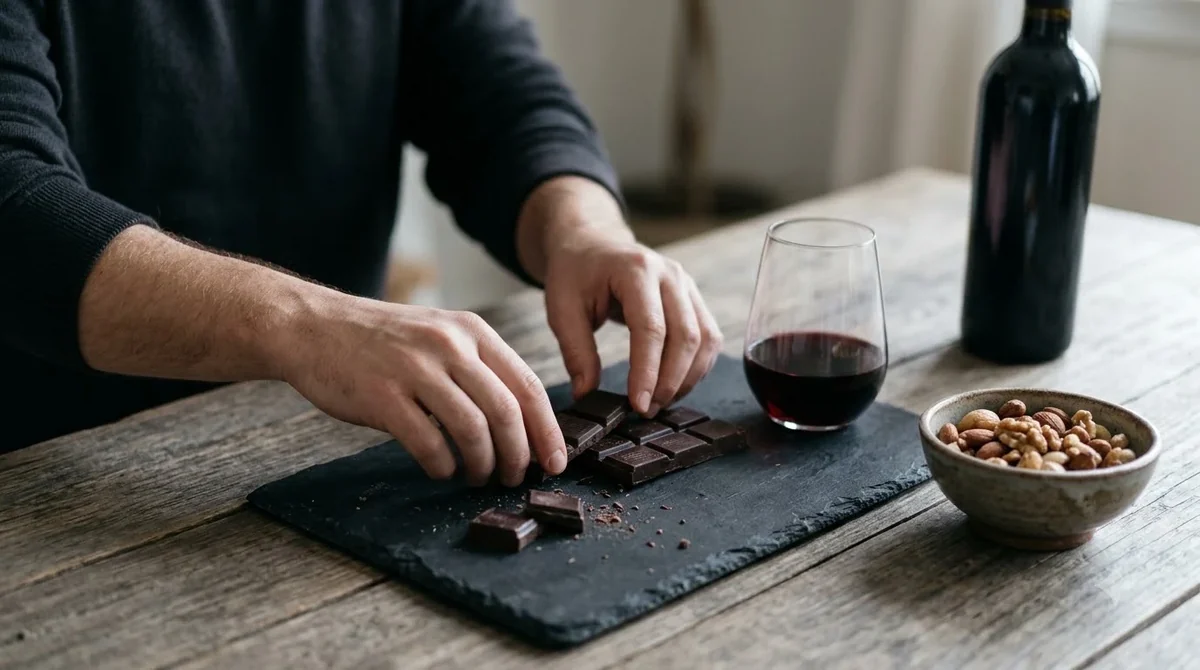
Food pairing is especially useful because tannins interact with proteins and other compounds in the meal. Fat can soften the perception of astringency, making a structured red wine seem rounder and more balanced. This is why Cabernet Sauvignon is such a familiar companion to grilled meats and rich savory dishes.
Choose foods that complement the structure
- Grilled steak: Protein and fat help soften the drying impression, while the charred exterior complements Cabernet’s dark fruit and savory character.
- Lamb: Roasted lamb provides enough richness to work with firm tannins, particularly when served with rosemary and herbs.
- Beef short ribs: Slow cooking creates tender meat and a rich sauce that balances the wine’s structure.
- Aged cheddar: The concentrated savory flavors and fat content provide a useful contrast to Cabernet Sauvignon’s firm mouthfeel.
- Grilled portobello mushrooms: Their substantial texture and earthy character make them a satisfying meat-free pairing.
- Mushroom risotto: The creamy consistency and savory mushroom flavors can complement mature Cabernet Sauvignon.
Salt can also make fruit flavors seem brighter and change how the wine’s structure is perceived. A properly seasoned steak may therefore make Cabernet Sauvignon seem more balanced than it does when tasted by itself.
Foods that can make tannins seem harsher
Not every strong-flavored dish works with Cabernet Sauvignon. Chili-heavy dishes can make the wine’s alcohol feel hotter and its tannins more aggressive. Very delicate seafood can also be overwhelmed by the combination of tannin, body, and oak.
Oily fish, including salmon and tuna, can be difficult matches for strongly tannic reds because the wine’s astringency may clash with the fish’s texture and flavor. For these dishes, a fresher, lower-tannin wine is often a better choice.
Chocolate can work with Cabernet Sauvignon under the right conditions, particularly when the chocolate is not excessively sweet and the wine has sufficient fruit concentration. The sweetness of the dessert should not exceed the sweetness of the wine. For more pairing ideas, see Cabernet Sauvignon with chocolate.
Tip: If a young Cabernet Sauvignon feels excessively drying, try it with a well-seasoned piece of grilled steak or aged cheddar before deciding that the wine is too tannic. Food can change the balance considerably, and the wine may feel more harmonious alongside protein and fat.
Serving Temperature and Decanting for Better Texture
Proper serving temperature and decanting can make Cabernet Sauvignon more enjoyable, especially when the wine has firm tannins. A full-bodied Cabernet Sauvignon is generally best served around 60–65 F, while young, tightly structured examples may benefit from some time in a decanter.
Temperature influences how the different elements of wine are perceived. Serving Cabernet Sauvignon too warm can make alcohol feel more prominent, while serving it excessively cold can make its tannins seem harder and its fruit less expressive.
Choosing the right serving temperature
For a typical full-bodied Cabernet Sauvignon, aim for approximately 60–65 F. If the room is warm, a short period in the refrigerator can help bring the bottle closer to the desired temperature before pouring.
Temperature also affects the wine as it sits in the glass. A wine served slightly cool will gradually warm, allowing its aromas and flavors to become more apparent. Avoid leaving the bottle beside a fireplace, radiator, or sunny window.
When decanting helps
Young Cabernet Sauvignon can benefit from exposure to air. Decanting allows the wine to interact with oxygen, which may help its aromas become more expressive and its initially tight presentation feel more open.
A useful starting point for young, full-bodied Cabernet Sauvignon is 30–60 minutes of decanting. However, this is not a universal requirement. Some wines open quickly, while others need longer. Older bottles may be more delicate and can lose their aromatic intensity if exposed to air for too long.
Decanting does not remove tannins from the wine or instantly reproduce the changes that happen over years of bottle aging. It can change how the wine presents itself, but a highly structured young Cabernet will still retain its underlying tannic character.
To plan the timing more carefully, read how long to decant Cabernet Sauvignon. The age, structure, and condition of the bottle should guide the decision rather than a single fixed schedule.
For the best tasting experience, pour approximately 5 ounces per glass. A standard 750 ml bottle provides about five such servings, giving everyone enough wine to observe how its texture and aromas develop during the meal.
How to Recognize Good Tannins When Tasting Cabernet Sauvignon
Good Cabernet Sauvignon tannins provide structure without overwhelming the wine’s fruit, acidity, and aromatic complexity. The goal is not to find the softest possible wine but to recognize when the tannins are appropriate for the wine’s style and maturity.
A simple tasting comparison can help. Pour a young Cabernet Sauvignon alongside a Pinot Noir and a Merlot. Cabernet should generally show the firmest structure, while Pinot Noir typically has lower to medium tannin and Merlot generally feels softer and more approachable.
Pay attention to the sensation after each sip rather than focusing exclusively on the wine’s flavors. Ask whether the mouth feels gently coated, slightly dry, or strongly tightened. Notice whether the fruit remains present as the tannins build.
A practical tasting method
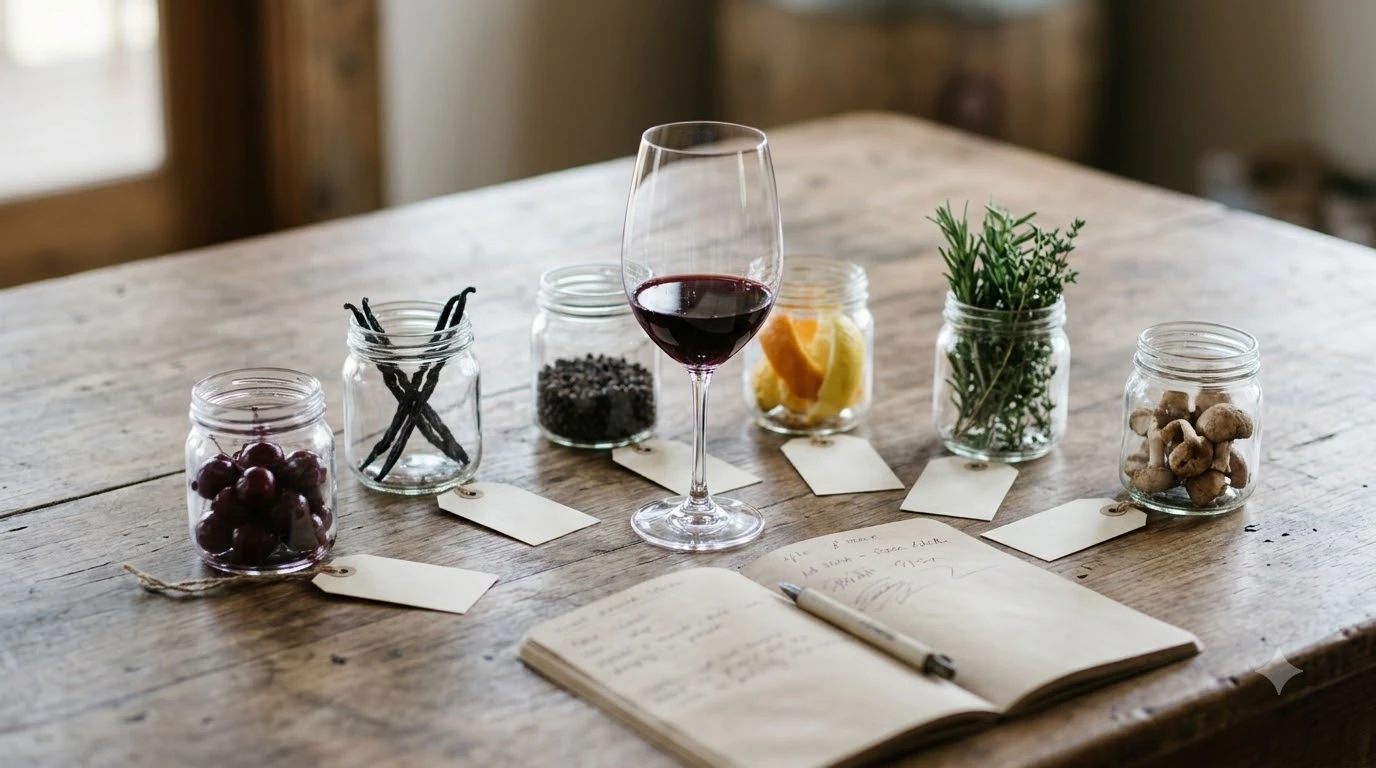
- Observe the wine: Look at its color and clarity. Cabernet Sauvignon commonly ranges from deep ruby to garnet as it matures.
- Smell before tasting: Identify aromas such as blackcurrant, blackberry, cedar, mint, vanilla, or tobacco.
- Take a small sip: Let the wine spread across the tongue and notice its initial texture.
- Focus on the gums: Pay attention to whether the tannins feel powdery, silky, chalky, grainy, or aggressive.
- Assess the finish: Notice whether the fruit and acidity remain balanced as the drying sensation develops.
- Repeat with food: Taste the wine alongside a piece of steak or aged cheese and compare the difference.
Ripe tannins often feel like fine suede or cocoa powder. They can be substantial without being unpleasant. Less integrated tannins may feel angular, green, or woody, particularly when the wine lacks enough fruit concentration to balance them.
It is also useful to compare Cabernet Sauvignon at different ages. A younger bottle may have more obvious primary fruit and a firmer finish, while an older bottle may show cedar, tobacco, and earthy notes alongside a softer texture.
Remember that a mature Cabernet Sauvignon is not automatically better than a young one. Some drinkers prefer the bold fruit and firm structure of youthful wines, while others enjoy the more developed aromas and integrated tannins of mature examples. Both styles can be excellent when the wine is balanced and properly stored.
Frequently Asked Questions
Does Cabernet Sauvignon contain more tannin than Merlot?
Generally, yes. Cabernet Sauvignon usually has higher tannin and a firmer structure than Merlot, although growing conditions and winemaking can change the comparison. Merlot is often used in blends to contribute a softer mid-palate and more approachable texture. Both varieties can produce substantial tannin in concentrated examples.
Can Cabernet Sauvignon tannins cause a bitter aftertaste?
Yes, some tannic wines can have a bitter impression, particularly when seed extraction is aggressive or the fruit is insufficiently ripe. However, bitterness and astringency are different sensations. Bitterness is a taste, while astringency is primarily the drying and tightening sensation associated with tannins.
Does Cabernet Sauvignon have tannins even without oak aging?
Yes. Most of Cabernet Sauvignon’s tannic structure originates from the grape itself, particularly its skins and seeds. Oak aging can add more tannins, but it is not necessary for Cabernet Sauvignon to have a firm structure. Even wines matured entirely in stainless steel can have substantial natural tannins.
Can aerating Cabernet Sauvignon change its color?
Extended contact with oxygen can contribute to gradual color changes in red wine. During aging, reactions between tannins and anthocyanins help stabilize color and can eventually contribute to sediment. These changes occur through complex chemical processes rather than simply through the brief exposure involved in pouring a glass.
Why does Cabernet Sauvignon sometimes leave sediment in the bottle?
As red wine matures, some tannin and color compounds combine into larger structures that can eventually become insoluble. These materials may collect at the bottom of the bottle or along its side. Sediment is particularly common in older, structured red wines and does not automatically mean the wine has spoiled.
Cabernet Sauvignon tannins are an essential part of the grape’s identity, providing the structure that distinguishes it from softer red wines. Their character changes with grape maturity, winemaking, oak influence, and bottle age, making them an important part of both the tasting experience and the wine’s development. Learn to recognize their texture, serve Cabernet Sauvignon at the right temperature, and pair it with suitable foods to appreciate the balance behind every glass.
More in Wine Types & Grapes
 What Does Mourvèdre Taste Like? Flavor Profile, Regions, and PairingsUpdated Nov 20, 2026
 What Does Marsanne Taste Like? Flavors, Styles, and Food PairingsUpdated Nov 20, 2026
 What Does Malvasia Taste Like? Styles, Flavors, and Food PairingsUpdated Nov 20, 2026
 What Does Grenache Blanc Taste Like? Flavor Profile, Styles, and PairingsUpdated Nov 20, 2026
 What Does Garnacha Taste Like? Key Flavors, Styles, and Pairing TipsUpdated Nov 20, 2026
 What Does Fruit Wine Taste Like? A Complete Flavor and Style BreakdownUpdated Nov 20, 2026