
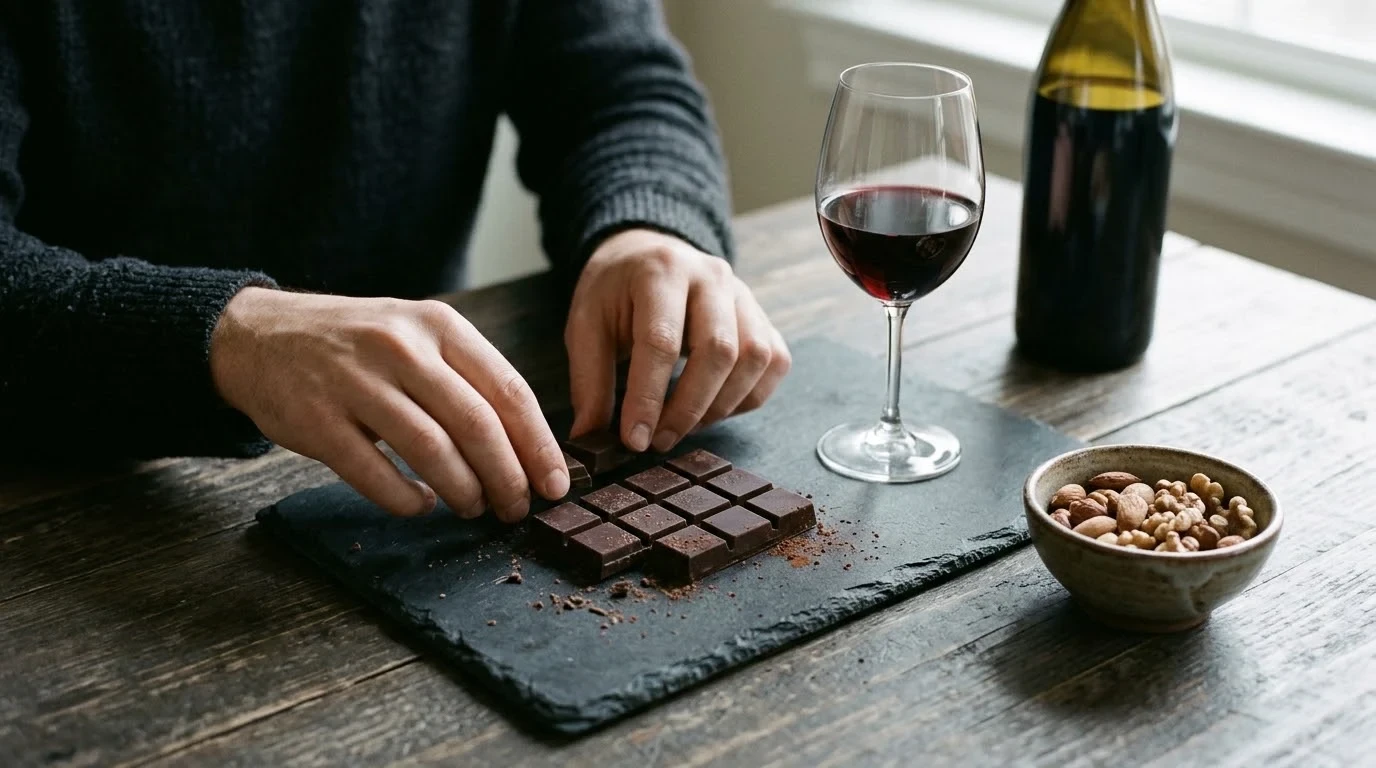

We may earn a commission when you buy through links on this page, at no extra cost to you. Learn more.
Amontillado wine is a dry sherry from Jerez in southern Spain that begins its life under a layer of flor yeast, like a fino, and finishes aging in contact with air, like an oloroso. That two-stage path gives it a deep amber color, a nutty and dried-fruit character, and a dry finish that sits between the pale, saline fino and the darker, richer oloroso. It is one of the most useful styles in the sherry family for drinkers who find fino too sharp and oloroso too heavy.
Amontillado is one of the less familiar names on a wine list, but it is easy to understand once you know where it sits in the sherry family. This guide explains what amontillado is, how it is made, how it tastes, how to serve it, and what to eat with it, so you can order or buy a bottle with confidence.
What Amontillado Wine Is
Amontillado is a style of sherry made in the Jerez region of Andalusia. Sherry is fortified wine, which means a neutral base wine has spirit added to it during production. Amontillado is one of the traditional styles, alongside fino, manzanilla, oloroso, and palo cortado, and it is the style that most clearly combines two different aging paths in one bottle.
The name is also used more loosely in the trade. According to a Spanish wine-trade guide, some sellers apply the term to any sherry whose color falls between a fino and an oloroso. For a shopper, that means the label and the producer’s description matter more than the name alone when you want a specific flavor.

How Amontillado Is Made
Amontillado starts as a fino. The base wine is aged in barrels where a thin film of flor yeast grows on the surface. Flor protects the wine from oxygen and gives fino its pale color and fresh, yeasty character. In amontillado, that layer is thin or incomplete, so the wine is not fully protected from the air.
At that point the wine is fortified to a higher strength, typically about 17.5 percent alcohol, and the flor dies off. The wine is then aged oxidatively in porous oak casks, where contact with air slowly darkens the color and builds richer, nuttier flavors. This second stage is what separates amontillado from a true fino and gives it its amber tone.
The Spanish wine-trade guide at spanish-wines.org describes the same two-step path, noting that the flor layer in amontillado is thin or incomplete and that the wine is then oxidized slowly in porous oak. That detail is what makes amontillado a true hybrid rather than a fino that has simply been left to age.
Because the wine has been aged under two different conditions, it carries flavors from both. The fino stage contributes dryness and a faint savory edge, while the oxidative stage adds color, body, and a roasted or nutty depth.
Flavor, Color, and Style
Amontillado is darker than fino and lighter than oloroso. In the glass it usually shows a golden to deep amber color. On the nose, drinkers often describe notes of hazelnut, dried fruit, and toasted almond, sometimes with a faint salinity from the flor stage. On the palate it is bone dry, with a medium body and a long, savory finish. It is richer than fino but still clean, not heavy or sweet.
The table below compares amontillado with the two styles it most often gets confused with.
| Style | Flor layer | Aging path | Color | Typical character |
|---|---|---|---|---|
| Fino | Full flor, throughout aging | Biologically aged under flor | Pale straw | Dry, light, saline, yeasty |
| Amontillado | Thin or incomplete flor, then removed | Fortified to about 17.5 percent, then oxidative | Amber | Dry, nutty, medium body |
| Oloroso | Never under flor | Fully oxidative from the start | Deep brown | Rich, dried fruit, full body |
Winemakers and sherry houses handle each barrel by eye and by palate, so two bottles with the same label can still differ in weight and dryness. Tasting a few amontillados side by side is the fastest way to find the balance you like, and most specialist shops will let you compare a fino and an amontillado before you commit to a full bottle.
The table shows why amontillado is often the first sherry that reluctant wine drinkers enjoy. It keeps the crispness of a dry wine but adds enough depth that it works well on its own, not only as a mixer or a cooking ingredient.
How to Serve Amontillado
Amontillado is normally served chilled, which lifts its aromas and keeps the dryness crisp. Many people pour it as an aperitif in a small, tulip-shaped glass that concentrates the nose. Serving it too warm can make the alcohol feel more prominent and flatten the nutty notes, so a short time in the refrigerator before serving is a good habit.
Temperature matters less than most people expect, but it still shapes the experience. A glass that sits in a warm room for an hour will taste flatter and heavier, while a glass taken straight from the refrigerator may hide some of the nutty notes. Pour a small amount, let it warm slightly in the glass, and notice how the flavor opens.
Once opened, the wine is more stable than a fino. Keep the bottle corked and refrigerated, and it stays in good condition for up to two weeks. That is a practical advantage for a household that wants a sherry for occasional glasses rather than a bottle that must be finished in a single evening.
Tip: Store an unopened bottle upright in a cool, dark place. Once opened, recork it tightly and keep it in the refrigerator so the flavors stay fresh for the full two weeks.
What to Eat With Amontillado
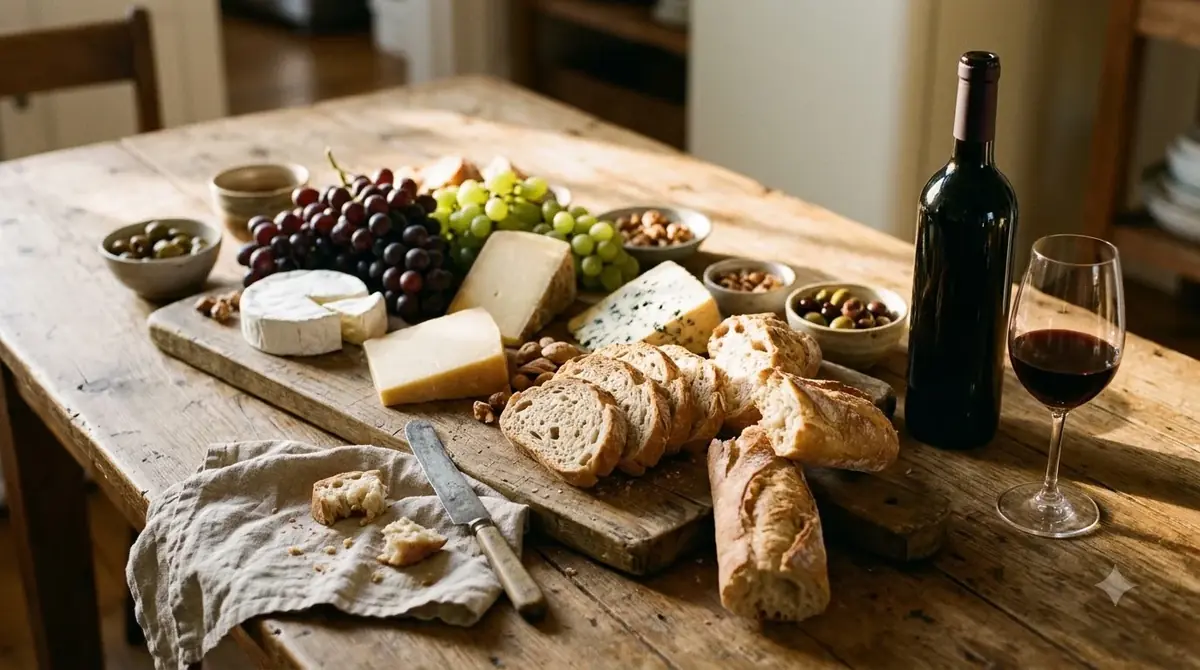
Amontillado is a food wine, and its dryness and depth make it flexible at the table. It works well as an aperitif with olives, almonds, cured ham, and aged cheeses, where its nutty notes echo the snacks. At a meal, it pairs well with roast chicken and rabbit, two dishes that the Spanish wine-trade guide mentions, and it can stand up to richer sauces without overwhelming them.
Pairings also depend on how the dish is cooked. Grilled and roasted foods bring out the wine’s toasty character, while simmered dishes with cream or butter soften its edges and let the nutty flavors blend. If you are unsure, start with a simple plate of olives, almonds, and a mild cheese, then move to a main course once you know how the wine behaves with your food.
Because the wine is dry rather than sweet, it is a good match for savory dishes where a sweet wine would clash. Try it with mushroom dishes, grilled fish with herbs, or a plate of Spanish tapas. The nutty character also complements roasted vegetables and dishes built on toasted nuts.
How to Choose an Amontillado Bottle
Start with the label. Look for the word amontillado or an equivalent description from the producer, and check that the bottle comes from the Jerez region if that matters to you. Producers often describe the wine as dry, and that is a useful cue if you are new to sherry.
Next, think about how you plan to drink it. If you want a wine for a dinner party or a special aperitif, choose a bottle from a producer whose notes match the nutty, dried-fruit profile you like. If you are buying for everyday use, a smaller bottle is more practical because it can be finished within the two-week window after opening.
If the sweeter end of the wine list appeals more, you may want to try a different direction altogether, such as moscato wine, which is light, sweet, and sparkling. Amontillado is a better fit for drinkers who want a dry, savory glass with real depth.
Finally, compare it with the other sherry styles on the shelf. If you enjoy crisp, saline wines, a fino or manzanilla may suit you better. If you prefer deeper, richer flavors, an oloroso may be the next step. Amontillado sits in the middle, which is why many drinkers choose it as a first sherry.
Frequently Asked Questions
Is amontillado sweet or dry?
Amontillado is dry. It has the nutty, savory depth of an aged sherry without the sweetness found in some other styles, so it works well before a meal and with savory food.
What is the difference between amontillado and oloroso?
Amontillado begins under flor yeast and is then aged oxidatively, while oloroso never sees flor and ages purely through contact with air. Amontillado is usually lighter in color and more delicate than oloroso.
How long does amontillado last after opening?
Once corked and kept in the refrigerator, an opened bottle of amontillado keeps for up to about two weeks. Drinking it within that window keeps the flavors bright and the wine enjoyable.
Can I cook with amontillado?
Yes. Its dryness and nutty character make it a good choice for sauces, braises, and deglazing a pan, especially with chicken, mushrooms, or seafood. Use a modest amount so the flavor adds depth without dominating the dish.
Amontillado also rewards patience. Its character develops over the years in the barrel, and producers who handle the aging carefully deliver a wine that keeps its flavor and balance from the first glass to the last. Whether you are buying for a quiet evening or a dinner with friends, it gives you a dry, savory option that feels considered without being difficult.
Amontillado rewards a little curiosity. It is dry, savory, and more layered than its pale cousins, and it is versatile enough for an aperitif or a meal. If you want to explore further, browse our guide to wine by type to compare other styles, or read about muscadine grapes if you enjoy understanding how grape character shapes the glass.
More in Wine Types & Grapes
 Zinfandel Sugar Content: Dry Red vs. White Zinfandel GramsUpdated Nov 21, 2026
 Best Zinfandel Substitute Options for Sipping and CookingUpdated Nov 21, 2026
 Zweigelt Food Pairing: Best Dishes, Cheeses, and Serving TipsUpdated Nov 21, 2026
 Zinfandel Tannins Explained: How Structure Shapes Every BottleUpdated Nov 21, 2026
 Zinfandel Sweetness Level: Dry Red vs. Sweet White Zin ExplainedUpdated Nov 21, 2026
 Xinomavro Food Pairing: Best Dishes, Styles, and Serving TipsUpdated Nov 21, 2026