

We may earn a commission when you buy through links on this page, at no extra cost to you. Learn more.
The constantia wine region is a historic, cool-climate wine area on the Cape Peninsula south of Cape Town, South Africa, best known for fresh Sauvignon Blanc and Klein Constantia’s celebrated sweet Vin de Constance. Its maritime setting, mountain slopes, and long winemaking history give the area a distinct identity within the Western Cape. Cabernet Franc, Merlot, Riesling, and other varieties broaden the picture beyond its two best-known styles.
Constantia is unusual because a working vineyard landscape sits close to a major city while retaining a strong sense of place and history. A visit can combine coastal-influenced wines, Cape Dutch architecture, mountain views, and a taste of one of the Cape’s most famous historic wine styles. Understanding the region starts with its geography, then moves through its grapes, estates, and table traditions.
Where Constantia Sits and How Its Wine History Began
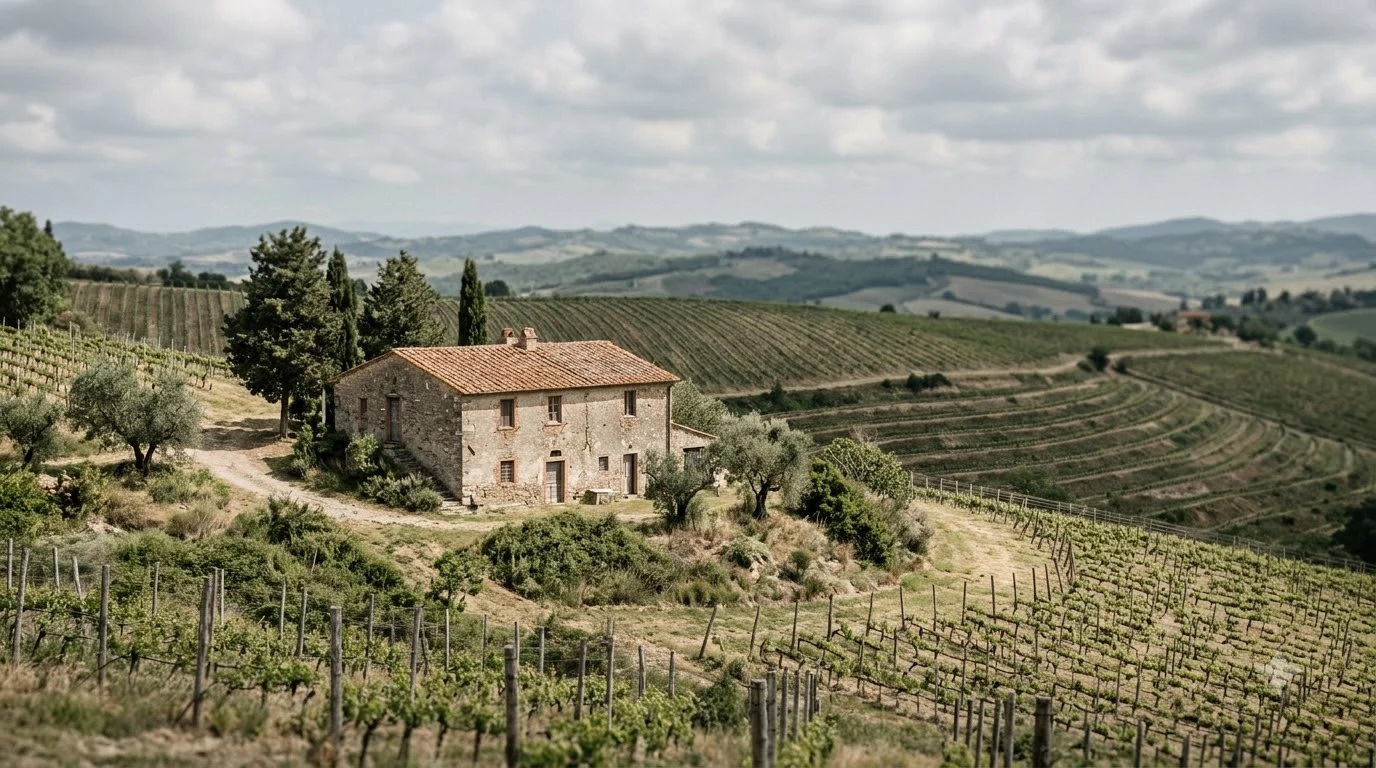
Constantia lies on the southern side of Cape Town, below the Constantiaberg and the wider Table Mountain range. The vineyards occupy a peninsula shaped by the Atlantic and Indian oceans, with the sea helping moderate temperatures even though the area is only a short drive from the city.
The region’s story reaches back to 1685, when the Dutch East India Company granted Commander Simon van der Stel a large estate on the lower slopes of the Steenbergen. Van der Stel planted vines, and the property became the foundation for Constantia’s reputation. Following his death, the original estate was divided into separate properties that included Groot Constantia and Klein Constantia. That early history gives the district a central place in South African wine.
During the 18th and 19th centuries, Constantia was especially famous for its sweet wines. They traveled to European courts and attracted the attention of monarchs, writers, and collectors. The style became associated with the Cape itself, and the estate names Groot Constantia and Klein Constantia became part of its history. The old sweet-wine trade declined after phylloxera devastated the Cape’s vineyards in the late 19th century; Wines of South Africa’s historical account records that the celebrated original wines disappeared after 1886.
The dates trace both continuity and change: 1685 marks the start of the wine story, 1886 marks the end of the original sweet-wine era, and the late 20th century brought the modern revival.
| Milestone | Year | Why it matters |
|---|---|---|
| Simon van der Stel receives the Constantia estate | 1685 | The start of the region’s documented wine history |
| Phylloxera brings the historic sweet-wine period to an end | 1886 | The old Constantia wines disappear before a later revival |
| Klein Constantia releases its first modern vintage | 1986 | The estate’s contemporary revival begins |
| Vin de Constance is revived | 1990 | The historic sweet-wine name returns |
Cool Maritime Conditions and Mountain Soils Shape the Wines
Constantia’s defining natural feature is its cool maritime climate. The vineyards sit between two major ocean influences, and regular sea breezes slow ripening and help grapes retain acidity. Compared with warmer inland parts of the Western Cape, Constantia generally has a longer, gentler growing season and fewer hours of intense sunlight.
The area’s relationship with the coast is not just a broad regional label. Decanter describes Constantia as a peninsula location almost surrounded by the two oceans, with cooling breezes especially useful for Sauvignon Blanc and Riesling. The False Bay side and the slopes around Constantiaberg create variation between vineyard sites: elevation, aspect, wind exposure, and shade can all affect how quickly fruit ripens. As a result, wines from different estates need not share one uniform profile even when they use the same grape.
Soils also contribute to the region’s character. Decomposed granite is a recurring feature of the slopes around Constantiaberg, and its presence is part of the area’s historical explanation for why the site was selected for vines. Slope, aspect, drainage, and elevation vary from vineyard to vineyard. Soil alone does not dictate a wine’s flavor, but combined with maritime weather and site position it helps explain why Constantia can produce whites with freshness as well as reds that favor balance over sheer ripeness.
Rainfall is relatively high by Western Cape standards, and the cool conditions can reduce the need for irrigation. Soil depth, slope, vine age, and rainfall timing still matter from site to site. For drinkers, the result is a regional style that often emphasizes lift, acidity, and clearly defined fruit rather than heavy, sun-baked flavors.
Sauvignon Blanc Leads, with Riesling and Cape Red Blends Close Behind
Sauvignon Blanc is the clearest dry-wine calling card of Constantia, thanks to the area’s cool air and maritime influence. Expect the variety to show citrus, green fruit, fresh herbs, and a lively line of acidity, with individual wines ranging from crisp and direct to more layered examples shaped by lees contact or oak. Riesling also suits the cooler conditions and can offer citrus, floral notes, and a taut structure.
Semillon appears as a single-variety wine and as a blending partner, especially alongside Sauvignon Blanc. The two grapes can balance one another: Sauvignon Blanc contributes aromatic lift and acidity, while Semillon can add texture and a broader mid-palate. Producers may use stainless steel for a bright, fruit-forward style or introduce barrel fermentation and lees aging for more depth. Those choices are made by each cellar, so the region should not be reduced to one winemaking recipe.
Constantia’s reds are also gaining a clearer identity. Cabernet Franc and Merlot are important varieties in the cooler parts of the district, with Cabernet Sauvignon and other Bordeaux grapes appearing in blends. Decanter’s report on Cape red blends notes that Beau Constantia winemaker Megan van der Merwe regards Cabernet Franc and Merlot as cornerstone varieties for the estate’s cooler maritime site. The phrase “Constantia red” captures the idea that these wines can express local conditions rather than simply imitate Bordeaux.
Cabernet Franc can bring perfume, red-fruit character, and savory herbs, while Merlot often supplies softer texture and rounded fruit. A blend may add Cabernet Sauvignon for structure. Compared with a powerful warm-climate red, a Constantia red can feel more restrained, with freshness and measured tannins central to its balance.
Vin de Constance Revives the Region’s Historic Sweet-Wine Fame
Vin de Constance is the modern reference point for Constantia’s historic sweet wines. Made at Klein Constantia, this unfortified dessert wine revives a style that was once prized in Europe and associated with the Cape’s earliest international wine reputation. Its importance is both historical and sensory: it connects the present-day region with the sweet wines that made Constantia famous centuries ago.
The original Constantia wines were naturally sweet and made mainly from Muscadel grapes, in both red and white forms. Wines of South Africa’s historical account also mentions smaller quantities of Pontac and White Frontignac. On each farm, the recorded production was approximately 14,000 liters of Red Muscadel and 7,000 liters of White Muscadel. The figures illustrate how much the historic identity centered on sweet wine rather than the modern emphasis on Sauvignon Blanc.
Producers achieved concentration by leaving grapes on the vine into the warm part of the season until berries had shriveled and their sugars concentrated. That approach depended on careful vineyard decisions and favorable late-season weather. The resulting wines were rich, aromatic, and scarce. Their fame reached beyond the Cape: WOSA records the wine’s place in European royal circles and recounts the often-repeated story of Napoleon requesting Constantia during his exile on Saint Helena. The Napoleon detail is presented as a legend, not a firmly documented tasting note.
The traditional trade collapsed after phylloxera damaged the original vineyards. Klein Constantia later restored the connection through Vin de Constance, a contemporary wine shaped by current viticulture and cellar practice rather than a replica of an 18th-century bottle.
Tip: Serve Vin de Constance cool, around 43–50 F, in a smaller wine glass. Pair it with a dessert that is no sweeter than the wine, such as fruit tart, poached pear, or a lightly sweet almond dessert, so the wine retains its aromatic detail.
Historic Estates and Contemporary Producers Show Different Sides of Constantia
The estate names help explain the variety within Constantia. Groot Constantia is central to the region’s early history, while Klein Constantia is closely associated with Vin de Constance and Sauvignon Blanc. Buitenverwachting is another historic name, and the district also includes Constantia Uitsig, Steenberg, Beau Constantia, and Constantia Glen. Each provides a different way to encounter the valley’s mix of heritage and modern winemaking.
Groot Constantia is a natural starting point for visitors interested in the region’s origins. Its historic buildings and wine estate setting make the connection to Simon van der Stel tangible, while its present-day wines show that the property remains an active producer. Klein Constantia is essential for anyone curious about the return of the famous sweet-wine style, but its dry wines also help show how the maritime climate works with Sauvignon Blanc.
Steenberg is another useful stop for comparing Sauvignon Blanc and Semillon-based wines. Beau Constantia is associated with the contemporary red-wine conversation, including Cabernet Franc and Merlot in a cooler site. These examples should not be treated as an exhaustive ranking: cellar-door offerings, tasting formats, and opening arrangements can change. Check each estate’s current visitor information before setting out, especially when planning a guided cellar visit or a meal.
For a wider regional perspective, it helps to compare Constantia with other cool-climate regions. The Tasmania wine region is also known for maritime influence and lively acidity, though it sits in a very different Southern Hemisphere setting. The Savoie wine region offers a contrasting alpine expression, while the broader Wine Regions overview can help place Constantia among major wine-growing areas. Such comparisons make clear that climate is a starting point, not a guarantee of identical grape varieties or flavors.
Visiting, Tasting, Serving, and Pairing Constantia Wines
Constantia makes an accessible wine-country visit from Cape Town because the estates are clustered on the city’s southern side. A half-day can include two tastings and time for lunch, while a full day allows a slower visit to historic properties, vineyard viewpoints, and restaurants. The Constantia Wine Route also promotes food experiences, estate visits, outdoor activities, and the region’s heritage setting, so a trip need not revolve around tasting rooms alone.
Plan the day around the styles you want to compare: begin with Sauvignon Blanc, add a Semillon or Sauvignon Blanc–Semillon blend for texture, then try a red blend built around Cabernet Franc or Merlot. Finish with Vin de Constance if it is available. This sequence moves from dry, high-acid wines to richer reds and a sweet wine. Serve a crisp Sauvignon Blanc around 45–50 F, a fuller white at 50–55 F, and Vin de Constance at about 43–50 F. For reds, aim for 55–60 F for a lighter style and 60–65 F for a fuller one.
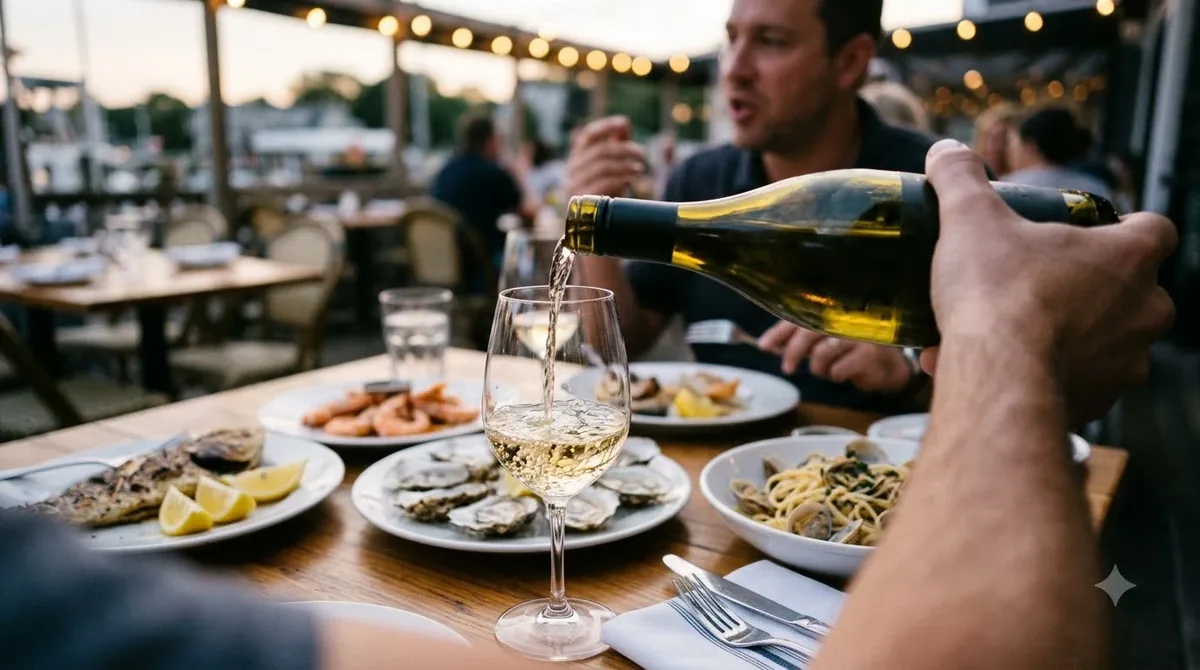
Pair Constantia Sauvignon Blanc with oysters, grilled prawns, fresh goat cheese, herbs, or green vegetables; its acidity meets the freshness of the food. Semillon-based whites suit roast chicken, richer fish dishes, or vegetables with butter and cream. For dishes with lemon, vinegar, or a sharp dressing, choose a wine with equal or higher acidity. For reds, think about grilled lamb, roast beef, mushrooms, and savory herbs; salt and fat soften tannin, while tannic reds can clash with oily fish. Very hot chili can make alcohol and tannin seem stronger. A sweet Constantia wine should be at least as sweet as dessert.
A standard pour is about 5 ounces, and a 750-milliliter bottle gives roughly five glasses. Store unopened bottles on their sides near 55 F, away from light and temperature swings. Refrigerate opened still wine and aim to finish it within 3–5 days; let a white warm slightly in the glass if it seems muted.
Frequently Asked Questions
These questions cover Constantia’s 1685 beginnings, its best-known grapes, and the sweet-wine tradition that links modern estates to the Cape’s early wine trade.
Is Constantia the oldest wine region in South Africa?
Constantia is widely recognized as South Africa’s oldest wine-producing area, with its documented origins tied to Simon van der Stel’s estate in 1685. Groot Constantia is also identified as South Africa’s oldest wine estate, a distinction that refers to the historic property rather than every individual vineyard parcel.
Who led Klein Constantia’s modern revival?
Klein Constantia credits Duggie Jooste with acquiring the estate in 1980 and setting its revival in motion. The winery’s history also names winemaker Ross Gower, architect Gawie Fagan, and Professor Chris Orffer as members of the restoration team.
Is Constantia part of Stellenbosch?
No. Constantia is a distinct wine ward in the Cape Town area, while Stellenbosch is a separate wine district farther east. Both are in the Western Cape, but their geography and local growing conditions differ.
Does Klein Constantia offer a vertical Vin de Constance tasting?
The estate lists a vertical experience built around three vintages of Vin de Constance. Comparing those vintages gives visitors a chance to see how the wine’s expression changes with time and harvest conditions.
Should I book a Klein Constantia tasting in advance?
Yes. Klein Constantia says advance booking is essential because its tasting room has limited capacity. The estate lists separate experiences for its signature wines and for Vin de Constance, so reserve the format you want rather than assuming every tasting is a walk-in option.
Constantia rewards drinkers who look beyond its famous sweet wine: Sauvignon Blanc, Semillon, Riesling, and Cape red blends all show how a cool coastal setting can shape different styles. Start with the historic estates, compare a few producers, and leave room for Vin de Constance as a distinctive link between the region’s past and present.
More in Wine Regions
 Willcox Wine Trail: Discover Arizona’s High-Elevation Wine CountryUpdated Nov 20, 2026
 Yakima Valley Wine Region: Find the Best Styles to TryUpdated Nov 20, 2026
 Vosne Romanee Wine Tasting: Identify Aromas and Choose Better PairingsUpdated Nov 20, 2026
 Yakima Valley Wine Festival: Find the Best Seasonal Wine EventsUpdated Nov 20, 2026
 Wales Vineyards: Discover Cool-Climate Wines and Where to VisitUpdated Nov 20, 2026
 Yountville Wine Festival: Discover Napa Wines and Local FoodUpdated Nov 20, 2026