

We may earn a commission when you buy through links on this page, at no extra cost to you. Learn more.
The monterey wine region is a diverse California Central Coast wine destination known for its cool-climate Chardonnay, Pinot Noir, and distinctive American Viticultural Areas (AVAs). Located along Monterey Bay and the Salinas Valley, this extensive growing area combines coastal fog, afternoon ocean breezes, mountain elevations, and varied soils to produce wines with different expressions of fruit, acidity, and structure. Its vineyards range from cool northern sites to warmer southern valleys, allowing growers to cultivate everything from delicate white wines to full-bodied Cabernet Sauvignon and Rhône-style reds.
Monterey County offers a more varied wine landscape than its coastal reputation might initially suggest. Although its maritime climate is particularly favorable for Chardonnay and Pinot Noir, its inland valleys and mountain vineyards also support Syrah, Merlot, Cabernet Sauvignon, Riesling, Sauvignon Blanc, and numerous other varieties. Understanding the county’s geography and individual AVAs makes it easier to recognize what distinguishes its wines and which bottles are worth exploring.
Where the Monterey Wine Region Begins and What Makes It Distinctive
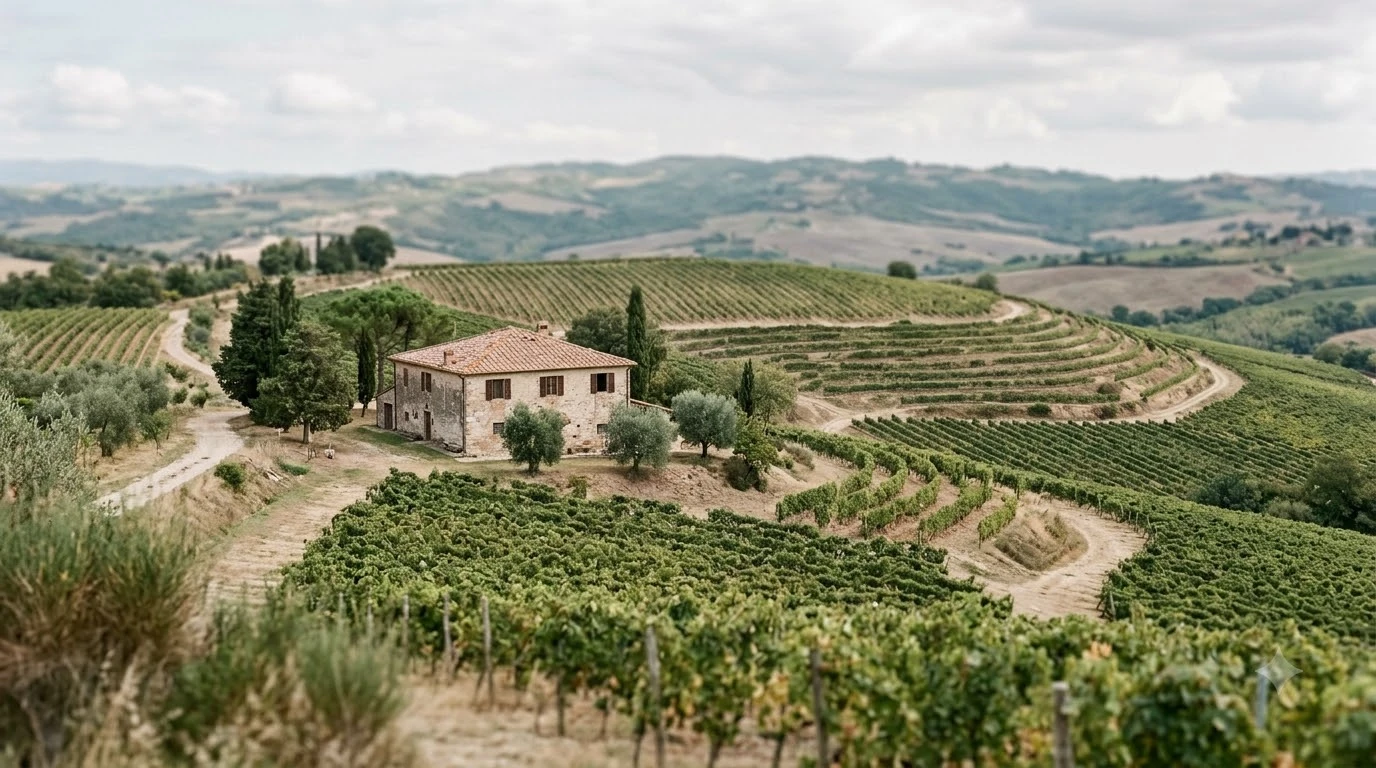
The Monterey wine region stretches approximately 90 miles from north to south along California’s Central Coast. Its vineyards occupy the Salinas Valley, the foothills of the Santa Lucia and Gabilan mountain ranges, and several smaller valleys where elevation and ocean exposure create distinctive growing conditions.

Monterey Bay plays an important role in defining the region’s climate. Cold Pacific Ocean water helps generate maritime air and coastal fog, while afternoon breezes travel inland through the Salinas Valley. These influences moderate daytime temperatures and can extend the period during which grapes mature on the vine.
The result is a region with considerable climatic variation. Northern vineyards generally experience cooler conditions and longer ripening periods, making them suitable for varieties that benefit from moderate temperatures. Further south, vineyards receive more warmth and can produce grapes with greater concentration and riper fruit characteristics.
According to Wine Enthusiast, the northern portion of the Monterey AVA is particularly associated with Chardonnay, Riesling, and Pinot Noir. Southern parts of the broader AVA can reach temperatures approaching 100 degrees Fahrenheit and support traditional Bordeaux varieties, including Cabernet Sauvignon and Merlot.
Geography also separates Monterey from other well-known California wine destinations. Napa Valley is often associated with Cabernet Sauvignon and warm-climate reds, while Sonoma encompasses a wide range of coastal and inland wine styles. Monterey offers a similarly broad selection, but its cool maritime influence and extended Salinas Valley geography are central to its identity.
For wine drinkers, this means that the county name alone does not tell the entire story. Two bottles labeled Monterey can have very different characteristics depending on their vineyard locations, grape varieties, and winemaking methods. A cool-site Pinot Noir and a southern Cabernet Sauvignon may share the same broad regional designation while delivering substantially different experiences.
The History of Monterey County Winemaking
Monterey County has a winemaking history that reaches back to 1771, when Spanish missionaries planted grapevines near the Soledad and San Antonio missions. Its modern commercial wine industry developed later, with the 1919 planting at Chalone marking an important milestone in the area’s development.
Franciscan friars originally cultivated Spanish Mission grapes at San Antonio de Padua Mission and Nuestra Señora de la Soledad Mission. These early vineyards supplied grapes for sacramental, table, and fortified wines. The region’s winemaking activity subsequently declined following the secularization of California’s missions during the nineteenth century.
A renewed commercial chapter began in 1919 when Frenchman Charles Tamm planted vines in what is now the Chalone Vineyard area of the Gabilan Mountains. Tamm recognized the potential of the local limestone soils and believed they had similarities to the growing conditions found in Burgundy, France.
That early planting remains historically important. A block of approximately 3.79 acres survives as part of Chalone’s vineyard heritage, providing a connection between Monterey’s early commercial development and its contemporary wine industry.
The industry expanded significantly during the 1960s. Producers including Wente, Mirassou, Paul Masson, J. Lohr, and Chalone contributed to a new period of vineyard development. Researchers at UC Davis also helped establish a scientific understanding of Monterey’s growing potential through climate classification work.
Between 1971 and 1974, growers planted approximately 25,000 acres of vineyards across the county. This expansion transformed Monterey into a major source of California wine grapes and helped establish the foundation for its modern network of wineries and AVAs.
The development of individual appellations followed. Chalone received AVA approval in 1982, followed by Arroyo Seco and Carmel Valley in 1983 and the larger Monterey AVA in 1984. Additional designations subsequently recognized the distinctive geography of other growing areas.
Today, Monterey County’s identity reflects both its agricultural history and its increasingly diverse premium wine production. Its vineyards supply grapes for wines that emphasize freshness, regional character, and the differences between individual growing sites.
Understanding Monterey County’s American Viticultural Areas
Monterey County contains ten AVAs, including the extensive Monterey designation and smaller appellations with distinct climates, elevations, and soils. Understanding these geographical divisions provides a useful starting point for identifying the wine styles associated with different parts of the county.
An American Viticultural Area is a legally recognized grape-growing region distinguished by geographical features, climate, and other characteristics. Monterey’s appellations overlap in some areas, and the broader Monterey AVA encompasses several smaller growing areas. The Monterey County Vintners and Growers Association’s AVA overview provides additional geographical details and planting information for these individual appellations.
Santa Lucia Highlands
Santa Lucia Highlands is one of Monterey’s most recognized premium growing areas. Its vineyards occupy elevated terraces along the eastern slopes of the Santa Lucia Mountains, overlooking the Salinas River Valley.
Morning sunshine and cool afternoon maritime breezes contribute to a long growing season. Chardonnay, Pinot Noir, and Syrah are particularly important varieties here. The combination of elevation, exposure, and coastal influence allows grapes to develop ripe flavors while retaining freshness.
Arroyo Seco
Arroyo Seco takes its name from a Spanish expression meaning dry riverbed. The appellation begins in a narrow gorge near the Santa Lucia Mountains and opens toward the Salinas Valley.
Its varied terrain includes large river stones and gravelly soils that encourage drainage. Chardonnay and Riesling are important white varieties, while Zinfandel and several Bordeaux and Rhône grapes also grow successfully. The area’s moderate climate supports a wider range of varieties than a simple coastal classification might suggest.
Chalone
Chalone occupies elevated terrain in the Gabilan Mountains near Pinnacles National Park. It is particularly distinctive for its limestone and granite soils, relatively limited rainfall, and substantial differences between daytime and nighttime temperatures.
Chardonnay, Pinot Noir, Chenin Blanc, and Syrah are among its important varieties. Its elevation reduces some of the cooling influence experienced closer to Monterey Bay, creating a growing environment that combines warm sunshine with cool nights.
Carmel Valley
Carmel Valley is an inland appellation with vineyards distributed around Carmel Valley and Cachagua Valley. Its mountainous landscape creates differences in temperature and elevation, including sites above the coastal fog line.
The region is associated with Cabernet Sauvignon and Merlot, along with Burgundian varieties. Its relatively small planted vineyard area makes it different from the expansive Salinas Valley growing districts.
Other Monterey County AVAs
The remaining appellations contribute further diversity to the county’s wine production:
- Gabilan Mountains: An elevated appellation with granite-rich and limestone-influenced soils, warm conditions, and approximately 436 planted acres.
- Hames Valley: A southern growing area known for warmer temperatures, shale soils, and Rhône varieties.
- San Antonio Valley: A southern inland valley supporting Cabernet Sauvignon, Syrah, Grenache, Tempranillo, and Albariño.
- San Bernabe: A large vineyard area with approximately 5,000 cultivated acres and varied temperatures across its growing sites.
- San Lucas: A warmer southwestern section of the Salinas Valley known for Cabernet Sauvignon, Merlot, Chardonnay, and Sauvignon Blanc.
- Monterey: The large county-spanning appellation that encompasses several smaller growing areas and includes substantial differences between northern and southern vineyards.
These distinctions are particularly useful when comparing bottles. A Santa Lucia Highlands Pinot Noir, for example, comes from a different growing environment than a Cabernet Sauvignon from Carmel Valley or a Rhône-style blend from Hames Valley.
The Climate, Geography, and Soils Behind Monterey Wines
Monterey’s wine character is shaped by the interaction of ocean temperatures, fog, mountain elevations, valley winds, and soil composition. These conditions influence how quickly grapes ripen, how much natural acidity they retain, and which varieties are best suited to each vineyard.
The most important climatic influence is Monterey Bay. Cold Pacific water contributes to cool maritime air that moves inland, especially through the Salinas Valley. This helps moderate temperature extremes and can delay ripening compared with warmer inland California growing areas.
Fog is another important factor. Morning fog can reduce direct sunlight and slow the warming of vineyard sites. As the day progresses, sunlight returns and afternoon breezes help regulate vineyard temperatures. The combination supports gradual grape development, particularly in coastal-influenced northern locations.
Elevation introduces another layer of variation. Vineyards in the Santa Lucia Highlands and Chalone experience different temperature patterns from lower valley sites. Higher elevations can receive stronger sunshine during the day and cooler air at night, creating significant daily temperature differences.
Soils are equally important. Monterey County includes sandy loam, gravelly deposits, shale, limestone, granite, and other geological formations. These materials influence drainage, water availability, and vine growth.
Chalone is particularly notable for limestone and granite, while Arroyo Seco includes gravelly soils and large river stones. Hames Valley contains shale-rich soils that contribute to the character of its warmer-climate vineyards.
These differences help explain why the region cannot be described through one climate classification or one dominant wine style. Northern coastal vineyards, elevated mountain sites, and southern inland valleys have distinct conditions that encourage different grape varieties.
For consumers, the practical takeaway is that Monterey wines often combine ripe fruit with refreshing acidity, but the balance varies according to the vineyard location and grape variety. Cooler locations tend to emphasize freshness and more restrained fruit, while warmer areas can produce fuller-bodied wines with greater concentration.
Tip: When choosing a Monterey bottle, start with its AVA rather than relying only on the county name. Santa Lucia Highlands is a useful starting point for Pinot Noir and Chardonnay, while Carmel Valley and Hames Valley are worth exploring for fuller-bodied red wines.
The Main Grape Varieties and Wine Styles of Monterey
Monterey County grows more than 50 grape varieties, although Chardonnay and Pinot Noir remain two of its most recognizable wines. Its combination of cool northern sites and warmer southern vineyards also supports Cabernet Sauvignon, Merlot, Syrah, Riesling, Sauvignon Blanc, and several Mediterranean varieties.
Chardonnay
Chardonnay is one of Monterey’s signature grapes. Its success reflects the region’s long growing season and the ability of cool vineyard sites to preserve acidity while developing ripe fruit flavors.
Depending on the producer and vineyard, Monterey Chardonnay can show lemon, green apple, pear, citrus, and stone-fruit characteristics. Some wines emphasize crisp acidity and restrained oak, while others receive barrel fermentation or oak aging to create richer textures and notes of vanilla, toast, and baking spice.
Cooler examples are particularly versatile with food. Try them with grilled chicken, roast turkey, scallops, or creamy seafood dishes. For richer oak-aged styles, dishes with butter or roasted vegetables provide a complementary texture.
Pinot Noir
Pinot Noir thrives in several of Monterey’s cooler growing areas, particularly Santa Lucia Highlands. The grape’s relatively delicate tannins and naturally high acidity make it well suited to sites where temperatures allow gradual ripening.
Typical flavor profiles include cherry, raspberry, strawberry, cranberry, earthy notes, and subtle spice. More structured examples may show darker fruit and a fuller texture, while lighter versions emphasize red berries and freshness.
Pinot Noir works particularly well with roast chicken, duck, mushroom dishes, grilled salmon, and pork. Its lower-to-medium tannin level also makes it a useful choice when a heavier red wine would overwhelm a delicate dish.
Cabernet Sauvignon and Merlot
Warmer areas such as Carmel Valley, San Lucas, and other inland locations support Bordeaux varieties. Cabernet Sauvignon generally produces wines with firm tannins, dark fruit, and considerable structure.
Merlot tends to have softer tannins and a rounder texture. Depending on the producer and growing location, Monterey examples can show plum, blackberry, cherry, and herbal characteristics.
Cabernet Sauvignon pairs naturally with grilled beef, lamb, and aged hard cheeses. Merlot is more flexible with roast pork, meatloaf, burgers, and mushroom-based dishes.
Syrah and Other Rhône Varieties
Syrah is an important red variety in Monterey’s warmer and more elevated growing areas. It can produce wines with dark berries, pepper, savory herbs, and medium-plus to high tannins.
Grenache, Viognier, Marsanne, and other Rhône varieties contribute to the county’s diversity. Depending on the growing site, these grapes may appear as individual varietal wines or as components of blended wines.
Syrah is particularly suitable for grilled lamb, barbecue, roasted mushrooms, and slow-cooked beef. Rhône-style white wines can complement seafood, poultry, and herb-seasoned vegetable dishes.
Riesling and Sauvignon Blanc
Riesling and Sauvignon Blanc benefit from the freshness available in cooler Monterey vineyards. Both varieties can retain pronounced acidity, making them useful choices for seafood and dishes with citrus or herb-based sauces.
Riesling ranges from dry to sweet, with flavors that may include lime, green apple, peach, and floral notes. Sauvignon Blanc generally emphasizes citrus, fresh herbs, and sometimes tropical fruit. Their acidity makes them particularly suitable for dishes that would overwhelm a softer, lower-acid white wine.
Monterey Wine Characteristics and Food Pairing
Monterey wines are diverse, but their most useful common feature is the balance between fruit development and freshness. Chardonnay and Pinot Noir often display the benefits of cool maritime conditions, while warmer-site reds provide fuller flavors and more substantial structure.
Choosing the right food pairing requires considering acidity, tannin, body, and sweetness rather than relying on grape variety alone. A crisp Chardonnay and a rich oak-aged Chardonnay can behave differently at the dinner table even though both come from the same grape.
Recommended Monterey Wine and Food Pairings
| Monterey wine | Typical characteristics | Suggested food pairing |
|---|---|---|
| Chardonnay | Medium acidity, apple, citrus, pear | Roast chicken, scallops, creamy pasta |
| Pinot Noir | High acidity, low-to-medium tannin, red berries | Duck, salmon, mushrooms, roast pork |
| Cabernet Sauvignon | High tannin, dark fruit, firm structure | Grilled steak, lamb, aged cheddar |
| Merlot | Medium tannin, plum, soft fruit | Roast pork, burgers, meatloaf |
| Syrah | Medium-plus to high tannin, pepper, dark fruit | Barbecue, grilled lamb, braised beef |
| Riesling | High acidity, citrus, apple, variable sweetness | Spicy Asian dishes, seafood, pork |
| Sauvignon Blanc | High acidity, citrus, herbs | Oysters, goat cheese, grilled fish |
| Viognier | Medium acidity, floral and stone-fruit notes | Roast chicken, aromatic seafood, mild curries |
Chardonnay is a natural companion for Monterey’s coastal seafood traditions. Grilled fish, crab, scallops, and shellfish work particularly well with fresh, unoaked examples. Richer Chardonnay can complement lobster, butter-based sauces, and creamy pasta.
Pinot Noir is another strong choice for coastal dining. Its acidity and moderate tannin allow it to pair with salmon, mushrooms, roasted poultry, and dishes featuring earthy herbs. Avoid pairing highly tannic red wines with oily fish, as the combination can produce an unpleasant metallic impression.
Cabernet Sauvignon and Syrah are better suited to more substantial dishes. Their tannins work with the protein and fat in beef, lamb, and rich grilled foods. Salt and fat also soften the perception of tannin, making these wines more approachable alongside appropriately seasoned meals.
Spicy foods require additional care. High alcohol and substantial tannin can intensify chili heat, so a fruit-forward, lower-tannin wine or an off-dry Riesling may be more comfortable with heavily spiced dishes.
Serving temperature also affects how Monterey wine tastes. Chilling a wine too much can hide its aromas, while serving it too warm can make alcohol seem more prominent. The following temperatures provide practical starting points.
| Wine style | Recommended serving temperature |
|---|---|
| Light-bodied white wine | 45–50°F |
| Full-bodied Chardonnay | 50–55°F |
| Light-bodied Pinot Noir | 55–60°F |
| Full-bodied Cabernet Sauvignon or Syrah | 60–65°F |
| Sweet white wine | 43–50°F |
For a typical dinner, a bottle of Monterey wine can provide approximately five standard servings when poured in 5-ounce glasses. A 750-milliliter bottle is a convenient size for sharing between two or three people over a meal.
Visiting Monterey Wineries and Planning a Wine Tasting Trip
Monterey County offers several different wine-tasting experiences, from coastal wine bars to vineyard tasting rooms in inland valleys. Visitors can combine wine exploration with the region’s restaurants, scenic drives, coastal attractions, and outdoor activities.
Monterey and Pacific Grove are convenient starting points for visitors who want to explore wine without traveling far from the coast. Wine bars and tasting destinations around Cannery Row provide opportunities to sample wines from different parts of the county while enjoying views of Monterey Bay.
Carmel-by-the-Sea offers another appealing base. Its restaurants, galleries, and coastal atmosphere make it easy to combine wine tasting with a relaxed day exploring the town. A short drive inland leads to Carmel Valley, where tasting rooms operate alongside restaurants and hospitality destinations.
Carmel Valley
Carmel Valley is especially useful for visitors interested in exploring individual producers. Wine Enthusiast identifies approximately two dozen tasting rooms in the valley, giving visitors opportunities to compare different approaches to Chardonnay, Pinot Noir, Cabernet Sauvignon, and Merlot.
Because Carmel Valley is an inland appellation, its vineyard conditions can differ substantially from those closer to Monterey Bay. Visitors interested in fuller-bodied red wines may find it particularly rewarding.
Santa Lucia Highlands and Salinas Valley
For travelers interested in understanding Monterey’s vineyard geography, the Salinas Valley and Santa Lucia Highlands provide an opportunity to see how mountain slopes and coastal influences interact.
Santa Lucia Highlands is especially relevant for visitors who enjoy Chardonnay and Pinot Noir. Its elevated vineyard terraces overlook the valley, offering a different perspective from the more sheltered Carmel Valley tasting destinations.
Coastal Wine Experiences
Monterey, Pacific Grove, and nearby Carmel-by-the-Sea offer a more flexible way to experience the county’s wines. These destinations are suitable for visitors who prefer restaurants and wine bars to driving between individual vineyard properties.
A practical itinerary could begin with a morning exploring Monterey’s waterfront, followed by lunch and an afternoon tasting in Carmel Valley. Another day could focus on the Salinas Valley and a comparison of wines from Santa Lucia Highlands and other inland appellations.
For additional ideas about tasting rooms, wine bars, and local destinations, consult Wine Enthusiast’s wine lover’s guide to Monterey County. It highlights the county’s coastal tasting destinations and the concentration of tasting rooms in Carmel Valley.
Before visiting a winery, confirm its current tasting hours, reservation requirements, and visitor policies. Some tasting rooms operate on limited schedules, and vineyard visits may require advance arrangements. Visitors should also plan transportation responsibly when sampling wines at multiple locations.
For a broader perspective on regional wine tourism, the Wine Regions collection provides a useful starting point for comparing wine destinations around the world. Readers interested in other distinctive cool-climate regions can also explore the Tasmania wine region and the Savoie wine region.
How to Choose, Serve, and Store Monterey Wine
Choosing a Monterey wine becomes easier when the grape variety, AVA, and intended occasion are considered together. A bottle from Santa Lucia Highlands may be a natural choice for someone who enjoys cool-climate Pinot Noir, while a Carmel Valley Cabernet Sauvignon offers a different style for those who prefer structured reds.
For a first introduction, Chardonnay and Pinot Noir are sensible starting points. They demonstrate the importance of Monterey’s maritime climate and are widely associated with its best-known growing areas.
After exploring those varieties, try Riesling or Sauvignon Blanc for fresh, high-acid white wines. Wine drinkers who prefer fuller reds can compare Cabernet Sauvignon, Merlot, and Syrah from warmer or more elevated vineyards.
Serving and Decanting
Serve Monterey Chardonnay at approximately 45–55°F, depending on its weight and oak influence. Pinot Noir generally benefits from a temperature of 55–60°F, while fuller Cabernet Sauvignon and Syrah are better served around 60–65°F.
Young, full-bodied red wines may benefit from 30–60 minutes of decanting. This can help soften the initial impression of a structured wine and allow its aromas to become more expressive. Lighter Pinot Noir generally requires less aeration, and older bottles may need careful handling to avoid excessive exposure to oxygen.
Storing Opened and Unopened Bottles
Store unopened wine in a cool, dark location with a relatively stable temperature near 55°F. Bottles sealed with natural cork are traditionally stored on their sides to keep the cork from drying out.
Once opened, reseal the bottle and refrigerate it. Most still Monterey wines remain enjoyable for approximately three to five days, although freshness varies with the wine’s style, age, and exposure to oxygen.
For the best results, use a suitable wine stopper and minimize the amount of air remaining in the bottle. Sparkling wines require a specialized sparkling-wine stopper and generally retain their best character for approximately one to three days after opening.
These basic practices help preserve the fresh fruit and acidity that make many Monterey wines appealing. They also allow a bottle to be enjoyed over more than one meal without unnecessary waste.
Frequently Asked Questions
Is Monterey considered part of California’s Central Coast wine region?
Yes. Monterey County is part of the broader Central Coast wine-growing area, which extends along California’s Pacific coastline. The Monterey AVA is also contained within this larger geographical designation, allowing wines to carry different regional appellation names depending on their origin.
Does Monterey produce sparkling wine?
Yes. Monterey County’s Chardonnay and Pinot Noir provide suitable grapes for sparkling wine production. These varieties are also widely used in traditional-method sparkling wines from other cool-climate regions, although production methods and individual bottling styles vary by producer.
What is the difference between Monterey AVA and Monterey County?
Monterey County is the larger political and geographical area, while Monterey AVA is a legally defined wine appellation within the county. The county contains several additional AVAs, including Carmel Valley, Chalone, and Santa Lucia Highlands. Consequently, a wine labeled with a smaller AVA identifies a more specific growing origin than one carrying only the broad county designation.
Can Monterey wines age in a cellar?
Some can. Structured Cabernet Sauvignon, Syrah, and premium Chardonnay may develop additional complexity with suitable cellar conditions. Age-worthiness depends on acidity, tannin, concentration, winemaking choices, and the individual vintage rather than the Monterey designation alone.
Are Monterey wines suitable for people who prefer European wine styles?
Many Monterey wines offer characteristics that appeal to drinkers familiar with European varieties and regional styles. Pinot Noir and Chardonnay can provide a useful comparison with Burgundy, while Syrah and Grenache can appeal to fans of Rhône-inspired wines. However, Monterey wines retain their own California identity through their fruit expression, growing conditions, and producer choices.
The Monterey wine region deserves attention for its remarkable combination of maritime climate, mountain vineyards, and varied AVAs. From fresh Chardonnay and expressive Pinot Noir to structured Cabernet Sauvignon and Syrah, its wines demonstrate how geography shapes California wine. Start with a bottle from Santa Lucia Highlands or Arroyo Seco, then explore the warmer inland appellations to discover the full range of Monterey County’s wine character.
More in Wine Regions
 Willcox Wine Trail: Discover Arizona’s High-Elevation Wine CountryUpdated Nov 20, 2026
 Yakima Valley Wine Region: Find the Best Styles to TryUpdated Nov 20, 2026
 Vosne Romanee Wine Tasting: Identify Aromas and Choose Better PairingsUpdated Nov 20, 2026
 Yakima Valley Wine Festival: Find the Best Seasonal Wine EventsUpdated Nov 20, 2026
 Wales Vineyards: Discover Cool-Climate Wines and Where to VisitUpdated Nov 20, 2026
 Yountville Wine Festival: Discover Napa Wines and Local FoodUpdated Nov 20, 2026