

We may earn a commission when you buy through links on this page, at no extra cost to you. Learn more.
The Lake County wine region is a Northern California North Coast wine area known for high-elevation vineyards, volcanic soils, crisp Sauvignon Blanc, and structured Cabernet Sauvignon. Clear Lake moderates nearby vineyards, while mountain slopes and ridgelines create distinct growing conditions across eight recognized appellations. The result is a varied set of wines, from fresh, citrus-driven whites to concentrated reds with firm structure and balanced acidity.
North of Napa Valley, Lake County rewards drinkers who look first at vineyard site, then at grape and producer. Elevation, lake influence, and volcanic geology vary sharply across the county, creating several distinct wine styles.
Where Lake County Sits and What Shapes Its Landscape
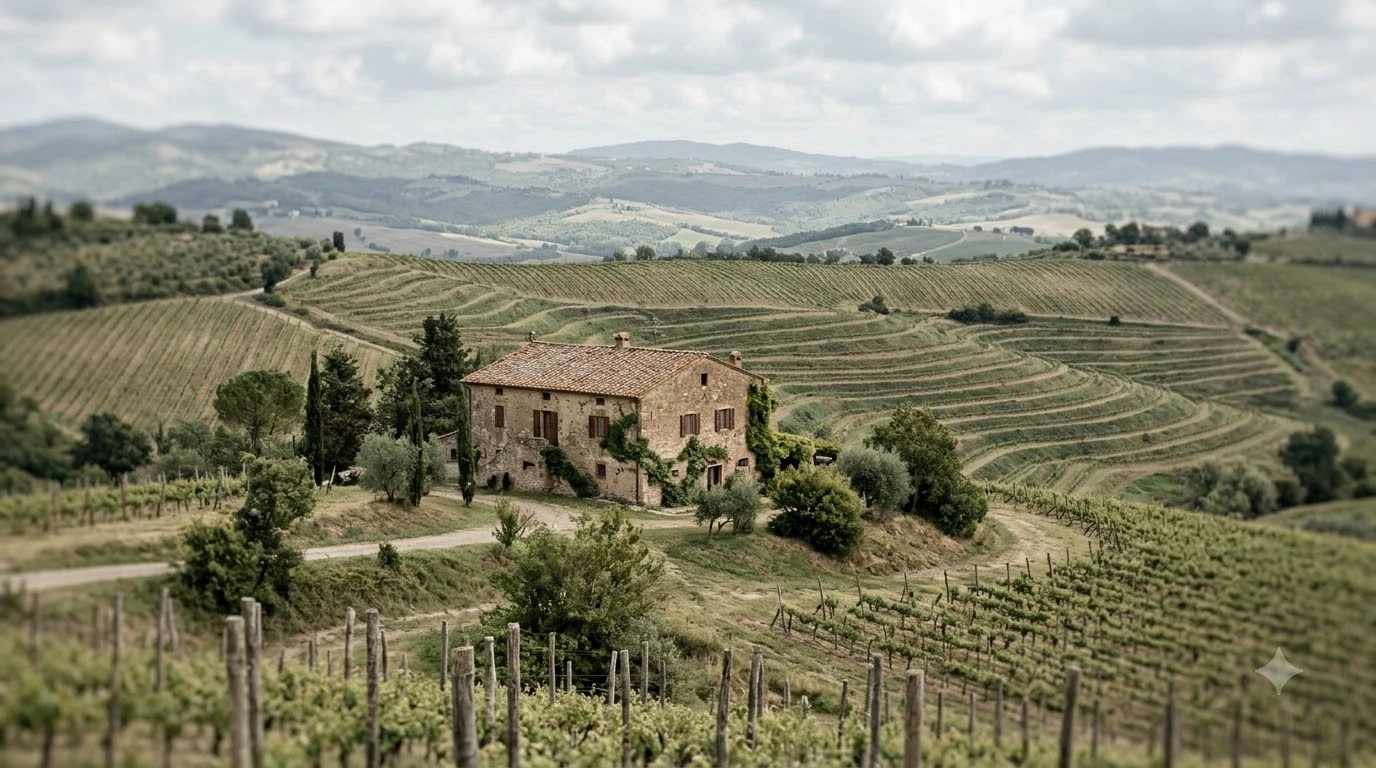
Lake County lies in Northern California’s Coast Range, just north of Napa County, with Clear Lake at the center of its winegrowing landscape. Mountain ranges, volcanic ridges, lake basins, and open valleys create a patchwork of vineyard settings rather than one uniform valley floor.
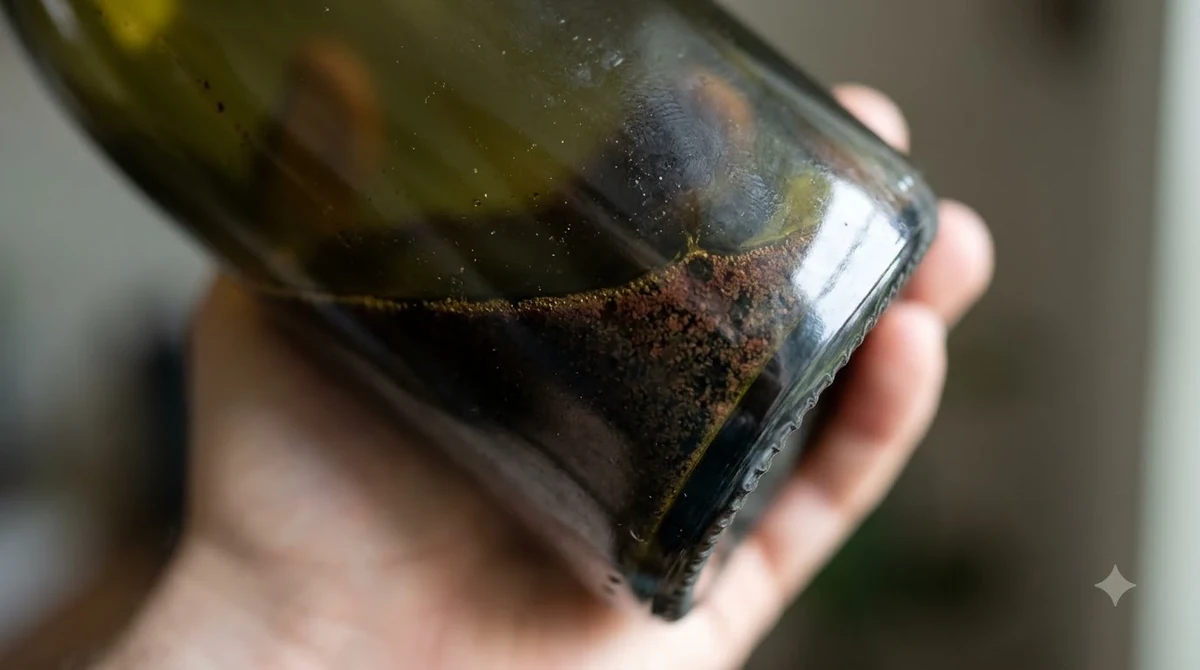
Clear Lake moderates temperatures in the Clear Lake AVA, where vineyards range from 1,300 to 3,000 feet. The Mayacamas rise to the west, the Vaca Range lies to the east, and dormant Mount Konocti stands beside the lake. These landforms influence air movement, exposure, and the contrast between valley sites and hillside vineyards.
Lake County belongs to California’s North Coast, but it is not simply an extension of Napa. Wine Enthusiast notes the interest in Red Hills Lake County, where higher sites and red volcanic soils shape a distinct Cabernet-growing district. The county label can therefore cover several different growing environments.
A high volcanic slope can produce a different Cabernet from a cooler bench near the lake, even within the same county. A visitor may see vines on open, sunlit slopes as well as flatter ground where lake breezes move through the rows. The site’s Wine Regions overview places Lake County alongside Napa, Sonoma, and the Sierra foothills.
Elevation, Climate, and Volcanic Soils
Elevation, sunlight, cool nights, and varied soils shape Lake County’s growing conditions. Together they can build ripe flavors and structure while preserving freshness.
The Lake County Winegrape Commission’s Clear Lake AVA profile places vineyards roughly 1,300 to 3,000 feet above sea level and reports day-to-night temperature swings of up to 50 degrees or more. Warm afternoons aid ripening, while cooler nights help retain acidity. The commission also reports ultraviolet exposure up to 10 percent higher than in neighboring sea-level valleys, which is associated with thicker skins and greater phenolic development.
Soils vary by district: Red Hills has red, iron-rich volcanic ground; upper High Valley includes volcanic sand, gravel, and tephra; Big Valley has gravel, clay, and loam. These differences affect drainage, water supply, vine vigor, and heat management. “Volcanic” is an umbrella term, not one uniform soil type.
Free-draining hillside soils can limit vine vigor and encourage smaller berries; deeper valley soils can support different growth and water patterns. Slope direction and canopy exposure also change how much afternoon sun reaches the fruit, so two vineyards at similar elevations may not ripen at the same pace. Growers adjust irrigation, canopy work, and harvest timing to the needs of each site rather than following one countywide formula. Compare the same grape from two Lake County districts and note changes in fruit concentration, acidity, tannin, and herbal character.
Tip: When tasting a Lake County wine, note the appellation as well as the grape. “Red Hills” or “Big Valley District” gives more location detail than the county name alone, and it can help explain differences in texture and flavor.
Eight Appellations, Eight Sets of Growing Conditions
The Lake County Winegrape Commission recognizes eight appellations: Clear Lake, Big Valley District, Guenoc Valley, High Valley, Kelsey Bench, Red Hills Lake County, Upper Lake Valley, and Long Valley-Lake County.
Established in 1984, Clear Lake AVA spans vineyard elevations of approximately 1,300 to 3,000 feet. Nearby Big Valley District is a cooler basin bordered by Clearlake, the Mayacamas, and Mount Konocti. Its vineyards sit around 1,326 to 1,418 feet, with Sauvignon Blanc, Chardonnay, Viognier, Riesling, Cabernet Franc, Zinfandel, and Merlot among the varieties grown there. Afternoon breezes help preserve freshness in whites and balance in reds.
Red Hills Lake County is associated with volcanic slopes and Cabernet Sauvignon. It lies along the northern Mayacamas and the southwest edge of Clear Lake, near Mount Konocti. Decanter reports vineyard elevations of about 425 to 1,125 meters, a range that creates varied hillside exposures. Look here for Cabernet with concentrated fruit and a firm frame.
High Valley, east of Clear Lake, has vineyards mostly between 1,600 and 2,400 feet, with some reaching 3,000 feet. Its valley floor, Round Mountain slopes, and ridge above Clear Lake create distinct growing zones; varieties include Cabernet Sauvignon, Cabernet Franc, Merlot, Petite Sirah, and Sauvignon Blanc. Kelsey Bench, Guenoc Valley, Upper Lake Valley, and Long Valley-Lake County add further contrasts. See the guide to Lake County vineyards for producer and site ideas.
The Grapes and Wine Styles to Know
Sauvignon Blanc and Cabernet Sauvignon are Lake County’s clearest reference points. The white shows bright acidity and ripe fruit; the red demonstrates how elevation and site selection can build structure without losing balance.
Lake County Sauvignon Blanc is often crisp, with stone fruit, tropical fruit, citrus, and a lively finish. Wine Enthusiast’s regional overview describes its examples as crisply ripe and identifies Big Valley as an important source of refreshing Sauvignon Blanc. Cooler-picked wines may emphasize lime and herbs; riper examples can show peach, melon, or passion fruit.
Cabernet Sauvignon is the county’s most planted grape. Mountain-grown examples can show concentrated red fruit, firm tannin, and balanced acidity. Red Hills is a key district, while High Valley also grows Bordeaux varieties. A young Cabernet may show blackcurrant, plum, cedar, or savory notes; bottle age can soften its edges and develop secondary aromas. Decanter reports that Cabernet Sauvignon accounts for 50 percent of plantings and Sauvignon Blanc 21 percent, while the county’s economic development office lists Petite Sirah, Pinot Gris, and Zinfandel among the next most-planted varieties.
Petite Sirah can bring deep color, dark berries, and substantial tannin. Zinfandel often leans toward ripe cherry, blackberry, and spice, while Merlot generally feels softer than Cabernet. Chardonnay, Viognier, Riesling, and Pinot Gris provide white alternatives; growers also cultivate Cabernet Franc, Malbec, Syrah, Grenache, Mourvèdre, and Tempranillo. These less familiar varieties are a reason to look past the two best-known grapes. A flight of Sauvignon Blanc, Cabernet, and one unfamiliar variety is a useful introduction.
History, Growers, and the Modern Wine Industry
Lake County’s modern wine industry grew from nineteenth-century roots, a Prohibition-era interruption, and renewed vineyard investment in the 1960s. Local growers now supply both nearby wineries and buyers elsewhere in California.
The Lake County Winegrape Commission traces winegrowing to the 1870s. Prohibition halted production and removed many vines, but planting resumed in the 1960s. The commission records fewer than 100 vineyard acres in 1965 and approximately 11,000 in its current overview, a striking expansion after the restart.
Growers supply local wineries and producers elsewhere in California. Decanter reports that roughly 70 percent of the county’s grape crop is purchased by winery buyers in Napa, Sonoma, and other parts of the state. Lake County-labeled bottles give drinkers a direct way to explore the county’s vineyards and appellations.
Lake County’s economic development office reports more than 30 wineries. Some bottle estate fruit; others source from several districts. Fermentation, oak, blending, and harvest timing can make wines from the same grape distinct, so ask whether a bottle is estate grown, single vineyard, or a multi-site blend. You can also ask growers about soil health, water use, canopy management, and pest control; sustainable and organic are not interchangeable terms.
How to Taste, Serve, and Pair Lake County Wines
Serve whites cool enough to preserve freshness and reds gently cool so tannin stays balanced. Pair each wine by acidity, body, and tannin rather than by county name alone.
Serve Sauvignon Blanc at 45 to 50 degrees Fahrenheit to keep citrus and herbal notes lively. Oysters, grilled shrimp, goat cheese, and greens with lemon are natural partners. Its high acidity can meet vinaigrette or other tart ingredients when the wine is at least as acidic as the dish. Full-bodied Chardonnay is better around 50 to 55 degrees.
Serve Cabernet Sauvignon around 60 to 65 degrees Fahrenheit. A structured example suits grilled beef, lamb, aged cheese, or savory sauces. Salt and fat soften tannin, making rich meat or salty cheese helpful partners; delicate oily fish can clash with tannic reds. Petite Sirah also suits rich, savory food, while softer Merlot works with roast chicken, pork, mushrooms, or tomato-based dishes. Sauvignon Blanc pairs with seafood and fresh herbs; Zinfandel can meet grilled sausages or barbecue. Chili heat is amplified by alcohol and tannin, so very spicy food can make a powerful red seem hotter.
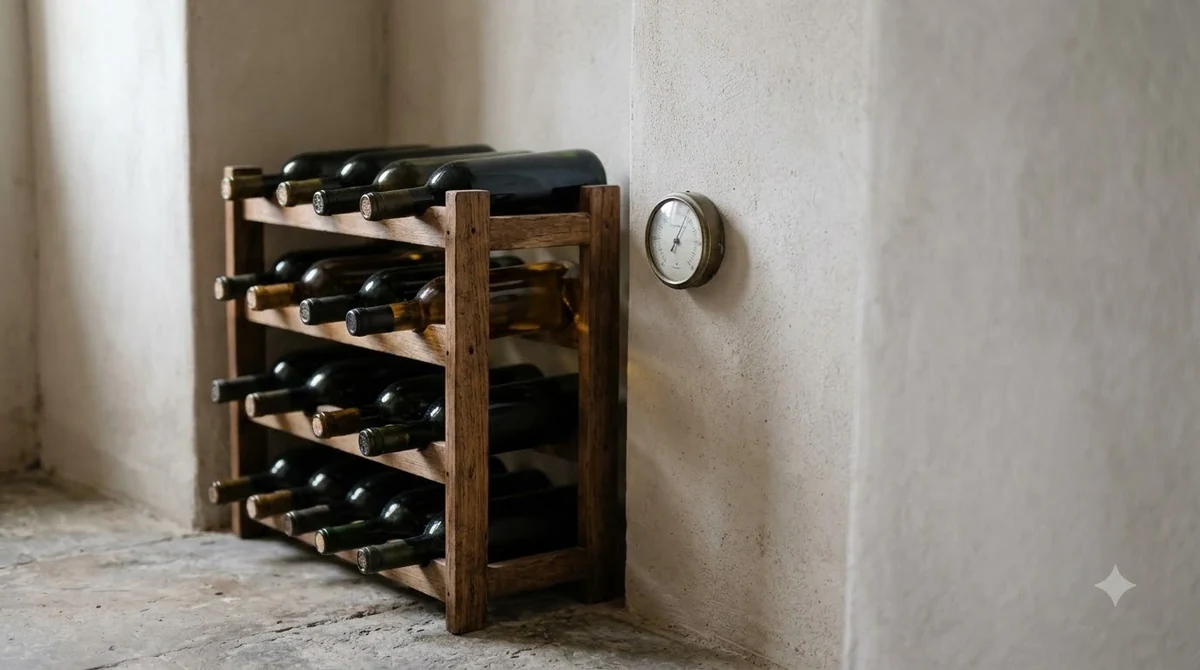
A standard pour is 5 ounces, so a 750-milliliter bottle gives about five glasses. Decant young, full-bodied reds for 30 to 60 minutes when they seem tight. Store bottles on their sides near 55 degrees Fahrenheit; refrigerate opened still wines and aim to finish them within three to five days.
| Wine style | Serving temperature | Food direction | What to notice |
|---|---|---|---|
| Sauvignon Blanc | 45–50°F | Oysters, shrimp, goat cheese | Citrus, herbs, bright acidity |
| Chardonnay, full-bodied | 50–55°F | Roast chicken, creamy pasta | Apple, melon, texture |
| Merlot | 55–60°F | Pork, mushrooms, roast poultry | Soft tannin, plum, red fruit |
| Cabernet Sauvignon | 60–65°F | Grilled beef, lamb, aged cheese | Dark fruit, tannin, structure |
| Petite Sirah | 60–65°F | Grilled meats, rich stews | Deep color, dark fruit, firm tannin |
Planning a Lake County Wine Visit
Lake County is spread across valleys, benches, and mountain slopes, so a focused route is more rewarding than trying to cover every appellation in one day. Choose one district, a few tasting stops, and time to enjoy Clear Lake’s landscape.
For Sauvignon Blanc, start around Big Valley, where lake influence and afternoon breezes favor fresh whites. Cabernet fans may prefer Red Hills or High Valley, where hillside elevation and volcanic soils are central to the region’s reputation. Ask for a flight that compares appellations, not just grape varieties, to see how site changes the wine.
Confirm tasting-room hours, reservations, and available flights before traveling. Distances may be longer than they look on a map, and mountain roads take time. Arrive with a short list of questions about vineyard elevation, soil, and grape sourcing; those details often make a tasting more informative than a score alone. Arrange a designated driver for a multi-stop day. The Lake County wine festival offers another way to meet producers and compare wines; confirm event details before making plans.
For a first purchase, choose Sauvignon Blanc and Cabernet Sauvignon from named appellations, then add one unfamiliar grape. Record producer, district, vintage, and serving temperature; those notes make it easier to find another Big Valley white, Red Hills Cabernet, or less familiar variety you enjoyed. Keep the bottles for a side-by-side comparison if possible, and serve them at similar temperatures so differences in structure and aroma are easier to judge.
Frequently Asked Questions
These answers add context on newer appellations, harvest volume, and vineyard practices. Lake County has eight recognized appellations, but some remain small and continue to develop.
When was Long Valley-Lake County recognized as an AVA?
Long Valley-Lake County became an approved AVA on August 4, 2023. Wine Enthusiast reported that its initial vineyard area was 149 planted acres across five commercial vineyards, with three wineries in the area. Those figures make it a small appellation compared with the broader Lake County districts.
Which Lake County appellation was established first?
Guenoc Valley is the oldest Lake County AVA, established in 1981, according to Decanter’s regional fact box. Red Hills Lake County was established in 2004 and is now particularly associated with volcanic hillside Cabernet. The appellation map developed over several decades rather than all at once.
How many tons of winegrapes does Lake County harvest?
Lake County reported 50,869 tons of winegrapes in 2024, according to the county’s economic development office. That figure measures harvested tonnage, not the number of bottles made locally, because some grapes are sold to wineries outside the county.
How much of Lake County’s vineyard land is certified sustainable?
Decanter’s regional fact box reports that 70 percent of Lake County vineyard land is certified sustainable and 20 percent is certified organic. The two figures describe different certification categories and should not be added together as though every acre belonged to a single combined program.
What is unusual about Long Valley-Lake County’s geography?
Long Valley is a transverse valley that runs east to west, an uncommon orientation in the United States. Wine Enthusiast notes that only eight valleys in the country share this alignment. The valley floor sits about 1,322 feet above sea level, with foothills rising another 200 to 500 feet.
The Lake County wine region rewards drinkers who look beyond the county name and pay attention to appellation, grape, and vineyard site. Begin with Sauvignon Blanc and Cabernet Sauvignon, then compare bottles from different districts to discover how Clear Lake, volcanic ground, and mountain elevation shape the wines.
More in Wine Regions
 Willcox Wine Trail: Discover Arizona’s High-Elevation Wine CountryUpdated Nov 20, 2026
 Yakima Valley Wine Region: Find the Best Styles to TryUpdated Nov 20, 2026
 Vosne Romanee Wine Tasting: Identify Aromas and Choose Better PairingsUpdated Nov 20, 2026
 Yakima Valley Wine Festival: Find the Best Seasonal Wine EventsUpdated Nov 20, 2026
 Wales Vineyards: Discover Cool-Climate Wines and Where to VisitUpdated Nov 20, 2026
 Yountville Wine Festival: Discover Napa Wines and Local FoodUpdated Nov 20, 2026