

We may earn a commission when you buy through links on this page, at no extra cost to you. Learn more.
Cote chalonnaise wine comes from a southern Burgundy region in France known for expressive Pinot Noir, Chardonnay, Aligoté, and traditional-method sparkling wines. Its five principal village appellations are Bouzeron, Rully, Mercurey, Givry, and Montagny, each offering a different combination of grapes, soils, and wine styles. The region provides an excellent introduction to Burgundy because it offers both red and white village wines, distinctive Premier Cru vineyards, and bottles with a strong sense of place.
Situated between the celebrated Côte de Beaune and the Mâconnais, the Côte Chalonnaise deserves attention from anyone interested in Burgundy beyond its most famous vineyard names. Its wines range from crisp, aromatic Aligoté to structured Pinot Noir, mineral Chardonnay, and sparkling Crémant de Bourgogne. Understanding the five appellations makes it easier to recognize their differences, choose a bottle for dinner, and discover which producers and vineyard sites suit individual preferences.
Where the Côte Chalonnaise Fits Into Burgundy
The Côte Chalonnaise occupies a central position in southern Burgundy, extending south from the area around Chagny toward Saint-Gengoux-le-National. Its location, landscape, and geological diversity help explain why neighboring villages can produce noticeably different wines.
The regional vineyard stretches approximately 25 kilometers from north to south and 7 kilometers across, according to Bourgogne Wines, the regional wine organization. It lies south of the Côte de Beaune and north of the Mâconnais, forming a transition between two important Burgundy wine areas. Its rolling hills, exposed slopes, and varied vineyard elevations create a collection of individual growing environments rather than one uniform landscape.
Many of the best vineyard positions face southeast. This orientation allows vines to receive useful morning and afternoon sunlight while benefiting from the region’s continental climate. Hot summers encourage grape ripening, while comparatively dry autumn conditions can help growers bring grapes to maturity before harvest.
The underlying geology includes Jurassic limestone, marl, clay, and other sedimentary formations. These materials influence drainage, water availability, and the growing conditions experienced by individual vineyard parcels. Limestone-rich locations are particularly important for the region’s Chardonnay and Pinot Noir, although soil composition alone does not determine the final character of a wine. Exposure, elevation, vine age, crop management, harvest decisions, and winemaking also contribute.
The region’s vineyards have a long history, with cultivation extending back approximately a thousand years according to Bourgogne Wines. Historical wine trading also connected communities such as Givry with important markets farther north. The region eventually developed its own recognizable identity, even though its wines were often overshadowed by the better-known names of the Côte d’Or.
For drinkers already familiar with Côte de Nuits wine, the Côte Chalonnaise provides an interesting comparison. Both regions rely heavily on Pinot Noir and Chardonnay, but the Côte Chalonnaise offers a different collection of village appellations and a broader selection of regional styles.
The official Bourgogne Wines overview of the Côte Chalonnaise provides additional geographical context, including the relationship between the region’s villages, vineyard landscape, and traditional sparkling wine production.
The Five Main Appellations and Their Differences
The five principal village appellations each have a recognizable identity, from Aligoté-focused Bouzeron to Chardonnay-only Montagny. Knowing their grape varieties and typical production proportions is one of the quickest ways to understand the region.
The following figures describe the approximate production color proportions reported by the Grand Chalon tourism office. They help illustrate the differences between appellations, although individual producers and vineyard sites can offer considerable variation.
| Appellation | White Wine | Red Wine | Main Grape |
|---|---|---|---|
| Bouzeron | 100% | 0% | Aligoté |
| Rully | 62% | 38% | Chardonnay, Pinot Noir |
| Mercurey | 18% | 82% | Chardonnay, Pinot Noir |
| Givry | 17% | 83% | Chardonnay, Pinot Noir |
| Montagny | 100% | 0% | Chardonnay |
Bouzeron: The Aligoté Specialist
Bouzeron stands apart because its village appellation is dedicated entirely to white wine made from Aligoté. The appellation covers Bouzeron and Chassey-le-Camp. Rather than relying on Chardonnay, the village demonstrates how another traditional Burgundy grape can produce distinctive wines with a strong connection to local conditions.
Aligoté generally offers refreshing acidity, bright citrus character, and flavors that can include green apple, pear, white flowers, and subtle mineral notes. Bouzeron is particularly interesting for drinkers who enjoy lively whites with a little more personality than a simple aperitif wine. It works well with shellfish, goat cheese, grilled fish, and vegetable dishes.
Rully: A Balance of White and Red
Rully is one of the region’s most versatile appellations. According to the Grand Chalon tourism office, its production is approximately 62% white and 38% red. Its white wines are typically based on Chardonnay, while Pinot Noir supplies the reds.
Rully Chardonnay is often fruity, lively, and rounded, making it a useful choice for people who appreciate Burgundy whites with freshness and moderate richness. Rully Pinot Noir tends to offer supple fruit and complexity, although more structured examples benefit from additional bottle age. Some vineyard sites carry Premier Cru classification.
Mercurey: The Red Wine Stronghold
Mercurey is the largest village appellation in the Côte Chalonnaise. Its production is approximately 82% red and 18% white, and its vineyards extend across Mercurey and Saint-Martin-sous-Montaigu.
Mercurey Pinot Noir is generally more substantial than the region’s lighter red examples. Expect red cherry, dark berry, earthy notes, and savory spice, with tannins and structure that vary by producer and vineyard. Its white wines offer a contrasting option, with floral aromas and a rounded texture.
Givry: Pinot Noir With Savory Character
Givry produces approximately 83% red wine and 17% white wine. Its vineyards include the communes of Givry, Dracy-le-Fort, and Jambles. The appellation is especially associated with Pinot Noir.
Young Givry reds can show noticeable spice and relatively firm tannins. With bottle age, these characteristics can soften, allowing the wine’s fruit and savory details to become more integrated. Givry is a particularly useful appellation to explore for drinkers who enjoy traditional Burgundy reds with a little more structure.
Montagny: Chardonnay From the Southern Slopes
Montagny produces exclusively white wine, with Chardonnay as its principal grape. Its appellation includes Montagny, Buxy, Jully-lès-Buxy, and Saint-Vallerin.
Montagny Chardonnay is commonly associated with mineral character, balance, freshness, and delicate aromas. It offers a different experience from richer Chardonnay styles, particularly when the producer emphasizes acidity and restrained oak influence. The appellation includes numerous Premier Cru vineyard sites, making it an appealing area for exploring differences between individual parcels.
Grapes, Soils, and the Character of the Wines
Pinot Noir, Chardonnay, and Aligoté form the foundation of the Côte Chalonnaise. Their different growing characteristics and responses to vineyard conditions explain much of the region’s stylistic variety.
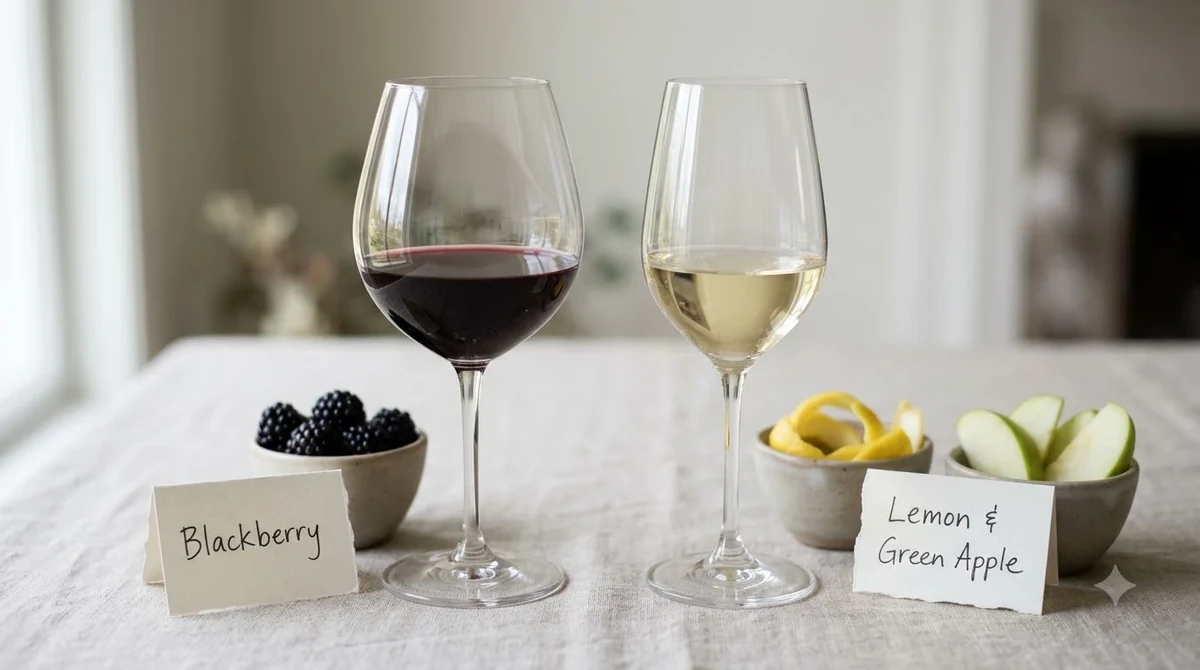
Pinot Noir is the principal red grape. It produces wines that can range from delicate and fragrant to firm and structured. Typical aromas include cherry, raspberry, strawberry, and sometimes darker berries. Earthy, herbal, and spice notes can develop with vineyard location, ripeness, and maturation.
Unlike Cabernet Sauvignon, which typically has high tannin, Pinot Noir generally has low-to-medium tannin and relatively high acidity. This combination makes Côte Chalonnaise reds particularly versatile at the table. A lighter Rully can suit roasted poultry, while a more structured Mercurey or Givry can accompany richer meat dishes.
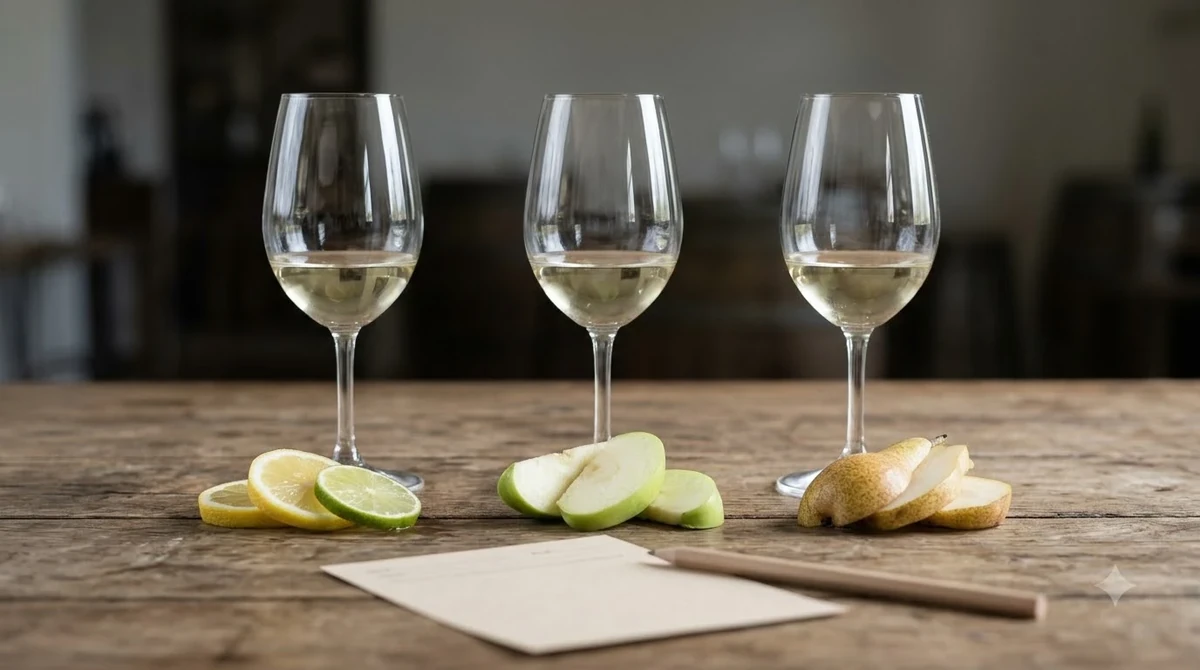
Chardonnay is the main white grape and appears in Rully, Mercurey, Givry, and Montagny. Depending on the producer and site, its flavors may include lemon, apple, pear, white flowers, and subtle stone-like mineral notes. Some wines emphasize freshness and citrus, while others have greater body and a creamier texture.
Chardonnay generally has medium acidity, although climate, harvest timing, and winemaking decisions influence the final balance. Oak aging can add notes of vanilla, toast, or baking spice, but oak is not a requirement for quality. Stainless-steel fermentation and restrained oak maturation can preserve a particularly fresh expression of the grape.
Aligoté provides a third important dimension. It is often more sharply refreshing than Chardonnay, with citrus and green fruit characteristics. Bouzeron demonstrates the grape’s ability to produce a village wine with its own identity rather than serving only as an alternative blending variety.
How Geography Changes the Wine
Much of the northern Côte Chalonnaise, including Rully and Mercurey, features Jurassic limestone formations. These soils, combined with vineyard exposure and local climate, provide suitable conditions for Pinot Noir and Chardonnay. Further south, around Montagny, marl becomes more prominent in the geological profile.
Clay content can influence water retention, while limestone and gravelly materials contribute to drainage characteristics. These factors can affect vine development during dry periods and influence the grapes’ ripening patterns. However, it is important not to assume that every limestone vineyard produces the same flavor or that all marl-rich locations create a single recognizable wine style.
Individual vineyard parcels, known locally as climats, have their own boundaries and growing conditions. Two wines from the same village may differ because of slope position, soil depth, sun exposure, vine age, and winemaking choices. This is an important part of understanding Burgundy: the village name identifies a broad origin, while a more specific vineyard designation provides additional geographical information.
Premier Cru Classification and Burgundy Wine Labels
The Côte Chalonnaise uses Burgundy’s appellation hierarchy, including regional, village, and Premier Cru designations. Understanding these categories helps buyers distinguish a broad regional wine from a bottle tied to a specific village or vineyard.
Regional appellations cover larger geographical areas. Bourgogne Côte Chalonnaise is an important example, allowing wines from eligible communes to carry the regional designation when they meet the relevant production requirements. These wines can provide a useful introduction to the area’s grapes without requiring a commitment to a particular village style.
Village appellations identify wines produced within defined geographical boundaries. Bouzeron, Rully, Mercurey, Givry, and Montagny are the five main village names to recognize. The designation tells the buyer where the grapes originate and, in certain cases, which varieties and production rules apply.
Premier Cru is a more specific classification. These wines come from officially delimited vineyard sites within qualifying villages. For example, a label may read Mercurey Premier Cru or Givry Premier Cru, sometimes followed by the individual climat name. This additional designation identifies a more precise origin rather than simply indicating that the wine is older or more powerful.
The Côte Chalonnaise does not have Grand Cru appellations. This is an important distinction from parts of the Côte d’Or, where Grand Cru sites occupy the highest classification level. However, the absence of Grand Cru status does not mean that the Côte Chalonnaise lacks distinguished vineyards or serious producers.
Premier Cru sites are found in Rully, Mercurey, Givry, and Montagny. Bouzeron has its own village identity but is not part of the same Premier Cru village classification pattern. Guide Hachette des Vins identifies approximately 140 Premier Cru climats across the Côte Chalonnaise, illustrating the number of recognized individual vineyard sites.
Reading a Côte Chalonnaise Label
Start by identifying the main appellation name. A bottle labeled Bouzeron indicates an Aligoté-based white wine, while Montagny identifies a Chardonnay-only appellation. Rully, Mercurey, and Givry can produce both red and white wines, so the color and grape variety should also be clear from the label.
Next, look for the words Premier Cru and any named climat. These provide additional information about the vineyard origin. A village-level Mercurey and a Mercurey Premier Cru share the same broad appellation identity, but the latter comes from a specifically classified site.
Producer identity remains important. Vineyard classification provides geographical information, but the quality and style of the finished wine also depend on farming, harvest decisions, fermentation, maturation, and bottling. Comparing two producers from the same climat can be as informative as comparing two different villages.
Tip: When comparing two bottles, begin with the village name, then the grape, then the vineyard classification. Comparing a Rully Chardonnay with a Montagny Chardonnay is generally more useful than comparing bottles solely because both carry a Burgundy designation.
The Grand Chalon tourism office’s appellation descriptions provide useful village-by-village details, including the production proportions and geographical distinctions behind the five village names.
How to Taste, Serve, and Store These Burgundy Wines
Serving temperature can make a noticeable difference to the aroma, acidity, and texture of Côte Chalonnaise wines. Light whites, fuller Chardonnay, and Pinot Noir benefit from slightly different temperatures.
Serve Bouzeron Aligoté and fresher Rully whites around 45–50°F. This temperature range preserves their citrus and floral character without making the wines seem excessively sharp. Montagny Chardonnay can also be served within this range, while fuller, richer white Burgundy often benefits from approximately 50–55°F.
For red wines, lighter Pinot Noir styles from Rully or Givry are generally best around 55–60°F. More structured Mercurey and fuller Givry reds can be served around 60–65°F. Serving red Burgundy too warm can make alcohol more noticeable and reduce the impression of freshness.
Crémant de Bourgogne should be served cold, around 40–50°F. A standard sparkling wine glass or a white wine glass with sufficient room for aromas can both work well. Very narrow glasses emphasize bubbles but can restrict the wine’s aromatic expression.
Opening and Decanting
Most young Côte Chalonnaise whites can be poured shortly after opening. Allowing a few minutes in the glass may help reveal additional floral and fruit aromas. More concentrated Chardonnay can benefit from a little extra air, particularly if it initially seems restrained.
Young, full-bodied red wines can benefit from 30–60 minutes of decanting. This is particularly useful for structured Mercurey or Givry Pinot Noir. However, delicate or older Pinot Noir does not automatically need prolonged aeration. Excessive exposure to air can reduce its more subtle aromatic qualities.
For everyday service, a standard 5-ounce pour is a useful reference. A 750 ml bottle contains approximately five such servings. When serving several different appellations together, begin with sparkling wine, continue with lighter whites, then fuller whites, and finish with red wines.
Storage and Leftover Wine
Store unopened Burgundy bottles in a cool, dark location with a stable temperature near 55°F. Traditional cork-finished bottles are generally stored horizontally to help keep the cork from drying out. Avoid locations exposed to direct sunlight, strong vibrations, or frequent temperature changes.
After opening, refrigerate still white and red wines and aim to drink them within approximately 3–5 days. Crémant and other sparkling wines generally retain their best character for around 1–3 days with a suitable sparkling wine stopper. These are practical guidelines rather than guarantees, since preservation depends on the wine, closure, and amount of oxygen remaining in the bottle.
Food Pairings for Côte Chalonnaise Chardonnay, Aligoté, and Pinot Noir
The region’s combination of bright whites and versatile reds makes it particularly useful for food pairing. Match the wine’s acidity, body, tannin, and fruit intensity with the main ingredients rather than relying only on the grape variety.
Bouzeron Aligoté is a natural companion for seafood and dishes that benefit from freshness. Its lively acidity works with oysters, shrimp, steamed mussels, and grilled white fish. It can also balance the richness of goat cheese, creamy vegetable dishes, and lightly dressed salads.
Rully Chardonnay is a flexible choice for roast chicken, pork tenderloin, seared scallops, and mild fish dishes. A fresher version works especially well with lemon-seasoned seafood, while a fuller example can accompany chicken with mushroom sauce or a lightly creamy preparation.
Montagny Chardonnay pairs well with roast poultry, baked fish, shellfish, and dishes containing butter or cream. Its balance of acidity and body helps complement sauces without overwhelming the food. For example, baked cod with a restrained butter sauce can work particularly well with a Montagny that has moderate richness and good freshness.
For red wines, Rully Pinot Noir can accompany roast turkey, duck breast, grilled mushrooms, and herb-roasted chicken. Its relatively modest tannin level and fresh acidity make it suitable for dishes that do not require a heavily structured red wine.
Mercurey and Givry can handle richer foods. Try Mercurey with roast beef, grilled lamb, pork shoulder, or mushroom-based dishes. A structured Givry can work with duck, roast chicken with herbs, and dishes featuring lentils or earthy vegetables.
Pairing by Flavor and Texture
Acidity is one of the most important considerations. A dish containing lemon, vinegar, or another pronounced acidic ingredient needs a wine with equal or higher acidity. Otherwise, the wine can taste flat beside the food. Bouzeron Aligoté and lively Rully Chardonnay are useful options for these preparations.
Salt and fat can soften the perception of tannin. This makes structured Pinot Noir a suitable partner for roast meats, aged cheeses, and savory dishes with some richness. However, delicate fish preparations generally work better with white Burgundy because tannic red wines can clash with oily fish and emphasize unpleasant metallic or bitter impressions.
Spice requires a little more care. Chili heat can feel stronger alongside alcohol and tannin, so avoid pairing heavily spiced dishes with powerful red wines. A fresh white such as Aligoté or a moderately rich Chardonnay is usually a more comfortable choice for food with noticeable heat.
For a simple dinner featuring several regional wines, consider this sequence:
- First course: Bouzeron Aligoté with oysters, shrimp, or goat cheese.
- Main course with white wine: Rully or Montagny Chardonnay with roast chicken or baked fish.
- Main course with red wine: Mercurey Pinot Noir with roast beef or mushroom dishes.
- Cheese course: Givry Pinot Noir with moderately aged cheeses.
- Celebration: Crémant de Bourgogne as an aperitif or alongside savory appetizers.
For additional Burgundy comparisons, exploring Côte de Nuits vineyards can help illustrate how vineyard location and classification influence Pinot Noir in another part of the region. The same attention to village identity and individual vineyard sites is useful throughout Burgundy.
Frequently Asked Questions
Is the Côte Chalonnaise part of the Côte d’Or department?
No. The main Côte Chalonnaise vineyards are in the Saône-et-Loire department, south of the Côte d’Or. The name refers to the Burgundy wine region rather than an administrative department. This distinction is useful when comparing wine origins with geographical and political maps of France.
What does the word climat mean on a Burgundy wine label?
A climat is a precisely defined vineyard parcel with a recognized geographical identity. The term reflects Burgundy’s tradition of distinguishing individual vineyard sites rather than treating an entire village as one uniform growing area. The boundaries and historical names of these parcels are an important part of the region’s wine heritage.
Is Crémant de Bourgogne made using the traditional method?
Yes. Crémant de Bourgogne uses a second fermentation in the bottle, creating its natural carbonation. Its production history is closely connected with Rully and Mercurey, where early sparkling Burgundy production developed during the 19th century. The regional appellation was established in 1975.
Can Aligoté be blended with Chardonnay in Bouzeron?
No. Bouzeron is a dedicated Aligoté village appellation, so its identity is based on that grape rather than a Chardonnay and Aligoté blend. Other Burgundy appellations have different production rules, but the specific Bouzeron designation is reserved for its Aligoté-based wines. This is one reason the village occupies such a distinctive position in Burgundy.
Which Côte Chalonnaise village is most closely associated with Crémant de Bourgogne?
Rully has a particularly strong historical connection with sparkling Burgundy production. The area’s early development also involved Mercurey, where vineyard-owning merchants helped introduce sparkling wine techniques in the 19th century. Today, Crémant de Bourgogne is a regional appellation rather than a sparkling wine designation restricted to either village.
The Côte Chalonnaise offers a rewarding introduction to Burgundy through five distinct village appellations, expressive Pinot Noir and Chardonnay, and the distinctive Aligoté wines of Bouzeron. Whether the preference is for mineral white wine, structured red Burgundy, or traditional-method sparkling wine, the region provides plenty of styles to explore. Start with Rully, Mercurey, or Montagny, compare their vineyard expressions, and discover which part of the Côte Chalonnaise best suits the occasion.
More in Wine Regions
 Willcox Wine Trail: Discover Arizona’s High-Elevation Wine CountryUpdated Nov 20, 2026
 Yakima Valley Wine Region: Find the Best Styles to TryUpdated Nov 20, 2026
 Vosne Romanee Wine Tasting: Identify Aromas and Choose Better PairingsUpdated Nov 20, 2026
 Yakima Valley Wine Festival: Find the Best Seasonal Wine EventsUpdated Nov 20, 2026
 Wales Vineyards: Discover Cool-Climate Wines and Where to VisitUpdated Nov 20, 2026
 Yountville Wine Festival: Discover Napa Wines and Local FoodUpdated Nov 20, 2026