

We may earn a commission when you buy through links on this page, at no extra cost to you. Learn more.
The melon de bourgogne grape is a white variety from the Loire Valley in France, best known as the base of Muscadet. It is a light, dry, crisp white that is usually made to be drunk young and cold. The grape originated in Burgundy, but it has long been identified with the western Loire, around Nantes, where it became the main white grape.
If you have seen this name on a seafood-friendly bottle and wondered what it is, this guide explains the grape itself: where it comes from, how it tastes, how to serve it, and what to eat with it. The name is pronounced roughly “meh-LON duh bour-GOHN,” and in Oregon producers sometimes shorten it to simply “Melon.”
What Melon de Bourgogne is and where it came from
Melon de Bourgogne is a white wine grape. Despite the name, it did not stay in Burgundy. According to the Wikipedia entry on the grape, it originated in Burgundy and was later grown around Nantes and the western Loire after a harsh winter in 1709 destroyed many vines in the region. Genetic analysis suggests it is a cross between Pinot blanc and Gouais blanc, which places it in the wider family of old French white varieties.
Where Melon de Bourgogne grows today
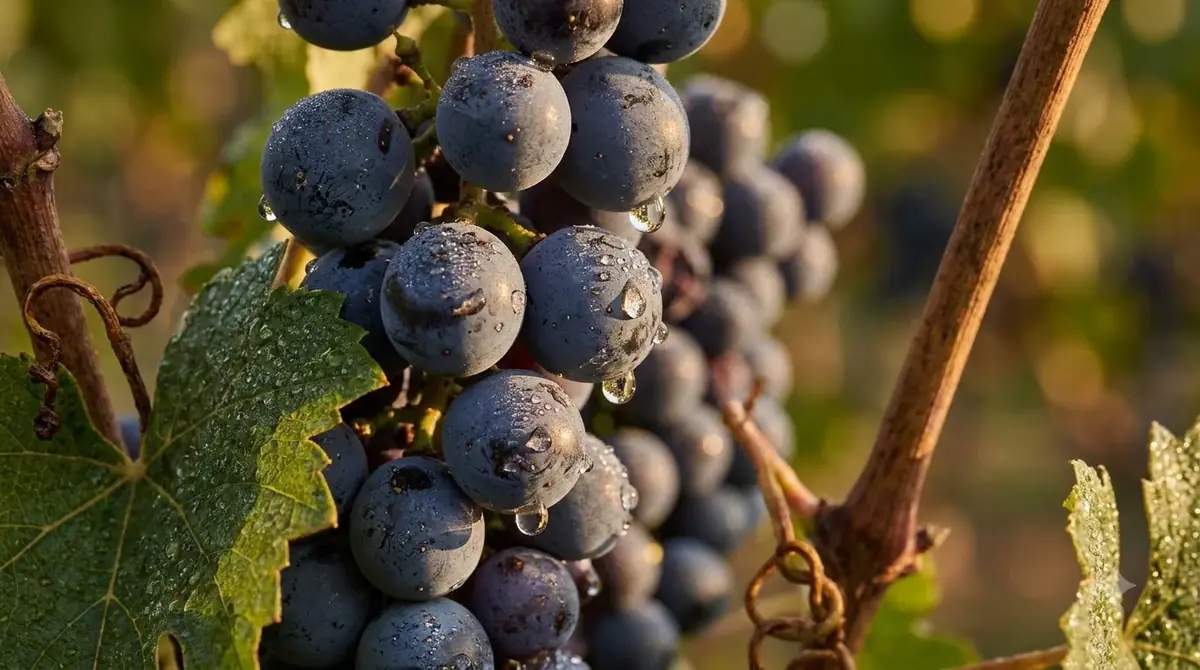
The grape is grown primarily in the Loire Valley, where it is the defining variety of Muscadet. The same Wikipedia entry notes that the grape is also planted in Oregon, where it is called “Melon,” and in Washington, where it was introduced on Bainbridge Island. Small plantings are also reported in Southern Ontario.
Muscadet is the wine people most often associate with the grape. Wikipedia describes it as a light dry white wine made entirely from Melon de Bourgogne. That single-variety rule is one reason the grape is so closely tied to a single appellation. Outside the Loire, you will see the grape in smaller quantities, often labeled simply as Melon.
The grape’s history also explains why it sits so comfortably beside oysters on a Loire café table. Coastal vineyards in the western Loire keep the grape cool and bring out its bright acidity, so the wine reads as a sea-facing white. Cooler growing conditions tend to preserve that freshness, while warmer sites can produce wines that feel a little rounder. Either way, the core character of the grape stays recognizable.
Flavor and style of Melon de Bourgogne wine
Melon de Bourgogne wines are usually light-bodied, dry, and fresh. Tasters commonly describe them as citrusy and mineral, with a salty or saline edge that makes them feel clean on the palate. They are not built for oak or heavy richness, so most producers aim for clarity and tension rather than weight.
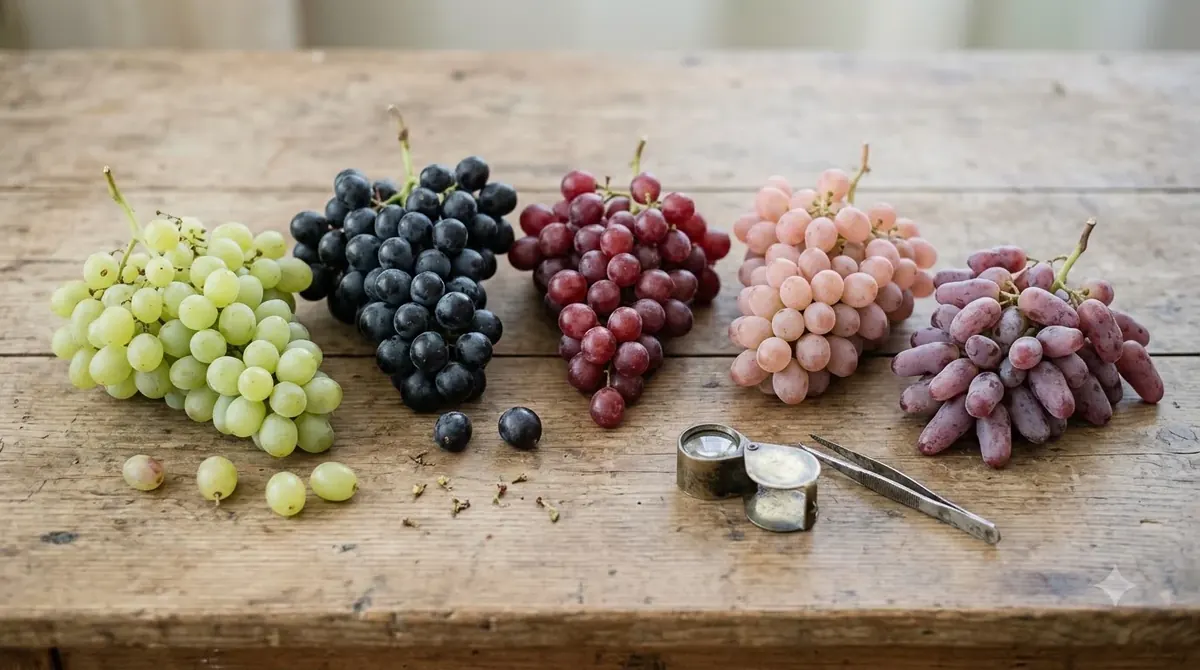
Because the wines are lean, they show their best qualities when they are young. A bottle that is a year or two old still tastes bright. Some producers age wines on their lees, which can add a touch of creaminess and texture, but the grape itself is naturally restrained. If you enjoy wines that feel crisp and direct, this grape is a good starting point.
When you compare a Melon de Bourgogne with a wine made from a more aromatic white, the difference is mostly in intensity. The grape rarely shows the perfume of Viognier or the tropical fruit of some New World Chardonnay. Instead, it offers a quieter, cleaner style that many drinkers find easier to pair with food. That restraint is exactly what makes it useful at the table.
| Trait | Typical Melon de Bourgogne wine |
|---|---|
| Body | Light to medium-light |
| Sweetness | Dry |
| Acidity | Fresh and lively |
| Common aromas | Lemon, green apple, sea spray, chalky minerality |
| Best age | Young, within a few years of the vintage |
How to serve Melon de Bourgogne
Serve Melon de Bourgogne well chilled, but not ice cold. Very cold temperatures mute the grape’s citrus and mineral notes, so take the bottle out of the fridge about ten minutes before you pour. A standard white wine glass works well, because it concentrates the aromas without hiding the crisp finish.
Opening the bottle right before serving is usually enough. These wines are not designed for long decanting, and the fresh character fades if the bottle sits open for days. Keep leftovers corked in the fridge and drink them within a few days.
For a group dinner, a simple way to serve it is to pour a small amount first and let the table taste it at the same temperature. That approach shows whether the bottle is too cold, which is the most common reason the wine seems closed or thin.
Tip: If a bottle tastes flat or dull, it was often served too warm. Chill it a little longer and taste again.
Best food pairings with Melon de Bourgogne
The wine’s acidity and saline edge make it a natural partner for seafood. Oysters are the classic match, and it is one of the most often recommended wines for raw shellfish. It also works with grilled fish, mussels, and light shellfish dishes, where the wine can cut through butter or olive oil without overwhelming them.
Outside seafood, Melon de Bourgogne pairs well with fresh goat cheese, salads with citrus dressing, and simple chicken dishes. Avoid heavy cream sauces and very spicy food, which tend to overpower the wine and make it taste thinner than it is.
How to choose a bottle of Melon de Bourgogne
Look for the grape name on the label or the appellation, such as Muscadet, since that is where most of the grape’s best examples are. Producers in the Loire describe their wines in terms of place and winemaking, and the label is usually more useful than a single rating. A bottle from a recent vintage will show the grape at its freshest.
Price is not a reliable guide to quality with this grape, so focus on the producer’s description and the vintage. Many everyday bottles deliver the core style well, and the grape’s simplicity means that a good example is easy to enjoy without a special occasion.
If you want a broader introduction to white grapes, the Wine by Type hub is a good place to compare Melon de Bourgogne with other crisp whites. For a richer white, see roussanne grape, which has a very different profile.
Frequently Asked Questions
What does Melon de Bourgogne taste like?
It is usually dry, light, and crisp, with citrus, green apple, and a mineral or saline note. It tends to be lean rather than full-bodied, which makes it easy to drink on its own or with food.
Is Melon de Bourgogne the same as Muscadet?
Not exactly. Muscadet is the wine, and Melon de Bourgogne is the grape it is made from. Wikipedia describes Muscadet as a light dry white made entirely from this grape.
Why is the grape called Burgundy if it is grown in the Loire?
The name reflects the grape’s origin. Wikipedia notes it began in Burgundy, but it was later established around Nantes and the western Loire, where it became the dominant white variety.
What food goes best with Melon de Bourgogne?
Seafood is the strongest match, especially oysters, mussels, and grilled fish. Fresh goat cheese and citrus salads also work well. Heavy cream sauces tend to overpower it.
Melon de Bourgogne is a simple, honest white grape that rewards drinking young and cold. Start with a bottle of Muscadet to see the style, then compare it with other crisp whites. For a wider look at grape families, the nebbiolo grape guide shows how a red variety differs in structure and aging. Read the Wikipedia entry on Melon de Bourgogne if you want the full history.
More in Wine Types & Grapes
 Zinfandel Sugar Content: Dry Red vs. White Zinfandel GramsUpdated Nov 21, 2026
 Best Zinfandel Substitute Options for Sipping and CookingUpdated Nov 21, 2026
 Zweigelt Food Pairing: Best Dishes, Cheeses, and Serving TipsUpdated Nov 21, 2026
 Zinfandel Tannins Explained: How Structure Shapes Every BottleUpdated Nov 21, 2026
 Zinfandel Sweetness Level: Dry Red vs. Sweet White Zin ExplainedUpdated Nov 21, 2026
 Xinomavro Food Pairing: Best Dishes, Styles, and Serving TipsUpdated Nov 21, 2026