

We may earn a commission when you buy through links on this page, at no extra cost to you. Learn more.
Douro wine comes from the Douro Valley in northern Portugal, a steep river region known for both fortified Port and dry table wines made from local red and white grapes. The valley is one of the oldest demarcated wine regions in the world, and its vineyards climb terraced slopes above the river. Most bottles labeled Douro today are dry reds, with a smaller share of dry whites and rosés.
This guide explains what Douro wine tastes like, which grapes go into it, how the valley shapes the wines, and how to choose and serve a bottle. If you are new to Portuguese wine, it is a good place to start before reading about other areas in the Wine Regions section.
Where the Douro Valley Sits
The Douro is a river that runs from Spain across northern Portugal to the Atlantic at Porto. The wine region follows its valley inland, and the vineyards sit on steep hillsides cut into terraces. According to the Douro Wine Board (IVDP), the Douro Demarcated Region was established in 1756, which makes it one of the oldest officially regulated wine regions anywhere. The valley was also recognized by UNESCO as a World Heritage Site, a status that covers its landscape of terraced vines.
Summers in the valley are hot and dry, and the river moderates temperatures at night. Those conditions let grapes ripen fully while still keeping enough acidity to balance the wines. The rocky soils, which are dominated by schist, drain well and push the vines to send their roots deep, which many winemakers say gives the wines their mineral edge.
Port Wine and Table Wine
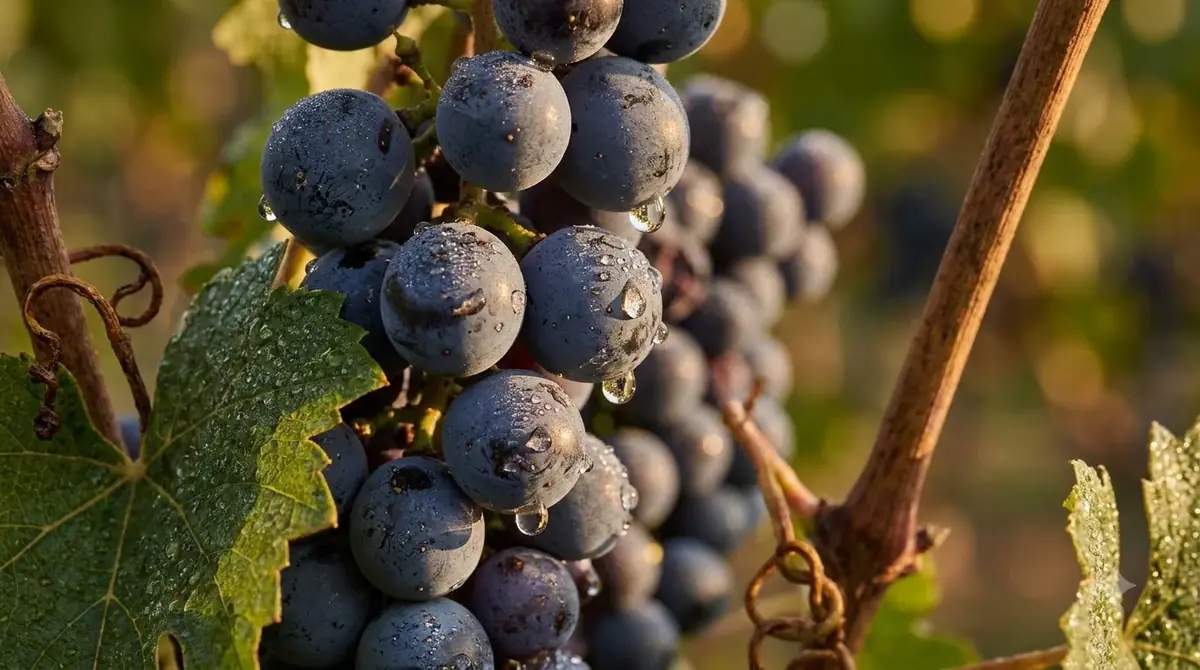
Port production follows strict rules. Grapes are picked, crushed, and fermented until the producer adds spirit to stop the process, so the wine keeps natural grape sugar. Producers then age the wine either in large wooden casks, which keeps it fresh and fruity, or in smaller barrels, which slowly builds color and nutty flavors. Vintage Port is made only in exceptional years and is bottled early, so it needs many years in the cellar before it is ready.
The Douro is best known for Port, a fortified wine that producers stop from fermenting by adding grape spirit, which leaves it sweet and higher in alcohol. Port is aged and sold in several styles, from young ruby and tawny wines to long-aged vintage bottles. Many people outside Portugal know the region only through Port, but table wine is now a large part of the valley’s output.
Dry Douro table wines are made from the same vineyards and many of the same grapes. Producers in the valley have spent the past few decades focusing on dry reds that are fresher and more structured than earlier examples. Dry whites and rosés make up a smaller share of production, but they are widely available in Portugal and increasingly on export markets.
Key Grapes and Wine Styles
Field blends, where several varieties grow together in the same vineyard and are harvested at once, were common in older Douro plots. Many modern producers still use them, which is one reason Douro reds often taste layered rather than built around a single fruit flavor. Newer wines from single-variety bottlings show what each grape contributes on its own.
Douro reds are blends or single-variety wines built from several indigenous Portuguese grapes. Touriga Nacional is the best-known of them, and Wine Folly describes it in its Touriga Nacional grape guide as a dry, full-bodied red with high tannins and medium-high acidity, with flavors of blueberry, violet, plum, mint, and wet slate. The grape was historically used in Port and is now also used in Douro and Dão table wines.
Other red grapes often blended with Touriga Nacional include Touriga Franca, Tinta Roriz, and Tinto Cão. Whites are usually built on Viosinho, Rabigato, and Gouveio. Because the blends mix several grapes, two bottles from the same producer can taste different from one vintage to the next.
| Style | Typical flavors | Body | Best served with |
|---|---|---|---|
| Dry red blend | Dark berry, plum, herbs, mineral notes | Medium to full | Grilled meats, stews, aged cheese |
| Dry white | Citrus, stone fruit, saline finish | Light to medium | Seafood, grilled fish, salads |
| Ruby Port | Red fruit, cherry, young and fresh | Full, sweet | Dark chocolate, berry desserts |
| Tawny Port | Nuts, caramel, dried fruit | Full, sweet | Almond desserts, hard cheese |
Tip: Dry Douro reds often show their best after a short decant, since young tannins soften with air. Port keeps well for a few days after opening if it is stored cool and sealed.
How to Serve Douro Wine
Dry reds from the Douro are usually served a little cooler than room temperature. Wine Folly suggests serving Touriga Nacional at about 15 to 20°C (60 to 68°F) in a large glass, with a decant of around an hour for younger bottles. Dry whites should be chilled but not ice cold, so that the aromas can show.
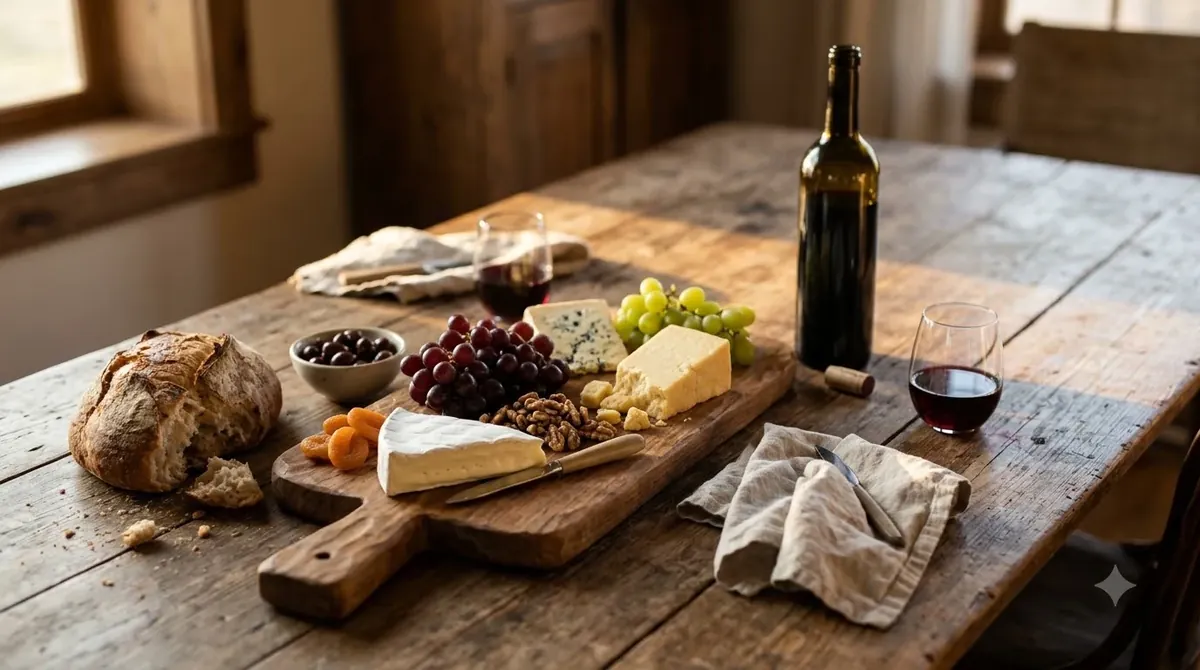
Port is served on its own after dinner or with dessert. Ruby styles are usually served slightly chilled, while tawny styles can be served cool or at cellar temperature. A small pour is normal, since Port is rich and strong.
Food Pairing Ideas
Portuguese cooking is a good guide for Douro pairings. Dishes built on olive oil, garlic, smoked sausage, and bay leaf tend to match the valley’s reds, while lighter seafood stews suit the whites. Because many Douro reds are bold, they can overpower delicate fish, so match the weight of the food to the weight of the wine.
Dry Douro reds work well with food that has enough fat and flavor to match their tannins. Grilled lamb, roasted pork, and stews with beans are classic matches in Portugal. Aged hard cheeses also suit the wines, because their salt and fat soften the tannins.
White Douro wines pair with grilled fish, shellfish, and light dishes with herbs. Port has its own rules: a ruby Port works with chocolate desserts, and a tawny Port works with almond or caramel sweets and blue cheese.
How to Choose a Douro Bottle
Price can vary widely across the category, so it helps to read the label carefully rather than judging only by the bottle. Wines labeled as table wines and wines labeled as Port follow different rules, and the label should say which one you are buying. Ask a shop staff member for a dry red from the Douro if you want a recommendation for a specific meal.
When you shop, look for the term Douro on the label and check whether the bottle is a dry table wine or a Port. The label should also show the producer, the vintage, and whether the wine is a red, white, or rosé. Dry reds from recent vintages are usually more fruit-forward, while older bottles show more earth and spice.
If you want a starting point, pick a dry red blend from a producer that lists its grape mix on the label. Those wines give a clear sense of the valley’s style. Port buyers can start with a ruby or a tawny, then move up to vintage or aged styles once they know what they like.
Frequently Asked Questions
Is Douro wine mostly Port?
Port is the best-known product from the Douro, but dry table wines now make up a large share of what the valley produces. Both are made in the same vineyards.
What grapes are used in Douro red wine?
Most Douro reds are blends of indigenous Portuguese grapes. Touriga Nacional is the best-known variety, and Touriga Franca and Tinta Roriz are also common.
How should I serve a dry Douro red?
Serve it slightly cooler than room temperature in a large glass. A short decant helps young bottles open up and soften.
Does Douro wine need long aging?
Many dry reds are ready to drink within a few years of release, but structured examples can improve for longer. Check the producer’s notes for the wine’s expected drinking window.
Douro wine rewards curiosity. Start with a dry red blend or a ruby Port, then compare a few producers from the same valley. If you want to keep exploring Portugal, the Languedoc wine guide shows how another old European region approaches blends and table wines.
More in Wine Regions
 Willcox Wine Trail: Discover Arizona’s High-Elevation Wine CountryUpdated Nov 20, 2026
 Yakima Valley Wine Region: Find the Best Styles to TryUpdated Nov 20, 2026
 Vosne Romanee Wine Tasting: Identify Aromas and Choose Better PairingsUpdated Nov 20, 2026
 Yakima Valley Wine Festival: Find the Best Seasonal Wine EventsUpdated Nov 20, 2026
 Wales Vineyards: Discover Cool-Climate Wines and Where to VisitUpdated Nov 20, 2026
 Yountville Wine Festival: Discover Napa Wines and Local FoodUpdated Nov 20, 2026