

We may earn a commission when you buy through links on this page, at no extra cost to you. Learn more.
Cinsault wine is a light, fresh red made mostly from the Cinsault grape, a variety best known as a blending partner in southern France and as the base of many dry rosés. Typical bottles are dry, with medium-light body, low tannins, and bright red-fruit flavors. Wine Folly describes the finished wine as fresh and punchy, with an alcohol range of 11.5 to 13.5% ABV and a serving temperature of 15 to 20°C (60 to 68°F).
If you have seen Cinsault on a label from the Rhône, Provence, or Languedoc, or on a bottle from South Africa, you have probably found a wine that is easy to drink and hard to pigeonhole. This guide explains what the grape tastes like, where it is grown, how to serve it, and which foods it suits, so you can decide whether a bottle is worth opening.
What Cinsault Wine Tastes Like
Cinsault is a red grape, but it does not behave like the bold reds many American drinkers expect. Wine Folly lists the main flavors as raspberry, red currant, tart cherry, violet, and black tea. The wine tends to be as floral as it is fruity, which gives it a lifted, perfumed quality on the nose. The Wine Folly grape profile for Cinsault gives a useful overview of these aromas and how they show up across styles.
Because the flavors sit close to the surface, Cinsault rewards a simple approach. It does not need long aging or heavy oak to show its character, and many winemakers let the fruit speak for itself.
In the mouth, the wine is usually dry with medium-light body and low tannins. Acidity is medium, so the wine feels fresh rather than heavy. That combination is one reason many people find it approachable on a weeknight, even though it is still a serious red in its own right.
Where Cinsault Grows
Cinsault is a minor grape in most places, and it is seldom bottled alone. Wine Folly notes that it appears mainly in Rhône blends and in Provençal rosés. In those wines it contributes fruit, aroma, and softness, while other varieties supply structure or color.
Outside France, the grape has a notable following in South Africa, where it is grown in several wine regions and sometimes bottled as a single-variety red. Because the grape ripens reliably in warm climates and holds its acidity, growers in hot areas often value it for producing lighter wines than the region’s heavier reds would suggest.
Cinsault in Rosé and Blends
Many of the most familiar uses of Cinsault are in pink wine. Provençal rosés often include it alongside Grenache and other southern French varieties, and the grape’s soft tannins and red-berry character suit a style meant to be served cold and drunk young.
In red blends, Cinsault is usually a supporting player. Its role is to add perfume and drinkability, so a Rhône blend can taste lively instead of dense. If you want to understand the grape before buying a single-variety bottle, a blend is a good place to start.
How to Serve Cinsault Wine
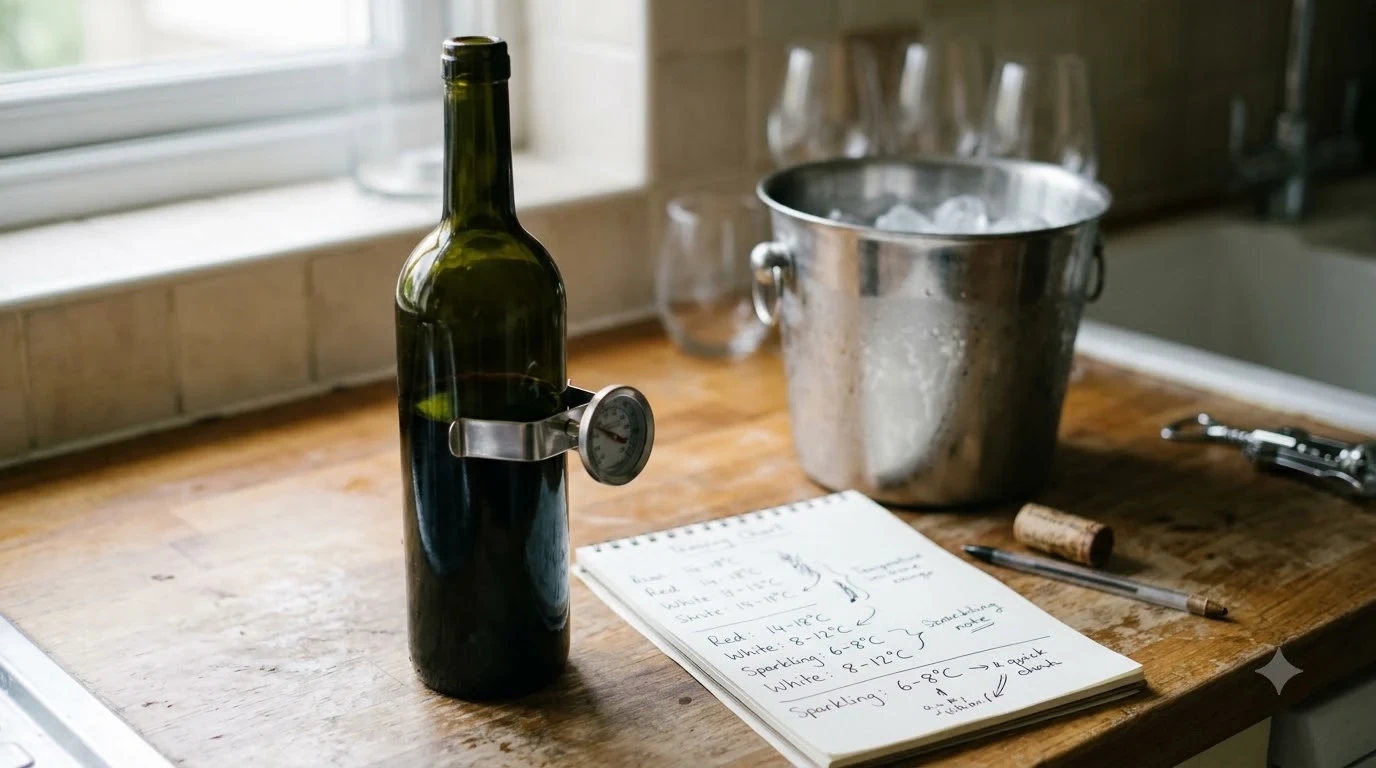
Serving temperature matters more for Cinsault than for many reds. Wine Folly gives a range of 15 to 20°C (60 to 68°F), which is cooler than the room temperature most people use for heavy reds. At that range the fruit stays bright and the wine does not feel flabby.
A standard red glass with a generous bowl will show the aromatics well. Decanting is rarely needed, since the wine has low tannin and is meant to be enjoyed young. A chill of about 20 minutes in the refrigerator is often enough to bring a bottle into the right range on a warm day.
Tip: If a Cinsault tastes flat, it is often served too warm. Move the bottle to the fridge for 15 to 20 minutes before pouring.
Aging and Storage
Most Cinsault wines are made to drink young. The low tannin and bright acidity that make the wine pleasant now also mean it does not gain much from years in the cellar. A bottle kept in a cool, dark place will hold its fruit for a while, but the freshness that defines the style fades with time.
Once opened, keep the wine in the refrigerator with the cork or a stopper in place. Drink it within a day or two so the aromatics stay lively. A chilled leftover is still pleasant with a simple meal, which is another reason the wine suits everyday drinking.
Food Pairings for Cinsault
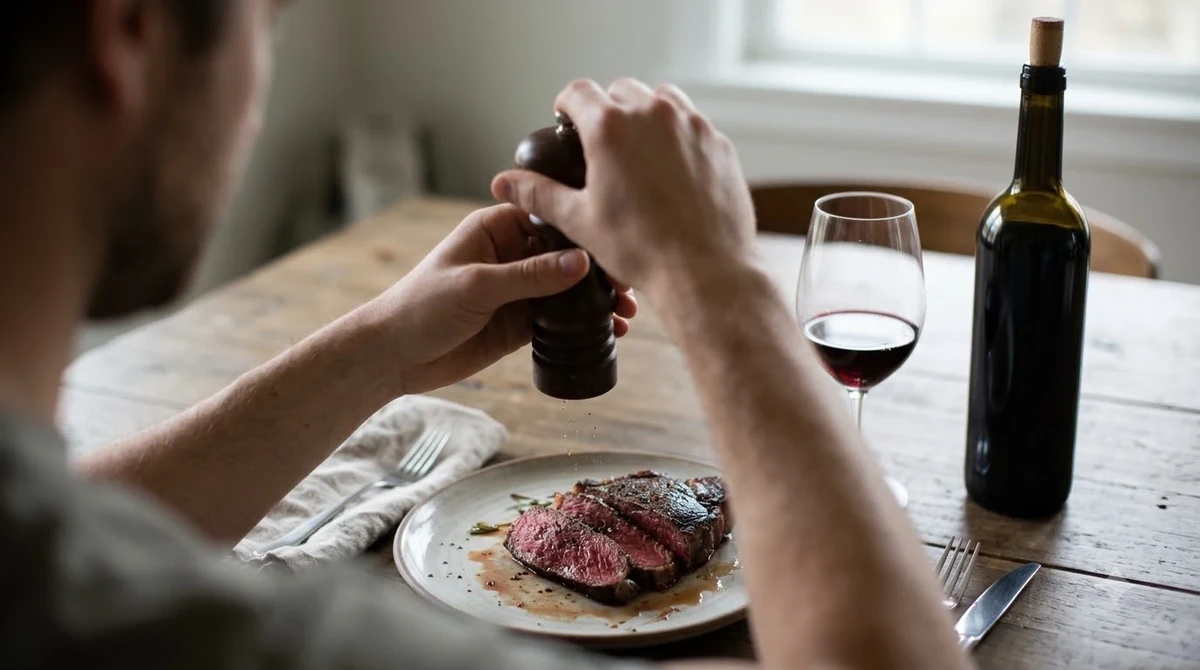
Cinsault’s spice and smoky edge make it a good match for savory cooking. Wine Folly points to escargot as a classic pairing and recommends stews and boeuf bourguignon, where the wine’s acidity and fruit balance the richness of the meat and sauce.
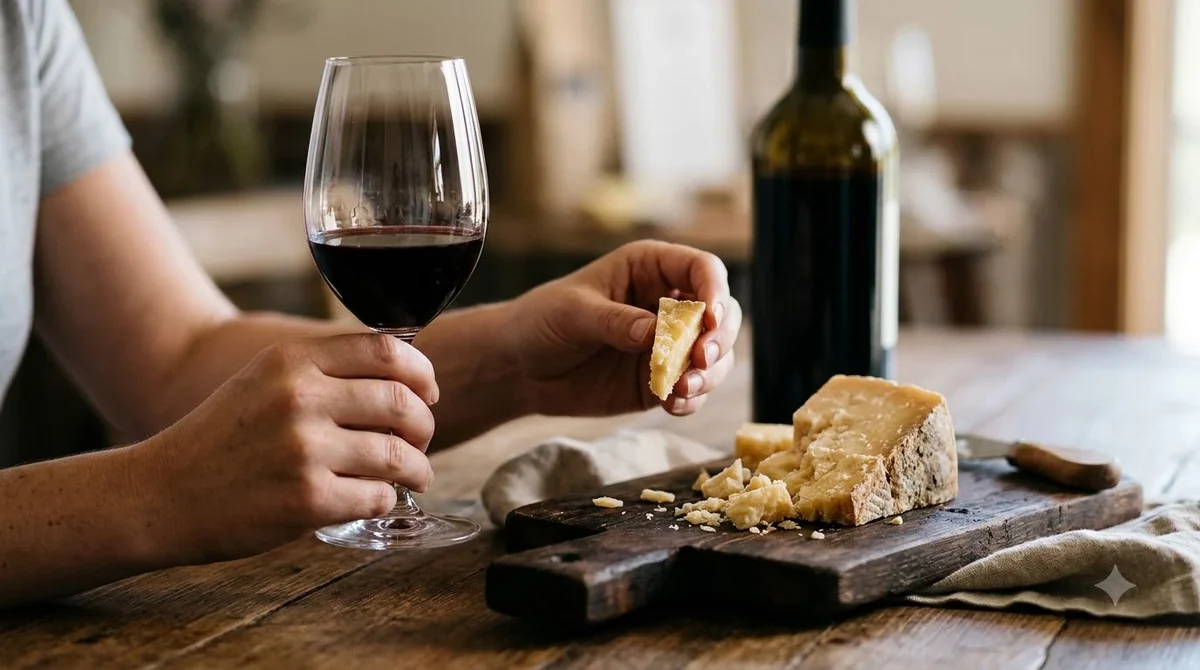
Lighter dishes also work well. Roast chicken with herbs, grilled sausages, and tomato-based pasta all share enough savory flavor to match the wine without overwhelming its freshness. For a simple meal, try the wine with a bowl of charcuterie and sharp cheese.
| Style | What to expect | Good with |
|---|---|---|
| Single-variety red | Bright red fruit, light body, low tannin | Roast chicken, grilled sausage |
| Provençal rosé | Dry, floral, crisp finish | Seafood, salads, soft cheese |
| Rhône-style blend | Perfumed, supple, savory edge | Stews, braised beef, mushrooms |
How to Choose a Cinsault Bottle
When you are shopping, think about the occasion first. A light, chilled Cinsault rosé suits a warm afternoon or a casual lunch, while a red Cinsault or a Rhône-style blend makes more sense with a braise or a plate of grilled meat. Both styles share the same fresh, fruit-forward character, so the choice is mostly about the food and the weather.
It also helps to ask the shop staff or read a producer note for a sense of how the wine was made. Some producers emphasize freshness and early drinking, while others use a little more time in barrel for added texture. Neither approach is wrong, but the note will tell you which style to expect before you pay.
Start by reading the label for the region and whether the wine is a red, a rosé, or a blend. A bottle from the Rhône or Provence will usually lean toward the Old World style of freshness and herbal character. A South African label may show a bolder fruit profile, depending on the producer.
Check the alcohol on the label as well. Wine Folly gives 11.5 to 13.5% ABV as the typical range, so a bottle at the upper end will feel fuller, while one near the lower end will feel lighter and more refreshing. Because the grape is rarely aged for long in oak, most bottles are ready to drink soon after release.
Frequently Asked Questions
Is Cinsault wine sweet or dry?
Cinsault wine is usually dry. Wine Folly describes it as dry with medium-light body, low tannins, and medium acidity, so the fruit reads as fresh rather than sugary.
Should Cinsault be served chilled?
A light chill helps. Wine Folly recommends serving it between 15 and 20°C (60 and 68°F), which is cooler than most reds and keeps the fruit lively.
Is Cinsault the same as Rosé?
No. Cinsault is a grape variety. It is one of several grapes used in Provençal rosé, but it also appears in red wines and blends, so a bottle labeled Cinsault may be red or pink.
What food goes best with Cinsault?
Savory dishes suit it well. Escargot is the classic French pairing, and stews, braised beef, and grilled sausages all work because the wine’s acidity cuts through rich sauces.
Cinsault is an easy wine to enjoy without much fuss. It is light, fresh, and food-friendly, and it shows up in some of the most popular rosés and blends in southern France. For more on the grapes behind these styles, see our guide to wine by type, or compare Cinsault with the sturdier profile of Brunello di Montalcino to see how far the red-wine spectrum stretches.
More in Wine Types & Grapes
 Zinfandel Sugar Content: Dry Red vs. White Zinfandel GramsUpdated Nov 21, 2026
 Best Zinfandel Substitute Options for Sipping and CookingUpdated Nov 21, 2026
 Zweigelt Food Pairing: Best Dishes, Cheeses, and Serving TipsUpdated Nov 21, 2026
 Zinfandel Tannins Explained: How Structure Shapes Every BottleUpdated Nov 21, 2026
 Zinfandel Sweetness Level: Dry Red vs. Sweet White Zin ExplainedUpdated Nov 21, 2026
 Xinomavro Food Pairing: Best Dishes, Styles, and Serving TipsUpdated Nov 21, 2026