

We may earn a commission when you buy through links on this page, at no extra cost to you. Learn more.
Chardonnay wine ranges from lean, mineral, and crisp to rich, creamy, and buttery, and the difference comes mostly from climate and oak. Unoaked versions from cool regions taste of green apple, lemon, and stone, while oaked versions from warmer sites show vanilla, butter, and tropical fruit. Wine Folly recommends serving unoaked Chardonnay at about 48 degrees Fahrenheit and oaked styles slightly warmer, at about 54 degrees.
Chardonnay is the white wine many people order first, but the bottles on the shelf can taste very different. One Chardonnay may feel like a glass of cold citrus, while another feels like a warm pastry with toasted nuts. This guide covers the main wine styles, how to read a label, how to serve Chardonnay, and what to eat with it. For the grape itself, including its history and parentage, see our guide to chardonnay grape.
The Two Main Styles: Lean and Rich
Most Chardonnay falls into one of two camps. Lean, unoaked wines are made in stainless steel or other neutral vessels so that the fruit stands out. They are light-bodied, dry, and often mineral, with bright acidity that makes the wine feel fresh. These are the wines of cooler sites, where the grapes ripen slowly and keep more acid.
Rich, oaked wines spend time in barrel, and many also go through malolactic fermentation. The result is a fuller, creamier wine with vanilla, butter, toast, and caramel notes. These styles are often made in warmer regions, where the grapes ripen to a higher sugar level and carry more tropical fruit character.
Between those two poles, you will find many balanced wines. A lightly oaked Chardonnay might show a touch of vanilla and a rounded texture while keeping a clear pear or citrus core. Many people end up preferring this middle ground once they have tried both extremes.
How Oak and Malolactic Fermentation Change the Wine
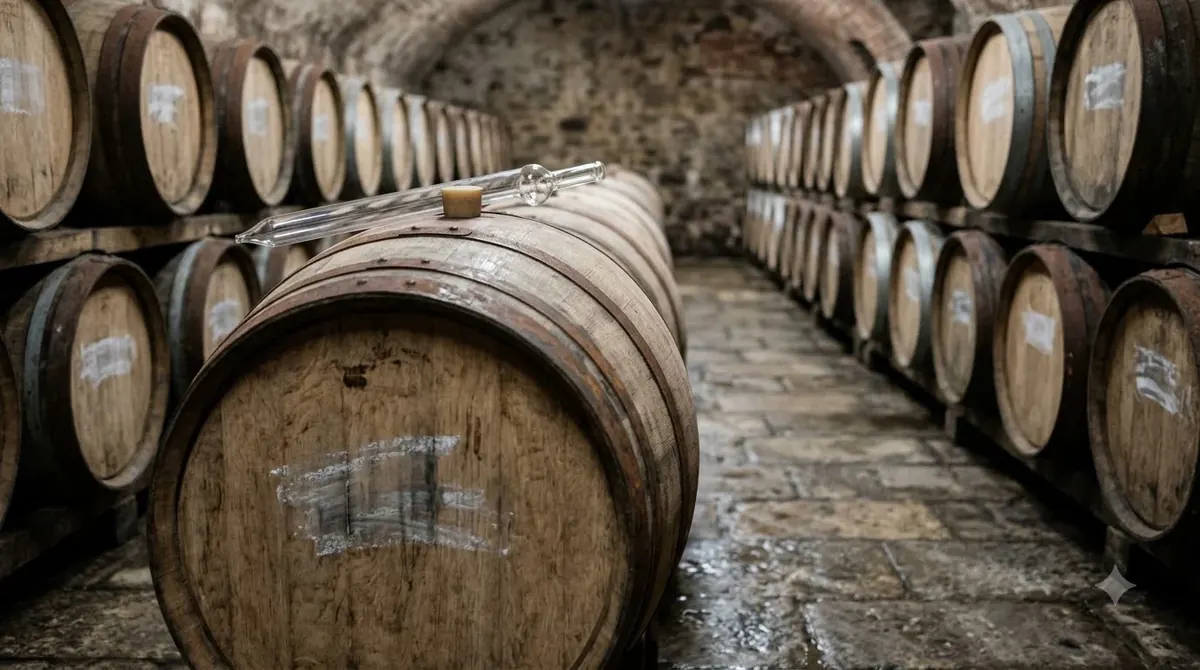
Oak is the biggest tool winemakers use to shape Chardonnay. Oak aging adds aromas of vanilla, butter, coconut, and sometimes dill. The type of oak and the toast level make a difference, and a heavily toasted barrel can add a smoky, roasted edge that tastes almost like coffee.
Malolactic fermentation is the second key process. During this step, bacteria convert the sharp malic acid in the wine into softer lactic acid. The change gives the wine an oily, creamy, or waxy texture, which is why buttery Chardonnay tends to feel so smooth on the tongue. Many producers choose whether to allow this step, and the decision has a big effect on the final style.
Some winemakers stir the lees, which are the spent yeast cells left after fermentation. Lees stirring adds a silky texture and biscuit or brioche aromas. Oaked Burgundy often uses oak in a subtle way, adding toasty complexity without covering the fruit.
| Feature | Lean, unoaked | Rich, oaked |
|---|---|---|
| Typical climate | Cool coastal or cool-region sites | Warm regions and riper sites |
| Aromas | Green apple, lemon, stone, mineral | Vanilla, butter, toast, caramel |
| Fruit | Citrus and crisp orchard fruit | Peach, mango, pineapple |
| Acidity | Medium-high in cool climates | Medium-low in warm climates |
| Texture | Light, dry, tight | Creamy, round, full |
Where Chardonnay Wine Comes From
Burgundy in France is the reference point for the grape. Chablis is the most famous lean style, and it is usually unoaked. The Côte de Beaune, which includes Meursault and Puligny-Montrachet, produces richer wines that are often lightly to moderately oaked, with a balance of fruit and toast.
California is the largest Chardonnay region by plantings. Napa Valley and Paso Robles are known for oaked styles with ripe fruit and vanilla, while the Sonoma Coast and parts of the Central Coast make leaner, fresher wines. Winemakers in many parts of California now pick earlier and use less new oak than they once did, which has pushed some bottles closer to the Burgundian style.
Wine Folly’s chardonnay wine guide describes these regional differences in more detail. Chardonnay also grows widely outside France and the United States. Cool-climate Oregon and Western Australia produce crisp, citrus-led wines, while Chile’s coastal valleys are known for fresh unoaked Chardonnay. Each region adds its own signature, so a label’s place name is one of the most useful clues you can use.
How to Serve Chardonnay Wine
Serving temperature is one of the easiest ways to improve a glass of Chardonnay. Wine Folly suggests about 48 degrees Fahrenheit for unoaked styles and about 54 degrees for oaked ones. The warmer serving temperature lets the oak and richer fruit show, while the cooler range keeps lean wines crisp.
A standard white wine glass works well for most Chardonnay. A slightly wider bowl helps oaked wines open up, and a narrower glass keeps the aromas focused on lean styles. The glass matters less than the temperature, but both affect how the wine tastes.
Once opened, Chardonnay keeps reasonably well when sealed and stored cold. Lean styles usually hold their freshness for a few days, and oaked styles can soften over the same period. Recork the bottle and refrigerate it between glasses.
Food Pairings for Chardonnay Wine
Pairing depends on which style you are drinking. Lean, unoaked Chardonnay suits seafood and shellfish, including oysters, shrimp, scallops, and lightly cooked fish such as halibut or cod. Lemon and herbs such as tarragon and parsley echo the wine’s bright profile.
Richer, oaked Chardonnay handles heavier dishes. Roast chicken, pork loin, creamy pasta, and lobster with butter all work well. Mushroom dishes and dishes with toasted nuts also match the wine’s toasty notes.
For cheese, soft to semi-soft cheeses made from cow’s or goat’s milk pair well with most Chardonnay. Soft cheeses such as Humboldt Fog are one example, and the wine by type section of this site covers more white wine pairings.
How to Choose a Chardonnay Bottle
When you shop, start with the region on the label. A Chablis, a Sonoma Coast bottle, and a Napa Valley bottle will taste very different. If you like crisp, bright whites, look for cool-climate names. If you like fuller, creamier wines, look for warmer regions or a note about barrel aging.
The back label often tells you more than the front. Words like “barrel fermented,” “malolactic,” or “sur lie” point to a richer style. Terms like “stainless steel” or “unoaked” usually mean a lighter, fresher wine.
Tasting a lean and a rich bottle side by side is one of the best ways to learn your preference. Many wine shops will pour or suggest two styles side by side, which is a quick way to see which direction suits your palate.
Chardonnay Compared With Other White Wines
Chardonnay sits between very crisp whites and very rich ones. Unoaked styles can resemble Sauvignon Blanc in their zesty acidity, while oaked styles have a fuller body that some drinkers compare to a mild dessert wine. This range is why Chardonnay is a good bridge wine for people who are moving from light whites to more complex ones.
If you enjoy a fruity, lightly sweet white, you might also enjoy a moscato wine, which is much lighter and more floral. For a red wine comparison, our guide to cabernet sauvignon wine shows how the same oak and structure principles play out in a very different grape.
Frequently Asked Questions
What is the difference between oaked and unoaked Chardonnay?
Oaked Chardonnay has been aged in barrel, which adds vanilla, butter, and toast flavors and a fuller body. Unoaked Chardonnay is fermented and aged in neutral vessels, so it tastes crisper and more focused on fruit.
What temperature should Chardonnay be served at?
Wine Folly suggests about 48 degrees Fahrenheit for unoaked styles and about 54 degrees for oaked styles. Serving it too cold can mute the aromas.
Is Chardonnay a sweet wine?
Most Chardonnay is dry. Some people perceive richer, fruit-forward styles as sweet, but the sugar level is usually low. Sweet white wines are a separate category.
Which Chardonnay should a beginner try first?
A lightly oaked or balanced Chardonnay from a cool-climate region is a good starting point. It shows the grape’s fruit and gives you a sense of how oak changes the taste.
Chardonnay wine is one of the most flexible whites on the shelf. Start with a lean, cool-climate bottle if you want freshness, or try a rich, oaked one if you want a creamy, toasty glass. Once you know which style you enjoy, you can explore the many regions and producers that make Chardonnay worth knowing.
More in Wine Types & Grapes
 Zinfandel Sugar Content: Dry Red vs. White Zinfandel GramsUpdated Nov 21, 2026
 Best Zinfandel Substitute Options for Sipping and CookingUpdated Nov 21, 2026
 Zweigelt Food Pairing: Best Dishes, Cheeses, and Serving TipsUpdated Nov 21, 2026
 Zinfandel Tannins Explained: How Structure Shapes Every BottleUpdated Nov 21, 2026
 Zinfandel Sweetness Level: Dry Red vs. Sweet White Zin ExplainedUpdated Nov 21, 2026
 Xinomavro Food Pairing: Best Dishes, Styles, and Serving TipsUpdated Nov 21, 2026