

We may earn a commission when you buy through links on this page, at no extra cost to you. Learn more.
Ruffino Riserva Ducale wine is a dry Italian red from Chianti Classico, Tuscany, made primarily from Sangiovese grapes and aged for 24 months before release. Produced by Ruffino since 1927, it combines bright cherry and wild berry flavors with floral aromas, savory spice, fresh acidity and delicate tannins. Its balanced structure makes it a natural match for grilled meats, tomato-based pasta, roasted vegetables and traditional Italian dishes.
Ruffino Riserva Ducale has a distinctive place in the history of Tuscan wine. Its name recalls a royal connection dating to the nineteenth century, while its traditional Chianti Classico character reflects the importance of Sangiovese and the region’s distinctive growing conditions. Understanding its grapes, maturation, flavor profile and serving requirements helps explain why this wine remains a recognizable choice among Italian red wine enthusiasts.
What Is Ruffino Riserva Ducale Wine?
Ruffino Riserva Ducale is a Chianti Classico Riserva DOCG red wine from Tuscany, Italy. It represents a more mature, structured expression of Chianti Classico than a standard Annata bottling, with a combination of fruit, acidity, oak influence and savory complexity.
The wine’s history goes back to 1927, when Ruffino established Riserva Ducale as one of its flagship labels. Its name has an earlier historical connection. According to Ruffino, the Duke of Aosta visited the winery in Pontassieve in 1890, tasted its Chianti and subsequently appointed Ruffino as a supplier to the royal household. The Riserva Ducale name honors that association. The official Ruffino Riserva Ducale product page provides the producer’s historical background and current wine details.
There is an important distinction between the wine’s historical name and its modern classification. Riserva Ducale is officially identified as Chianti Classico Riserva DOCG. The Riserva designation indicates a regulated category with specific grape composition and maturation requirements. It is not simply a marketing term suggesting that a wine has received extra attention in the cellar.
Chianti Classico comes from a designated production area in central Tuscany between Florence and Siena. This geographical identity distinguishes it from the broader Chianti appellation. Its wines are associated with Sangiovese, a grape that contributes red fruit, firm natural acidity and a recognizable savory character.
Ruffino’s traditional Riserva Ducale label is also distinct from Riserva Ducale Oro. The standard Riserva is the established Chianti Classico Riserva bottling, whereas Oro belongs to a separate premium collection. The two names should not automatically be treated as interchangeable or as identical products.
For readers exploring other bottles from the producer, understanding ruffino chianti tasting notes provides useful context for recognizing the fruit, acidity and savory characteristics associated with the winery’s Chianti wines.
Grape Varieties and Chianti Classico Terroir
Sangiovese provides the foundation of Ruffino Riserva Ducale, while complementary red varieties contribute additional flavor and structure. The wine also reflects the clay, limestone and galestro-rich soils associated with Chianti Classico.

Sangiovese is the defining grape of the appellation. According to the Chianti Classico Consortium, Riserva wines must contain at least 80 percent Sangiovese, with authorized complementary red grapes permitted to make up the remainder. Ruffino’s published technical information identifies Cabernet Sauvignon and Merlot among the varieties used in Riserva Ducale.
In the 2020 technical sheet, Ruffino specifies 80 percent Sangiovese, with the remaining 20 percent consisting of Merlot, Cabernet Sauvignon and other complementary grapes. Exact proportions can differ between vintages, so a blend specification from one release should not automatically be applied to every bottle.
What each grape contributes
Sangiovese: This grape supplies the wine’s central identity. It contributes cherry, red berry and sometimes plum flavors, along with floral notes and refreshing acidity. Its natural structure helps the wine remain lively alongside rich food.
Merlot: Merlot generally contributes softer fruit characteristics and a rounder impression on the palate. Its comparatively gentle tannins can help balance the firmer structure associated with Sangiovese and Cabernet Sauvignon.
Cabernet Sauvignon: Cabernet Sauvignon contributes darker fruit, additional body and firmer tannin. Its presence can add structure and depth without taking away the Tuscan identity established by Sangiovese.
The vineyard environment also plays a significant role. Ruffino identifies clay and limestone soils enriched with galestro, a characteristic rocky material found throughout Chianti Classico. These soil types form part of the region’s distinctive agricultural landscape.
Galestro is particularly associated with the hilly terrain of the appellation. Rather than treating the soil as a single explanation for the wine’s taste, it is more useful to understand it as one part of a larger combination of vineyard conditions, grape selection, climate and winemaking decisions.
The geographical setting between Florence and Siena contains vineyards at different elevations and exposures. Such differences can influence grape ripening and the balance between fruit concentration and acidity. This helps explain why individual vintages may show different degrees of richness, freshness and aromatic intensity.
For a broader understanding of how Italian producers and grape varieties shape different bottles, the Wine Brands section offers additional background.
Tasting Notes: Aroma, Flavor and Structure
Ruffino Riserva Ducale typically shows a ruby-red appearance, red and dark fruit aromas, floral nuances and savory spice. Its palate combines noticeable acidity with delicate to moderate tannins and enough structure to accompany substantial meals.
The producer’s published tasting notes identify violets, cherries, wild berries and plums as important aromatic characteristics. Additional notes include tobacco, cloves and eucalyptus. Together, these aromas create a profile that moves beyond straightforward fruitiness into more complex floral and savory territory.
Cherry is particularly important to the wine’s identity. Depending on the vintage and bottle age, the fruit impression may resemble fresh red cherries, ripe black cherries or slightly dried fruit. Wild berries contribute another layer, while plum can give the middle palate a rounder impression.
Floral notes provide contrast. Violet aromas are familiar in many Sangiovese-based wines and can make the nose feel more expressive without making the wine sweet. Tobacco, clove and eucalyptus introduce savory and spicy dimensions that complement the fruit.
What the palate feels like
The first impression is generally dry, with fruit flavors supported by acidity rather than residual sweetness. Sangiovese’s natural freshness is especially important because it keeps the wine from feeling overly heavy alongside rich dishes.
Tannins provide grip, but the producer describes the wine’s tannins as delicate. This does not mean that Riserva Ducale lacks structure. Rather, its tannins are part of a broader balance involving fruit concentration, acidity and oak maturation.
Independent tasting descriptions also illustrate vintage variation. Wine Enthusiast’s review of the 2022 bottling describes damp soil, pepper, graphite and black cherry on the nose, followed by tangy berries, citrus and noticeable acidity. The publication awarded that vintage 90 points.
The SAQ’s product description identifies cherry, dried flowers, plum, strawberry and woody notes. It also describes the wine as dry and full-bodied, with noticeable acidity and balanced wood influence. These descriptions reinforce the combination of fruit, freshness and maturation found in the wine’s general profile.
For an experienced red wine drinker, the appeal is the relationship between these components. Fruit provides approachability, acidity creates freshness, tannins provide structure and oak adds another dimension. None of these elements needs to dominate for the wine to feel complete.
Winemaking, Oak Aging and Vintage Differences
Ruffino Riserva Ducale receives extended maturation that helps integrate its fruit, tannins and oak characteristics. Ruffino specifies 24 months of aging in stainless steel vats and large oak casks, while its technical information for individual vintages provides additional details about fermentation and bottle refinement.
The Chianti Classico Riserva classification establishes important minimum requirements. According to the Chianti Classico Consortium’s official classification information, a Riserva must undergo at least 24 months of maturation, including at least three months of bottle refinement. This is longer than the minimum 12 months required for Chianti Classico Annata.
Ruffino’s 2020 technical sheet describes approximately 16 days of alcoholic fermentation and maceration in temperature-controlled stainless steel vats. Pump-overs help circulate the fermenting wine through the grape skins, encouraging the extraction of color, flavor and tannin.
After fermentation, maturation allows the wine to develop a more integrated profile. Stainless steel preserves fruit definition, while large oak casks provide a controlled maturation environment. The use of larger vessels generally creates a different oak influence from small new barrels, where the wine has more direct contact with the wood relative to its volume.
Understanding the Riserva classification
The distinction between Annata, Riserva and Gran Selezione is important when comparing Chianti Classico wines. Each category has its own requirements for maturation and grape composition.
| Chianti Classico category | Minimum Sangiovese | Minimum maturation | Minimum bottle refinement |
|---|---|---|---|
| Annata | 80 percent | 12 months | No separate three-month minimum specified |
| Riserva | 80 percent | 24 months | 3 months |
| Gran Selezione | 90 percent | 30 months | 3 months |
These figures are based on the Chianti Classico Consortium’s published category requirements. They describe the minimum standards for the appellation, not necessarily every detail of Ruffino’s individual cellar schedule.
Vintage differences remain important even when the production category stays the same. Growing-season temperatures, rainfall, grape ripeness and harvest conditions can influence the final balance of acidity, tannins and fruit.
A warmer vintage may produce riper fruit and a fuller impression, while a cooler growing season may emphasize tart cherry and freshness. The producer’s blending decisions and maturation choices also influence how these characteristics appear in the finished wine.
When comparing two bottles, consider their vintage dates as well as their common Riserva Ducale name. A younger release may emphasize fresh fruit, while a bottle with additional cellar age may develop more dried fruit, leather, tobacco and earthy characteristics.
Tip: Do not assume that every Riserva Ducale vintage has the same grape percentages, alcohol content or tasting profile. Compare the technical information for the specific vintage, particularly if you are evaluating two bottles for a special meal or longer-term cellaring.
How to Serve and Store Ruffino Riserva Ducale
Serve Ruffino Riserva Ducale at approximately 60–64 degrees Fahrenheit, close to the producer’s recommended range of 16–18 degrees Celsius. This temperature allows the wine’s cherry fruit, floral aromas, acidity and oak characteristics to remain expressive without excessive alcohol warmth.
Many people serve red wine too warm because they associate room temperature with traditional European cellars. Modern indoor temperatures can be considerably higher than the conditions under which red wine was historically stored and served.
If the bottle has been kept in a warm room, place it in the refrigerator briefly before opening. A slight cooling period can bring the wine into a more suitable serving range. If it becomes too cold, allow it to warm gradually in the glass.
Opening and decanting
For a relatively young bottle, opening it approximately 30–60 minutes before serving can help its aromas become more expressive. Decanting is optional rather than mandatory, but it can be useful when the wine seems closed or restrained immediately after opening.
Pouring the wine into a decanter increases its exposure to oxygen. This can soften the initial impression of firmness and make its fruit and savory aromas easier to recognize. However, prolonged aeration is not always beneficial, particularly for an older bottle that may have delicate aromas.
For mature Riserva Ducale, open the bottle carefully and taste a small amount before deciding whether decanting is appropriate. If sediment is present, pour slowly and stop before the sediment reaches the neck of the bottle.
Glassware and pouring size
A medium-to-large red wine glass with a reasonably wide bowl works well. The additional space allows the aromas to collect above the wine, making it easier to distinguish cherry, violet, plum and spice characteristics.
A standard five-ounce pour is sufficient for evaluating the wine while leaving enough room for swirling. A conventional 750-milliliter bottle contains approximately five such servings.
Storage conditions
Store unopened bottles in a cool, dark environment with a reasonably stable temperature near 55 degrees Fahrenheit. Avoid locations exposed to sunlight, heating appliances or repeated temperature changes.
For cork-sealed bottles intended for longer storage, keeping the bottle on its side helps maintain contact between the wine and the cork. A wine refrigerator or suitable cellar is preferable to a kitchen cabinet exposed to regular temperature fluctuations.
Once opened, reseal the bottle and place it in the refrigerator. Most opened still red wines remain enjoyable for approximately three to five days, although freshness depends on the wine’s condition, oxygen exposure and storage temperature.
Best Food Pairings for Ruffino Riserva Ducale
Ruffino Riserva Ducale pairs particularly well with grilled meats, tomato-based pasta, roast dishes, mushrooms and aged cheeses. Its fresh acidity complements rich sauces, while its tannins and fruit provide enough structure for flavorful meat dishes.
Traditional Tuscan cooking offers several useful starting points. Grilled steak, roasted pork, slow-cooked beef and pasta with meat ragù all have characteristics that work naturally with Sangiovese-based red wine.
Meat dishes
Grilled steak: The wine’s acidity cuts through the richness of beef, while the tannins work with the protein and fat. A simply seasoned grilled steak is particularly suitable because it allows the wine’s fruit and savory characteristics to remain noticeable.
Roast lamb: Lamb has enough flavor and richness to complement a structured red wine. Rosemary, garlic and black pepper also connect naturally with the herbal and spicy notes found in mature Chianti Classico.
Roasted pork: Pork shoulder, pork loin and slow-roasted pork dishes can work well, especially when accompanied by herbs or a savory pan sauce. The wine’s acidity helps balance the richness of the meat.
Beef ragù: A slowly cooked tomato-and-meat sauce is another strong choice. The wine’s acidity matches the tomato component, while its fruit and tannins complement the savory richness of the meat.
Pasta, vegetables and cheese
Tomato-based pasta dishes are particularly reliable pairings. Try pappardelle with beef ragù, rigatoni with sausage and tomato sauce, or lasagna with a substantial meat filling. The acidity in the wine helps it remain lively alongside the tomato sauce.
Mushroom-based dishes are also suitable. Porcini mushrooms, roasted mushrooms and mushroom risotto bring earthy flavors that connect with the wine’s savory character. A little Parmesan can add saltiness and richness without overwhelming the pairing.
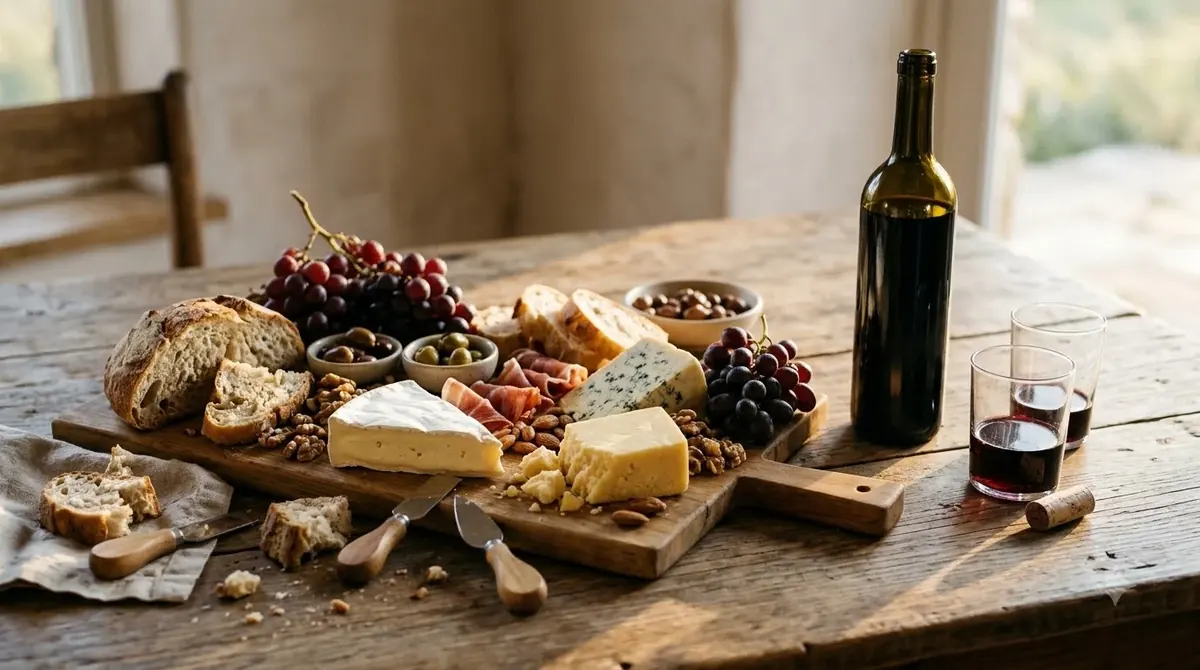
For cheese, consider aged Pecorino Toscano, Parmigiano-Reggiano or mature Italian hard cheeses. Their savory and salty characteristics complement the wine’s fruit and acidity. Salt also softens the perception of tannin, which can make the overall combination feel more harmonious.
Roasted eggplant, grilled zucchini and tomato-based vegetable dishes offer alternatives to meat. Their roasted flavors and natural sweetness can complement the wine, especially when prepared with olive oil, garlic and herbs.
Pairings to approach carefully
Very spicy dishes can make the wine’s alcohol and tannins seem more pronounced. Chili heat may exaggerate warmth and make the fruit taste less balanced, so heavily spiced dishes are generally less suitable.
Sweet desserts also require care. A wine should generally be at least as sweet as the dessert to avoid tasting sour or bitter beside it. Riserva Ducale is a dry red, so it is usually better served with savory food than sugary pastries or chocolate desserts.
Oily fish can also be difficult with tannic red wine. If serving seafood, consider dishes with firmer textures and tomato-based preparation rather than delicate fish with substantial natural oils.
Frequently Asked Questions
Is Ruffino Riserva Ducale a good wine for beginners?
Yes, it can be a useful introduction to traditional Italian red wine because its cherry and plum flavors provide recognizable fruit characteristics alongside acidity and tannin. Its savory aromas also offer an opportunity to explore the more complex side of Sangiovese. Beginners who prefer soft, low-acidity reds may initially find its freshness more pronounced than expected.
What is the difference between Riserva Ducale and Riserva Ducale Oro?
Standard Riserva Ducale is a Chianti Classico Riserva DOCG. Riserva Ducale Oro is a separate premium Ruffino offering, and its name should not automatically be interpreted as a classification equivalent to Gran Selezione. Check the specific Oro bottling and its label for its production designation, since special collections and editions can differ from the standard wine.
Does Ruffino Riserva Ducale contain Cabernet Sauvignon?
Yes, Ruffino identifies Cabernet Sauvignon as one of the complementary grapes used in Riserva Ducale. Its 2020 technical sheet specifies 80 percent Sangiovese, with Merlot, Cabernet Sauvignon and other complementary varieties making up the remainder. The precise composition should be understood as vintage-specific rather than a universal formula.
Is Ruffino Riserva Ducale suitable for vegetarian food?
It can pair successfully with several vegetarian dishes, including mushroom risotto, roasted eggplant, grilled zucchini and tomato-based pasta. Aged Pecorino and Parmesan also work well when included in the meal. If avoiding animal-derived ingredients entirely, check the producer’s information about the fining methods used for the particular vintage.
What does the black rooster symbol mean on Chianti Classico wines?
The black rooster, or Gallo Nero, is the historic identifying emblem of the Chianti Classico Consortium. It is used as a symbol of the appellation and appears on the neck labels of qualifying Chianti Classico bottles. Its presence helps distinguish wines from the Chianti Classico production area from other wines labeled simply Chianti.
Ruffino Riserva Ducale combines a long Tuscan history with the recognizable character of Sangiovese-based Chianti Classico. Its cherry fruit, floral aromas, savory spice and balanced acidity make it particularly suitable for traditional Italian cooking and substantial meals. Serve it slightly cool, give younger bottles some time to breathe and enjoy its distinctive combination of freshness and structure.
More in Wine Brands
 Louis Latour Wine Price: Compare Bottles by Style and TierUpdated Nov 20, 2026
 Yellow Tail Moscato Price: What to Expect Before You BuyUpdated Nov 20, 2026
 Sutter Home Sweet Red Review: Find the Right Food PairingsUpdated Nov 20, 2026
 Franzia Chillable Red Review: Find the Right Serving StyleUpdated Nov 20, 2026
 Veuve Clicquot Rose Review: Flavor, Food Pairings and Buying AdviceUpdated Nov 20, 2026
 Rombauer Wine Price: Compare Bottles Before You BuyUpdated Nov 20, 2026