

We may earn a commission when you buy through links on this page, at no extra cost to you. Learn more.
Josh rose alcohol content is typically 12.5% alcohol by volume (ABV), based on published listings for recent Josh Cellars Rosé vintages. That puts it in the middle of the usual table-wine range, rather than among especially low-alcohol wines. A standard 5-ounce pour contains about 0.625 fluid ounce of pure alcohol, while a 750-milliliter bottle holds about 93.75 milliliters.
That figure is useful whether you are comparing rosé with another Josh Cellars bottle, planning portions for a meal, or simply trying to understand what the number on a wine label represents. The alcohol percentage is only one part of the wine’s character: Josh Cellars describes its rosé as light-bodied and citrus-driven, with strawberry, white peach, and floral notes.
Josh Rosé Alcohol Content: The Typical 12.5% ABV
The most useful benchmark for Josh Cellars Rosé is 12.5% ABV. Wine Enthusiast’s 2024 vintage listing gives that figure for its California rosé review, and the review identifies the bottle as 750 milliliters.
The consistency across reviewed vintages makes 12.5% a practical answer for shoppers looking up the wine. Wine Enthusiast also lists 12.5% for its 2023 and 2022 reviews, giving three consecutive vintage entries at the same published strength. This is stronger evidence than assuming every rosé has the same alcohol level simply because the wines share a pink color or a refreshing style.
ABV means alcohol by volume: it describes the portion of the liquid that is pure alcohol. Decanter’s explanation of alcohol by volume notes that wine labels express this as a percentage by volume; at 12% ABV, for example, one liter of wine contains 120 milliliters of alcohol. At 12.5%, the equivalent calculation is 125 milliliters per liter.
The Josh Cellars product page focuses on flavor and style rather than displaying an ABV figure in its descriptive copy. Its description calls the wine crisp, light-bodied, and refreshing, while the published Wine Enthusiast reviews provide the specific 12.5% figure. Since alcohol declarations can differ among bottlings and markets, the number printed on the bottle in front of you is the final reference.
How Much Alcohol Is in a Glass or Bottle?
At 12.5% ABV, the amount of alcohol in a serving depends on how much wine is poured. A 5-ounce pour is a common reference serving, and a standard 750-milliliter bottle contains just over five such pours when measured carefully.
Here is the arithmetic for Josh Cellars Rosé at 12.5% ABV. Multiply the volume of wine by 0.125 to estimate the volume of pure alcohol in that serving. These figures describe alcohol volume, not the total amount of wine in the glass.
| Wine amount | Approximate pours per 750 ml bottle | Pure alcohol at 12.5% ABV |
|---|---|---|
| 5 fl oz (about 148 ml) | About 5 | 18.5 ml |
| 6 fl oz (about 177 ml) | About 4.2 | 22.2 ml |
| 750 ml bottle | 1 bottle | 93.75 ml |
| 1 liter | About 6.8 five-ounce pours | 125 ml |
The table shows why pour size matters as much as the ABV number. A glass filled to 6 ounces contains 20% more wine than a 5-ounce glass, so it also contains 20% more alcohol at the same strength. Likewise, a generous restaurant pour may look like one glass but contain more wine than the reference serving.
A 750-milliliter bottle divided into 5-ounce portions yields approximately five glasses, with a small amount left over because 5 US fluid ounces is about 148 milliliters. For a dinner with four guests, one bottle can provide a modest 5-ounce pour for each person with a little remaining; for six guests, the pours would need to be smaller or the host would need another bottle.
For a comparison across bottle formats, focus on total volume and ABV together. A half bottle at the same 12.5% strength contains half as much wine and half as much total alcohol as a 750-milliliter bottle. A magnum contains 1.5 liters, or twice the liquid volume of a standard bottle, so at the same percentage it contains twice the total alcohol.
How 12.5% Compares With Other Wines
Josh Cellars Rosé at 12.5% ABV sits comfortably within the broad range for still table wine. Decanter places most table wines between 9% and 15% ABV, so 12.5% is neither an especially low figure nor an unusually high one for a nonfortified wine.
Comparisons are more useful when the wines are named and the serving size is kept the same. Many everyday still wines sit around 12% to 14%, while Prosecco is commonly around 11% to 12% ABV. A 12.5% rosé therefore has slightly more alcohol by volume than a typical 11% Prosecco, but the difference is modest: for the same 5-ounce pour, the difference between 11% and 12.5% is about 2.2 milliliters of pure alcohol.
For a quick brand-to-brand comparison, Josh Cellars also makes Chardonnay and Prosecco. Their published alcohol figures may vary by bottling, so compare the exact bottle rather than assuming every wine in the range matches the rosé. Our pages on josh chardonnay alcohol content and josh prosecco alcohol content can help frame those separate comparisons.
Alcohol percentage should not be used as a shortcut for sweetness. A dry wine can have 12.5% ABV, and a wine that smells of ripe strawberries or peach is not necessarily sweet. If you are comparing rosé styles, look at sweetness, acidity, body, and serving temperature alongside the ABV instead of treating the alcohol number as a complete tasting description.
Why the Wine Tastes Light Despite Its Alcohol Level
Alcohol contributes to a wine’s weight and warmth, but it does not determine body on its own. Josh Cellars describes its rosé as light-bodied and refreshing, and its listed flavors—strawberry, white peach, citrus, and white flowers—help explain why the wine can seem fresh rather than heavy at 12.5% ABV.
The brand’s product description names fresh strawberries, white flowers, and stone fruits on the nose, followed by citrus, white peach, and strawberries on the palate. Those fruit and floral impressions are tasting characteristics, not a measurement of residual sugar. In other words, a peach-like aroma does not establish that the wine is sweet or that it contains a particular amount of sugar.
Wine Enthusiast’s review of the 2024 vintage describes peach, nectarine, and strawberry aromas, with sweet cherry, citrus blossom, dried sage, and mineral notes on the palate. The 2023 review highlights raspberry, strawberry, papaya, orange-blossom honey, white nectarine, blood orange, and a dry mineral finish. The exact tasting language shifts between vintages, but both reviews describe a fruit-forward rosé whose alcohol level is moderate within the table-wine range.
Temperature also changes how the wine comes across. Served cool, the fruit and acidity can feel crisp and bright; served too warm, alcohol warmth and the wine’s fuller sensations can become more apparent. Chilling does not remove alcohol, but it can make the wine’s overall impression feel fresher and more focused.
It helps to separate three ideas that are often mixed together: ABV is a numerical measure of alcohol concentration, body is the sense of weight in the mouth, and sweetness is the perception or measured presence of sugar. Josh Cellars Rosé can be light-bodied, fruit-scented, and 12.5% ABV at the same time because those terms describe different features of the wine.
Best Serving Temperature and Food Pairings
Serve Josh Cellars Rosé at about 45°F to 50°F for a crisp, refreshing profile. That range is suitable for light whites and rosé, and it keeps the wine cool without making its strawberry, white peach, and citrus notes difficult to notice.
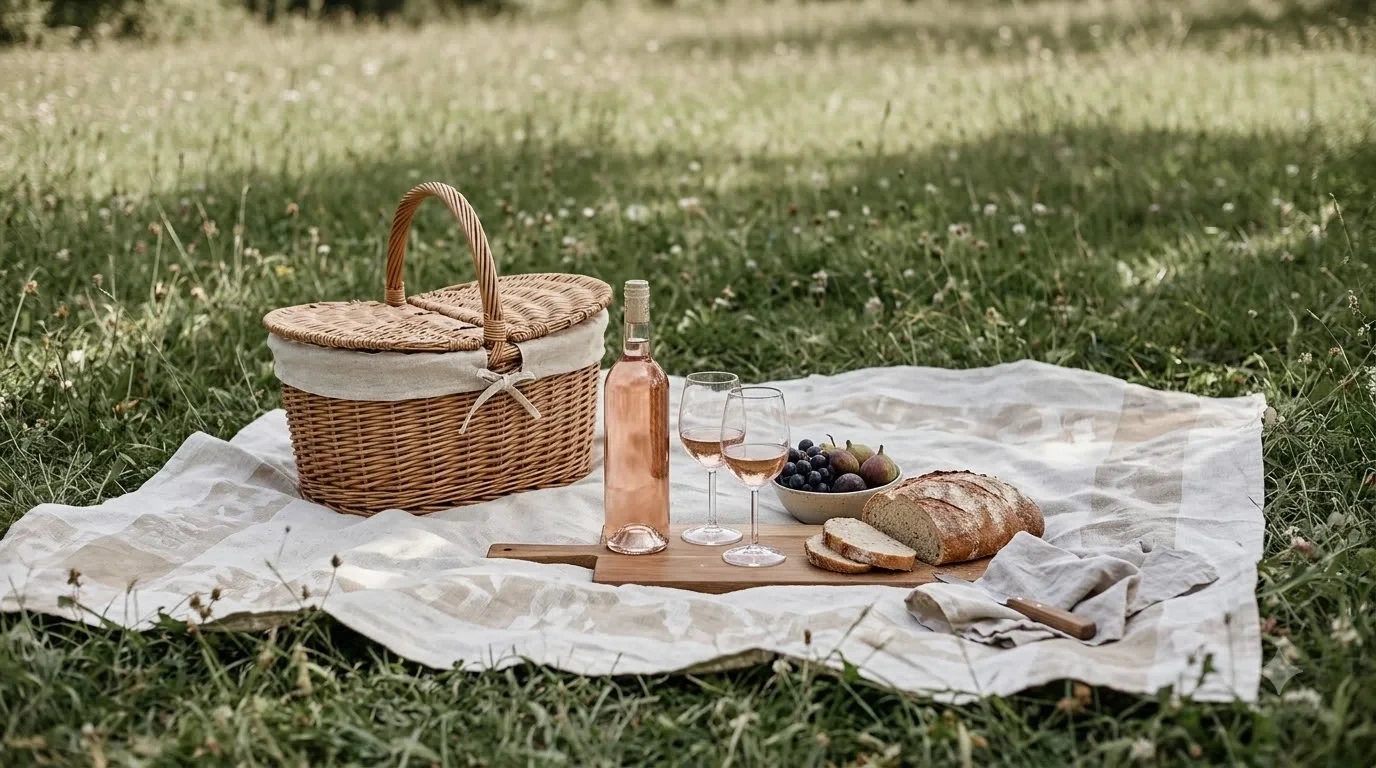
Josh Cellars recommends fresh summer berries, grilled shrimp, and ceviche with its rosé. These pairings make sense because the wine’s bright fruit and citrus character can complement delicate seafood and fresh fruit without overpowering them. Fresh oysters are another option noted in Wine Enthusiast’s review of the 2023 vintage.
For a casual meal, try grilled shrimp with lemon, ceviche with lime, or a salad featuring strawberries and mild greens. The acidity in the food matters: a sharply acidic dressing or a squeeze of citrus can make a softer wine seem less lively, so choose a wine with enough freshness to meet the dish. Josh Cellars’ citrus-led profile is a natural direction for dishes built around lemon or lime.
Rosé can also work with dishes that have a little richness, such as burrata with grilled peaches or a goat cheese frittata. Salt and fat can soften the perception of tannin in red wines, while a light rosé generally has less of the drying grip associated with tannic reds. For spicy dishes, keep the chili level moderate; alcohol and tannin can make chili heat feel stronger, and the 12.5% ABV here is not a reason to pair the wine with very hot food.
For a broader look at how this bottle fits among other labels and styles, browse our Wine Brands overview. You can also compare the rosé-specific details with our page on josh cellars rose alcohol content when you want to keep the focus on this producer’s pink wine.
Storage, Opening, and Pouring
Keep an unopened bottle in a cool, dark place with a steady temperature near 55°F. For longer storage, lay the bottle on its side if it has a natural cork; this helps keep the cork from drying out. Avoid a sunny kitchen counter, a warm car, or a spot beside an oven, where repeated heat can damage the wine’s freshness.
Once opened, reseal the bottle and refrigerate it. As a general guideline for still wine, an opened bottle can remain in good condition for about 3 to 5 days in the refrigerator, although the fruit aromas will gradually become less vivid after exposure to air. Use a proper stopper and return the bottle to the refrigerator promptly rather than leaving it on the table throughout the evening.
Pouring in measured servings also makes the bottle easier to share. Five ounces is a useful reference pour, and a 750-milliliter bottle yields about five glasses. If you are serving several courses, pour smaller amounts at first and offer a top-up with the next course; that helps keep each serving cool and reduces the chance of leaving half-filled glasses sitting until the wine warms.
Tip: Chill the bottle in the refrigerator ahead of serving, then pour 5 ounces at a time. If the rosé becomes too cold, let the glass sit for a few minutes so the strawberry, peach, and citrus aromas can open up.
There is no need to decant a young, fresh rosé as you might a young full-bodied red. Open the bottle shortly before serving, keep it cool, and use a clean wine glass with enough room to swirl gently. Those simple steps preserve the freshness that makes this style appealing.
Frequently Asked Questions
These quick answers cover details that often come up when comparing Josh Cellars Rosé with other wines. They add context about the wine’s category, label information, and flavor profile beyond the basic 12.5% figure.
Is Josh Cellars Rosé a sparkling wine?
No. The standard Josh Cellars Rosé discussed here is a still wine, not a sparkling rosé. Josh Cellars sells a separate Prosecco Rosé, so the word “rosé” by itself does not tell you whether a bottle has bubbles.
Does the pink color mean the wine is sweet?
No. Rosé color comes primarily from limited contact between red grape skins and juice during production, not from a sweetness scale. A pale salmon-colored wine can be dry, just as a deeper pink wine can be dry or off-dry.
Does a wine’s color reveal its ABV?
No. Color reflects grape skins and production technique, not alcohol concentration. A pale rosé and a deeper red wine can have the same ABV, so appearance is no substitute for the alcohol percentage printed on the bottle.
Is alcohol the same thing as calories in wine?
No. ABV measures alcohol concentration by volume, while calories are an energy measure. Alcohol contributes calories, but a wine’s total energy also depends on other components, including any residual sugar.
Does a screw cap change the alcohol content?
No. A closure does not set or change the wine’s ABV. Screw caps and corks are different sealing systems; the wine’s alcohol concentration is established during fermentation and reflected in the bottle’s alcohol declaration.
Josh Cellars Rosé is best understood as a light-bodied California rosé with a typical published strength of 12.5% ABV. Use that figure to compare wines and estimate servings, then enjoy its strawberry, peach, and citrus profile well chilled with fresh seafood or summer dishes.
More in Wine Brands
 Louis Latour Wine Price: Compare Bottles by Style and TierUpdated Nov 20, 2026
 Yellow Tail Moscato Price: What to Expect Before You BuyUpdated Nov 20, 2026
 Sutter Home Sweet Red Review: Find the Right Food PairingsUpdated Nov 20, 2026
 Franzia Chillable Red Review: Find the Right Serving StyleUpdated Nov 20, 2026
 Veuve Clicquot Rose Review: Flavor, Food Pairings and Buying AdviceUpdated Nov 20, 2026
 Rombauer Wine Price: Compare Bottles Before You BuyUpdated Nov 20, 2026