

We may earn a commission when you buy through links on this page, at no extra cost to you. Learn more.
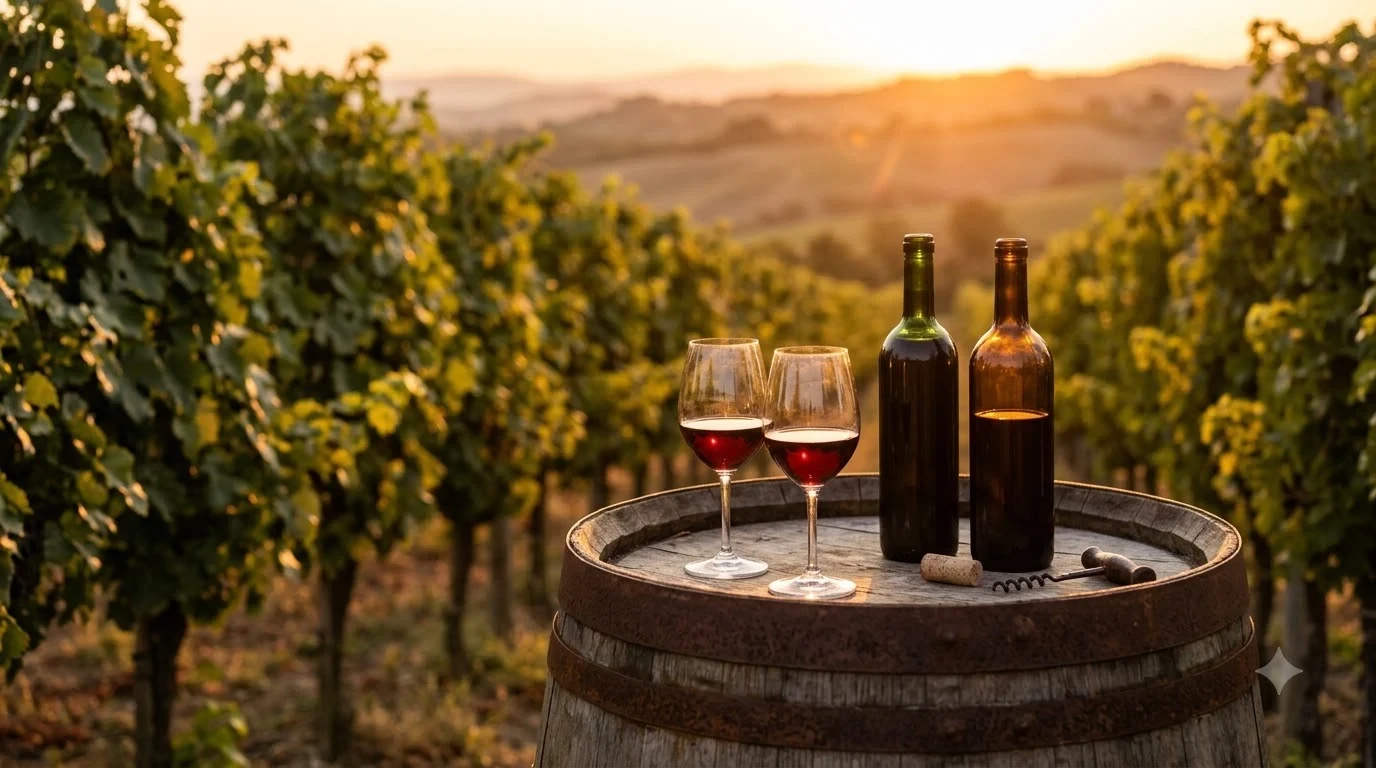
Bandol vineyards sit on the warm Mediterranean coast of Provence, and they are best known for red wines built around Mourvèdre. The appellation covers a small area near the fishing village of Bandol, between Marseille and Toulon, and nearly 70 percent of its output is red. Its vines grow on limestone and silicon-rich soils that drain well and hold heat, which suits a late-ripening grape that needs a long, sunny season.
This guide explains where Bandol’s vineyards are, why Mourvèdre dominates the reds, how the rosés and whites fit into the picture, and how to serve and pair these wines. Bandol is small and specific, so the details of its rules and soils shape what ends up in your glass.
Where the Bandol Vineyards Are
Bandol is an appellation on the Provence coast, east of Marseille and Cassis and west of Toulon. The AOC is produced across eight communes, and the vineyards are closely tied to the coastal landscape. The terrain is hilly and often faces the sea, so the vines get sun and warmth while still benefiting from the moderating effect of the Mediterranean.
The name is shared by the fishing village at the center of the zone. Because the area is compact, many estates are small, family-run properties, and the region has a strong sense of local identity. Visitors who come for the wine often combine a tasting with a walk along the coast or a lunch of fresh seafood.
Soils and Climate: Why Bandol Works
The soils are one of the defining features of Bandol. The appellation is known for silicon and limestone soils, with small pebbles in some northwestern areas and red clay in others. These soils retain some warmth, drain well and force vine roots to dig deep, which helps the grapes develop concentrated flavor without becoming overly heavy.
The climate is warm and coastal. Provence as a whole is known for abundant sunshine, with more than 3,000 hours of sun a year across the region, and that sunshine is critical for a grape that needs a long season to reach full ripeness. Growers in Bandol must manage heat carefully, because ripe fruit can quickly turn jammy if the vines are overexposed in late summer.
The practical takeaway is that Bandol reds are typically rich and structured, but the best examples keep their freshness and savory detail. That balance comes from a combination of soil, sun and careful vineyard work.
Mourvèdre, the Heart of the Reds
Mourvèdre is the grape that defines Bandol reds. The appellation rules require that Mourvèdre make up at least 50 percent of a red blend, and most producers use considerably more. The grape is late-ripening and thick-skinned, so it needs warmth and patience to develop its full character.
Expect Bandol reds to show dark fruit, such as blackberry and black cherry, along with savory notes of herbs, leather, smoke and spice. The tannins are typically firm and well-structured. Young Bandol reds can feel tight and powerful, and they often soften with time in the bottle. The best examples reward cellaring, and many buyers enjoy them several years after release.
Some producers blend in Grenache, Syrah and other southern French grapes to add fruit and softness. That is one reason two Bandol reds can taste quite different even when they come from neighboring estates.
| Bandol style | What it usually tastes like | Good for |
|---|---|---|
| Red, Mourvèdre-led | Dark fruit, herbs, leather, firm tannins | Lamb, grilled beef, rich stews |
| Rosé | Dry, fresh, red berries and citrus | Grilled fish, salads, Mediterranean vegetables |
| White | Small share of production, crisp and aromatic | Shellfish, herbed chicken, goat cheese |
Rosé and White Bandol
Although the reds get most of the attention, rosé is a major part of Bandol’s identity. Rosés are usually dry and fresh, with red berry and citrus notes and a clean finish. They work well in warm weather, and they match the seafood, vegetables and herbs that define the Provence table.
Grenache is one of the grapes that often appears in southern French rosés. Wine Folly’s Grenache profile describes the grape as fruit-forward and aromatic with crisp acidity, and it notes that Grenache can make a ruby-hued rosé with flavors of strawberry and blood orange. That style is a useful reference when you want to understand why a Provence rosé can be both fruity and dry.
White Bandol is a small share of production, and it tends to be crisp, aromatic and food-friendly. It is a good match for shellfish and herbed dishes, and it can be a quiet highlight for someone who wants a lighter bottle from the region.
How to Serve and Pair Bandol Wines
Serve Bandol reds slightly cooler than room temperature, around 60 to 65 degrees Fahrenheit, so the fruit and herbs stay clear. Young, firm reds benefit from decanting for 30 minutes or more, and a larger bowl helps the aromas open. Rosé and white should be chilled well, but not so cold that the flavors disappear.
Bandol reds are made for food. Lamb with rosemary, grilled beef, roasted game and rich stews are classic matches, because the tannins and savory notes cut through fat and richness. Herb-heavy Mediterranean dishes, such as roasted vegetables with olive oil and thyme, also suit the wines well.
For rosé, think of grilled fish, salads with goat cheese, tomato-based dishes and seafood platters. White Bandol is excellent with shellfish, herbed chicken and a plate of soft, creamy cheese.
Buying and Visiting Tips
Because the appellation is small, many Bandol bottles are sold through a limited number of estates and specialist merchants. Ask your retailer which producers are sourcing from the appellation, and read the label carefully to confirm you are buying the AOC style you want.
If you visit the region, plan your tastings around the coastal villages and the vineyard roads that lead inland. Estates often offer tastings by appointment, particularly during the busy summer season. Allow time for a relaxed lunch, since many of the best pairings are found at the table rather than at the tasting bar.
When you bring a bottle home, store it in a cool, dark place away from heat. Red Bandol is a wine that can age, so a cellar or a quiet cupboard away from kitchen warmth is ideal.
Tip: To understand how a warm region shapes its wines, compare a Bandol red with a bottle from the Calistoga vineyards in California. Both grow in warm places, but the soils, varieties and winemaking traditions give very different results. You can also explore the Arizona vineyards guide for another example of heat-driven winemaking.
Frequently Asked Questions
What is Bandol best known for?
Bandol is best known for its Mourvèdre-based red wines from the Provence coast. The appellation also produces rosé and a small amount of white wine.
How much Mourvèdre must a Bandol red contain?
The appellation rules require at least 50 percent Mourvèdre in a red blend. Most producers use a higher share, which gives the wines their distinctive character.
Is Bandol rosé dry?
Yes. Bandol rosé is typically dry and fresh, with red berry and citrus notes. It suits warm weather and light, herb-driven dishes.
Do Bandol reds need aging?
Many are enjoyable young after decanting, but the firmer, more structured reds often soften and gain complexity with several years in the bottle. Check the producer’s recommendation for each bottle.
Bandol is a small appellation with a clear identity. Start with a rosé to get a feel for the coast, then try a Mourvèdre-led red with lamb or grilled meat to see how the wine develops with food.
More in Wine Regions
 Willcox Wine Trail: Discover Arizona’s High-Elevation Wine CountryUpdated Nov 20, 2026
 Yakima Valley Wine Region: Find the Best Styles to TryUpdated Nov 20, 2026
 Vosne Romanee Wine Tasting: Identify Aromas and Choose Better PairingsUpdated Nov 20, 2026
 Yakima Valley Wine Festival: Find the Best Seasonal Wine EventsUpdated Nov 20, 2026
 Wales Vineyards: Discover Cool-Climate Wines and Where to VisitUpdated Nov 20, 2026
 Yountville Wine Festival: Discover Napa Wines and Local FoodUpdated Nov 20, 2026