

We may earn a commission when you buy through links on this page, at no extra cost to you. Learn more.
La crema chardonnay alcohol content is typically 13.5% alcohol by volume (ABV) for the Sonoma Coast Chardonnay, making it a moderately full-strength California white wine. A standard 5-ounce glass contains approximately 0.675 fluid ounces of pure alcohol. A 750 ml bottle holds approximately five 5-ounce glasses, with roughly 3.4 fluid ounces of pure alcohol in the entire bottle.
La Crema Chardonnay combines ripe fruit flavors, balanced acidity, and oak-influenced richness. Its 13.5% ABV is useful to know when comparing bottles, planning serving sizes, or choosing a white wine for dinner. Understanding the percentage also helps explain why this Chardonnay can feel fuller and more substantial than some lighter white wines. Here is how its alcohol level translates into actual pours, how it compares with other wines, and what to know about serving and food pairing.
La Crema Chardonnay Alcohol Percentage and What It Means
La Crema Sonoma Coast Chardonnay typically contains 13.5% alcohol by volume. This means that alcohol makes up 13.5% of the wine’s total liquid volume, placing it above the approximate 12% average for table wine described by the National Institute on Alcohol Abuse and Alcoholism.
The producer’s official product information lists the 2024 Sonoma Coast Chardonnay at 13.5% ABV and identifies its composition as 100% Chardonnay. Wine Enthusiast independently confirms the same alcohol percentage and lists the wine in a 750 ml bottle. These matching figures make 13.5% a useful reference point when discussing this particular bottling.
ABV is a measurement of alcohol concentration, not sweetness, body, or overall flavor intensity. A wine with 13.5% ABV does not automatically taste sweeter or heavier than every wine with a lower percentage. Grape ripeness, acidity, fermentation, and winemaking choices also influence the finished wine’s character.
La Crema’s Sonoma Coast Chardonnay offers a combination of fruit freshness and richer flavors. The producer describes aromas of Meyer lemon, pear, and white flowers, followed by crisp apple, golden peach, and pineapple. Graham cracker pie crust adds another layer of richness, while balanced acidity keeps the finish lively.
That combination helps explain why the wine can feel substantial without tasting excessively alcoholic. Its fruit concentration, acidity, and oak-related character contribute to the overall impression alongside its alcohol level.
Is 13.5% ABV high for Chardonnay?
For Chardonnay, 13.5% ABV is a fairly typical figure for a California wine with ripe fruit and a richer style. It is not an unusually high percentage, although it is stronger than lighter examples around 12% ABV.
Chardonnay is produced in many different climates and styles. Cooler-climate examples may have lower alcohol levels, while warmer growing conditions and riper grapes can produce wines with higher potential alcohol. La Crema’s Sonoma Coast bottling sits toward the fuller side of the everyday Chardonnay range rather than the particularly light end.
Alcohol percentage also influences how a wine feels in the mouth. Higher alcohol can contribute warmth and a fuller impression, while acidity provides freshness and structure. In this Chardonnay, the producer emphasizes the relationship between richness and lively acidity rather than presenting the wine as simply heavy.
How Much Alcohol Is in a Glass or Bottle?
The easiest way to understand La Crema Chardonnay’s alcohol content is to calculate the pure alcohol in different serving sizes. At 13.5% ABV, every 100 ml of wine contains approximately 13.5 ml of pure alcohol. A larger pour therefore contains proportionally more alcohol, even though the wine itself has not changed.
For a standard 5-ounce pour, the calculation is straightforward: multiply 5 fluid ounces by 0.135. The result is approximately 0.675 fluid ounces of pure alcohol. This is slightly more than the 0.6 fluid ounces used to define a US standard drink.
A 750 ml bottle contains approximately 25.36 fluid ounces of wine. Multiplying that volume by 13.5% gives approximately 3.42 fluid ounces of pure alcohol in the complete bottle.
| Serving size | Wine volume | Pure alcohol at 13.5% ABV | Approximate standard drinks |
|---|---|---|---|
| Small pour | 3 oz | 0.405 fl oz | 0.68 |
| Standard pour | 5 oz | 0.675 fl oz | 1.13 |
| Large pour | 6 oz | 0.810 fl oz | 1.35 |
| Generous pour | 8 oz | 1.080 fl oz | 1.80 |
| Half bottle | 375 ml | 1.71 fl oz | 2.85 |
| Full bottle | 750 ml | 3.42 fl oz | 5.70 |
The standard-drink estimates use the NIAAA definition of 0.6 fluid ounces of pure ethanol per US standard drink. Figures are rounded, so minor differences may appear when calculating from milliliters instead of fluid ounces. The NIAAA explanation of standard drink measurements provides additional details about how alcohol concentration and serving volume work together.
How many glasses are in a bottle?
A standard 750 ml bottle produces approximately five 5-ounce glasses. This is the conventional serving calculation for a bottle of table wine, although actual pours vary between households and restaurants.
At 13.5% ABV, those five glasses contain approximately 1.13 standard drinks each. The full bottle represents approximately 5.7 US standard drinks by alcohol content, not five. This distinction matters because the usual five-glass estimate describes the number of servings, not the number of standard drinks.
A 375 ml half bottle provides approximately two and a half 5-ounce servings. It contains about 1.71 fluid ounces of pure alcohol, or approximately 2.85 US standard drinks.
Tip: Use a measuring cup or wine-measuring tool to understand your usual pour. A 6-ounce glass contains 20% more wine than a 5-ounce glass, so its alcohol content also increases by 20% when the ABV stays the same.
How La Crema Compares With Other Chardonnay and Wines
La Crema’s 13.5% ABV gives it a useful position for comparing California Chardonnay with lighter and fuller wine styles. The percentage is above the approximate 12% table-wine average, but it remains within the broad range commonly encountered in still wines.
Chardonnay alcohol levels can vary considerably because the grape is grown in different climates and harvested at different stages of ripeness. Cooler regions often produce wines with more pronounced acidity and comparatively restrained alcohol. Warmer regions can produce riper fruit and higher potential alcohol.
For a practical comparison, consider these approximate alcohol ranges. They are general style references, not guaranteed figures for every bottle or producer.
| Wine style | Typical ABV range | General character |
|---|---|---|
| Light-bodied Chardonnay | 11.5–12.5% | Fresh, citrus-driven |
| La Crema Sonoma Coast Chardonnay | 13.5% | Ripe fruit, balanced acidity |
| Fuller-bodied California Chardonnay | 13.5–14.5% | Richer fruit and texture |
| Sauvignon Blanc | 11.5–13.5% | Bright acidity, citrus |
| Pinot Grigio | 11.5–13% | Light, crisp, refreshing |
| Riesling | 8–13% | High acidity, dry to sweet |
| Pinot Noir | 12–14.5% | Light to medium-bodied red |
| Cabernet Sauvignon | 13–15.5% | Full-bodied, structured red |
These ranges are broad illustrations of common wine styles. Actual alcohol levels depend on the individual producer, region, vintage, and winemaking decisions.
La Crema Chardonnay versus lighter white wines
Compared with a Sauvignon Blanc around 12% ABV, La Crema Chardonnay at 13.5% contains a greater concentration of alcohol. A 5-ounce serving at 12% ABV contains 0.6 fluid ounces of pure alcohol, compared with 0.675 fluid ounces in the La Crema pour.
The difference is 0.075 fluid ounces of pure alcohol per 5-ounce serving. Although this may seem small, the difference accumulates across multiple servings.
Riesling is another useful comparison because it can be made in styles ranging from dry to sweet. Some examples have substantially lower alcohol levels than Chardonnay, particularly when fermentation leaves residual sugar. However, a dry Riesling can also have an alcohol percentage closer to that of La Crema.
Comparing La Crema with other Chardonnay brands
Brand comparisons are useful when choosing a bottle for a particular meal or occasion. However, Chardonnay alcohol levels are not fixed by brand name. Different bottlings from the same producer can have different alcohol percentages.
For another California white wine comparison, the Yellow Tail Chardonnay alcohol content guide provides a separate reference point. The Black Box Chardonnay alcohol content article is also useful for comparing a different format and producer.
For red wine comparisons, La Crema produces Pinot Noir as well. Its alcohol percentage and lighter tannin structure make it an interesting contrast with the richer texture of Chardonnay. See the La Crema Pinot Noir alcohol content guide for more information.
Why La Crema Chardonnay Has Its Alcohol Level
The alcohol in Chardonnay primarily develops during fermentation, when yeast converts grape sugars into ethanol and carbon dioxide. The amount of fermentable sugar in the harvested grapes is therefore one of the main influences on the finished wine’s alcohol percentage.
Grape ripeness plays an important role in this process. Grapes harvested with more sugar generally have the potential to produce wine with more alcohol if fermentation converts that sugar into ethanol. Growing conditions, harvest timing, and winemaking decisions all influence the result.
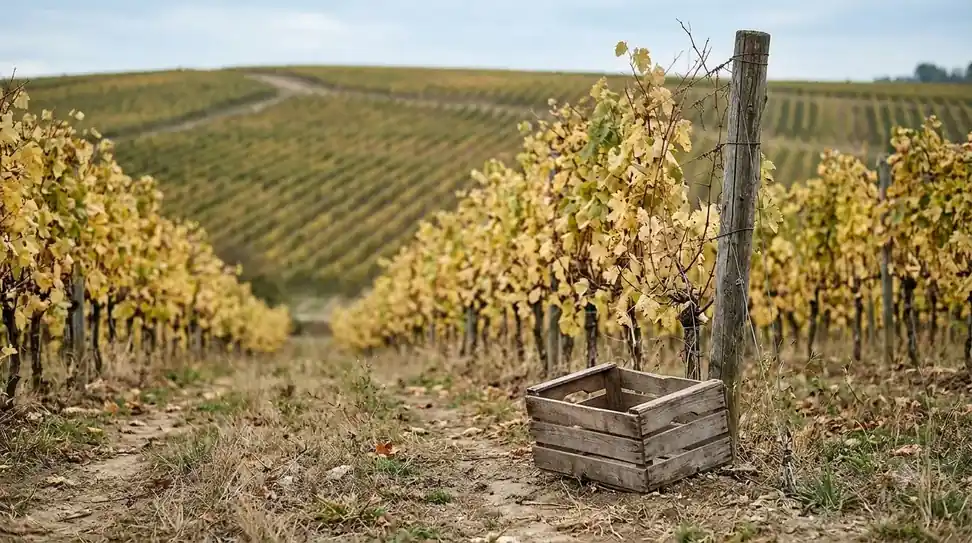
Grape ripeness and the Sonoma Coast
La Crema identifies the wine’s origin as Sonoma Coast in Sonoma County, California. The coastal region is an important part of understanding the style of this Chardonnay, although an appellation alone does not determine its alcohol percentage.
Temperature, sunlight, vineyard location, and seasonal weather influence grape development. The same Chardonnay variety can produce different results in different growing environments. A wine’s final alcohol content reflects the interaction between these vineyard conditions and the decisions made during production.
La Crema’s product description emphasizes Meyer lemon, pear, apple, peach, and pineapple. These fruit characteristics give the wine a ripe, expressive profile, while the stated 13.5% ABV provides a numerical reference for its alcoholic strength.
Fermentation and winemaking choices
During alcoholic fermentation, yeast consumes grape sugar and produces alcohol. Fermentation management, yeast selection, temperature, and the amount of sugar available can influence the finished wine’s characteristics.
Oak aging can also affect how Chardonnay tastes and feels, although oak itself does not create the wine’s alcohol percentage. It can contribute aromas and flavors associated with toast, baking spice, and richer textures.
La Crema describes subtle oak characteristics alongside the fresh fruit aromas of its Sonoma Coast Chardonnay. The combination of fruit, acidity, and oak-related richness contributes to its overall style, while fermentation is responsible for the ethanol in the finished wine.
It is important to distinguish alcohol percentage from residual sugar. A wine can taste fruity and rich without being sweet. La Crema’s Chardonnay has expressive fruit flavors, but those flavors alone do not establish how much residual sugar remains after fermentation.
Serving Temperature, Glass Size, and Wine Storage
La Crema Chardonnay is best served chilled rather than ice-cold. A temperature around 50–55 F works well for a fuller-bodied white wine because it preserves freshness while allowing fruit and oak characteristics to show.
Serving temperature does not change the actual ABV. A bottle containing 13.5% alcohol remains at that concentration whether served directly from the refrigerator or allowed to warm slightly in a glass. Temperature instead influences aroma, perceived acidity, texture, and the overall drinking experience.
The ideal temperature for La Crema Chardonnay
For a richer Chardonnay such as the Sonoma Coast bottling, 50–55 F is a useful serving range. At this temperature, citrus and pear aromas remain noticeable, while the wine’s fuller texture is easier to appreciate.
Serving the wine too cold can make its aromas seem muted. If it has been stored in a refrigerator, allow it a short period at room temperature before pouring. If the wine becomes too warm, a few minutes in an ice bucket can bring it back into the preferred range.
Unlike full-bodied red wines, Chardonnay generally does not benefit from being served at typical room temperature. Excessive warmth can make alcohol seem more pronounced and reduce the impression of freshness.
Choosing a suitable wine glass
A medium-sized white wine glass with a reasonably broad bowl is a practical choice for La Crema Chardonnay. The bowl provides enough space for the wine’s aromas to develop without requiring a particularly large serving.
A 5-ounce pour leaves room for swirling and helps keep the serving size consistent. Larger glasses can make it difficult to estimate how much wine has been poured, particularly when the glass has a wide base.
Glass shape does not alter the alcohol concentration, but it can influence aroma delivery and how the wine is experienced. A clean, clear glass also makes it easier to observe the wine’s color and clarity.
Storage after opening
Store unopened bottles in a cool, dark location with a relatively stable temperature near 55 F. Keeping bottles away from direct sunlight, strong temperature changes, and heat sources helps preserve their quality.
After opening, replace the cork or use a suitable wine stopper and refrigerate the bottle. An opened still white wine such as Chardonnay generally keeps for approximately 3–5 days under refrigeration, although its freshness gradually declines after exposure to oxygen.
Refrigeration does not remove alcohol from the wine. It slows the development of unwanted oxidation-related flavors and helps preserve the wine’s aromatic character for a limited period.
Food Pairings That Work With La Crema Chardonnay
La Crema Sonoma Coast Chardonnay combines citrus, orchard fruit, balanced acidity, and a rich texture, making it particularly suitable for seafood, poultry, and creamy dishes. Its 13.5% ABV also gives it enough body to accompany richer foods without requiring an extremely delicate preparation.
The producer specifically recommends cracked crab, lobster, shrimp, scallops in buttery sauces, roast chicken, and butternut squash risotto. These pairings make sense because the wine’s acidity can refresh the palate while its texture complements the richness of the food.
Seafood and shellfish
Crab and lobster are natural choices for La Crema Chardonnay. Their delicate sweetness works well with the wine’s apple, pear, and peach characteristics, while the wine’s acidity helps balance buttery preparations.
Scallops and shrimp are also excellent options. Pan-seared scallops with a light butter sauce or grilled shrimp with lemon provide complementary flavors without overwhelming the Chardonnay.
For a seafood dinner, avoid preparations that rely heavily on hot chili sauces. Alcohol can intensify the perception of chili heat, making a 13.5% ABV wine feel more warming alongside particularly spicy dishes.
Chicken and creamy dishes
Roast chicken is one of the simplest pairings for this Chardonnay. The savory character of roasted poultry works with the wine’s richer texture, while lemon, herbs, and light butter sauces complement its fruit and acidity.
Chicken with mushroom cream sauce is another suitable option. The earthy mushroom flavors and creamy texture provide a satisfying contrast to the wine’s pear, apple, and subtle oak notes.
Butternut squash risotto is another producer-recommended pairing. Its creamy consistency and mild sweetness complement the Chardonnay’s fruit character, while the acidity helps prevent the meal from feeling too heavy.
Cheese and desserts
Soft cheeses such as Brie and Camembert can work well with Chardonnay, particularly when served with bread or mild crackers. Their creamy texture complements the wine’s richer mouthfeel.
For dessert, La Crema recommends Key lime pie. Its citrus acidity provides a refreshing contrast to the wine’s fruit and richness. The general pairing principle is to avoid serving a wine that tastes less sweet than the dessert, because the wine can seem sharper and more acidic by comparison.
For a cheese board, try mild aged Gouda, creamy Brie, or a young semi-hard cheese. Strong blue cheeses and extremely spicy accompaniments may overpower the wine’s more delicate fruit characteristics.
Vintage Differences and What to Check on the Bottle
La Crema’s Sonoma Coast Chardonnay is listed at 13.5% ABV in the producer’s 2024 product information, and Wine Enthusiast reports the same percentage for that vintage. This makes 13.5% a reliable reference for the specific bottling, but it should not be treated as a guaranteed figure for every La Crema Chardonnay release.
Wine is an agricultural product, and each vintage reflects different growing conditions. Seasonal temperature, rainfall, grape ripeness, harvest decisions, and fermentation management can all influence the final wine. Consequently, alcohol percentages can vary between releases.
Why different vintages can have different ABV
Warmer growing seasons can encourage faster grape ripening and higher sugar accumulation, potentially producing a higher alcohol wine. Cooler seasons may result in slower ripening and different balances of sugar and acidity.
These are general winemaking relationships rather than predictions for a particular La Crema vintage. Producers can also make decisions during fermentation that influence the final alcohol concentration.
For this reason, comparing the 2024 Sonoma Coast Chardonnay with an older release requires attention to the individual bottle rather than assuming the same percentage applies across all vintages.
Different La Crema Chardonnay bottlings
La Crema’s Sonoma Coast Chardonnay is one specific expression of the variety. Other Chardonnay bottlings can have different vineyard sources, blending decisions, oak treatments, and alcohol levels.
Even when two wines carry the same producer name and grape variety, they should not automatically be assumed to have identical ABV. A regional bottling and a vineyard-designated Chardonnay may differ in both style and composition.
Look for the alcohol-by-volume percentage printed on the individual bottle. That figure is the most useful reference when calculating the alcohol in a particular serving. Vintage information is also helpful when comparing producer specifications or retailer listings.
For more information about different producers and grape varieties, explore our Wine Brands section, which covers alcohol content and characteristics across popular wine labels.
Frequently Asked Questions
Does La Crema Chardonnay contain added alcohol?
La Crema’s Sonoma Coast Chardonnay is a fermented grape wine, with alcohol produced through the conversion of grape sugars by yeast. Its listed 13.5% ABV describes the alcohol concentration of the finished wine. The producer identifies the 2024 bottling as 100% Chardonnay.
Does La Crema Chardonnay contain carbonation?
La Crema Sonoma Coast Chardonnay is presented as a still white wine rather than a sparkling Chardonnay. It is not intended to have the sustained bubbles associated with sparkling wines. Its 13.5% ABV refers to the alcoholic strength of the still wine.
Does La Crema Chardonnay have the same alcohol percentage in a restaurant?
The wine’s ABV does not change simply because it is served in a restaurant instead of at home. However, restaurant pours may be larger or smaller than a standard 5-ounce serving. The amount of alcohol in the glass depends on the wine volume poured and the bottle’s alcohol concentration.
Can La Crema Chardonnay be used in cooking?
Yes. Chardonnay can be used in dishes such as seafood sauces, chicken preparations, and risotto. Cooking changes the wine through evaporation and other chemical processes, but alcohol does not necessarily disappear completely during cooking. The final result depends on the recipe, cooking temperature, and preparation time.
What does the term ABV mean on a wine label?
ABV stands for alcohol by volume and expresses the proportion of a beverage’s volume represented by pure ethanol. A wine labeled 13.5% ABV contains approximately 13.5 ml of pure alcohol per 100 ml of wine. In the United States, wine labels generally express this percentage rather than the number of standard drinks in the bottle.
La Crema Sonoma Coast Chardonnay typically contains 13.5% ABV, giving it a fuller alcohol profile than lighter white wines while retaining refreshing acidity and expressive fruit flavors. Understanding its alcohol percentage, serving sizes, and ideal serving temperature makes it easier to choose the right glass and food pairing. For the most accurate comparison between releases, use the ABV printed on the individual bottle.
More in Wine Brands
 Louis Latour Wine Price: Compare Bottles by Style and TierUpdated Nov 20, 2026
 Yellow Tail Moscato Price: What to Expect Before You BuyUpdated Nov 20, 2026
 Sutter Home Sweet Red Review: Find the Right Food PairingsUpdated Nov 20, 2026
 Franzia Chillable Red Review: Find the Right Serving StyleUpdated Nov 20, 2026
 Veuve Clicquot Rose Review: Flavor, Food Pairings and Buying AdviceUpdated Nov 20, 2026
 Rombauer Wine Price: Compare Bottles Before You BuyUpdated Nov 20, 2026