

We may earn a commission when you buy through links on this page, at no extra cost to you. Learn more.
Ferrari Carano white wine offers three distinctive styles: aromatic Fumé Blanc, rich Sonoma County Chardonnay, and crisp Pinot Grigio. Produced in California’s Sonoma County, these wines range from refreshing, citrus-driven whites to fuller, creamy selections with ripe orchard-fruit flavors. Understanding their grape varieties, winemaking methods, and food pairings makes it easier to choose the right bottle for your preferences and occasion.
Ferrari-Carano has a long history of producing white wines, beginning with its original Fumé Blanc and Chardonnay releases. The winery draws on vineyard sites across Northern Sonoma County, using different grape varieties and fermentation techniques to create wines with distinct personalities. Whether you prefer Sauvignon Blanc’s lively acidity or Chardonnay’s rounded texture, the range provides several options worth exploring.
Which Ferrari-Carano White Wines Should You Know?
The main Ferrari-Carano white wines to explore are Fumé Blanc, Sonoma County Chardonnay, and Pinot Grigio. Each offers a different combination of fruit character, acidity, body, and winemaking influence, making the choice largely a matter of personal taste and food pairing.
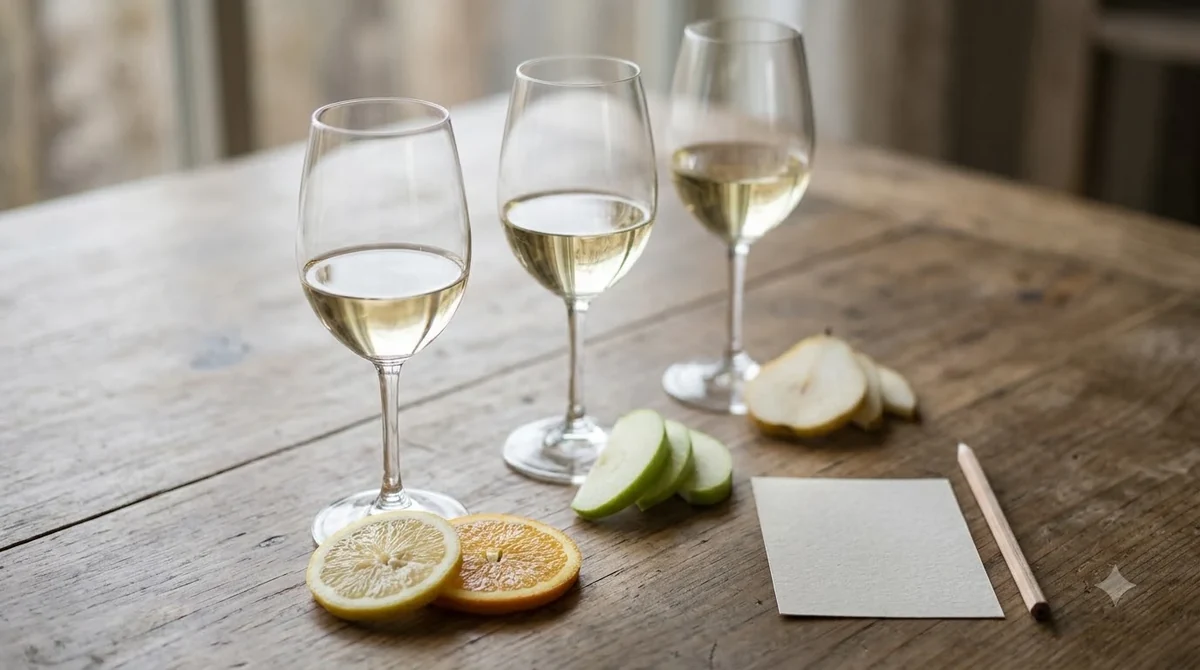
Fumé Blanc is the winery’s signature Sauvignon Blanc expression. It is particularly appealing if you enjoy refreshing white wines with citrus, tropical fruit, and a little extra texture. Ferrari-Carano identifies it as one of the first two wines the winery produced, giving it an important place in the producer’s history.
Chardonnay is the fuller-bodied option. Its Sonoma County bottling combines grapes from 60 different vineyard lots, creating a wine with a broad range of fruit and richer flavor characteristics. The winery’s tasting description includes pear, baked apple, butterscotch, buttercream, and nutmeg. This is a suitable direction for someone who enjoys a rounded white wine rather than a particularly lean, sharp style.
Pinot Grigio offers another interpretation of Sonoma white wine. Ferrari-Carano sources its grapes from cool-climate vineyard areas near rivers and ferments this bottling exclusively in stainless steel. Orange blossom, lychee, peach, pear, and Key lime are among its reported aromas and flavors. The result is a refreshing option for lighter meals and casual occasions.
The following comparison summarizes the three principal styles and their typical uses:
| Wine | Grape | Style | Flavor profile | Best use |
|---|---|---|---|---|
| Fumé Blanc | Sauvignon Blanc | Light to medium-bodied | Guava, citrus, peach, tropical fruit | Seafood and salads |
| Sonoma County Chardonnay | Chardonnay | Full-bodied | Pear, baked apple, buttercream, toffee | Roast chicken and creamy pasta |
| Sonoma County Pinot Grigio | Pinot Grigio | Light to medium-bodied | Lychee, pear, peach, citrus | Shellfish and lighter appetizers |
These wines are not interchangeable simply because they are all white. Fumé Blanc is a good starting point for Sauvignon Blanc drinkers, Chardonnay suits those who appreciate richness, and Pinot Grigio is a natural choice for people who prefer a cleaner, stainless-steel-driven expression.
Ferrari-Carano also produces other white wine selections, including Reserve Chardonnay and vineyard-designated bottlings. These provide opportunities to explore differences in vineyard origin and winemaking approach beyond the three familiar styles. For a broader introduction to the producer’s portfolio, see our guide to Wine Brands.
Ferrari-Carano Fumé Blanc: Sauvignon Blanc With Added Texture
Ferrari-Carano Fumé Blanc combines Sauvignon Blanc’s naturally refreshing acidity with ripe fruit flavors and a subtle influence from neutral French oak. Expect citrus and tropical fruit rather than pronounced sweetness, with enough texture to accompany a wider range of dishes than some very lean Sauvignon Blanc styles.
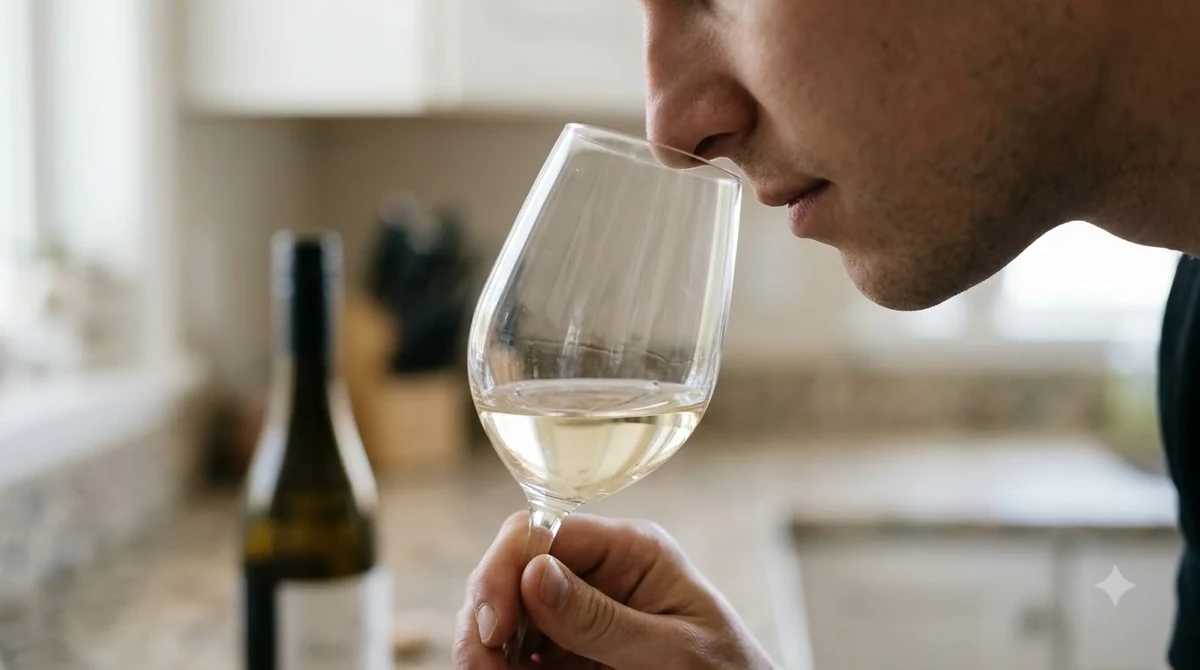
Fumé Blanc is a California naming tradition associated with Sauvignon Blanc. It does not represent a separate grape variety. The name can suggest a richer or more textured interpretation of Sauvignon Blanc, although the actual style depends on the producer’s winemaking decisions.
Ferrari-Carano describes its Fumé Blanc as a combination of stainless-steel freshness and neutral French oak influence. Its published winemaking description identifies approximately 70% stainless steel and 30% neutral French oak. Stainless steel helps preserve the grape’s fresh fruit and acidity, while older barrels contribute additional body and complexity without imposing the strong vanilla or toasted flavors sometimes associated with new oak.
The winery’s 2024 Fumé Blanc provides a useful example of its flavor profile. The aromas include guava, apricot, and lychee, while the palate brings together pineapple, mango, peach, and lemon cream. These characteristics make the wine particularly attractive to drinkers who enjoy Sauvignon Blanc but prefer some roundness alongside its citrus freshness.
Its published technical information also helps explain the structure:
- Grape variety: Sauvignon Blanc.
- Alcohol content: 13.9%.
- Total acidity: 5.53 grams per liter.
- pH: 3.48.
- Origin: Sonoma County and the broader North Coast designation, depending on the bottling.
These figures describe a relatively expressive white wine with refreshing acidity and moderate-to-full flavor intensity. The alcohol level contributes some weight, while the acidity keeps the fruit character lively.
Fumé Blanc also has an established place in the winery’s history. Ferrari-Carano released its first Fumé Blanc from the 1986 vintage, alongside its original Alexander Valley Chardonnay. The continued presence of this wine reflects its importance to the producer’s identity.
For a closer look at its aroma, palate, structure, and finish, read our dedicated article on Ferrari Carano Fumé Blanc tasting notes.
Wine Enthusiast’s review of the 2021 bottling provides an additional perspective. The publication awarded the wine 88 points and described its character through guava, peach, and vanilla bean, highlighting its rich, juicy side. You can read the Wine Enthusiast review of Ferrari-Carano 2021 Fumé Blanc for another vintage-specific assessment.
Ferrari-Carano Chardonnay: Richness and Orchard-Fruit Character
Ferrari-Carano Chardonnay is the natural choice for drinkers who enjoy fuller-bodied white wine with ripe fruit, creamy texture, and noticeable richness. Its Sonoma County bottling combines multiple vineyard lots, producing a layered expression that differs considerably from the brighter, more citrus-driven Fumé Blanc.
The winery’s 2024 Sonoma County Chardonnay combines grapes from 60 different vineyard lots. This blending approach gives the winemaking team an opportunity to bring together different vineyard characteristics and create a consistent overall style.
Its tasting profile includes several recognizable Chardonnay characteristics:
- Graham cracker and toffee on the nose.
- Butterscotch and buttercream for a creamy impression.
- Pear and baked apple for orchard-fruit character.
- Nutmeg and caramel for additional depth.
- Lemon chiffon and lemon honey for a brighter finishing impression.
The published technical information for this bottling lists 100% Chardonnay, 14.5% alcohol, 5.3 grams per liter of acidity, and a pH of 3.65. Compared with the winery’s Fumé Blanc, the Chardonnay has a higher alcohol level and a slightly higher pH, characteristics consistent with its fuller overall presentation.
Winemaking is particularly important to the style of Chardonnay. Fermentation and aging in barrels can contribute texture and flavors reminiscent of butter, baking spices, and toasted ingredients. The resulting wine can feel rounder and more substantial than a Chardonnay made entirely in stainless steel.
Ferrari-Carano also has a broader Chardonnay collection. Its Reserve Chardonnay is primarily sourced from the winery’s Napa Carneros ranch, with additional selections from Alexander Valley. Its Russian River Valley Chardonnays are identified as single-vineyard-designated wines.
These distinctions matter because Chardonnay is highly responsive to vineyard location and production choices. Two wines made from the same grape can have noticeably different levels of freshness, fruit intensity, richness, and oak influence.
If you enjoy creamy sauces, roasted poultry, or dishes with mushrooms, the Sonoma County Chardonnay is a particularly useful selection. Its richer texture can complement ingredients that might overwhelm a very light white wine.
Ferrari-Carano Pinot Grigio: A Fresher, Cleaner Style
Ferrari-Carano Pinot Grigio provides a refreshing alternative to the richer Chardonnay and more textured Fumé Blanc. Its exclusively stainless-steel fermentation helps retain bright fruit aromas, clean flavors, and an appealing sense of freshness.
The winery’s 2024 Sonoma County Pinot Grigio is composed of 97% Pinot Grigio and 3% mixed white grapes. Its listed alcohol content is 13.5%, with acidity of 5.54 grams per liter and a pH of 3.46.
Its aromatic profile includes orange blossom, lychee, peach, pear, and Key lime. White peach and wet-stone minerality add further detail to the palate, while its acidity helps maintain a refreshing finish.
One important difference between this wine and Fumé Blanc is the production method. Both can deliver fresh fruit and bright acidity, but Pinot Grigio relies on stainless-steel fermentation rather than the combination of stainless steel and neutral French oak used for Fumé Blanc.
That distinction can make Pinot Grigio a particularly attractive choice when you want a straightforward, refreshing white without noticeable barrel-derived richness. It works well as an aperitif, with seafood starters, and alongside uncomplicated meals built around fresh ingredients.
For example, try it with grilled shrimp, a lemon-dressed green salad, or a plate of mild cheeses. Its fruit and acidity provide a pleasant contrast to lightly seasoned ingredients without dominating them.
It is also worth remembering that Pinot Grigio and Pinot Gris are names for the same grape variety. The names are often associated with different regional traditions and stylistic expectations, but neither name alone guarantees a particular sweetness or body.
Ferrari-Carano’s Sonoma County bottling is a useful introduction to a fruit-forward, stainless-steel-fermented interpretation of this grape. It is especially suitable for drinkers who want something lighter in texture than a creamy Chardonnay.
Sonoma County Origins and Ferrari-Carano Winemaking
Ferrari-Carano’s white wines reflect the diversity of Northern Sonoma County, where vineyard location and production choices influence the character of each bottle. Dry Creek Valley, Alexander Valley, and Russian River Valley are particularly relevant to understanding the winery’s Sauvignon Blanc and Chardonnay selections.
Don and Rhonda Carano founded Ferrari-Carano in 1981. Their interest in Northern Sonoma County developed after visiting the area in 1979. The winery began construction in Dry Creek Valley in 1985, and its first two labeled wines were released in 1987.
Those original wines were the 1986 Fumé Blanc and 1985 Alexander Valley Chardonnay. Their continued production illustrates how important white wine has been to Ferrari-Carano since its early years.
Each Sonoma subregion contributes different growing conditions:
Dry Creek Valley
Dry Creek Valley is an important area for Sauvignon Blanc. Ferrari-Carano identifies its estate vineyard near Lake Sonoma, where warm daytime conditions and cooler nights provide a suitable environment for growing this variety. The combination can help fruit develop while retaining refreshing acidity.
The winery’s Fumé Blanc draws on estate vineyard sources in Dry Creek Valley and other Sonoma appellations. This broader sourcing provides flexibility when assembling the final wine.
Alexander Valley
Alexander Valley is another important part of Ferrari-Carano’s vineyard network. The region contributes to the winery’s Chardonnay program, including selected lots used to complement its Reserve Chardonnay. It is also historically significant because the original 1985 Chardonnay came from this area.
Russian River Valley
Russian River Valley is particularly relevant to the winery’s Chardonnay production. Ferrari-Carano identifies its wines from this appellation as single-vineyard-designated bottlings, allowing individual vineyard characteristics to play a more prominent role.
These regional differences help explain why a producer’s wines can vary considerably even when the same grape variety is involved. A Sauvignon Blanc from a warmer site may show riper peach and tropical-fruit flavors, while a cooler site may emphasize citrus and sharper freshness.
Ferrari-Carano also keeps vineyard lots separate until blending. This approach gives the winemaking team greater control over the final balance of fruit, acidity, and texture. Rather than combining every lot immediately, the winery can assess individual components before deciding how they work together.
The winery’s broader portfolio includes red wines as well. If you enjoy its white selections and want to compare its approach to darker, more structured wines, explore our guide to Ferrari Carano red wine.
Food Pairings, Serving Temperature, and Storage
Ferrari-Carano white wine pairs well with seafood, poultry, vegetables, and dishes with creamy or citrus-based sauces. The best match depends on the wine’s body and acidity: Fumé Blanc suits fresh, herb-driven food, Chardonnay handles richer preparations, and Pinot Grigio works particularly well with lighter meals.
Pairing Fumé Blanc
Fumé Blanc’s bright acidity and tropical fruit make it a natural match for shellfish, grilled white fish, goat cheese, and salads. Its citrus character also complements dishes containing lemon, fresh herbs, and vinaigrette.
Consider these combinations:
- Grilled shrimp with lemon and parsley.
- Oysters with a light citrus dressing.
- Goat cheese salad with fresh greens.
- Herb-roasted chicken with asparagus.
- Vietnamese spring rolls with fresh herbs and a moderate dipping sauce.
- Grilled scallops with a light butter and lemon sauce.
The wine’s acidity is particularly useful with tangy dressings and citrus-based preparations. If a dish contains substantial acidity, choose a wine with equal or greater perceived acidity so that the wine does not seem flat.
Pairing Chardonnay
The richer Chardonnay is better suited to food with more weight and creaminess. Its buttercream, baked apple, and butterscotch characteristics complement dishes that have roasted, buttery, or gently spiced flavors.
- Roast chicken with thyme and garlic.
- Creamy mushroom pasta.
- Grilled lobster with butter.
- Roasted turkey with mild herbs.
- Seared scallops with a creamy sauce.
- Soft cheeses and lightly toasted bread.
A creamy pasta dish is a particularly practical match because the wine’s texture complements the sauce. Alternatively, its acidity can provide contrast against the richness of butter or cream.
Pairing Pinot Grigio
Pinot Grigio works best with lighter preparations that allow its fruit and freshness to remain noticeable. Think of dishes with seafood, vegetables, mild cheese, and delicate seasoning.
- Grilled prawns with lime.
- Fresh crab salad.
- Steamed mussels with herbs.
- Vegetable risotto.
- Fresh mozzarella with tomatoes.
- Light pasta with olive oil and lemon.
When choosing food for any of these wines, avoid very sweet dishes unless the wine itself is sweeter than the food. Sweet food can make dry wine taste less balanced. Similarly, extremely spicy dishes can make wines with higher alcohol seem hotter, so moderate seasoning is generally easier to pair.
Serving temperatures
Serving temperature has a noticeable effect on the aromas and texture of white wine. A wine served too cold can seem muted, while a warm glass may emphasize alcohol and reduce the impression of freshness.
| Wine style | Recommended temperature | Serving guidance |
|---|---|---|
| Ferrari-Carano Fumé Blanc | 45–50°F | Chill before serving |
| Ferrari-Carano Pinot Grigio | 45–50°F | Serve cool and refreshing |
| Ferrari-Carano Chardonnay | 50–55°F | Allow a little warming in the glass |
These temperatures provide a useful starting point for the winery’s principal white styles. A fuller Chardonnay generally benefits from slightly warmer service than a lighter, stainless-steel-fermented Pinot Grigio.
Storage after opening
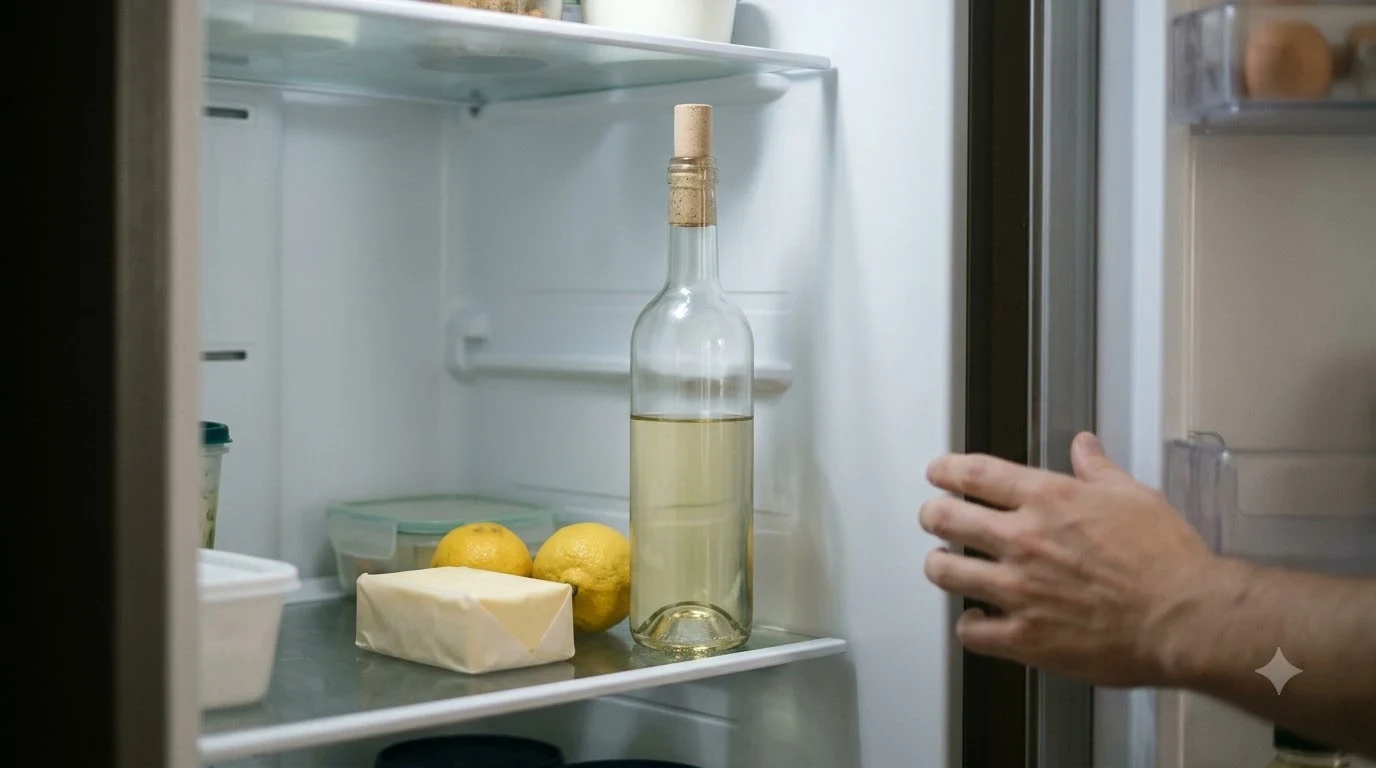
Once opened, white wine should generally be recorked or sealed with a suitable wine stopper and placed in the refrigerator. This slows oxidation and helps preserve fresh fruit character.
As a practical guideline, opened still white wines usually remain enjoyable for approximately three to five days when properly refrigerated. The exact period depends on the wine’s condition, exposure to oxygen, and how carefully it has been stored.
Tip: Chill Ferrari-Carano Fumé Blanc and Pinot Grigio to approximately 45–50°F, but give Chardonnay a little more time to warm toward 50–55°F. After opening, seal the bottle promptly and refrigerate it rather than leaving it on the kitchen counter.
For unopened bottles, store white wine in a cool, dark location away from direct sunlight and temperature fluctuations. A storage temperature near 55°F is a useful target. If the bottle has a traditional cork, horizontal storage helps keep the cork in contact with the wine.
Frequently Asked Questions
Is Ferrari-Carano Fumé Blanc the same as Sauvignon Blanc?
Yes. Fumé Blanc is an alternative name for Sauvignon Blanc, popularized in California. The name does not identify a different grape or guarantee a specific production method. Ferrari-Carano uses the designation for its Sonoma-focused expression, which combines stainless-steel fermentation with neutral French oak influence.
Does Ferrari-Carano white wine need to be decanted?
Generally, no. Fumé Blanc and Pinot Grigio are best enjoyed directly from the bottle after chilling. Chardonnay can also be served without decanting, although allowing it to breathe briefly in the glass can help its aromas develop. A standard 750 ml bottle provides approximately five traditional 5-ounce servings.
Can Ferrari-Carano white wine be aged?
Most of the winery’s everyday white wines are intended to be enjoyed while their fruit character remains fresh. Some fuller Chardonnay bottlings may develop additional complexity with suitable cellaring, but aging potential depends on the particular wine and vintage. A consistent storage environment near 55°F is preferable for bottles being kept longer.
What is the difference between Sonoma County and North Coast on a wine label?
Sonoma County is a specific California winegrowing county, while North Coast is a broader American Viticultural Area encompassing several Northern California wine regions. A North Coast designation can therefore indicate a broader geographical sourcing area than a Sonoma County designation. The precise designation depends on the grapes and applicable labeling requirements.
Is Ferrari-Carano Pinot Grigio suitable for a wine cocktail?
Yes. Its clean fruit character makes it a useful base for simple white-wine spritzers. Combine approximately 3 ounces of chilled Pinot Grigio with 2 ounces of sparkling water and a slice of lemon or lime. Serve over ice in a wine glass for a refreshing, uncomplicated drink.
Ferrari-Carano white wine offers a range of styles for different preferences, from the bright tropical-fruit character of Fumé Blanc to the creamy richness of Chardonnay and the refreshing simplicity of Pinot Grigio. Start with the grape and texture you enjoy most, then experiment with food pairings and serving temperatures to discover which bottle best suits your table.
More in Wine Brands
 Louis Latour Wine Price: Compare Bottles by Style and TierUpdated Nov 20, 2026
 Yellow Tail Moscato Price: What to Expect Before You BuyUpdated Nov 20, 2026
 Sutter Home Sweet Red Review: Find the Right Food PairingsUpdated Nov 20, 2026
 Franzia Chillable Red Review: Find the Right Serving StyleUpdated Nov 20, 2026
 Veuve Clicquot Rose Review: Flavor, Food Pairings and Buying AdviceUpdated Nov 20, 2026
 Rombauer Wine Price: Compare Bottles Before You BuyUpdated Nov 20, 2026