

We may earn a commission when you buy through links on this page, at no extra cost to you. Learn more.
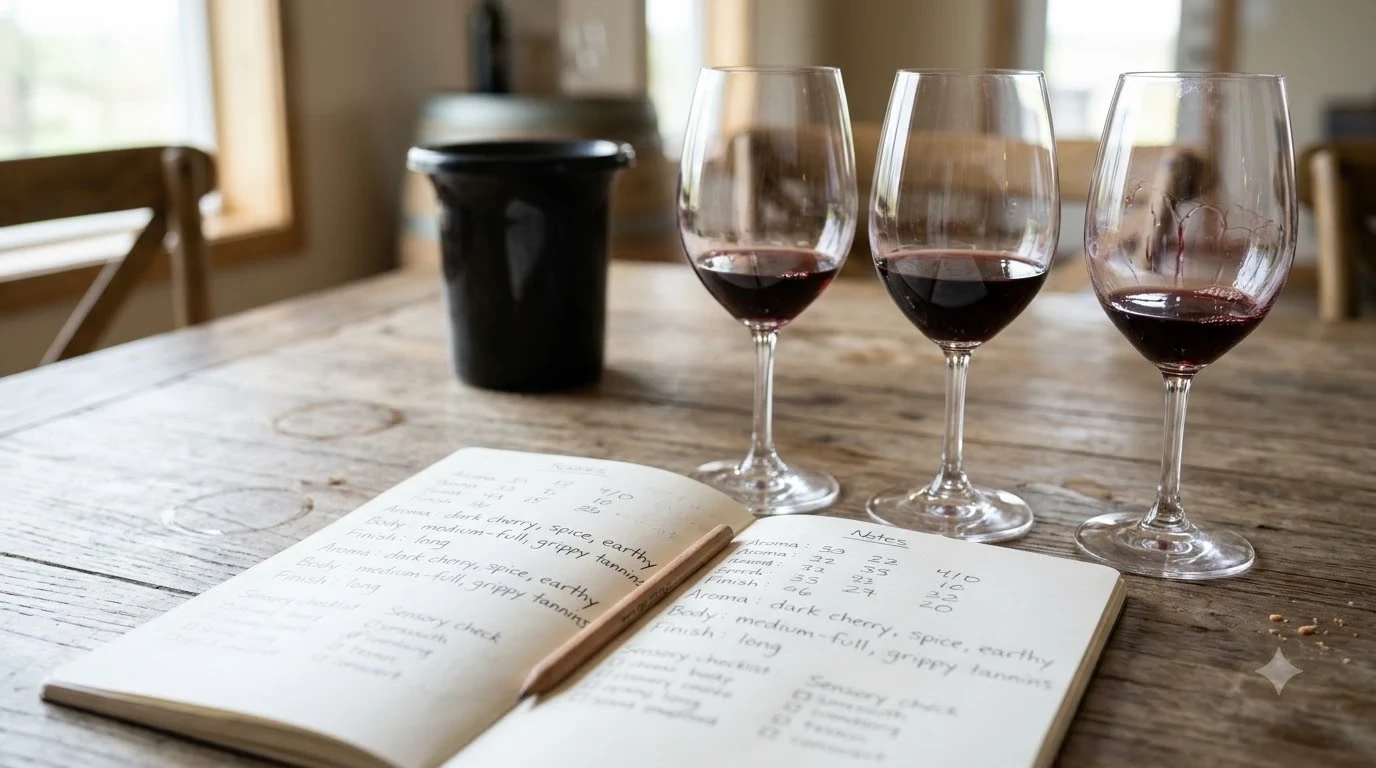
Cakebread chardonnay tasting notes typically feature golden apple, ripe pear, white peach, lemon, and melon, supported by fresh acidity, subtle oak spice, and a creamy, rounded texture. This Napa Valley Chardonnay combines fruit from cool Carneros vineyards with grapes from warmer valley locations to create a balanced, medium-to-full-bodied white wine. Expect orchard fruit and citrus first, followed by vanilla, gentle toast, mineral nuances, and a refreshing finish.
Cakebread Cellars has built a recognizable Chardonnay style around ripe California fruit without abandoning freshness. Its Napa Valley bottling appeals to drinkers who enjoy a generous texture but still want enough acidity to keep each sip lively. Understanding its aromas, palate, production methods, and vintage differences makes it easier to appreciate the wine and choose suitable foods. The following tasting guide explains what to expect from the glass and how to get the most from every bottle.
Primary Aromas and Flavor Profile of Cakebread Chardonnay
Cakebread Chardonnay combines ripe orchard fruit, citrus, and stone fruit with restrained oak character. The overall impression is generous and polished, with freshness providing structure beneath the wine’s rounded texture.

Apple and pear form the central fruit profile. Golden apple suggests ripe orchard fruit, while pear contributes a softer, juicy impression. Depending on the vintage and serving conditions, green apple can also appear, adding a slightly sharper edge. These flavors create a familiar California Chardonnay foundation without making the wine taste excessively sweet.
Peach and melon add another layer. White peach can bring a delicate floral quality, while ripe melon gives the palate a broader, softer impression. These fruit characteristics are particularly noticeable as the wine warms slightly in the glass. Lemon and other citrus flavors provide contrast, helping the fruit remain fresh rather than heavy.
The aromatic profile also includes baking spice, vanilla, and subtle oak. Cakebread’s producer tasting description identifies mineral, yeast, and oak-spice nuances alongside golden apple, white peach, pear, and melon. These secondary aromas contribute complexity without replacing the fruit as the main attraction.
Another useful reference comes from Wine Enthusiast’s review of the 2023 Napa Valley Chardonnay. The publication awarded that vintage 90 points and identified mixed citrus, buttered brioche, baked apple, pear, spice, and a pleasing smoky accent. The review demonstrates how the wine can show more developed pastry and toasted notes alongside its orchard-fruit character. The Wine Enthusiast review of Cakebread’s 2023 Chardonnay provides a useful vintage-specific reference for these characteristics.
For practical tasting, divide the aromas into three groups:
- Primary fruit: golden apple, green apple, pear, white peach, melon, and lemon.
- Winemaking influences: vanilla, baking spice, brioche, and gentle toast.
- Additional nuances: mineral impressions, yeast, citrus peel, and occasional smoky notes.
Not every bottle will display every characteristic equally. Vintage conditions, bottle age, serving temperature, and the time the wine spends in the glass all influence which aromas become most noticeable. A cooler serving temperature tends to emphasize citrus and freshness, while a slightly warmer glass can make the peach, vanilla, and creamy elements more apparent.
Body, Acidity, Oak, and Overall Mouthfeel
Cakebread Chardonnay generally has a medium-to-full-bodied character, with a rounded palate balanced by fresh acidity. Its texture is an important part of the experience because oak fermentation, lees contact, and partial malolactic fermentation contribute richness without requiring the wine to lose its freshness.
The first impression on the palate is usually ripe fruit. Apple and pear provide the central flavors, while melon and peach broaden the middle of the tasting experience. Lemon and citrus notes add definition, particularly toward the finish. The wine’s fruit profile is generous, but its acidity helps prevent the palate from feeling flat.
Acidity is especially important when evaluating Chardonnay. Cakebread’s style is not simply rich and soft. The fresh acidity gives the wine a lively structure that complements seafood, poultry, and creamy dishes. It also makes the wine more versatile at the dinner table than an excessively heavy white wine might be.
Oak influence adds another dimension. French oak can contribute vanilla, baking spice, toasted notes, and a more integrated sense of richness. Cakebread combines barrel fermentation and aging with stainless steel fermentation, giving the wine a combination of freshness and textural depth.
Lees aging also matters. Yeast lees are the sediment remaining after fermentation. Allowing wine to remain in contact with these materials can create a fuller mouthfeel and introduce bread-like or yeasty impressions. Regular stirring, known as bâtonnage, helps distribute the lees and can increase the perception of texture.
The resulting wine has a supple rather than sharply lean character. It does not have the pronounced tannin structure associated with red wines, and oak-derived impressions should not be confused with sweetness. Vanilla and brioche aromas can make a dry Chardonnay seem richer, even when its actual sugar content remains low.
When assessing a glass, consider these four elements separately:
- Body: the perceived weight of the wine across the palate.
- Acidity: the mouthwatering freshness that keeps the wine lively.
- Texture: the creamy, rounded sensation associated with fermentation and lees contact.
- Oak: the vanilla, spice, and toast impressions that support the fruit.
These elements work together rather than competing. A balanced Cakebread Chardonnay should retain recognizable fruit and refreshing acidity even when its oak and creamy characteristics become more prominent.
Carneros Vineyards and Napa Valley Influence
Cakebread’s Chardonnay reflects the differences between cooler Carneros vineyards and warmer growing locations elsewhere in Napa Valley. This combination helps explain why the wine can deliver ripe fruit while maintaining a noticeable sense of freshness.
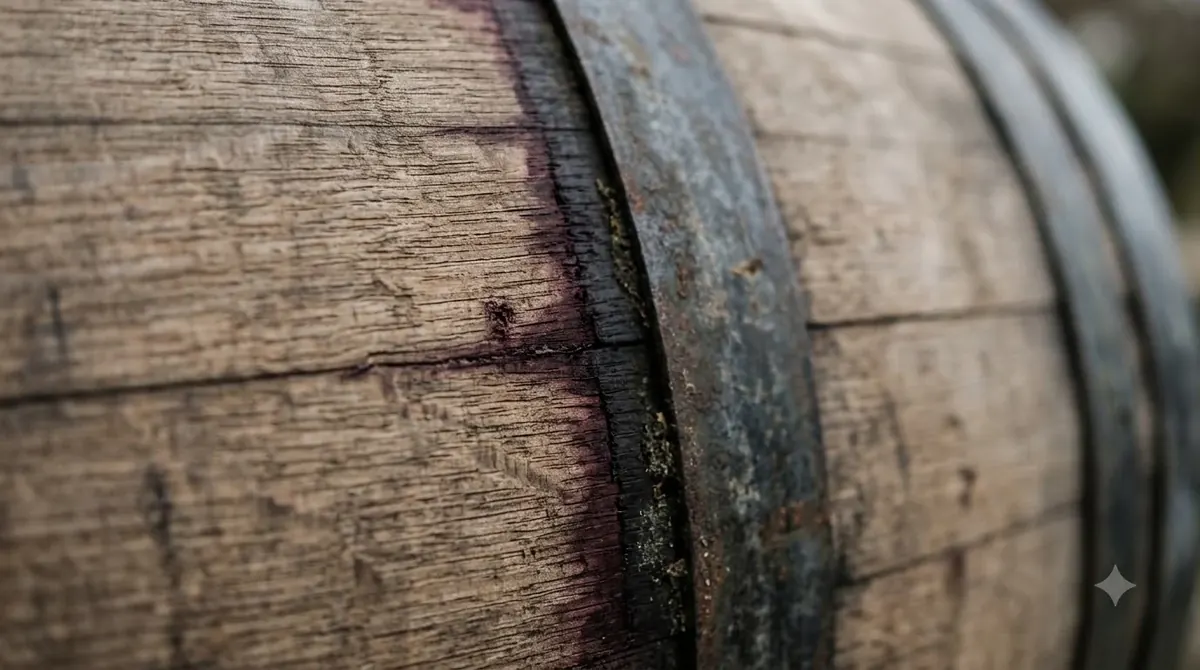
Carneros occupies the southern part of Napa Valley, where the influence of San Pablo Bay creates a cooler growing environment. Fog and cooling breezes moderate temperatures and extend the growing season. These conditions allow Chardonnay grapes to develop ripe flavors while retaining acidity.
According to Cakebread’s wine portfolio information published by Kobrand, approximately 40% of the Napa Valley Chardonnay fruit comes from estate vineyards. The producer identifies Carneros as the primary source and explains that fruit from warmer areas, including Oak Knoll, complements the cooler-climate component.
This blending approach is useful because different vineyard locations contribute different characteristics. Cooler Carneros fruit can provide citrus, freshness, and structure. Warmer locations can contribute fuller fruit flavors and a broader palate. Combining these components helps create a Chardonnay that feels both generous and balanced.
Soil also influences vineyard development. Cakebread identifies Haire Loam as an important soil type in its Carneros vineyards. This light clay soil helps regulate vine vigor, supporting concentrated fruit development. Soil does not directly produce a specific flavor such as apple or lemon, but it contributes to the growing conditions that influence grape development.
The producer’s 2022 technical sheet provides an additional example of how vineyard sourcing can vary between vintages. That wine contained 89.3% Napa Valley fruit and 10.7% Sonoma fruit. It was identified as 100% Chardonnay, illustrating that the grape variety and the geographic origin of the fruit are separate considerations.
For tasting purposes, the regional influence is most useful as an explanation of balance. A warmer Napa site can contribute ripe fruit, while Carneros helps retain the freshness needed to keep the wine from feeling overly heavy. The resulting style is recognizable as California Chardonnay but retains a more structured finish than an extremely ripe, low-acid white wine.
For readers exploring other California Chardonnay expressions, comparing Rombauer Chardonnay tasting notes can help illustrate how different producers approach fruit concentration, oak, and texture. The regional and winemaking choices behind each bottle are often more revealing than the grape name alone.
How Cakebread Chardonnay Is Made
Cakebread’s production methods combine careful harvesting, whole-cluster pressing, barrel fermentation, and lees aging. These techniques help preserve fruit character while adding the texture and complexity associated with its California Chardonnay style.
Night harvesting is one of the important decisions in the process. Grapes are picked during cooler nighttime conditions to help retain freshness and natural acidity. Lower fruit temperatures also make it easier to handle the grapes before fermentation begins.
After harvesting, the grapes undergo whole-cluster pressing. This technique extracts juice while limiting unnecessary handling of the fruit. Cakebread then transfers the free-run juice into a combination of French oak barrels and stainless steel tanks for fermentation.
Using both vessels allows the producer to build different components of the wine. Stainless steel helps preserve clean fruit expression, while French oak fermentation can contribute greater texture and subtle spice. The resulting blend brings these elements together rather than allowing either one to dominate.
Malolactic fermentation is another important consideration. During this secondary fermentation, sharper malic acid is converted into softer lactic acid. The process can create a rounder mouthfeel and contribute buttery or creamy impressions. Cakebread uses partial rather than complete malolactic fermentation in the production specifications published for its Chardonnay.
Lees aging further develops the wine’s texture. According to the producer’s published production information, the barrel-fermented portion spends time on the yeast lees, with stirring every two weeks. This practice helps integrate the wine’s fruit and oak components while creating a more supple palate.
Production figures can vary by vintage, so a single technical description should not be treated as a permanent recipe. The following comparison shows the specific information available for two documented vintages.
| Production detail | 2022 Chardonnay | General producer specifications |
|---|---|---|
| Grape variety | 100% Chardonnay | Chardonnay |
| Alcohol by volume | 13.8% | Varies by vintage |
| Barrel aging | 8 months | 8 months |
| New French oak | 29% | 32% |
| Malolactic fermentation | 9.5% | 13% |
| Acidity | 0.603 g/100 ml | Varies by vintage |
| pH | 3.50 | Varies by vintage |
The figures come from Cakebread’s 2022 technical sheet and the producer’s general Napa Valley Chardonnay specifications. They illustrate why vintage-specific information matters: even when the overall house style remains recognizable, oak proportions and fermentation decisions can change.
For a closer look at the 2022 production details, the official Cakebread 2022 Chardonnay technical sheet documents the grape composition, vineyard sourcing, fermentation, acidity, alcohol, and barrel-aging figures.
These production choices help explain why Cakebread Chardonnay can show both fresh citrus and creamy pastry characteristics. Rather than relying on heavy oak alone, the producer combines vineyard sourcing, fermentation choices, and lees contact to build a more complete palate.
Vintage Differences and Bottle Aging Potential
Cakebread Chardonnay maintains a recognizable fruit-forward profile, but individual vintages can differ in acidity, texture, alcohol, and secondary aromas. Bottle age can also change the balance between fresh fruit and developed flavors.
The 2022 Napa Valley Chardonnay provides a clear example of the producer’s medium-bodied style. Its technical sheet describes green apple, lemon, pear, white flowers, and baking spice on the nose. The palate includes ripe melon, lemon curd, crème brûlée, and vanilla, with fresh acidity balancing subtle oak notes.
The 2023 vintage received 90 points from Wine Enthusiast. Its review describes mixed citrus, buttered brioche, baked apple, pear, spice, and a smoky accent. The combination suggests a slightly more developed pastry and toasted impression alongside familiar orchard fruit.
The 2024 vintage has also received favorable professional attention. James Suckling awarded it 93 points, describing lemon confit, crushed stones, pastry, grapefruit, and flint, with a medium-weight palate, bright acidity, and a zesty finish.
These tasting descriptions demonstrate why it is useful to distinguish between a producer’s general style and the expression of an individual vintage. One year might emphasize green apple and lemon, while another can show more baked fruit, pastry, or mineral character.
Does Cakebread Chardonnay improve with age?
Yes, suitable bottles can develop additional complexity. Cakebread states that its Napa Valley Chardonnay can gain complexity and appeal with five to seven years of aging. That guidance indicates that the wine is not necessarily intended for immediate consumption only.
During bottle aging, fresh fruit aromas can become less pronounced, while more developed notes may emerge. Depending on storage conditions and the vintage, these can include baked apple, honey-like impressions, dried citrus, toasted nuts, and more integrated vanilla. The wine’s acidity helps provide structure as its aromas evolve.
However, not every bottle needs extended aging. Many drinkers will enjoy the bright fruit and fresh character of a younger vintage. If you prefer crisp apple, pear, and lemon, drinking the wine relatively young is a sensible choice. If you enjoy more developed aromas and a softer impression, a few years of careful cellaring may be appealing.
Proper storage is essential. Keep bottles near 55°F in a location with stable temperatures, limited light, and minimal vibration. Store cork-finished bottles on their sides to keep the cork from drying out. Avoid places where temperatures fluctuate substantially, such as a kitchen cabinet beside an oven.
Vintage selection should also reflect the intended drinking occasion. A younger bottle works well for a casual seafood dinner, while a bottle with some age may be more interesting alongside roasted poultry, mushroom dishes, or a richer cheese selection.
Best Serving Temperature and Food Pairings
Cakebread Chardonnay is best served at approximately 50–55°F, a temperature range that allows its fruit, acidity, oak, and creamy texture to work together. Food pairings should complement its ripe orchard fruit and freshness without overwhelming its moderate weight.
Serving the wine too cold can mute its aromas and make the palate seem less expressive. At the other extreme, excessive warmth can emphasize alcohol and make the wine feel heavier. A brief period in the refrigerator before serving is usually sufficient if the bottle begins at room temperature.
Tip: Chill Cakebread Chardonnay to approximately 50°F before opening, then allow it to warm gradually in the glass. This helps reveal citrus and apple first, followed by peach, vanilla, and creamy lees-derived aromas.
A standard wine pour is approximately 5 ounces, which means a 750 ml bottle provides about five servings. Use a medium-sized white wine glass with enough room to swirl the wine gently. Swirling releases aromatic compounds and makes it easier to identify individual fruit and oak characteristics.
Seafood and shellfish
Seafood is one of the strongest pairing categories for Cakebread Chardonnay. Grilled scallops, shrimp, crab, and lobster work particularly well because their natural sweetness complements apple, pear, and peach flavors. The wine’s acidity also helps balance butter-based sauces and richer seafood preparations.
For grilled scallops, keep seasoning simple with lemon, herbs, and a modest amount of butter. For lobster, a light butter sauce can work well because the wine has enough body to match the richness. Avoid excessive chili heat, which can make alcohol seem more pronounced and disrupt the balance.
Chicken and turkey
Roast chicken is another dependable match. The wine’s medium-to-full body can stand up to roasted poultry, while its citrus and apple flavors complement herbs, browned skin, and pan juices. Turkey breast with lemon, thyme, or a light cream sauce also makes a suitable pairing.
For richer preparations, consider chicken with mushrooms or a moderate cream sauce. The wine’s acidity helps refresh the palate between bites. Avoid overly sweet glazes, because the wine’s dry character may make a very sugary sauce taste even sweeter by comparison.
Cheese and creamy dishes
Cheese offers several good opportunities. Brie, Gruyère, young Gouda, and mild goat cheese can complement the wine’s texture and fruit character. The salt and fat in cheese soften the perception of acidity and make the combination feel rounder.
Creamy pasta dishes are also suitable. Fettuccine with mushrooms, chicken Alfredo, and pasta with Parmesan-based sauces provide enough richness to match the Chardonnay’s body. Lemon zest or fresh herbs can add freshness to the dish and connect with the wine’s citrus notes.
Vegetables and lighter dishes
Roasted cauliflower, grilled zucchini, corn, and vegetables with a light butter sauce can work particularly well. Their natural sweetness complements the wine’s ripe fruit, while caramelized edges echo subtle oak and baking-spice characteristics.
For salads, use a dressing with moderate acidity rather than an extremely sharp vinegar base. Highly acidic food can make a wine seem less lively by comparison. A salad with roasted squash, toasted almonds, and mild cheese is a particularly useful option.
The following combinations provide a practical starting point:
- Grilled scallops: complement the wine’s peach, pear, and citrus flavors.
- Roast chicken: matches the Chardonnay’s body and subtle oak character.
- Lobster with butter: works with the wine’s creamy texture and fresh acidity.
- Mushroom pasta: complements its earthy, yeasty, and toasted nuances.
- Brie or Gruyère: pairs with the wine’s rounded palate and fruit richness.
- Roasted cauliflower: brings out its apple, melon, and baking-spice characteristics.
For readers comparing different Napa Chardonnay styles, Far Niente Chardonnay tasting notes offer another useful reference. Comparing fruit concentration, oak influence, and texture can help identify which style works best with a particular menu.
How Cakebread Compares With Other California Chardonnays
Cakebread Chardonnay sits in the broad category of ripe, polished California Chardonnay, but its balance of fruit, acidity, and oak gives it a distinct identity. Comparing it with other producers can clarify whether you prefer a fresher, creamier, or more oak-forward expression.
Rombauer Chardonnay is frequently associated with a rich, generous style. Its buttery impressions and fuller texture appeal to drinkers who enjoy a more pronounced sense of richness. Cakebread also has creamy elements, but its combination of Carneros fruit, citrus freshness, and measured oak can provide a more defined balance between richness and acidity.
Far Niente Chardonnay offers another useful comparison. Its California Chardonnay style is also associated with ripe fruit and oak-derived complexity, but differences in vineyard sourcing, fermentation, and aging create a separate expression. Looking at the relative intensity of citrus, stone fruit, vanilla, and toast can help distinguish the two.
Frank Family Chardonnay provides another point of comparison for people exploring Napa Valley white wines. Both producers work within California’s recognizable ripe-fruit tradition, but individual bottlings can differ in weight, acidity, and oak treatment. Comparing them side by side is more informative than assuming that all Napa Chardonnay tastes alike.
These differences become easier to recognize when you use a consistent tasting approach. Serve each wine at a similar temperature, use comparable glassware, and taste them in small pours. Pay attention to the first aromas, the weight across the middle of the palate, and the length of the finish.
A simple comparison checklist includes:
- Fruit: Does apple, pear, peach, or tropical fruit dominate?
- Acidity: Does the wine feel crisp, balanced, or comparatively soft?
- Oak: Are vanilla, toast, and baking spice subtle or pronounced?
- Texture: Is the palate lean, creamy, or particularly full?
- Finish: Does citrus, mineral character, or toasted flavor linger longest?
For a broader introduction to producers and styles, the Wine Brands collection provides a useful starting point for exploring different wineries and their approaches to Chardonnay.
Ultimately, Cakebread’s appeal lies in the combination of ripe fruit and freshness. It is a strong choice for drinkers who enjoy a Chardonnay with noticeable texture and subtle oak but still want citrus-driven energy and enough acidity for food.
Frequently Asked Questions
Is Cakebread Chardonnay made from 100% Chardonnay grapes?
Yes, Cakebread’s 2022 Napa Valley Chardonnay technical sheet identifies the wine as 100% Chardonnay. This describes the grape composition rather than requiring all the fruit to come from one vineyard or one Napa subregion. The same document reports fruit from both Napa Valley and Sonoma.
What color should Cakebread Chardonnay have in the glass?
The 2022 producer technical sheet describes the wine as light golden in color. Its appearance can vary slightly with vintage and bottle development. A young bottle generally presents a pale gold appearance, while additional bottle age can deepen the color.
Does Cakebread Chardonnay contain noticeable tannins?
Chardonnay is a white grape and generally has very little perceptible tannin compared with red varieties. Cakebread’s texture comes primarily from fruit concentration, oak treatment, and lees aging rather than a pronounced tannin structure. This is one reason the wine works comfortably with creamy sauces and poultry.
Should Cakebread Chardonnay be decanted before serving?
Decanting is generally unnecessary for a young bottle of Cakebread Chardonnay. Opening the bottle and allowing the wine to sit in the glass for several minutes is usually sufficient to reveal its aromas. Older bottles can be handled more carefully, particularly if they have developed sediment or delicate tertiary aromas.
How long does Cakebread Chardonnay last after opening?
An opened bottle of still white wine generally retains good drinking quality for approximately three to five days when resealed and refrigerated. Use a proper wine stopper to limit air exposure. Its freshest apple, peach, and citrus aromas are usually most expressive during the first couple of days.
Cakebread Chardonnay brings together ripe apple, pear, peach, citrus, subtle oak, and a rounded texture supported by refreshing acidity. Its Carneros influence and thoughtful winemaking make it a versatile California white wine for seafood, roasted poultry, creamy pasta, and cheese. Serve it at 50–55°F and explore the differences between vintages to discover the expression that best suits your palate.
More in Wine Brands
 Louis Latour Wine Price: Compare Bottles by Style and TierUpdated Nov 20, 2026
 Yellow Tail Moscato Price: What to Expect Before You BuyUpdated Nov 20, 2026
 Sutter Home Sweet Red Review: Find the Right Food PairingsUpdated Nov 20, 2026
 Franzia Chillable Red Review: Find the Right Serving StyleUpdated Nov 20, 2026
 Veuve Clicquot Rose Review: Flavor, Food Pairings and Buying AdviceUpdated Nov 20, 2026
 Rombauer Wine Price: Compare Bottles Before You BuyUpdated Nov 20, 2026